Ranomafana National Park
📍 Southeastern Madagascar, near Ranomafana town
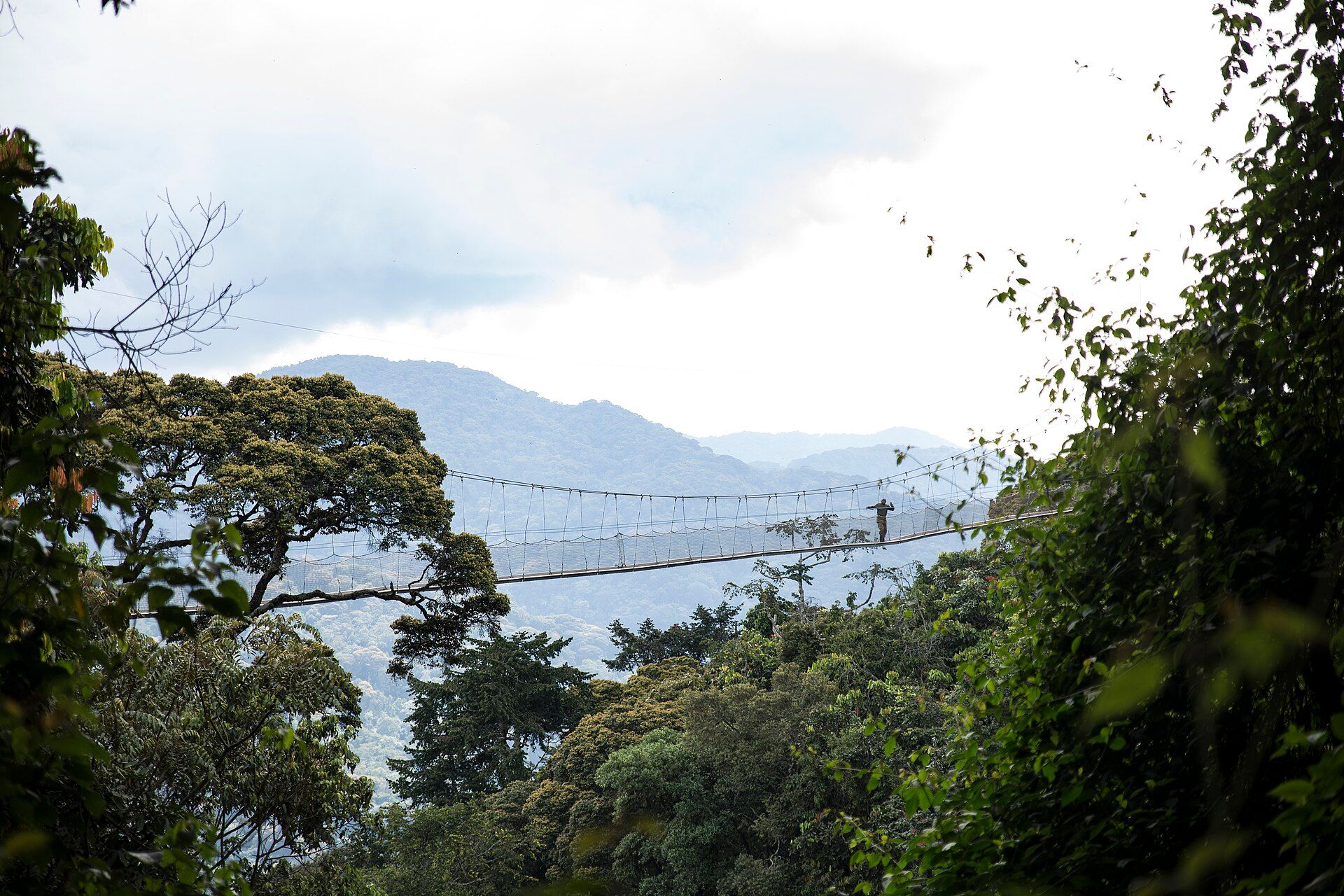
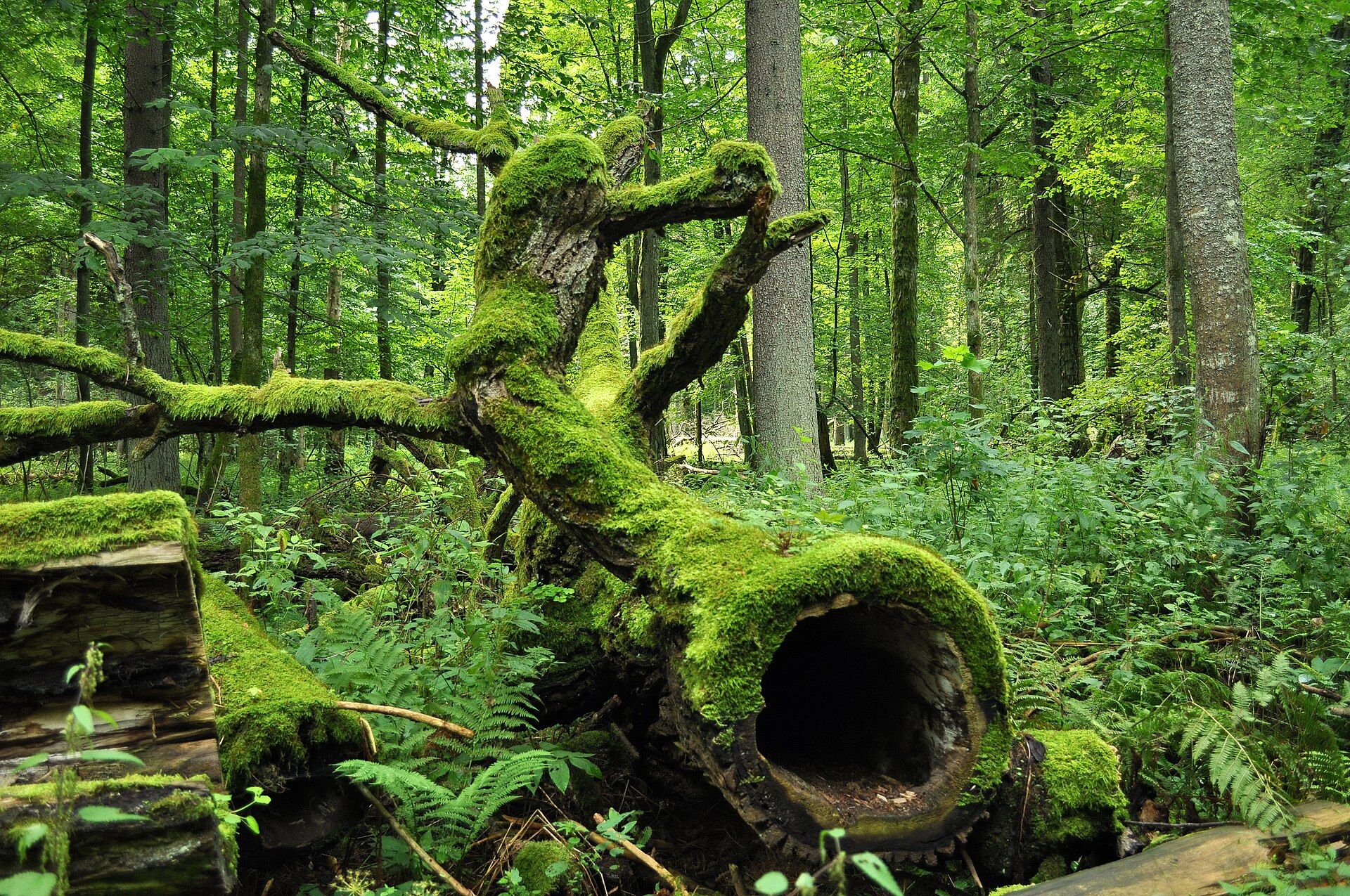
Misty montane rainforest on Madagascar's eastern escarpment, home to thirteen lemur species including the golden bamboo lemur — part of the Rainforests of the Atsinanana World Heritage Site.
What makes it marvelous
Ranomafana protects about 416 km² of tropical rainforest, from lowland forest to cloud forest, at around 800–1,200 m on the eastern escarpment of Madagascar. Thirteen lemur species live here — seven active by day and six at night — including the golden bamboo lemur, discovered by primatologist Patricia Wright. The park is part of the Rainforests of the Atsinanana, listed as a UNESCO World Heritage Site in 2007.
Why visit
It is one of the best places in Madagascar to walk through true rainforest and see lemurs in the wild, along with chameleons, frogs and orchids. Night walks reveal the smaller, nocturnal lemurs.
What to know before you go
🗓️ Best time
Wildlife can be seen year-round; the forest is wet in every season, so pack rain gear.
🧭 Getting there & access
The park lies about 65 km from Fianarantsoa, with National Road 25 running through it. The park office is at Ambodiamontana, 6.5 km from Ranomafana town.
Good to know
- Book a local guide at the park office — they know where the lemurs are.
- Join a night walk for mouse lemurs and chameleons.
- Soak in the town's hot springs, which give Ranomafana ('hot water') its name.
Plan your visit
Moderate🧭 Getting there
From Fianarantsoa, Madagascar
- Travel to Fianarantsoa in Madagascar's central highlands
- Drive about 65 km on National Road 25 to Ranomafana
- Register at the park office at Ambodiamontana and walk with a guide
- Total travel
- A few hours by road from Fianarantsoa
- Time at site
- 2 days, with at least one night walk
- Access
- Park entry fees apply and guided walks are arranged at the park office.
🎒 What to bring & consider
- Rain gear and waterproof shoes
- Insect repellent
- A torch for night walks
- A local guide
👁️ What to expect
- Crowds
- Small groups on the forest trails.
- Conditions
- Humid, wet and muddy; steep, slippery paths.
- Facilities
- Lodges and guesthouses in and near Ranomafana town.
- The view
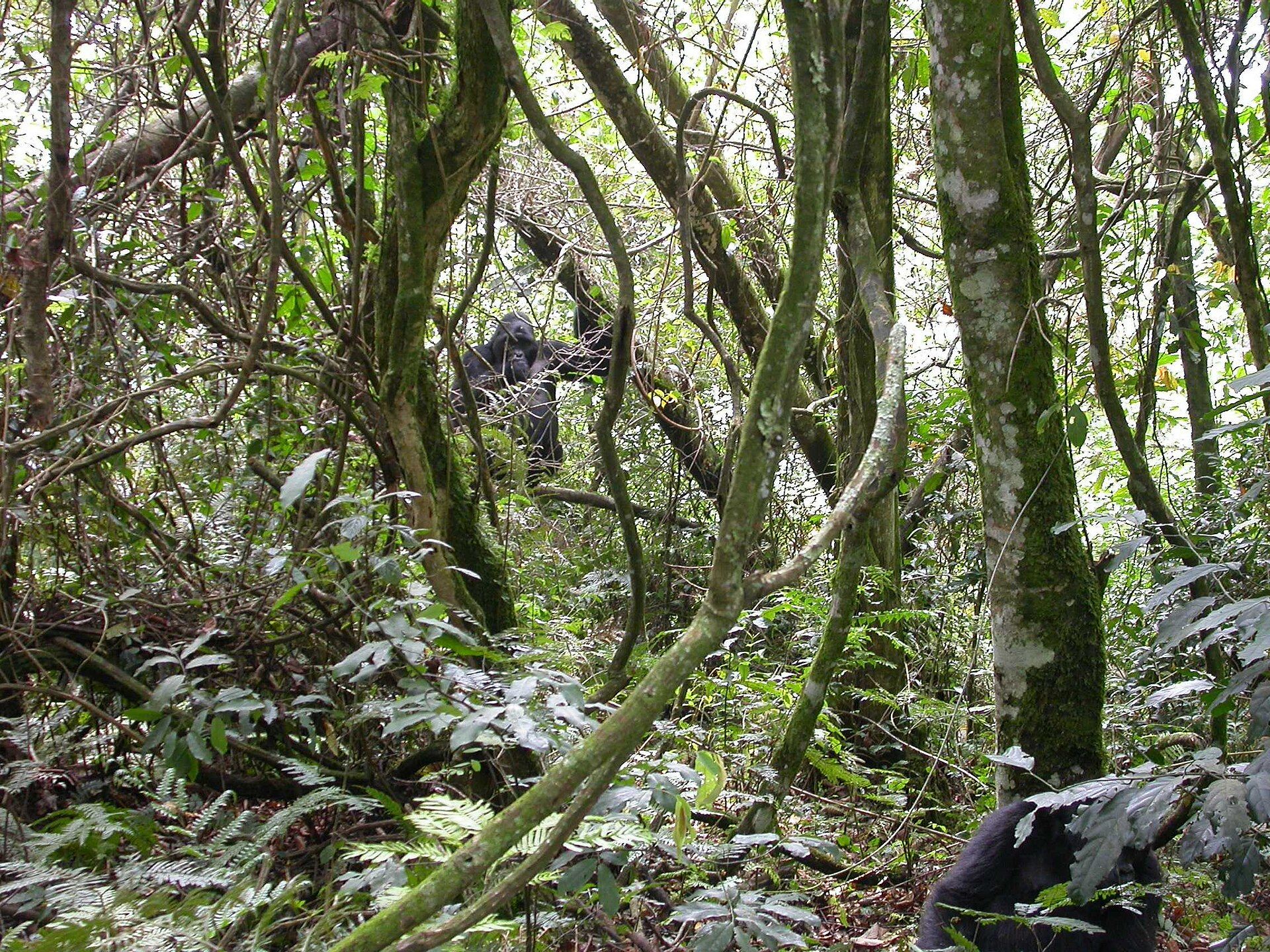
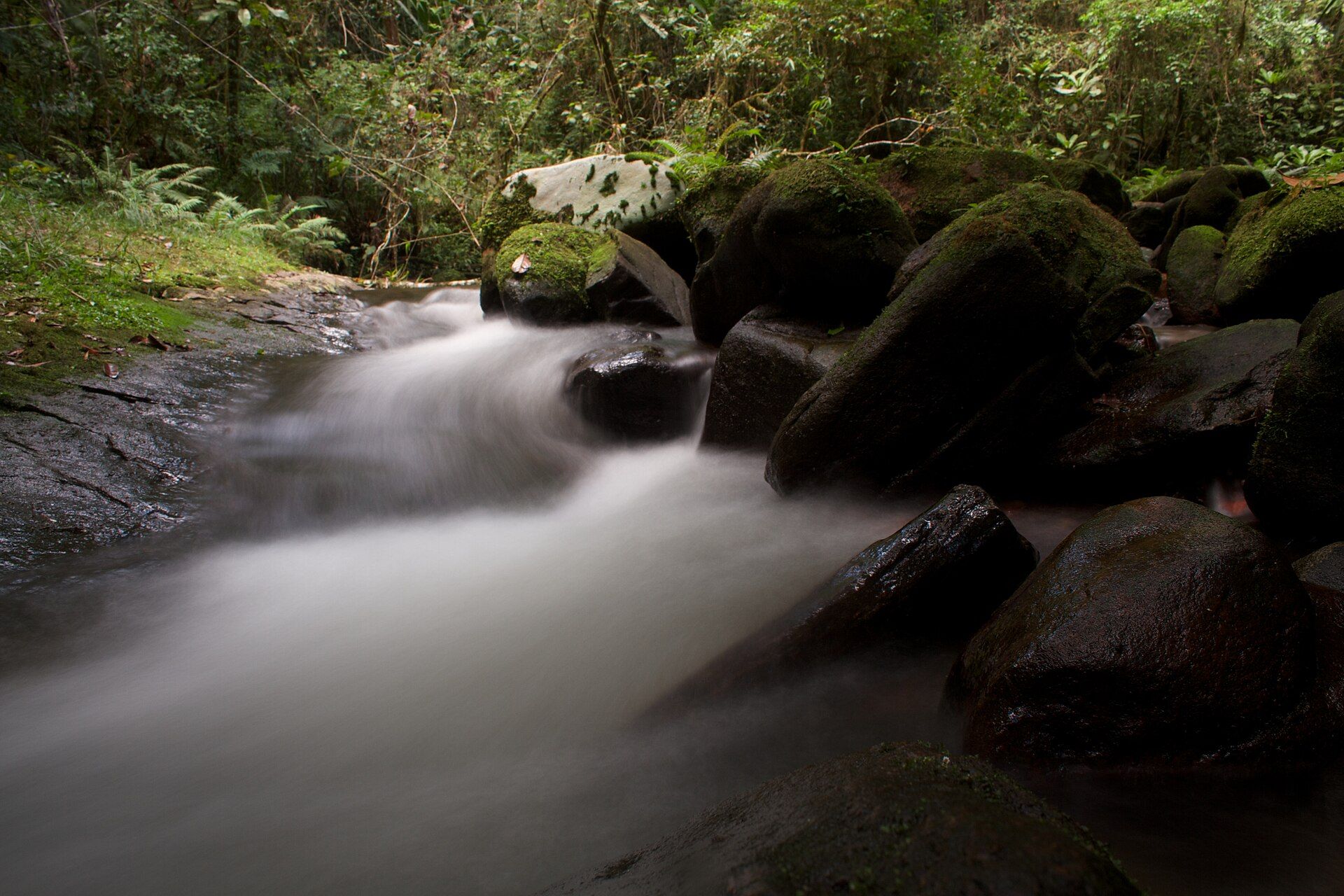
- A lemur in the canopy, or a forest stream tumbling over mossy boulders.
Times and requirements are approximate and change with season, weather, and local rules — confirm permits, fares, and schedules with operators before you travel.
Natural riches of the area
- Montane rainforest and cloud forest
- Thirteen lemur species, including the golden bamboo lemur
- Chameleons, frogs and orchids
- Part of the Rainforests of the Atsinanana World Heritage Site
Local food
- Romazava
- A broth of meat and greens served with rice — Madagascar's national dish.
- Ravitoto
- Pounded cassava leaves cooked with pork.
Ranomafana is where many visitors meet Madagascar’s rainforest for the first time. Founded in 1991 as the country’s fourth national park, it protects about 416 km² of forest on the island’s eastern escarpment — lowland rainforest and misty cloud forest at around 800 to 1,200 m — and since 2007 it has been part of the Rainforests of the Atsinanana World Heritage Site.
The park is best known for its lemurs: thirteen species, seven active by day and six by night. Among them is the golden bamboo lemur, discovered by the primatologist Patricia Wright. Chameleons, tree frogs and orchids fill the forest in between.
National Road 25 runs right through the park, about 65 km from Fianarantsoa, and the town of Ranomafana — named for the hot springs that still feed its pool — makes an easy base. Hire a guide at the park office, go out on a night walk, and come prepared for rain.
Ranomafana National Park: common questions
How do you get to Ranomafana National Park?
From Fianarantsoa, Madagascar: Travel to Fianarantsoa in Madagascar's central highlands; Drive about 65 km on National Road 25 to Ranomafana; Register at the park office at Ambodiamontana and walk with a guide. Total travel time: A few hours by road from Fianarantsoa.
When is the best time to visit Ranomafana National Park?
Wildlife can be seen year-round; the forest is wet in every season, so pack rain gear.
How long should you spend at Ranomafana National Park?
2 days, with at least one night walk. Total travel time: A few hours by road from Fianarantsoa.
What should you bring to Ranomafana National Park?
Rain gear and waterproof shoes Insect repellent A torch for night walks A local guide
Do you need a permit or guide for Ranomafana National Park?
Park entry fees apply and guided walks are arranged at the park office.
Is Ranomafana National Park crowded, and what are conditions like?
Small groups on the forest trails. Humid, wet and muddy; steep, slippery paths. Facilities: Lodges and guesthouses in and near Ranomafana town.
Added
More wonders to explore