Nyungwe Forest
📍 Southwestern Rwanda
One of Africa's largest and oldest montane rainforests — a chimpanzee stronghold with a treetop canopy walkway and Rwanda's first UNESCO World Heritage listing.
What makes it marvelous
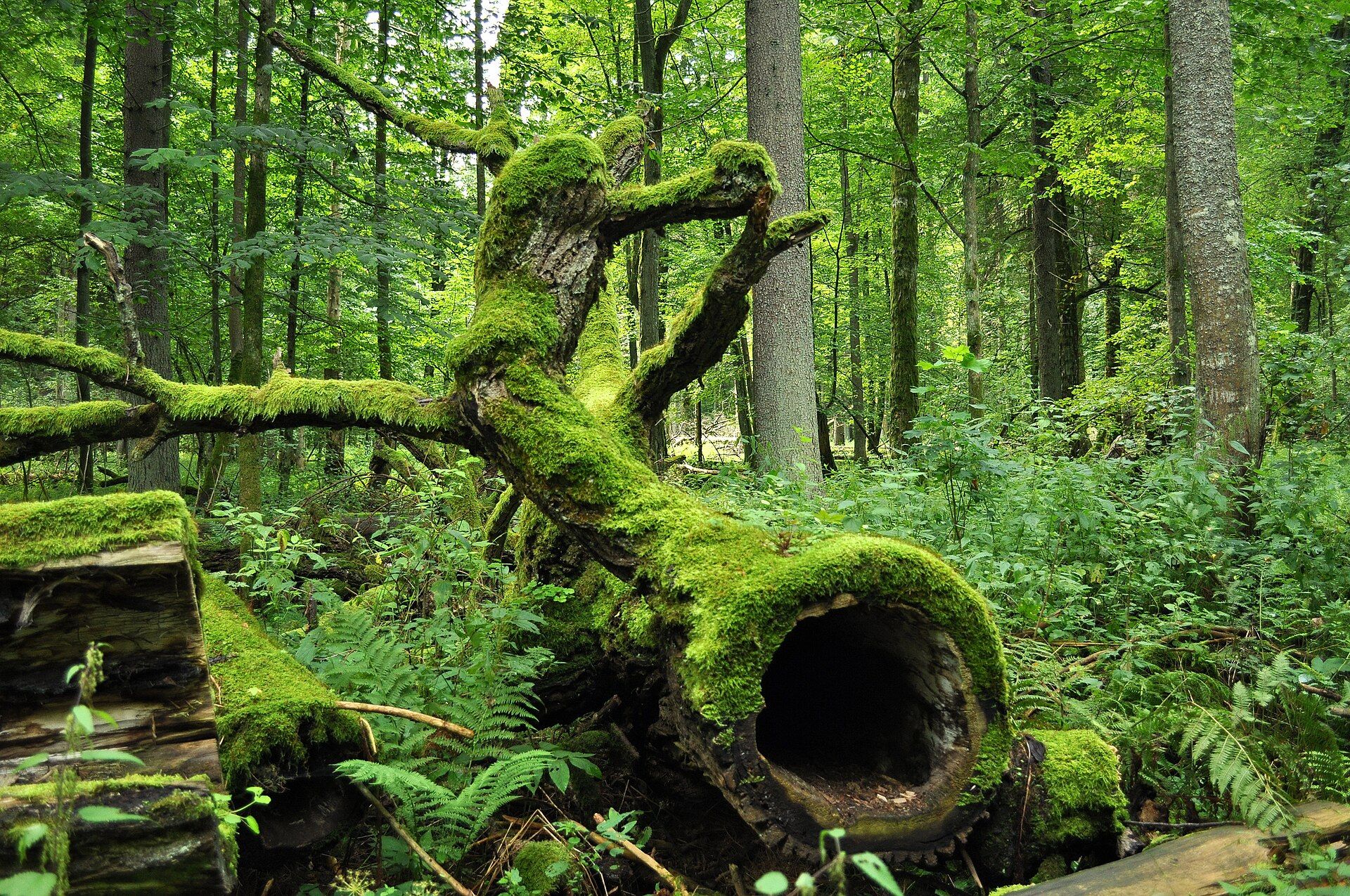
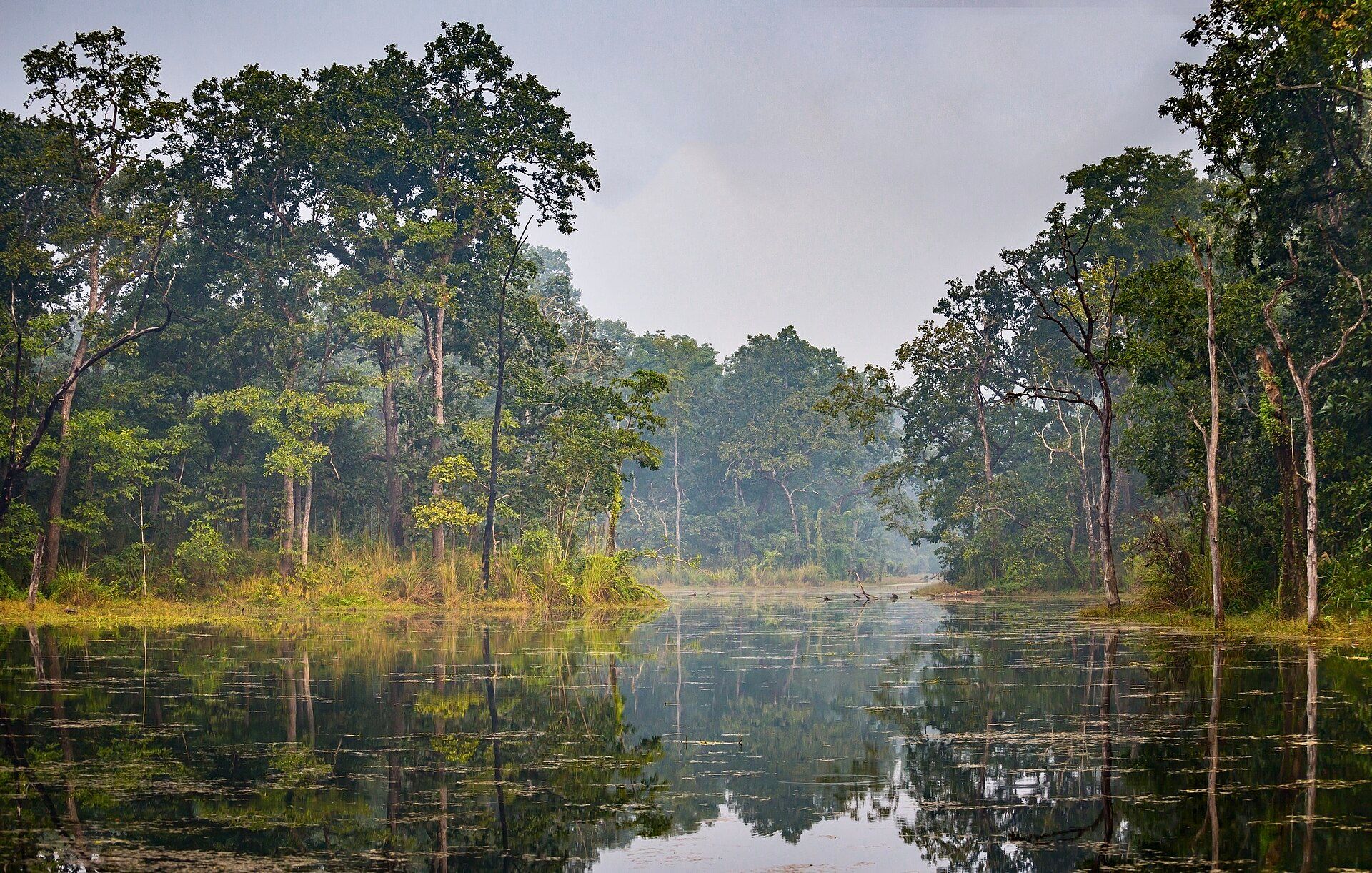
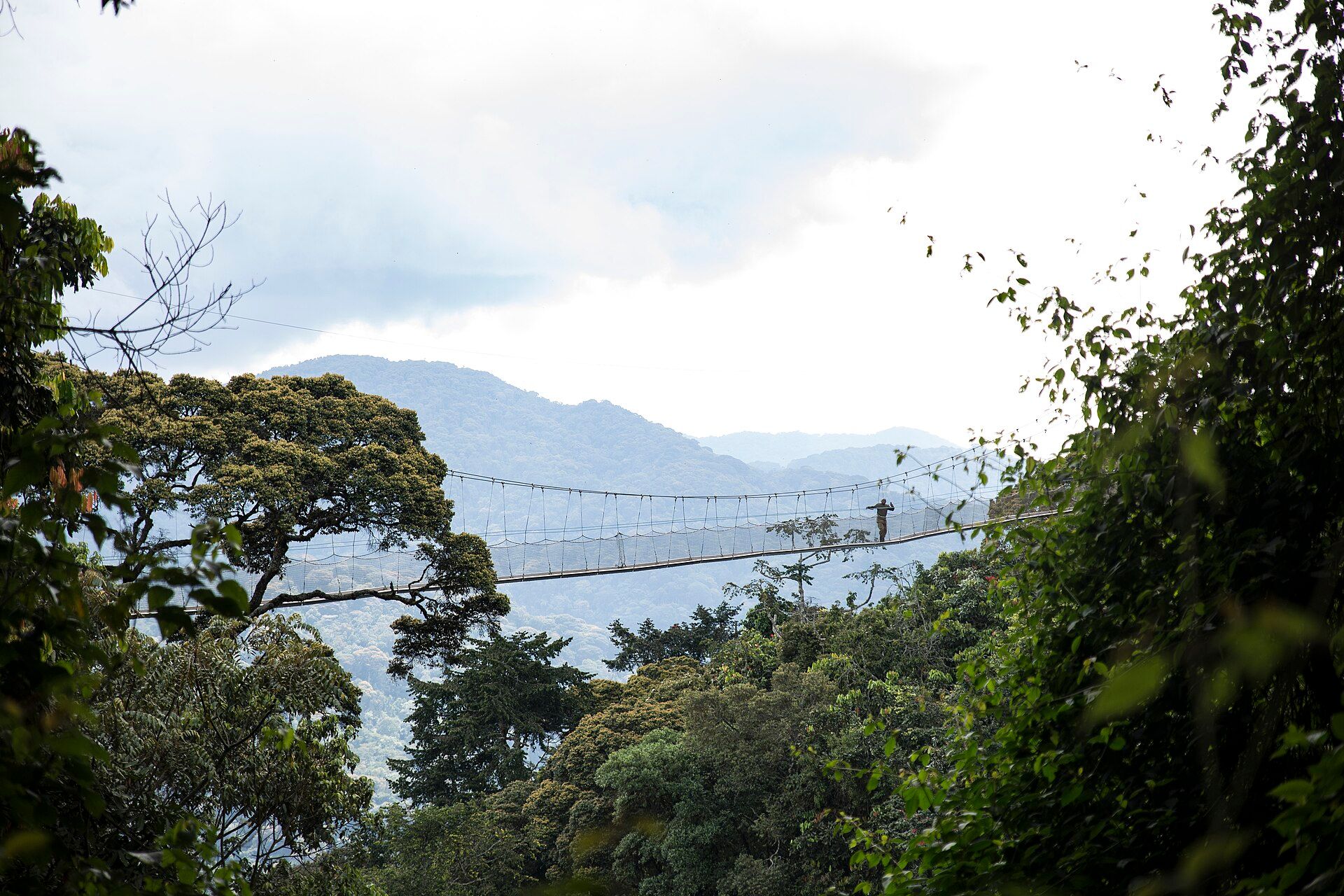
Nyungwe National Park protects roughly 1,000 square kilometres of ancient montane rainforest high on the Albertine Rift, one of the largest continuous mountain forests left in Africa and among the oldest, having survived the Ice Ages as a refuge for life. That deep history shows in its diversity: around thirteen primate species, including chimpanzees and large, noisy troops of Angolan colobus monkeys, more than 300 bird species, and over a thousand plant species, many found only in this rift. The forest is also a vital water tower, feeding rivers that run to both the Nile and the Congo, and it holds part of the largest peat bog in Africa. A treetop canopy walkway — 160 metres long and suspended some 50 metres above a forested ravine, the only one of its kind in East Africa — lets visitors walk through the canopy itself. In 2023 Nyungwe became Rwanda's first natural World Heritage Site.
Why visit
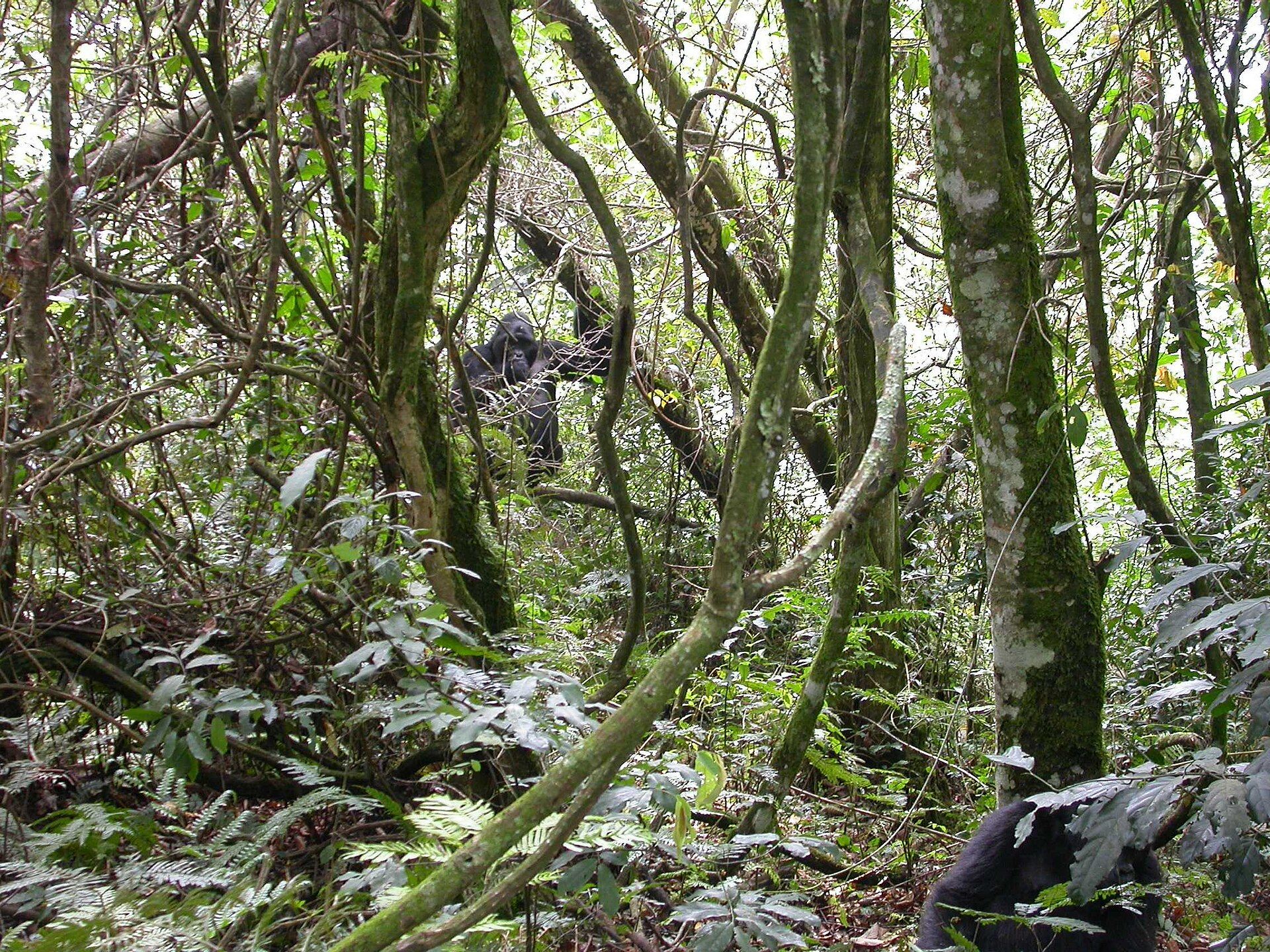
Few places let you meet so much of Africa's forest life in one park: tracking wild chimpanzees at dawn, watching hundreds of colobus monkeys move through the trees, and stepping out onto a swaying canopy walkway with the rainforest falling away beneath your feet.
What to know before you go
🗓️ Best time
The drier months (roughly June–September and December–February) make the forest trails and chimp tracking easier, though the rainforest is green and active all year.
🧭 Getting there & access
About 4–6 hours by road from Kigali to the southwest. Chimpanzee tracking and the canopy walkway require permits/tickets through the Rwanda Development Board; chimp permits are limited and best booked ahead.
Good to know
- Book chimp-tracking permits ahead — group sizes and daily numbers are capped.
- Start chimp treks very early; the apes move fast and far through steep terrain.
- Bring rain gear and grippy boots — this is genuine rainforest, wet much of the year.
Plan your visit
Moderate🧭 Getting there
From Kigali (KGL), or a domestic flight/boat via Lake Kivu towns
- Fly into Kigali
- Road Kigali to Nyungwe (Gisakura area) — roughly 5–6h, or shorter via Lake Kivu
- Early transfer to the trailhead or reception on activity morning
- Total travel
- Most of a day by road from Kigali
- Time at site
- 2–3 days to combine chimp tracking, colobus, and the canopy walk
- Access
- Chimpanzee tracking, primate walks, and the canopy walkway are booked through the Rwanda Development Board. Chimp permits are capped and priced by the RDB and change, so reserve ahead rather than assuming space. Treks leave at dawn with rangers from set trailheads.
🎒 What to bring & consider
- Waterproof boots with grip and gaiters for steep, muddy forest trails
- Full rain gear — Nyungwe is genuine rainforest and wet most months
- Long sleeves and insect repellent against biting flies and nettles
- A daypack with water and snacks; chimp treks can run for hours
- A light layer for cool, high-altitude mornings on the canopy walkway
👁️ What to expect
- Crowds
- Chimp and primate groups are capped and spread out; the canopy walkway runs in small timed groups and can feel busier midday.
- Conditions
- Steep, wet montane forest between roughly 1,600 and 2,900 m. Chimp tracking can be long and strenuous; the canopy walk is a short, gentle circuit.
- Facilities
- Lodges and a reception cluster near Gisakura and park gates; carry your own water and food into the forest.
- The view
- On the canopy walkway, go early for mist and soft light; wildlife under the canopy needs a fast lens and patience.
Times and requirements are approximate and change with season, weather, and local rules — confirm permits, fares, and schedules with operators before you travel.
Natural riches of the area
- One of Africa's largest and oldest montane rainforests
- Chimpanzees and around a dozen other primate species, including Angolan colobus
- Over 300 bird species and 1,000+ plant species of the Albertine Rift
- A key water tower feeding both the Nile and Congo basins
Local food
- Rwandan highland tea
- The forest is ringed by tea estates such as Gisakura, whose leaf edges the park.
- Nyungwe honey
- Honey from beekeeping along the forest margins, sold locally.
- Ibishyimbo (beans)
- Beans with plantain, cassava, or rice — an everyday highland meal.
Nyungwe is a forest of deep time. Spread across the mountains of southwestern Rwanda, this vast montane rainforest — one of the largest and oldest in Africa — survived the Ice Ages as a refuge, and the richness of life it sheltered is still here: around thirteen primate species, from chimpanzees to great troops of Angolan colobus, more than 300 kinds of bird, and over a thousand plants, many unique to the Albertine Rift.
It is also a working part of the continent’s plumbing, a high water tower feeding rivers that run to both the Nile and the Congo. Visitors come to track chimps at dawn, watch colobus pour through the treetops, and step onto the park’s famous canopy walkway — 160 metres of swaying bridge suspended high above a forested ravine, the only walk of its kind in East Africa. In 2023 Nyungwe became Rwanda’s first natural UNESCO World Heritage Site, recognition of a forest that is both a biodiversity treasure and a lifeline for the region.
Nyungwe Forest: common questions
How do you get to Nyungwe Forest?
From Kigali (KGL), or a domestic flight/boat via Lake Kivu towns: Fly into Kigali; Road Kigali to Nyungwe (Gisakura area) — roughly 5–6h, or shorter via Lake Kivu; Early transfer to the trailhead or reception on activity morning. Total travel time: Most of a day by road from Kigali.
When is the best time to visit Nyungwe Forest?
The drier months (roughly June–September and December–February) make the forest trails and chimp tracking easier, though the rainforest is green and active all year.
How long should you spend at Nyungwe Forest?
2–3 days to combine chimp tracking, colobus, and the canopy walk. Total travel time: Most of a day by road from Kigali.
What should you bring to Nyungwe Forest?
Waterproof boots with grip and gaiters for steep, muddy forest trails Full rain gear — Nyungwe is genuine rainforest and wet most months Long sleeves and insect repellent against biting flies and nettles A daypack with water and snacks; chimp treks can run for hours A light layer for cool, high-altitude mornings on the canopy walkway
Do you need a permit or guide for Nyungwe Forest?
Chimpanzee tracking, primate walks, and the canopy walkway are booked through the Rwanda Development Board. Chimp permits are capped and priced by the RDB and change, so reserve ahead rather than assuming space. Treks leave at dawn with rangers from set trailheads.
Is Nyungwe Forest crowded, and what are conditions like?
Chimp and primate groups are capped and spread out; the canopy walkway runs in small timed groups and can feel busier midday. Steep, wet montane forest between roughly 1,600 and 2,900 m. Chimp tracking can be long and strenuous; the canopy walk is a short, gentle circuit. Facilities: Lodges and a reception cluster near Gisakura and park gates; carry your own water and food into the forest.
Added
More wonders to explore