Ice · icebergs
Where Can You See Icebergs? 7 Places Glaciers Calve Into the Water
7 places · every one real, mapped, and worth the trip
Short answer: Greenland's Ilulissat Icefjord, where one of the fastest-moving glaciers outside Antarctica jams a 40-kilometre fjord with icebergs the size of buildings, reached by boardwalk from town. For the easiest look, Iceland's Jökulsárlón sits right on the Ring Road, with icebergs drifting across the lagoon and ice shards washed up on the black sand of Diamond Beach across the road.
Every place on this list is a glacier ending in water — sea, fjord or lake — so the ice is renewed constantly and no two visits look alike. The list is unranked and runs from the polar giants to the glacier lakes you can walk to. Wherever you are, never climb on icebergs or stranded beach ice: they roll and break without warning.
-
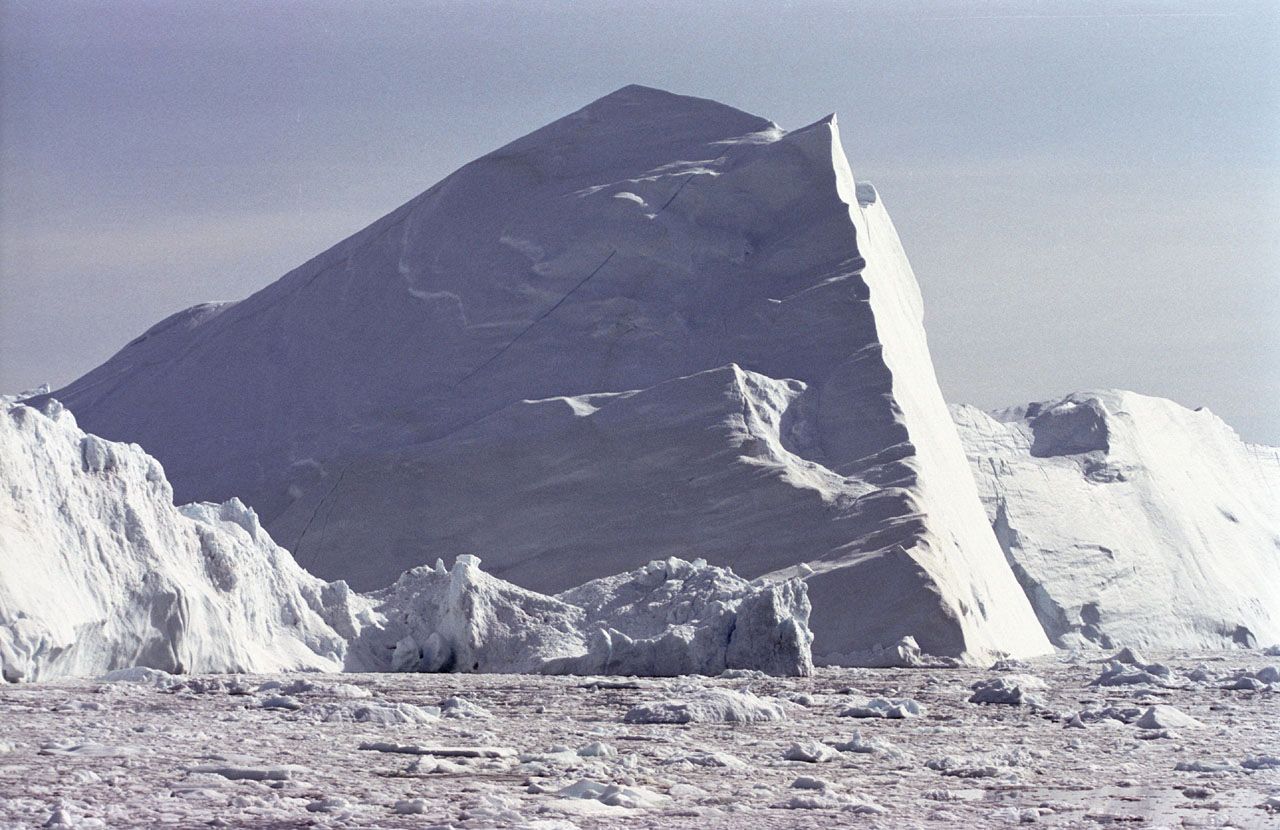
Ilulissat Icefjord Skyscraper-sized icebergs
Ilulissat, western Greenland
The Sermeq Kujalleq glacier pours off the Greenland Ice Sheet and calves billions of tonnes of ice a year into the fjord, where icebergs the size of city blocks grind and roll with sounds like thunder. Boardwalks lead to the fjord from town and boat tours sail among the ice. Summer (roughly June–August) for boats and the midnight sun; dress warmly on the water even then.
-
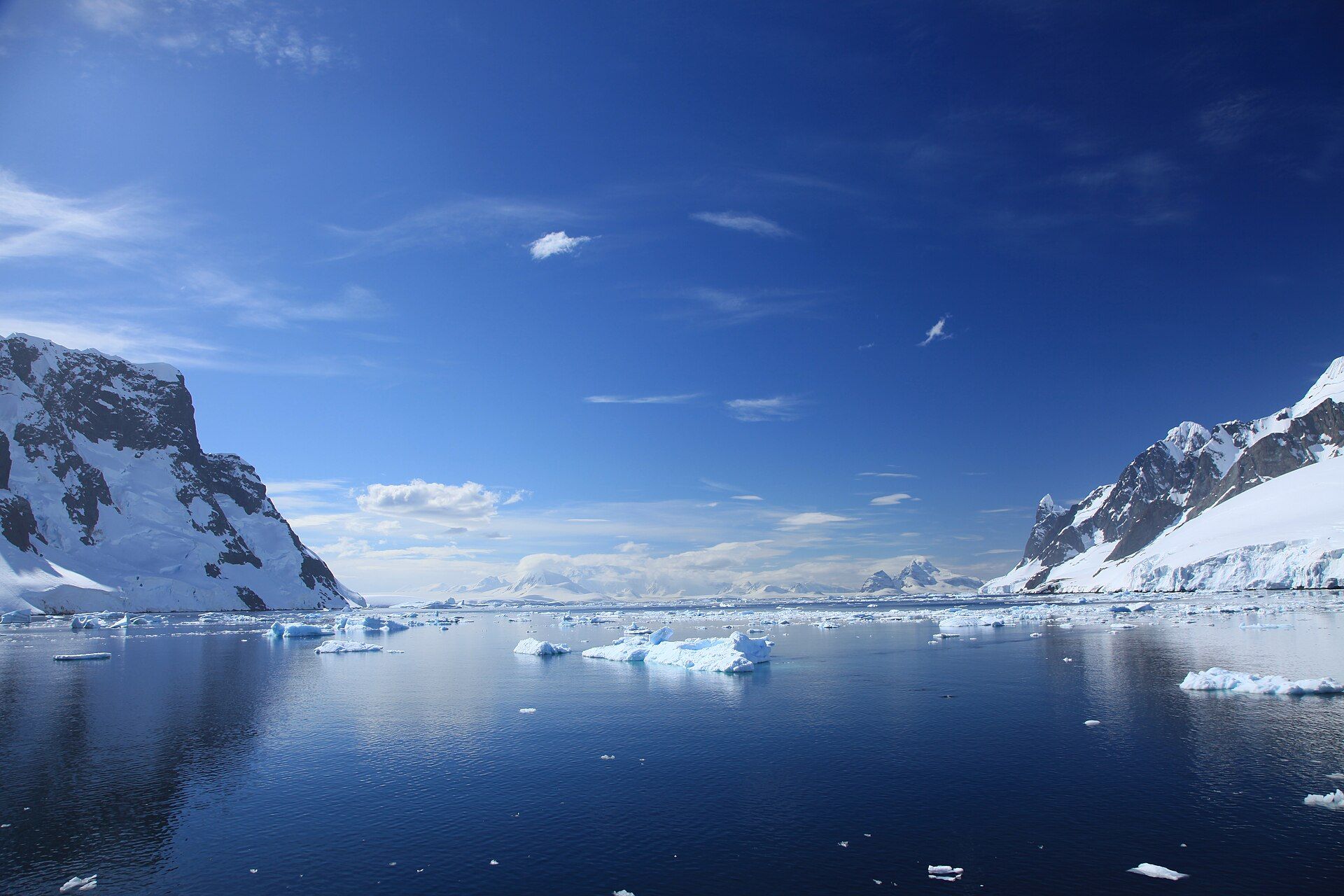
Antarctic Peninsula Blue icebergs and penguins
Antarctic Peninsula
Channels crowded with sculpted icebergs glowing electric blue, beneath ice-draped mountains that fall straight into the sea, with penguin colonies of tens of thousands on shore. Expedition ships run only in the austral summer, roughly November to March; early season brings the most pristine ice and snow.
-
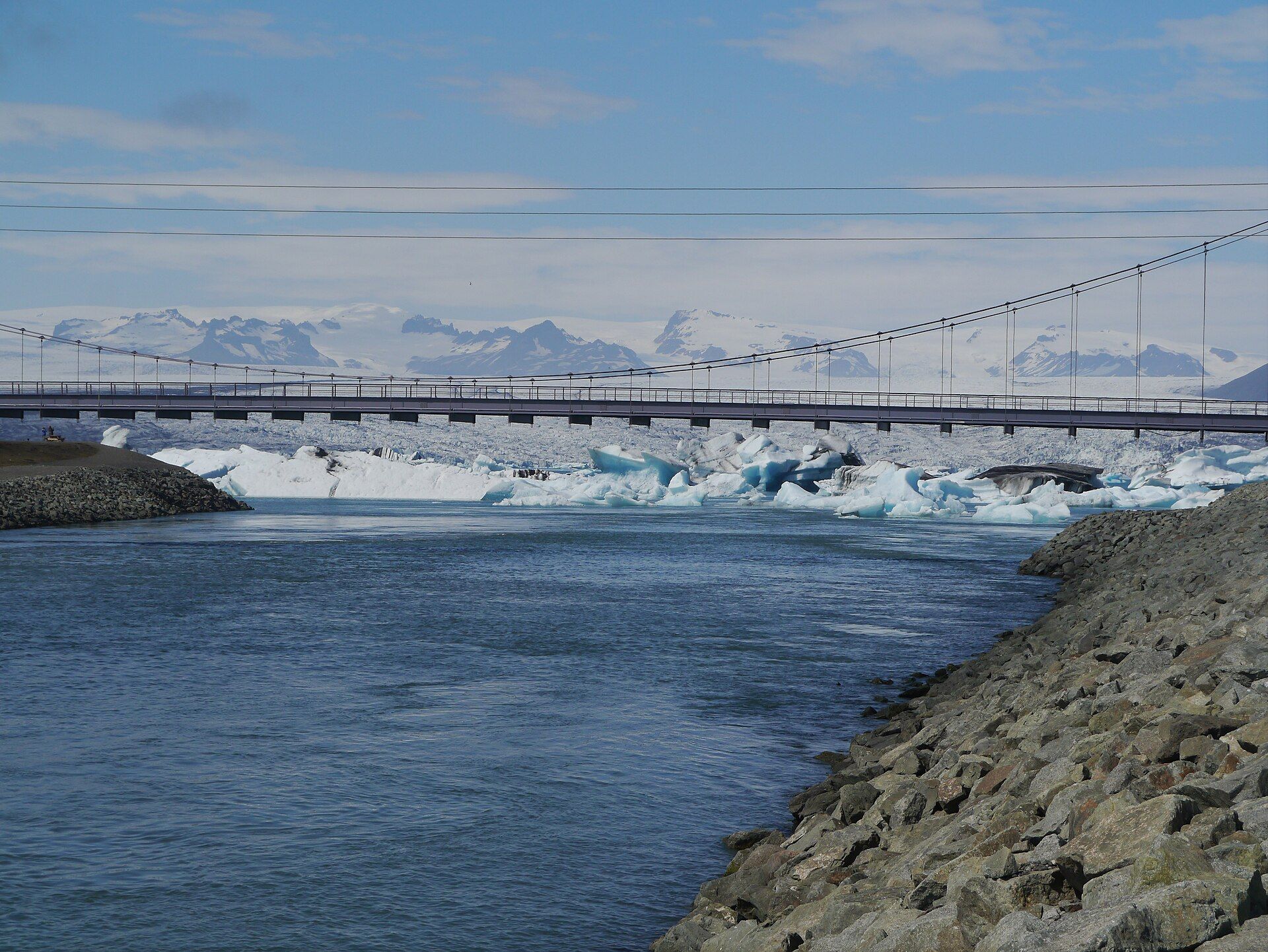
Jökulsárlón Glacier Lagoon Easiest to reach
Vatnajökull National Park, Southeast Iceland
Icebergs calved from the Vatnajökull ice cap drift across a still, deep lagoon and out through a short channel to the Atlantic, with seals hauling out on the ice. It is on the Ring Road about five hours from Reykjavík and free to view; amphibious and Zodiac boats run in summer, May to September.
-
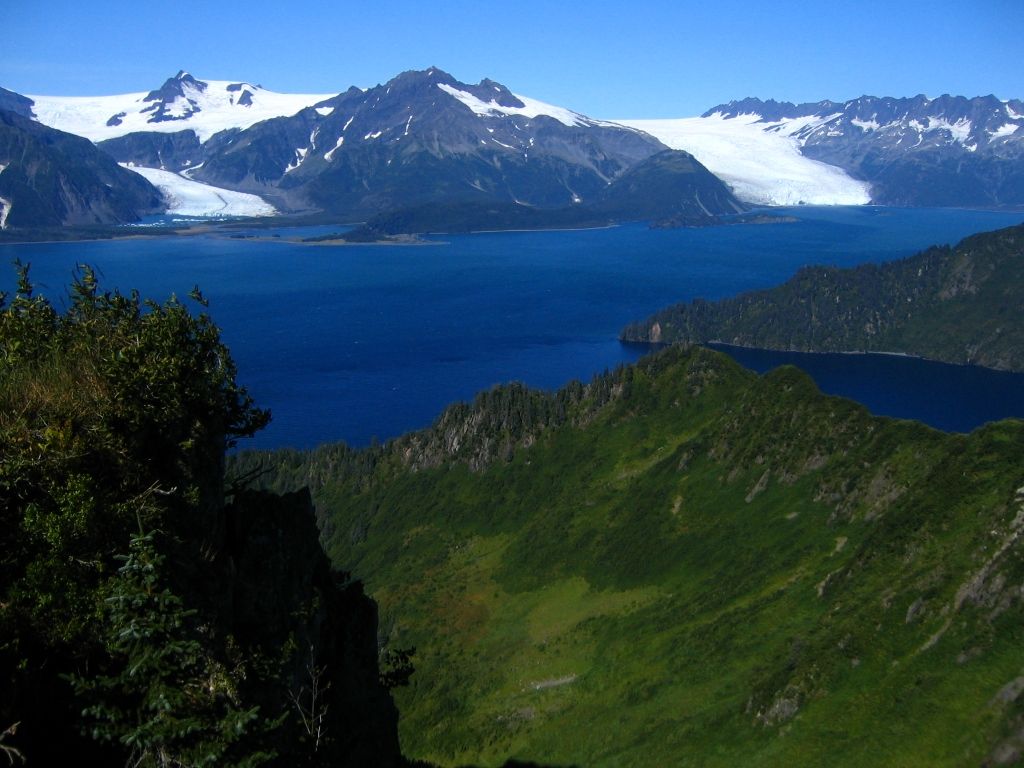
Kenai Fjords National Park Tidewater glaciers and whales
Kenai Peninsula, Alaska, United States
Tidewater glaciers spilling from the Harding Icefield calve straight into the Gulf of Alaska, among humpbacks, orcas and sea otters. Half- and full-day boat tours leave Seward harbour, 2–3 hours from Anchorage. Cruises run late May to early September; June and July bring the longest days and peak calving.
-
Perito Moreno Glacier Watch the ice front calve
Los Glaciares National Park, Santa Cruz, Argentina
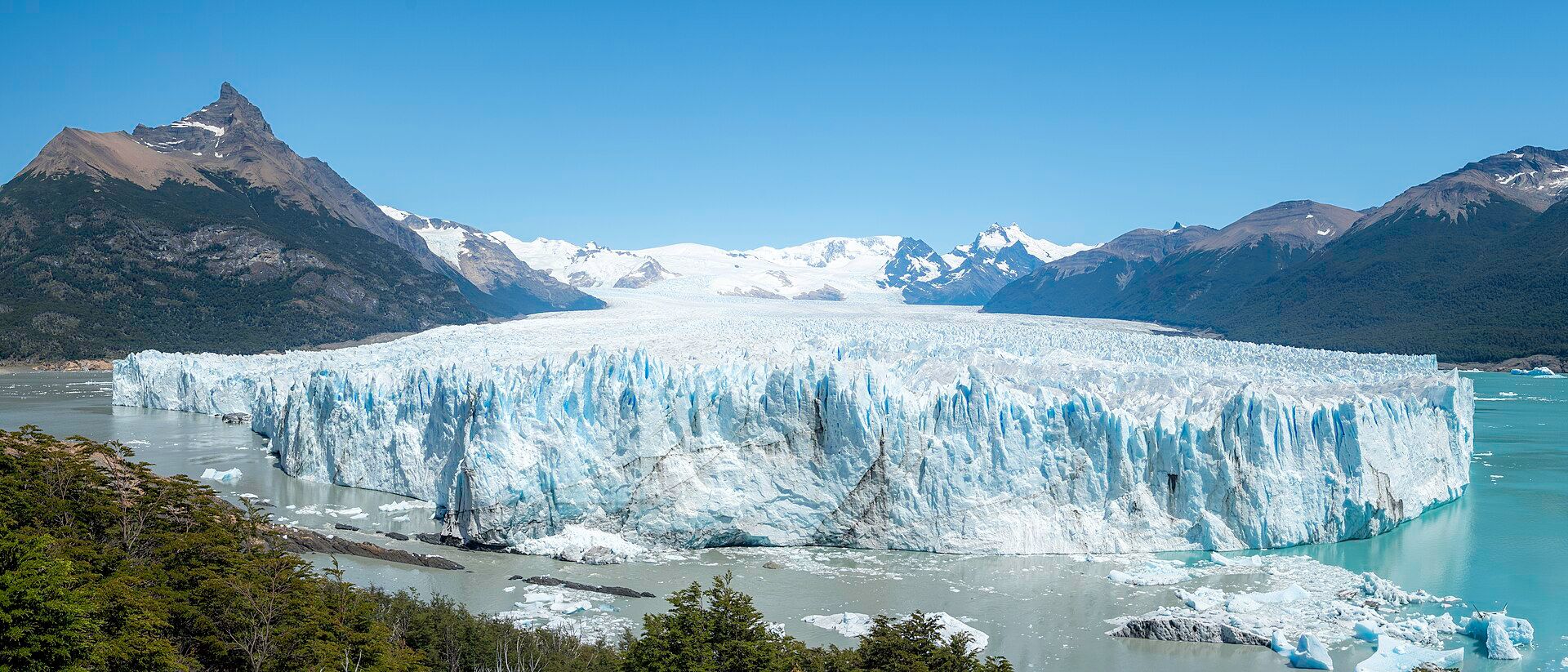
Boardwalks bring you almost level with a towering blue ice face that calves thunderously into the lake — unpredictable but frequent, so the trick is to stay and wait. Accessible year-round; the Patagonian summer, roughly November to March, is mildest.
-
Torres del Paine Grey Glacier on the W trek
Magallanes, Chilean Patagonia
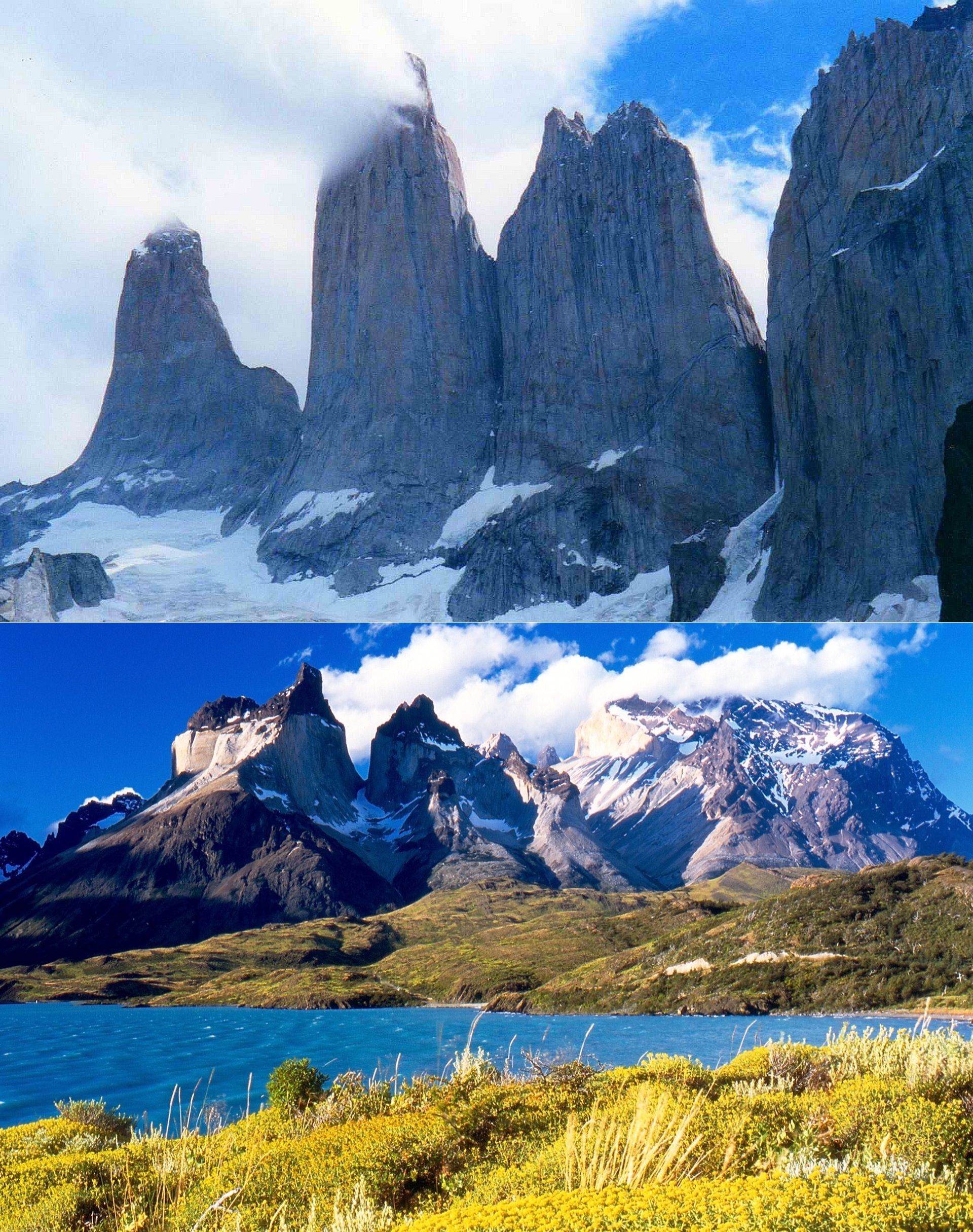
The western arm of the W trek ends at Grey Glacier, where icebergs calve into a slate-grey lake at the toe of the Southern Patagonian Ice Field. Go in the Patagonian summer, roughly November to March, and expect fierce wind at any time of year.
-
Aoraki / Mount Cook Iceberg lake on a day walk
Canterbury, South Island, New Zealand
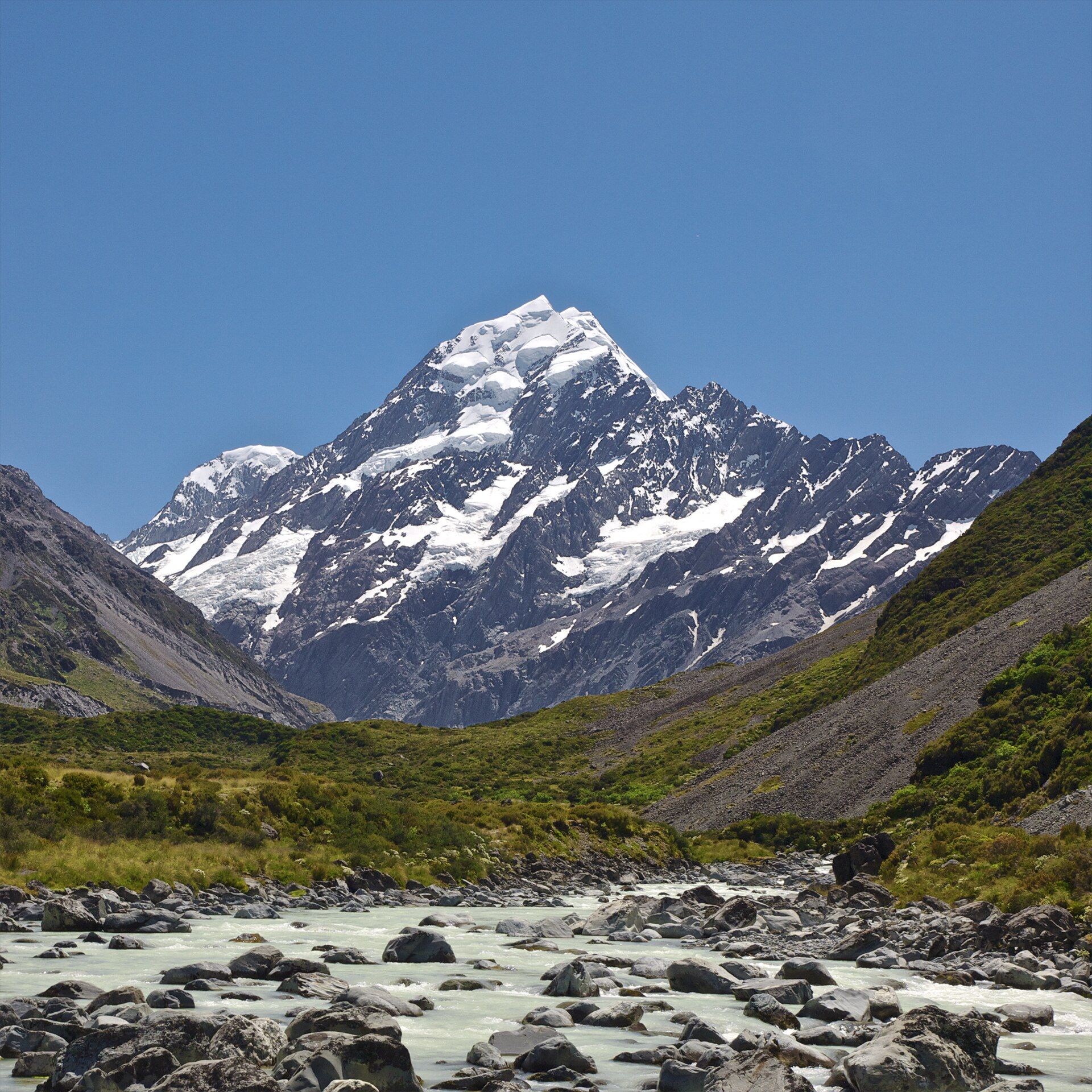
The mostly flat, three-hour return Hooker Valley Track crosses swing bridges to a glacial lake dotted with icebergs beneath New Zealand's highest peak, while the Tasman Glacier, the country's longest, calves into its own milky lake nearby. Summer and early autumn (roughly December–April); the valley is bitterly exposed when the wind funnels down it.
The ice at these places is always moving, so the view changes from one visit to the next. For walking on the ice itself rather than looking at it, see where you can walk on a glacier; for more ice, see the most beautiful glaciers.
Added