Reading the Grand Canyon: how to see two billion years at a glance
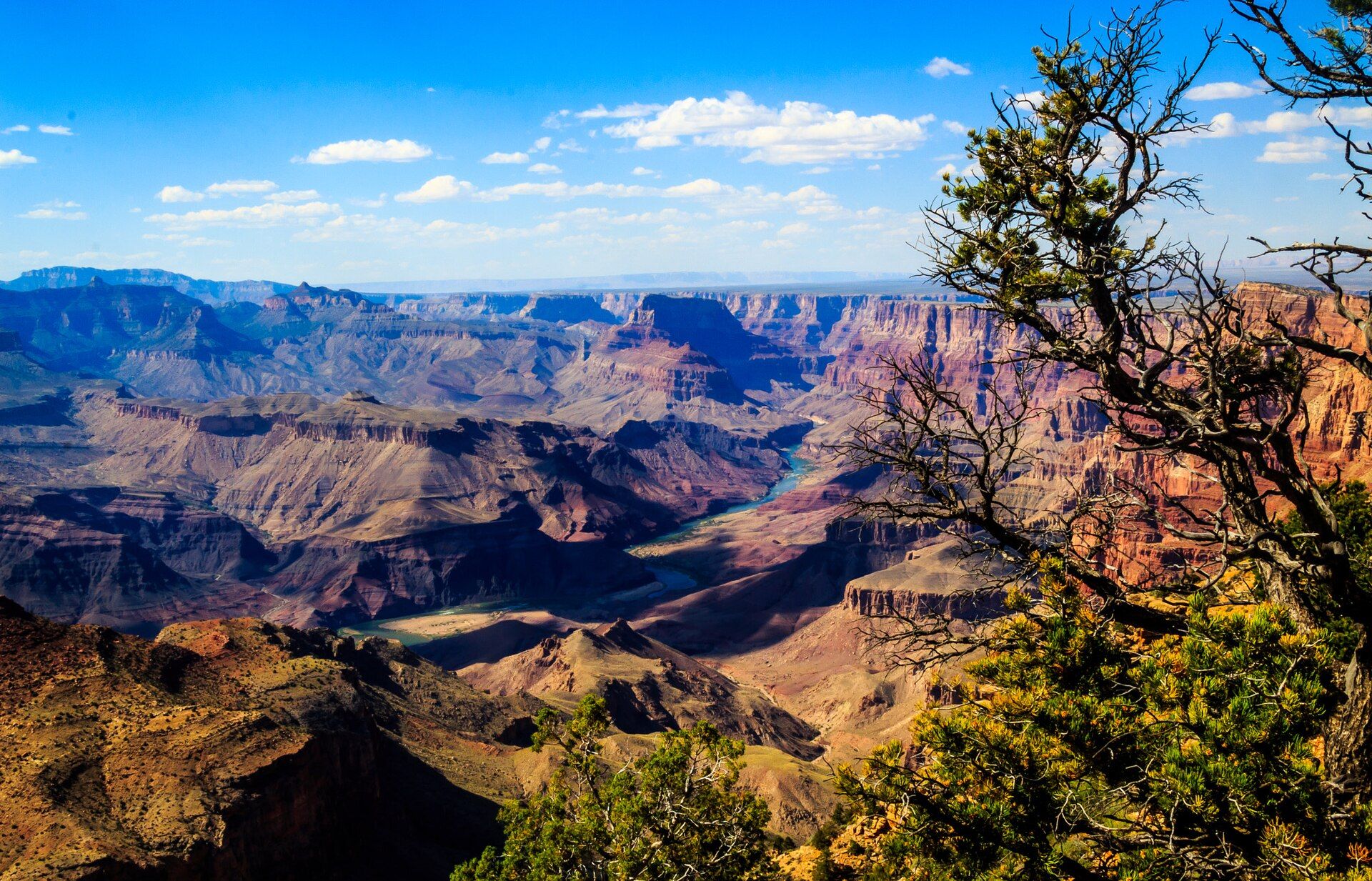
The first time you stand on the rim of the Grand Canyon, the scale does all the talking — a mile down, miles across, the Colorado River a distant thread. But the canyon is more than a big hole. It’s one of the finest cross-sections of the planet’s history anywhere on Earth, and learning to read it turns a stunning view into a story.
Two things made it. First, uplift: the whole Colorado Plateau rose over millions of years, giving the river a great height to cut down through. Second, the river itself, which over roughly the last five to six million years sawed downward through layer after layer of rock. Because the layers were laid down in order — youngest on top, oldest at the bottom — the canyon walls read like the pages of a book, from young rimrock down to schist nearly two billion years old at the river. Each band records a different vanished world: ancient seas, deserts, and swamps, stacked in coloured stone.
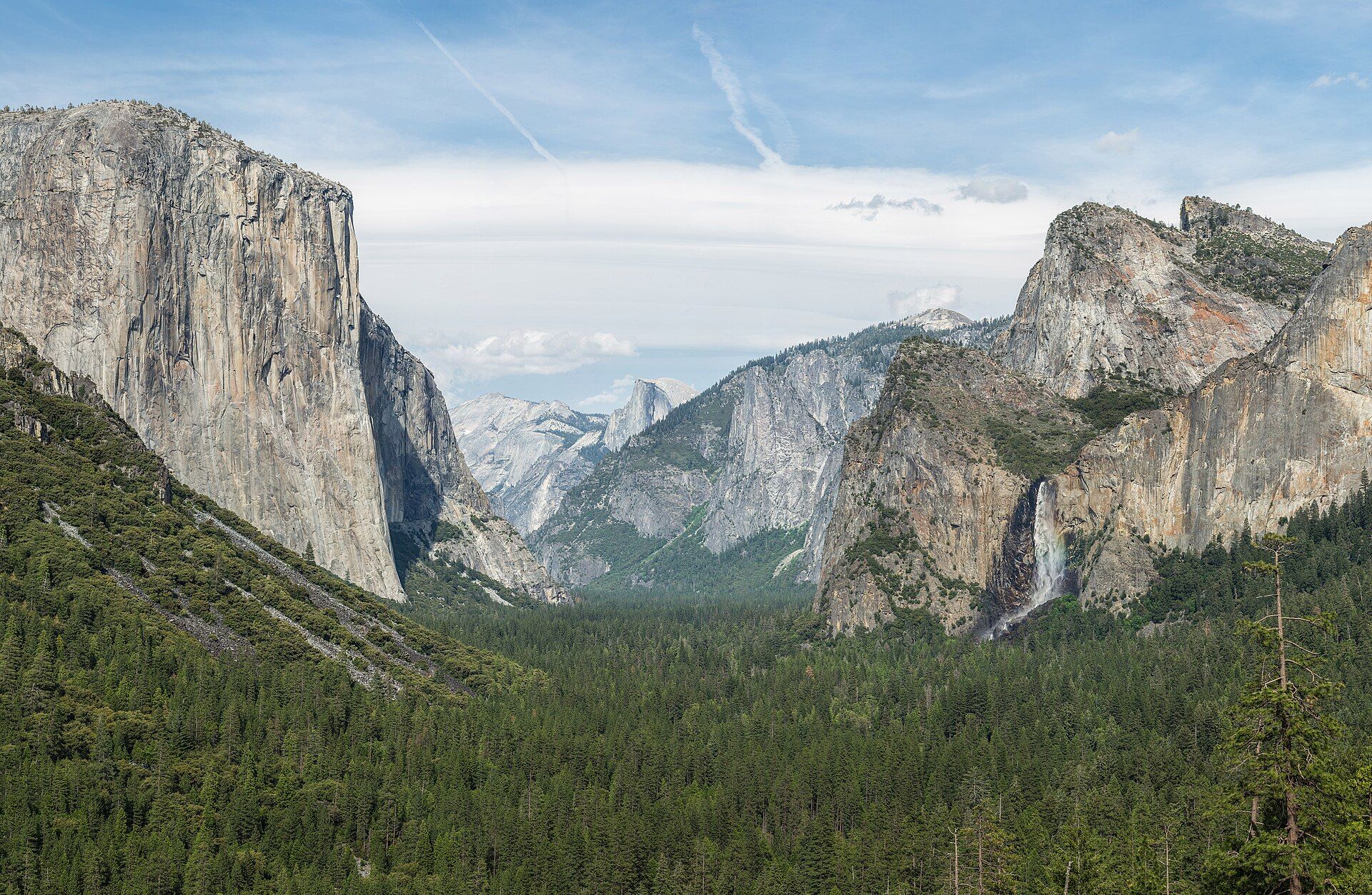
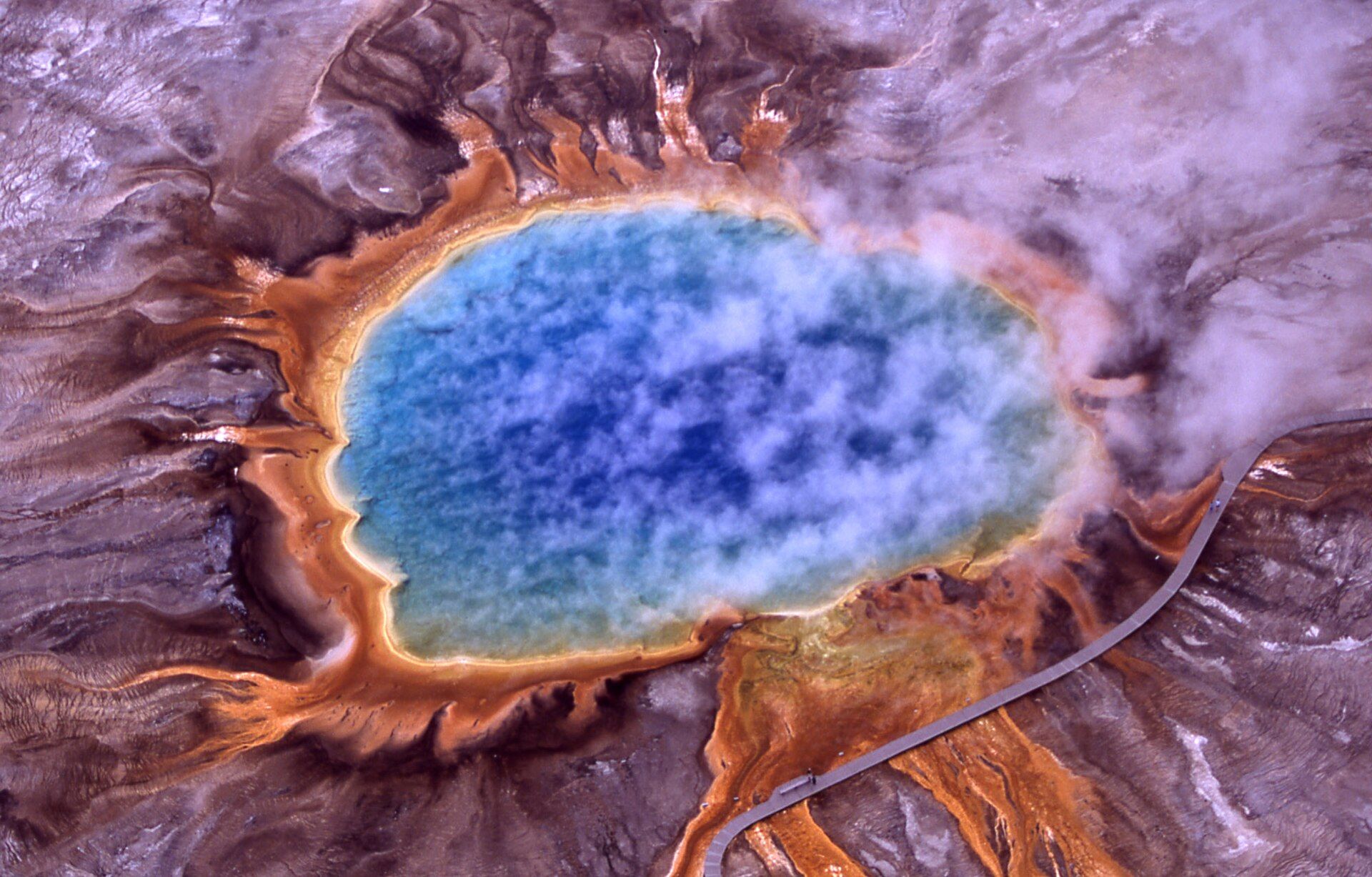
The same trick of reading works elsewhere. At Yosemite, the story is written in glacier-polished granite that cooled deep underground before being carved bare by ice; at Yellowstone, it’s told by geysers venting a hidden volcano. Landscapes aren’t just scenery — they’re records. The Grand Canyon simply keeps the clearest one.
Wonders in this article