Head to head · The Middle East's two great wet-canyon hikes
Wadi Shab vs Wadi Mujib: Which Canyon Swim Hike Should You Do?
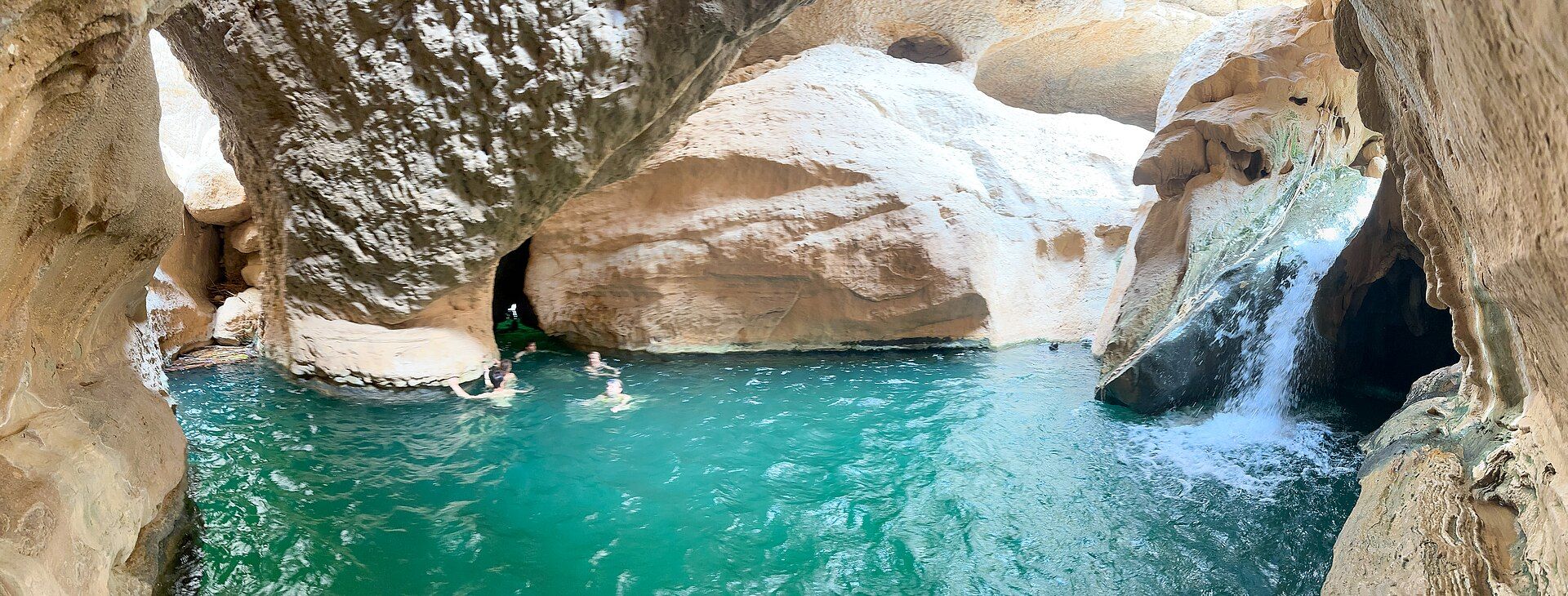
Wadi Shab in Oman and Wadi Mujib in Jordan are the two wet-canyon hikes most travellers to the region look at, and both end with you in the water. Wadi Shab is a palm-fringed canyon on the coast about two hours south of Muscat: a small boat crosses the entrance pool, a rocky trail of 45 minutes to an hour climbs to a chain of turquoise pools, and a swim and a squeeze through a narrow gap reach a waterfall hidden inside a cave.
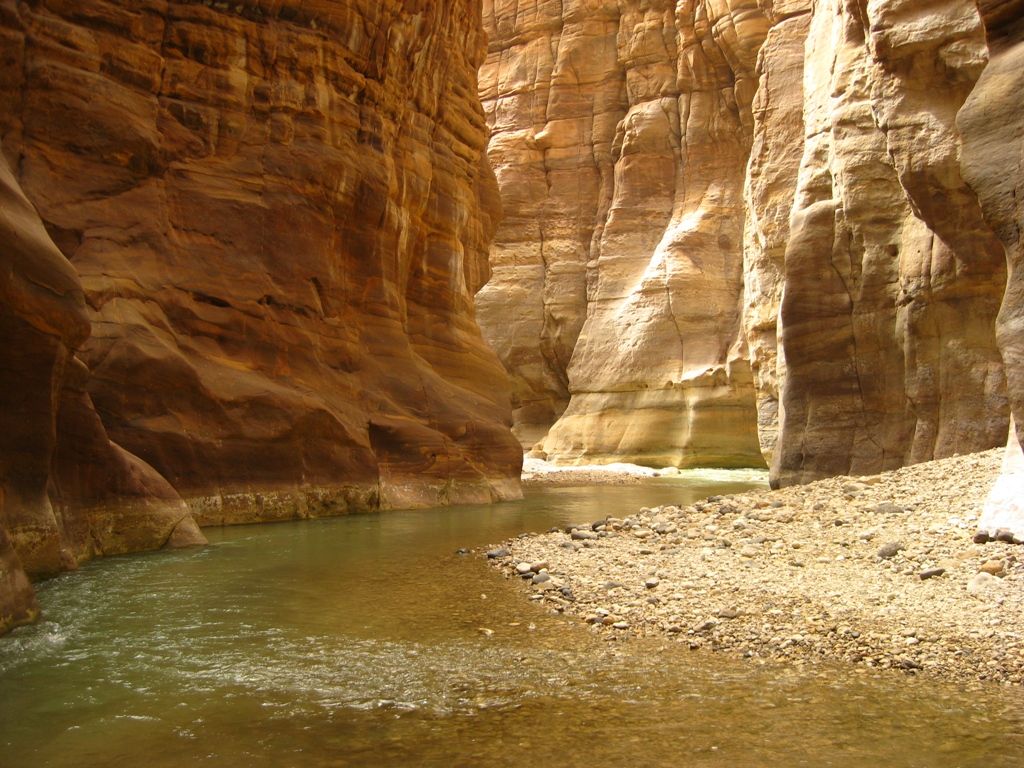
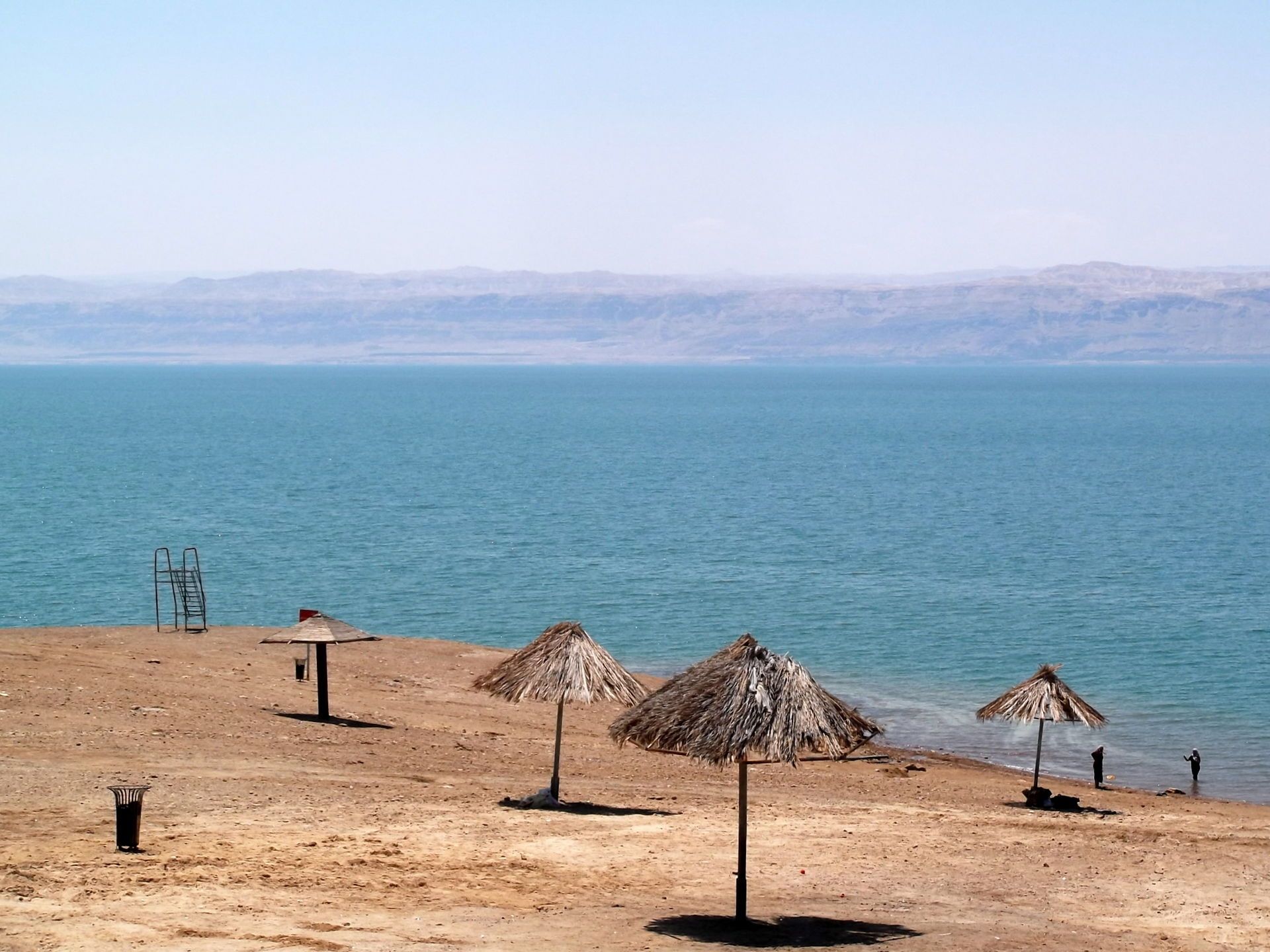
Wadi Mujib is a sandstone river canyon that spills into the Dead Sea at about 410 metres below sea level, inside the lowest nature reserve on Earth. On its Siq Trail you don't walk beside the river — you wade and swim up it, hauling over small waterfalls on fixed ropes until the gorge opens at a larger cascade. The two run in opposite seasons, which often decides the choice.
Wadi Shab
Turquoise pools and a waterfall inside a cave, near Muscat
Wadi Shab is near Tiwi on Oman's coast, about 2 hours by road south of Muscat. A small fee covers the boat across the entrance pool; the wadi itself is open access. The hike is easy to moderate on a rocky trail, partly hot and shadeless, then you swim through cool pools to a tight slot leading into the cave chamber. There is parking and the boat at the entrance and nothing up the wadi.
- Comfortable in the cooler months, roughly October–April
- A walk first, then pools — you choose how far you swim
- The hidden waterfall cave at the top
Wadi Mujib
Wade and swim up a warm river to a waterfall, beside the Dead Sea
The Siq Trail starts at the Mujib Adventure Centre on the Dead Sea highway, about 1.5 hours south of Amman. The reserve is a UNESCO Biosphere Reserve managed by the RSCN, home to Nubian ibex. An entrance fee applies, the water trails open 1 April–31 October and close after rain and in winter, and the self-guided Siq Trail needs no experience. A visitor centre, changing rooms and parking sit at the entrance.
- Canyoning that almost anyone can do: wading, swimming and short rope-assisted climbs
- Visitor centre and changing rooms at the trailhead
- Starts from a visitor centre beside the Dead Sea, where the river ends
Head to head
| What matters | Wadi Shab | Wadi Mujib |
|---|---|---|
| Season Edge: Toss-up | Roughly October–April for comfortable hiking. | Water trails open only 1 April–31 October; late spring and early autumn avoid the worst Dead Sea heat. |
| What the hike is Edge: Toss-up | A rocky trail of 45 minutes to an hour, then swimming through pools and squeezing through a narrow gap into the cave. | Walking up the river itself — wading, swimming and climbing small waterfalls on fixed ropes. |
| Difficulty Edge: Toss-up | Easy to moderate; the cave needs a swim and a tight squeeze. | Moderate; the Siq Trail is self-guided and needs no experience, but you are wet throughout. |
| Time needed Edge: Toss-up | 3–4 hours for the hike, pools and cave. | 2–4 hours for the Siq Trail; longer for guided routes. |
| Getting there Edge: Wadi Mujib | About 2 hours by the coastal road south of Muscat, then the boat across the entrance pool. | About 1.5 hours from Amman down to the Dead Sea highway. |
| Facilities Edge: Wadi Mujib | Boat and parking at the entrance; nothing up the wadi. | Visitor centre, changing rooms and parking at the entrance. |
| Crowds Edge: Toss-up | Busiest midday and at weekends; early mornings are far quieter. | Busy on summer weekends; weekday mornings are calmer. |
| Flash floods Edge: Toss-up | Never enter in wet weather or just after rain. | The reserve closes the wet trails after rain. |
Which should you choose?
Choose Wadi Shab if…
…you're in Oman between October and April and want a hike with pools and a hidden cave at the end, more walking than wading.
Choose Wadi Mujib if…
…you're in Jordan between April and October and want a true river-canyon scramble with ropes, with changing rooms at the start.
The honest verdict
The calendar usually decides. Wadi Shab is a cooler-months hike — roughly October to April. Wadi Mujib's water trails are only open from 1 April to 31 October. If you are in the region in winter, Shab is the one you can do; in summer, Mujib.
Choose Wadi Shab for a walk-then-swim day: an hour on a rocky trail, a string of turquoise pools, and a squeeze into the waterfall cave. Bring a dry bag and shoes that work on rock and in water, and start early to beat the midday crowds.
Choose Wadi Mujib for canyoning without experience: you are in the river from the start, pulling up small waterfalls on fixed ropes between red walls. Bring water shoes with grip and a dry bag, and remember the visitor centre sits beside the Dead Sea if you want to add a float.
Wonders mentioned here
Added