Head to head · red-rock icons
Uluru vs Monument Valley: Which Red-Rock Icon?
Two of the most recognisable desert landscapes on Earth, both held by their Indigenous custodians and both glowing deep red at dawn and dusk — a single vast monolith in the heart of Australia, and a valley of towering buttes in the American Southwest. They look like cousins, but they are very different places.
Here's how Uluru and Monument Valley compare across what actually shapes a visit, and how to decide which red-rock icon to build a trip around.
Uluru
The red heart of Australia
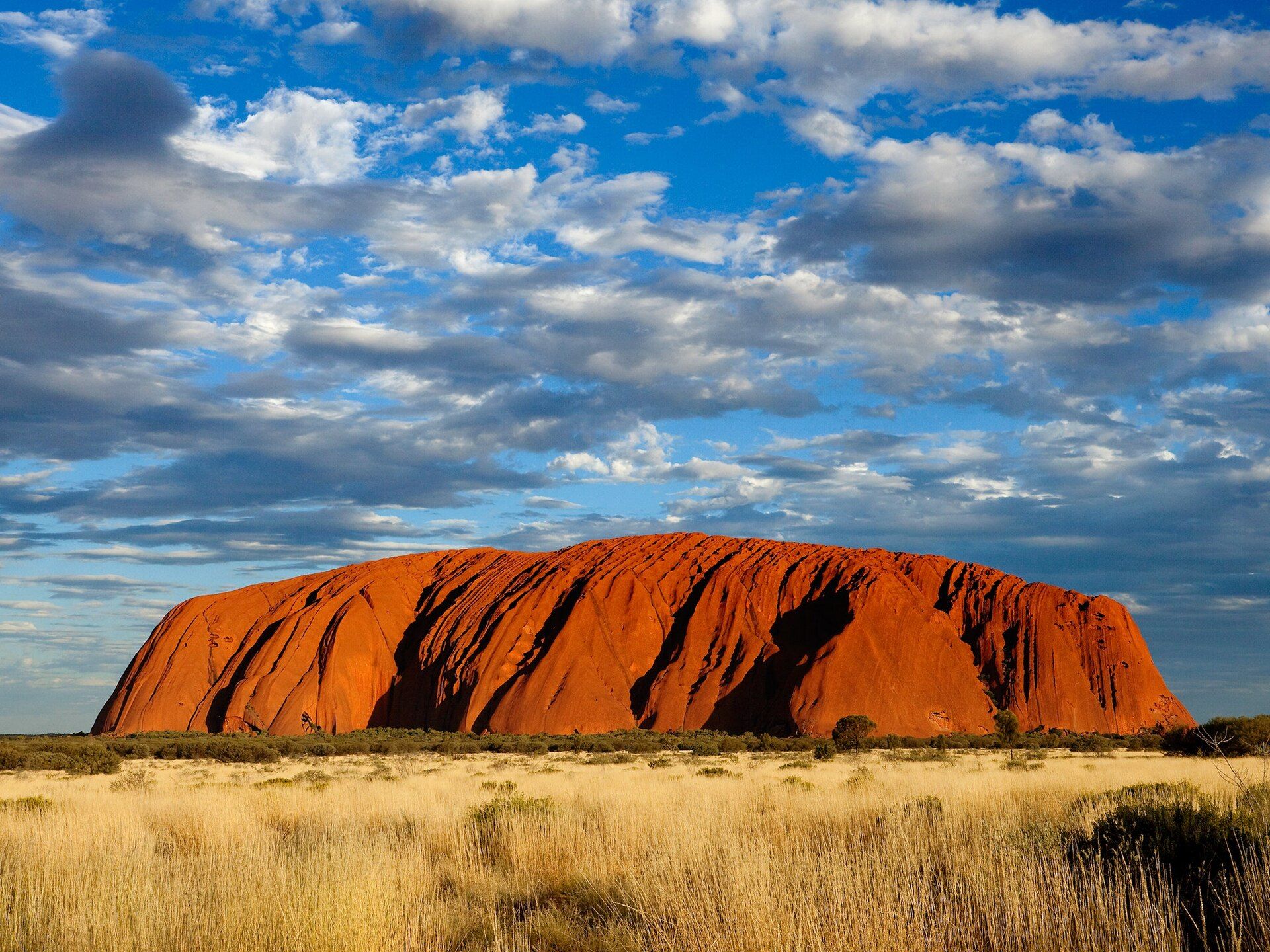
A single colossal sandstone monolith rising 348 metres from the flat red centre of Australia, held by the Anangu people and glowing through reds and violets at sunrise and sunset. The experience centres on walking the ten-kilometre base track, reading the rock art and Anangu-written signage, and watching the light change — climbing is now closed at the Traditional Owners' request.
- A single, awe-inspiring monolith unlike anywhere else
- Deep, living Anangu culture and rock art
- Legendary sunrise and sunset colour changes
- Base walks and world-class desert stargazing
Monument Valley
The icon of the American West
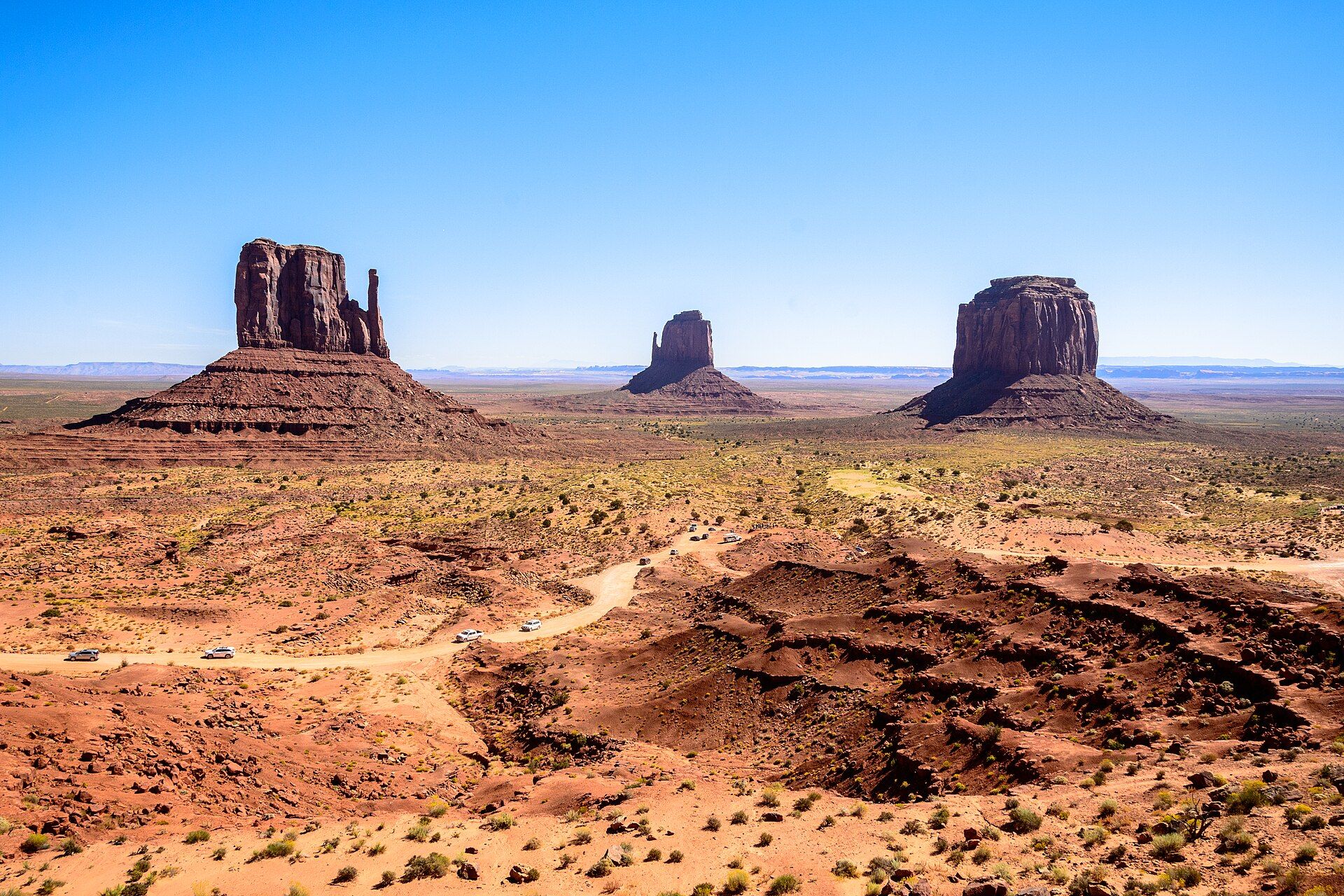
A wide desert plain on the Navajo Nation studded with towering sandstone buttes and mesas, the backdrop of countless Westerns and the archetypal image of the American frontier. The draw is the scenic drive and Navajo-guided tours among the formations, with the light at its best from the classic overlooks at dawn and dusk.
- The archetypal Wild West landscape, endlessly cinematic
- A scenic drive and Navajo-guided backcountry tours
- Multiple buttes and angles, not a single rock
- Easy to combine with the Southwest's other parks
Head to head
| What matters | Uluru | Monument Valley |
|---|---|---|
| The formation Edge: Toss-up | One overwhelming monolith you can walk right around. | A whole valley of scattered buttes and mesas to drive among. |
| Culture Edge: Toss-up | Rich, foregrounded Anangu culture and customary law. | Navajo-owned and guided, with strong cultural tours. |
| The experience Edge: Toss-up | Base walks, cultural centre, and quiet contemplation. | A scenic loop drive plus optional guided backcountry trips. |
| Access Edge: Monument Valley | Remote — fly to Ayers Rock (Yulara) or a long Outback drive. | A drive on the Arizona–Utah line, easy to slot into a road trip. |
| Combine with Edge: Monument Valley | Kata Tjuta and Kings Canyon in Australia's Red Centre. | Grand Canyon, Bryce, Zion, and Antelope Canyon nearby. |
| Season Edge: Toss-up | Cooler May–September; summer is dangerously hot. | Spring and autumn are ideal; summer is hot, winter cold. |
Which should you choose?
Choose Uluru if…
…you want a single, awe-inspiring monolith, value deep Indigenous culture and quiet, and are travelling in Australia or willing to reach its remote Red Centre.
Choose Monument Valley if…
…you want the cinematic Wild West of scattered buttes, prefer an easy scenic drive, and want to string it together with the Southwest's other great parks.
The honest verdict
This is one great rock versus a whole valley of them: Uluru is a single monolith you contemplate on foot; Monument Valley is a cinematic landscape you drive through.
For a profound, culturally rich encounter with one of Earth's great monoliths, choose Uluru; for the archetypal American West and an easy road-trip stop, choose Monument Valley.
They sit on opposite sides of the planet, so in practice you choose by which continent your trip is on — both are unforgettable.
Wonders mentioned here
Added