Glaciers worth seeing now, and what retreat actually looks like
Glaciers are the one kind of scenery that visibly changes within a human lifetime, and most of the world’s are losing mass. That makes them worth seeing — but it also makes them worth understanding, because the signs of retreat are legible once you know what to look for.
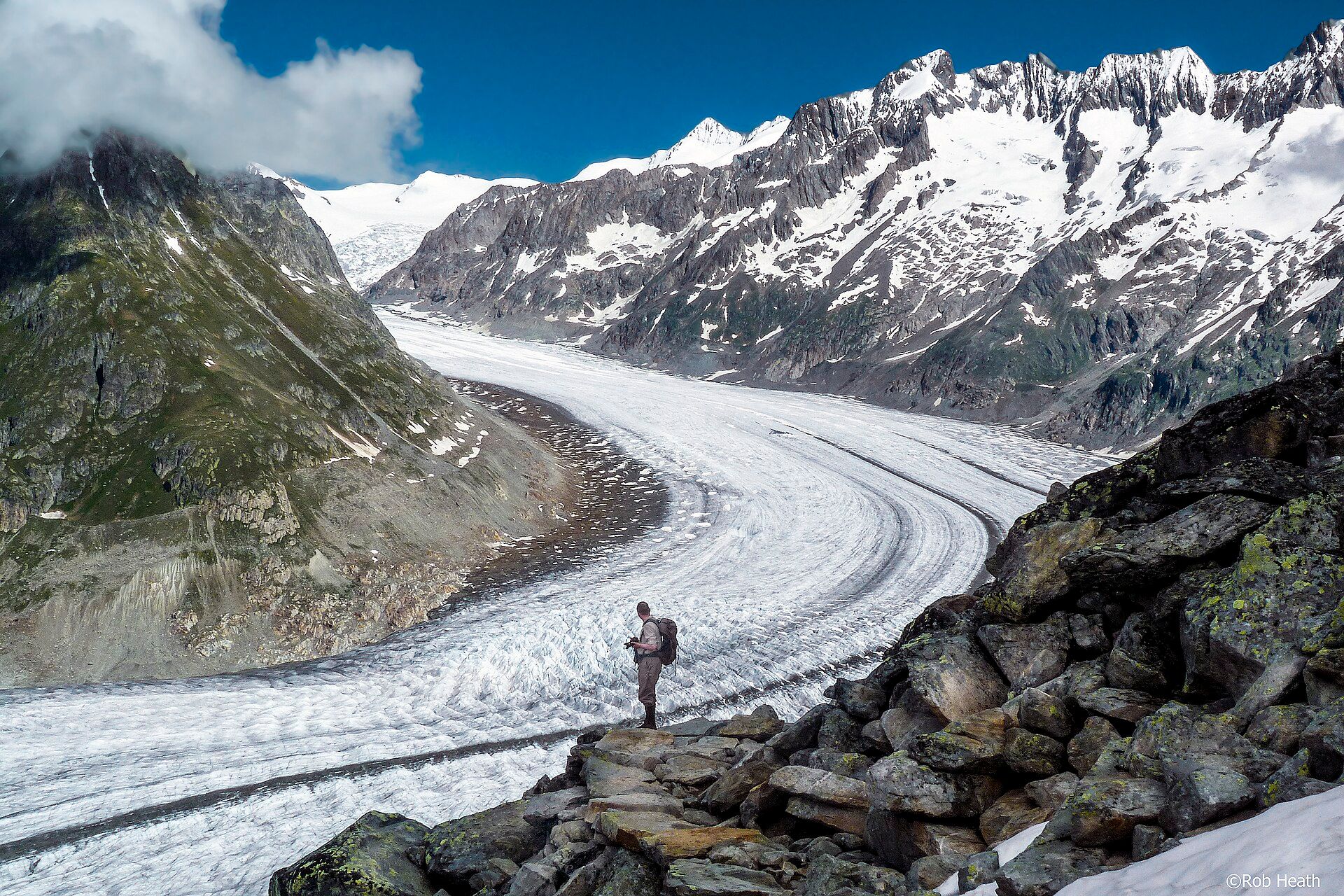
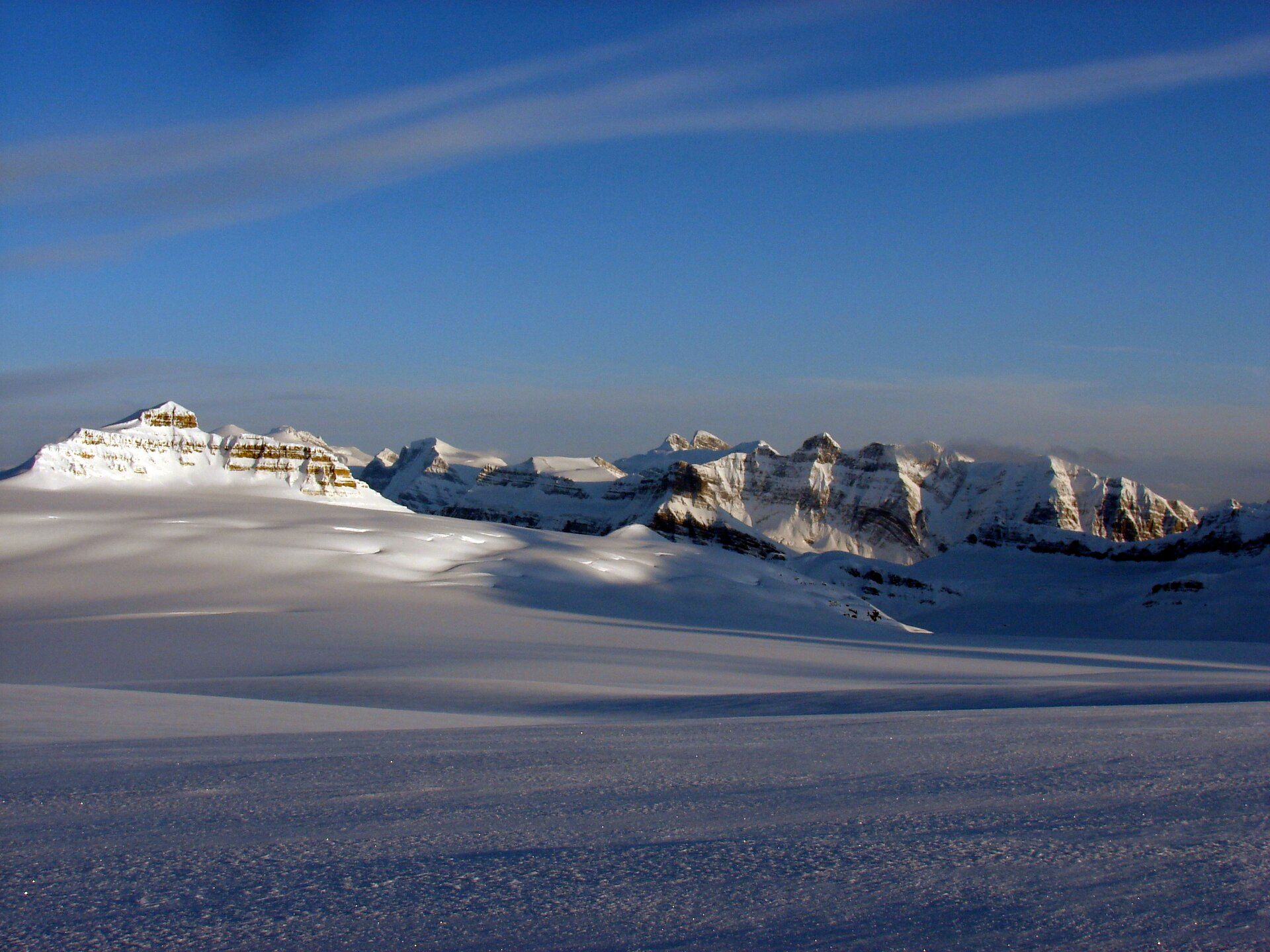
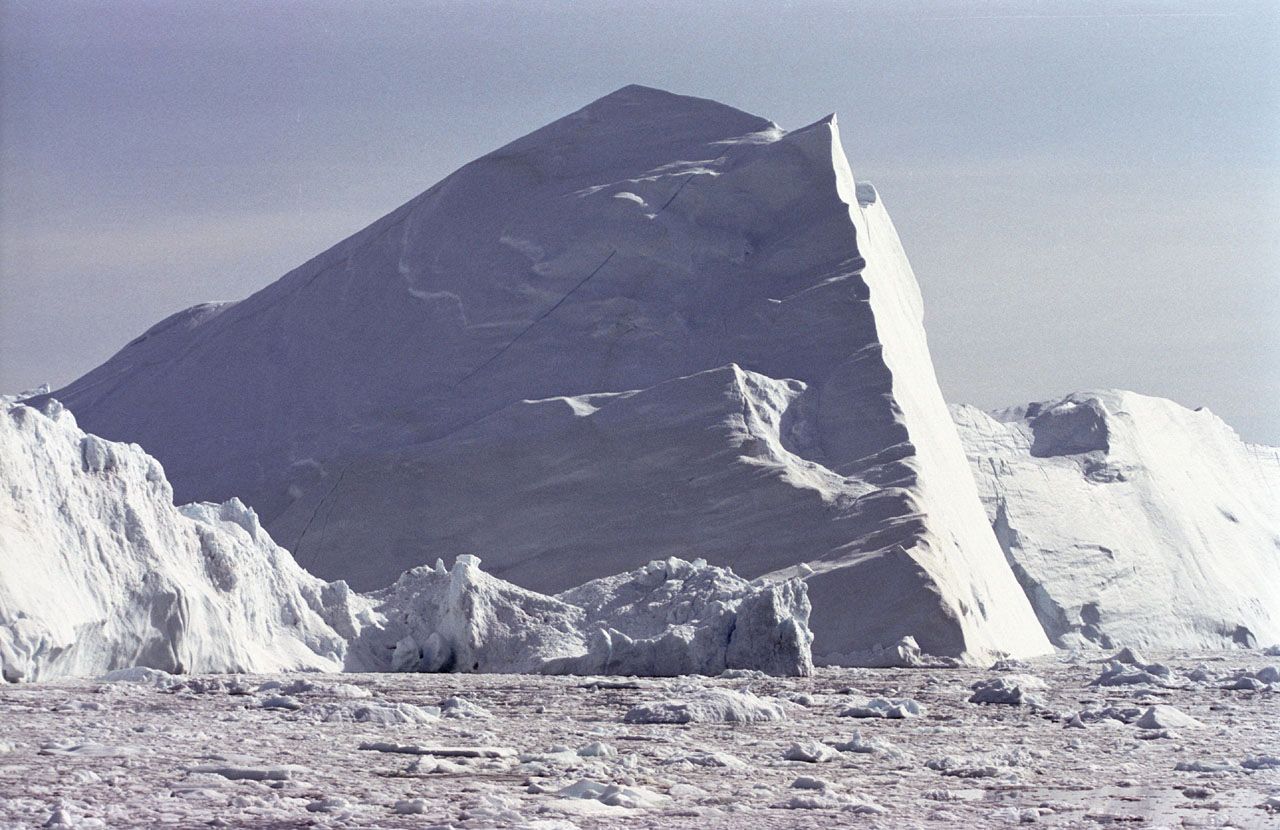
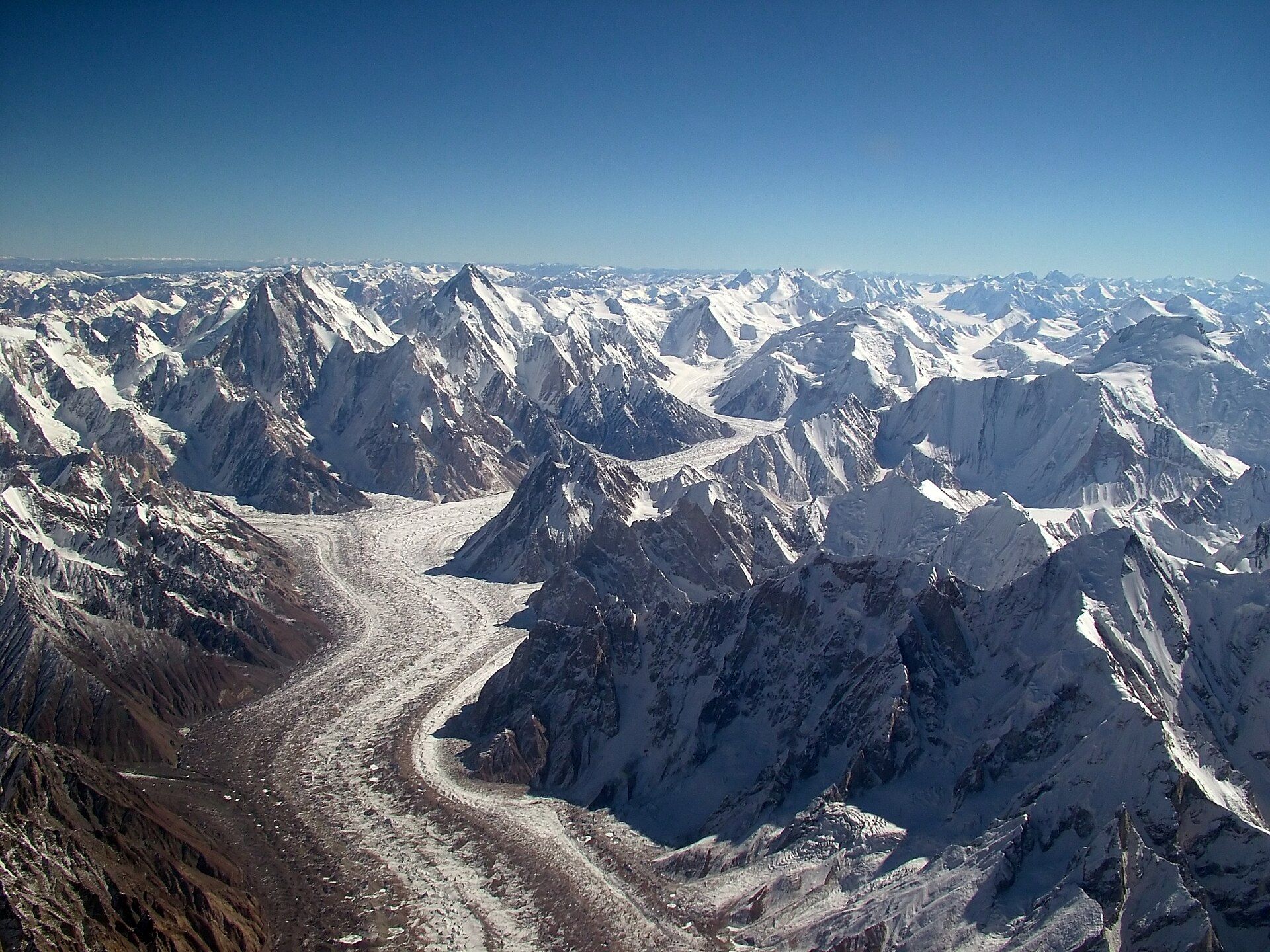
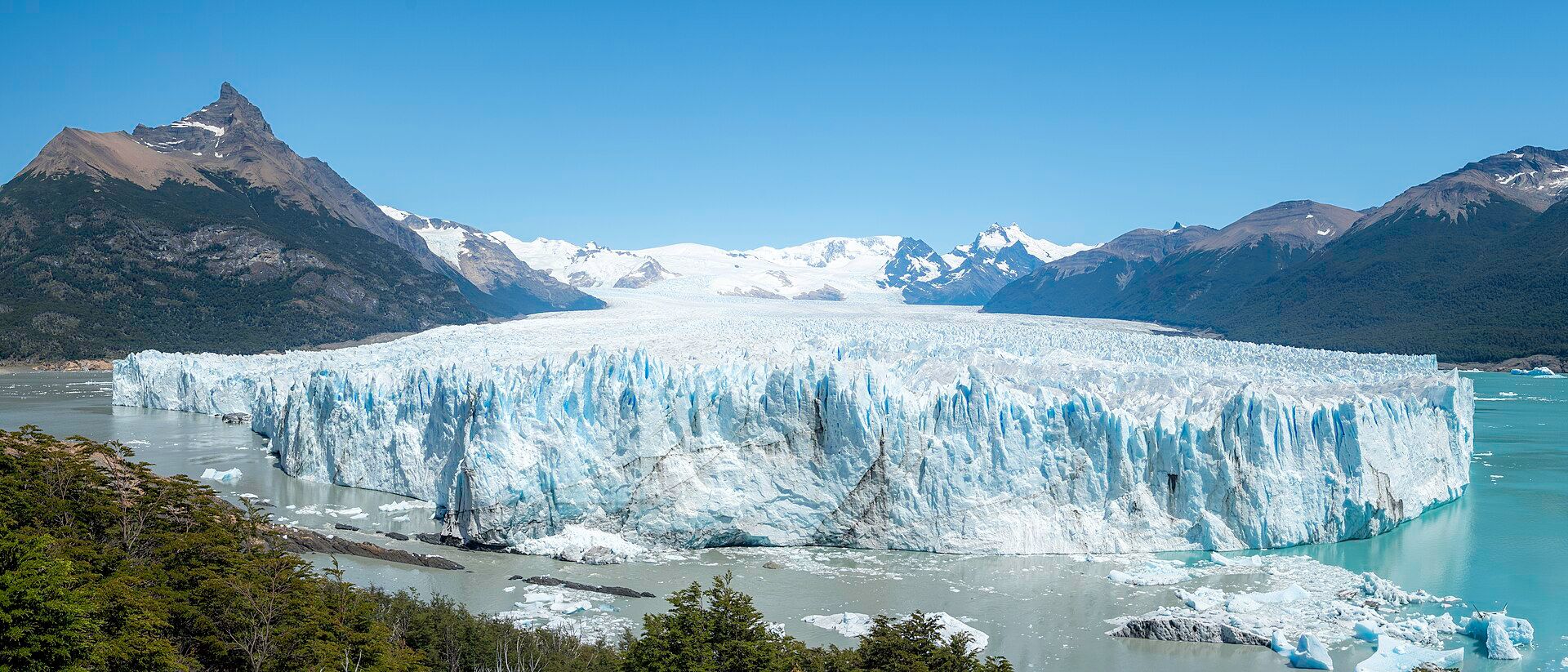
Where to see ice, and what each place teaches. Perito Moreno in Argentina is the great exception people cite: unusually, it has remained roughly in balance while most glaciers shrink, and its 60-metre face calves into the lake in front of boardwalks. Aletsch is the largest in the Alps, and the classic ridge viewpoints let you see twenty kilometres of ice striped with dark medial moraines. Canada’s Columbia Icefield is a rare triple-ocean divide, and the Athabasca Glacier’s tongue reaches almost to the roadside. Ilulissat in Greenland shows an ice sheet actively draining. And in Pakistan, the 62-kilometre Baltoro leads through the greatest concentration of high peaks on the planet.
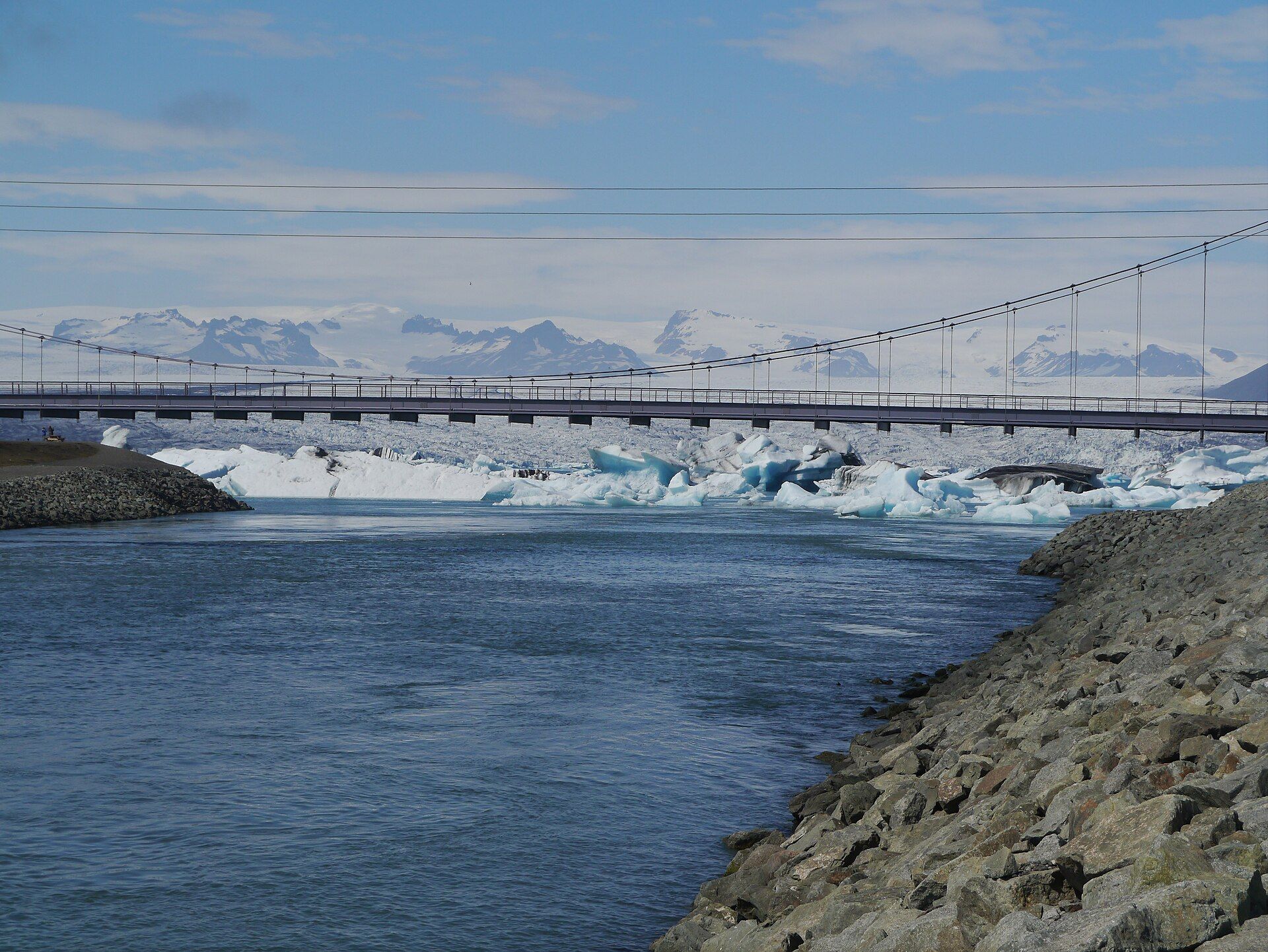
How to read retreat on the ground. Three things give it away. First, trimlines — a band of bare, pale rock along the valley walls above the current ice surface, marking where the glacier used to reach. Second, terminal and lateral moraines stranded well beyond or above the ice today: ridges of debris the glacier bulldozed into place when it was larger. Third, and most telling, new lakes. Jökulsárlón in Iceland is the clearest example anywhere — the lagoon simply did not exist in the early twentieth century. It formed because the glacier pulled back and meltwater filled the hollow it left. Many parks now post dated markers showing where the ice stood in past decades; walking that distance is more persuasive than any chart.
A caveat worth stating plainly. Glaciers advance and retreat for local reasons too — snowfall, valley shape, debris cover — so a single glacier’s behaviour is not by itself a climate signal, which is exactly why Perito Moreno’s stability gets cited in bad-faith arguments. The meaningful evidence is the aggregate: the large majority of monitored glaciers worldwide are losing mass, and several of the places above are measurably smaller than they were a few decades ago.
None of this is a reason for panic-driven travel. But if glaciers are on your list, it’s fair to say the ones you see now will not look quite the same in twenty years — and that going with a guide who can point out the trimlines turns a pretty view into something you actually understand.
Wonders in this article