Akagera National Park
📍 Eastern Province, Rwanda
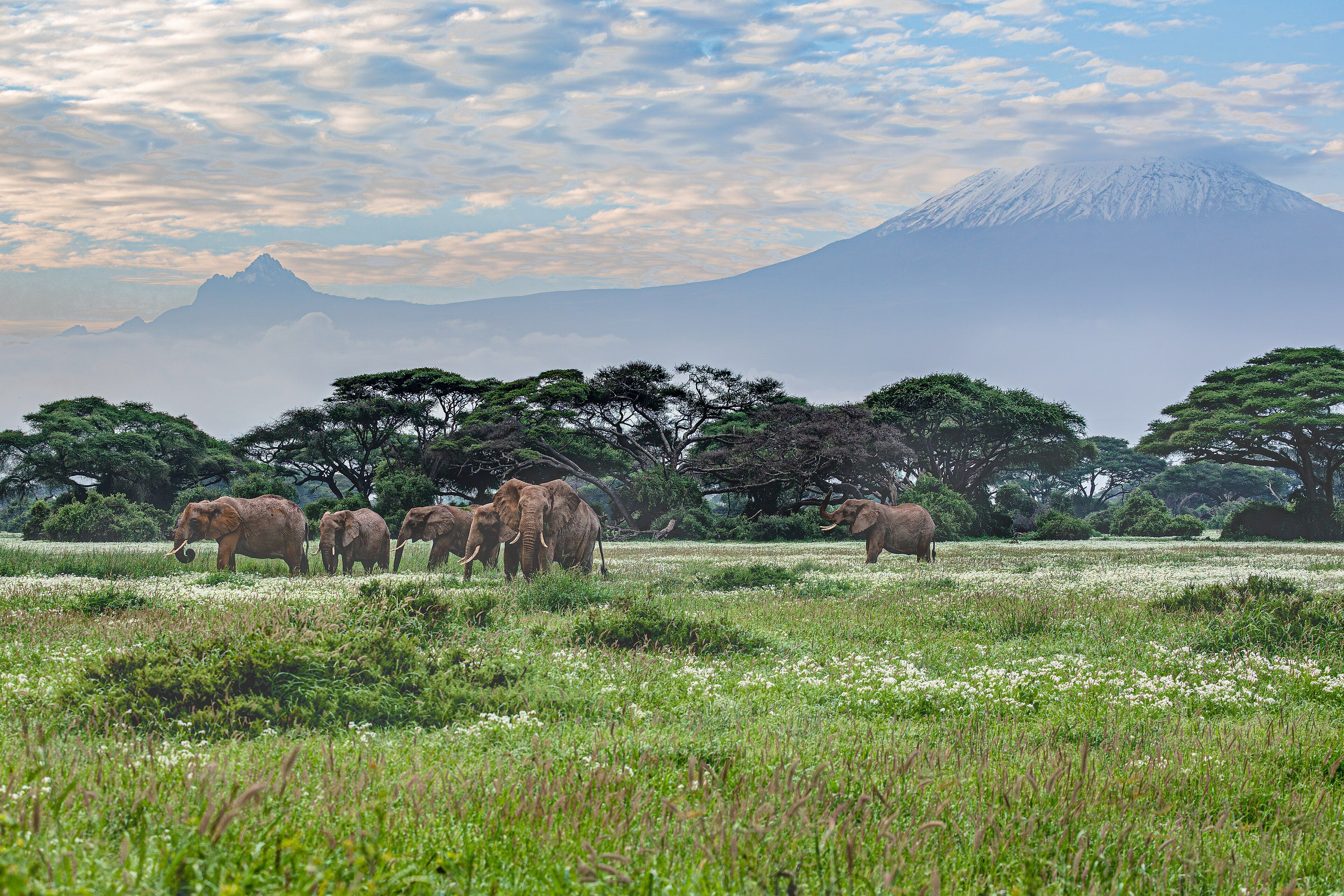
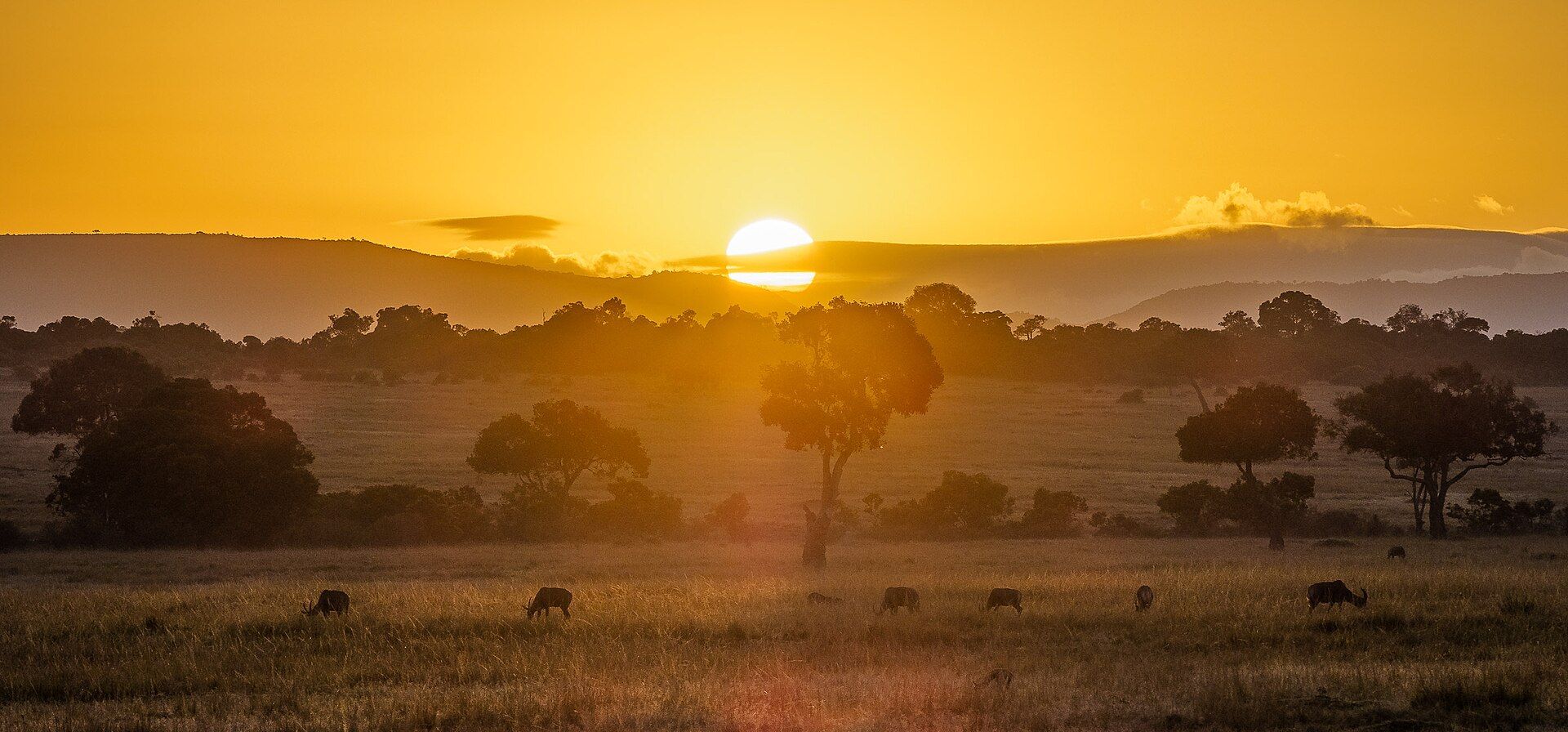
Rwanda's savanna park on the Tanzanian border — a landscape of papyrus swamp, lakes and rolling grassland that lost almost everything, then had lions and rhinos brought back and became the country's only Big Five park.
What makes it marvelous
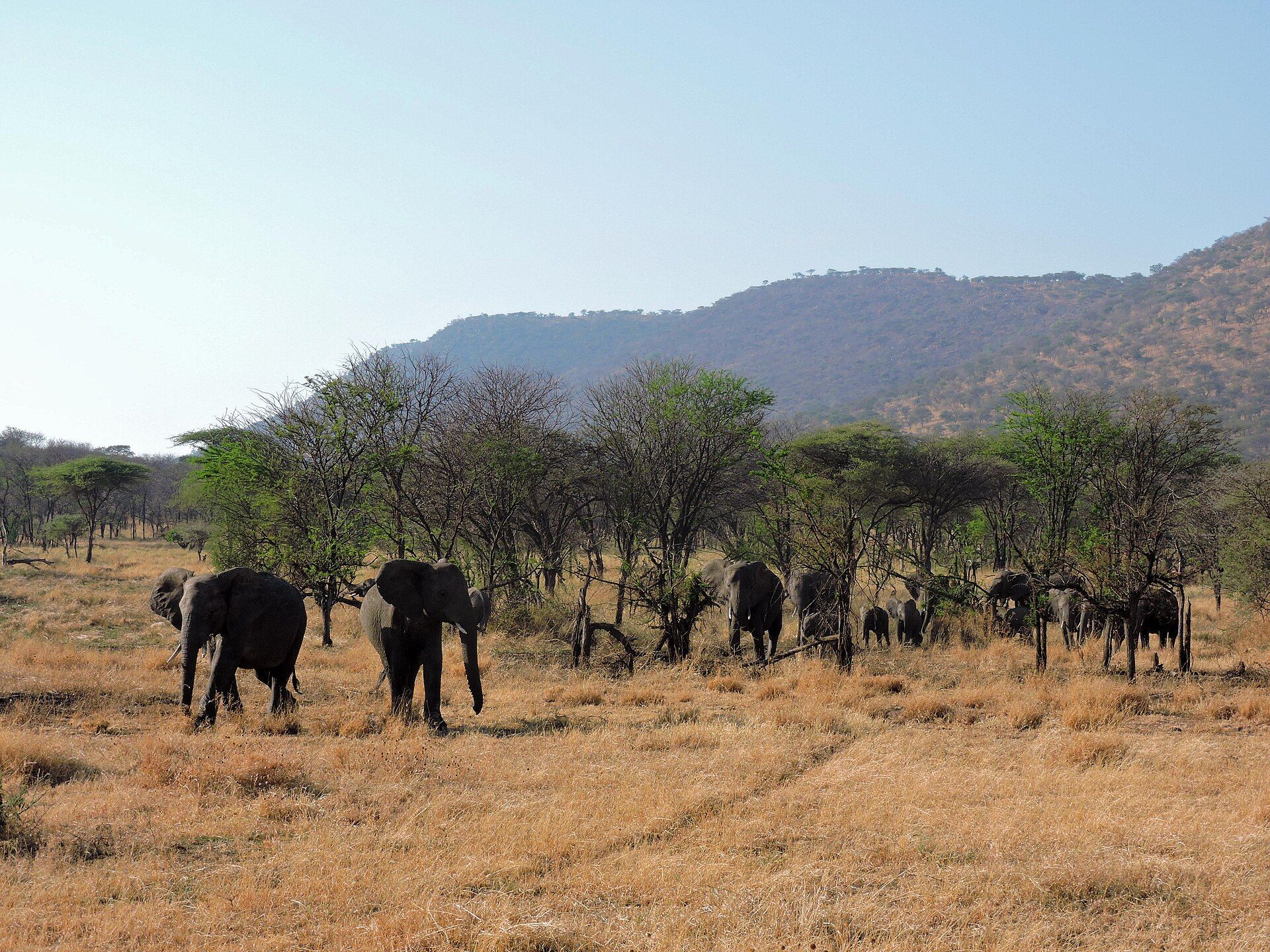
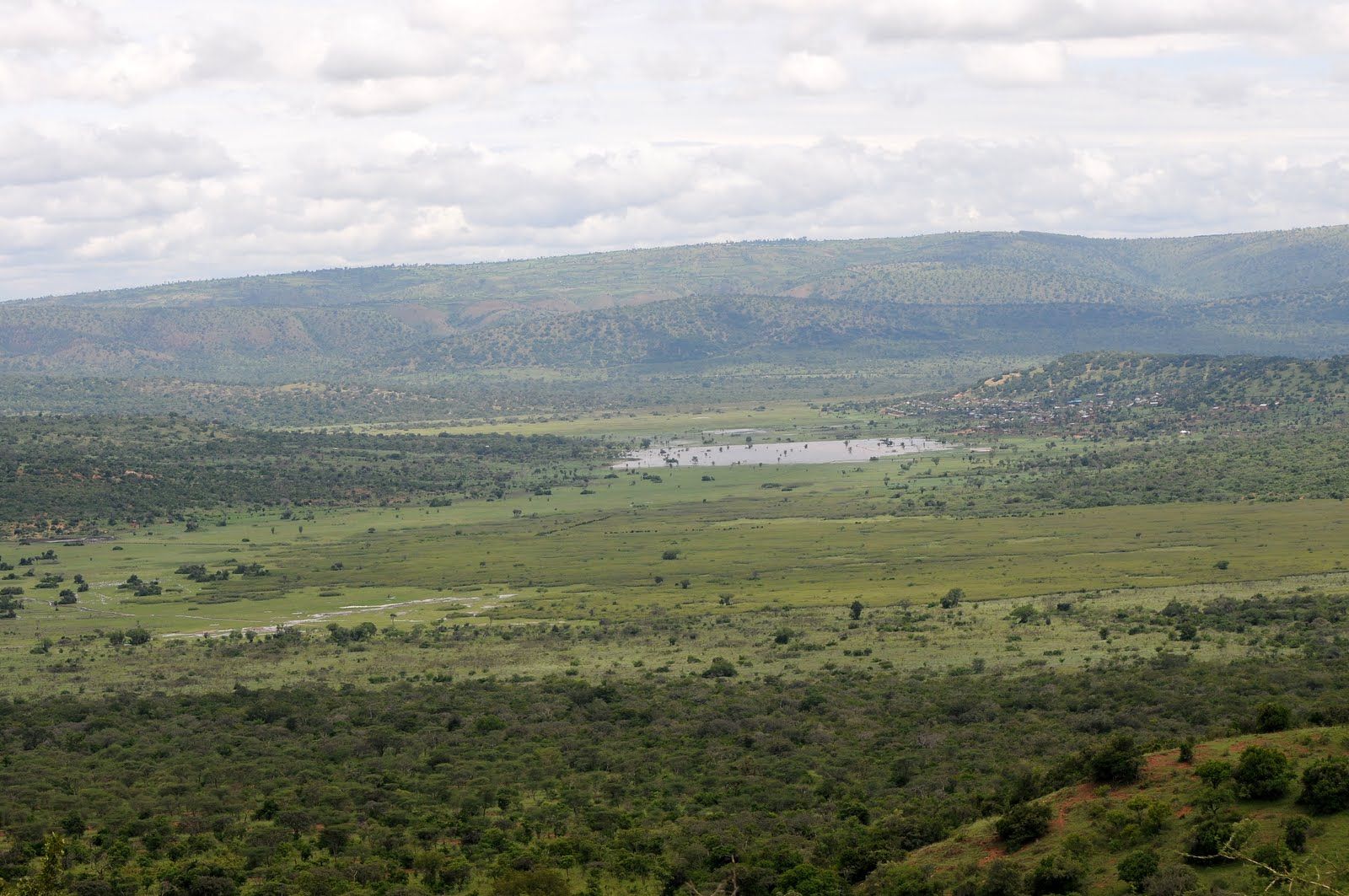
Akagera is a conservation recovery story with a landscape attached. The park is unusually wet for savanna: the Akagera river and a chain of lakes and papyrus swamps run down its eastern side, so open grassland, wooded hills and permanent wetland all sit within a short drive of each other, which is why the bird list runs to hundreds of species. After the events of the 1990s the park lost most of its large wildlife — lions were extirpated entirely, and poaching was severe. Management passed to a partnership between the Rwanda Development Board and African Parks in 2010. Seven lions were reintroduced in 2015, ending an absence of nearly two decades; eastern black rhinos followed in 2017, and southern white rhinos from 2021. Akagera now holds populations of lion, leopard, elephant, rhino and buffalo, making it Rwanda's only Big Five park — a status it did not have fifteen years ago.
Why visit
It completes a Rwandan trip that otherwise runs entirely to forest and volcanoes. A few hours from Kigali you get classic savanna game driving and, unusually, boat trips on Lake Ihema among hippos, crocodiles and waterbirds. It is also far less crowded than the famous East African parks, and the recovery is visible enough that guides can tell you which animals arrived when.
What to know before you go
🗓️ Best time
The drier months — roughly June to September and December to February — concentrate animals near water and make the tracks easier. The wet seasons bring dramatic skies, migrant birds and much greener country, at the cost of muddier driving.
🧭 Getting there & access
About 2.5 to 3 hours by road east from Kigali to the southern Kiyonza gate. Self-driving is permitted with a high-clearance vehicle, though park guides can be hired at the gate and are recommended. Entry fees, boat trips and night drives are all booked through the park.
Good to know
- Take the Lake Ihema boat trip — it is the best hippo and waterbird viewing in the country.
- Hire a park guide at the gate; they know where the lions and rhinos have been moving.
- A high-clearance vehicle is genuinely needed, especially in the wet season.
- Pair it with the gorilla parks in the west for a trip covering both halves of Rwanda.
Plan your visit
Easy🧭 Getting there
From Kigali (KGL), Rwanda
- Fly into Kigali
- Drive 2.5–3 hours east to the Kiyonza gate
- Game drive the southern lakes and central plains
- Take the Lake Ihema boat trip in the late afternoon
- Total travel
- Half a day from Kigali
- Time at site
- 2–3 days to cover both the southern lakes and the northern plains
- Access
- Park entry fees are charged per person per day, with additional fees for boat trips, night drives and guides. Self-drive is allowed with suitable vehicles; guides are hired at the gate. Book accommodation inside the park well ahead in high season.
🎒 What to bring & consider
- A high-clearance vehicle, or a booked guided drive — ordinary cars struggle
- Binoculars, since much of the game viewing is at distance across open country
- Malaria precautions, which apply at this altitude in the east
- Cash or card for park fees, plus small notes for guide tips
- Neutral clothing and sun protection for open vehicles
👁️ What to expect
- Crowds
- Very light compared with the Serengeti or Mara — you will often have a sighting to yourself.
- Conditions
- Warm days, cool nights, dusty in the dry season and muddy in the wet. Long hours on rough tracks.
- Facilities
- Lodges and campsites inside the park, a visitor centre at the southern gate, and fuel back toward Kayonza.
- The view
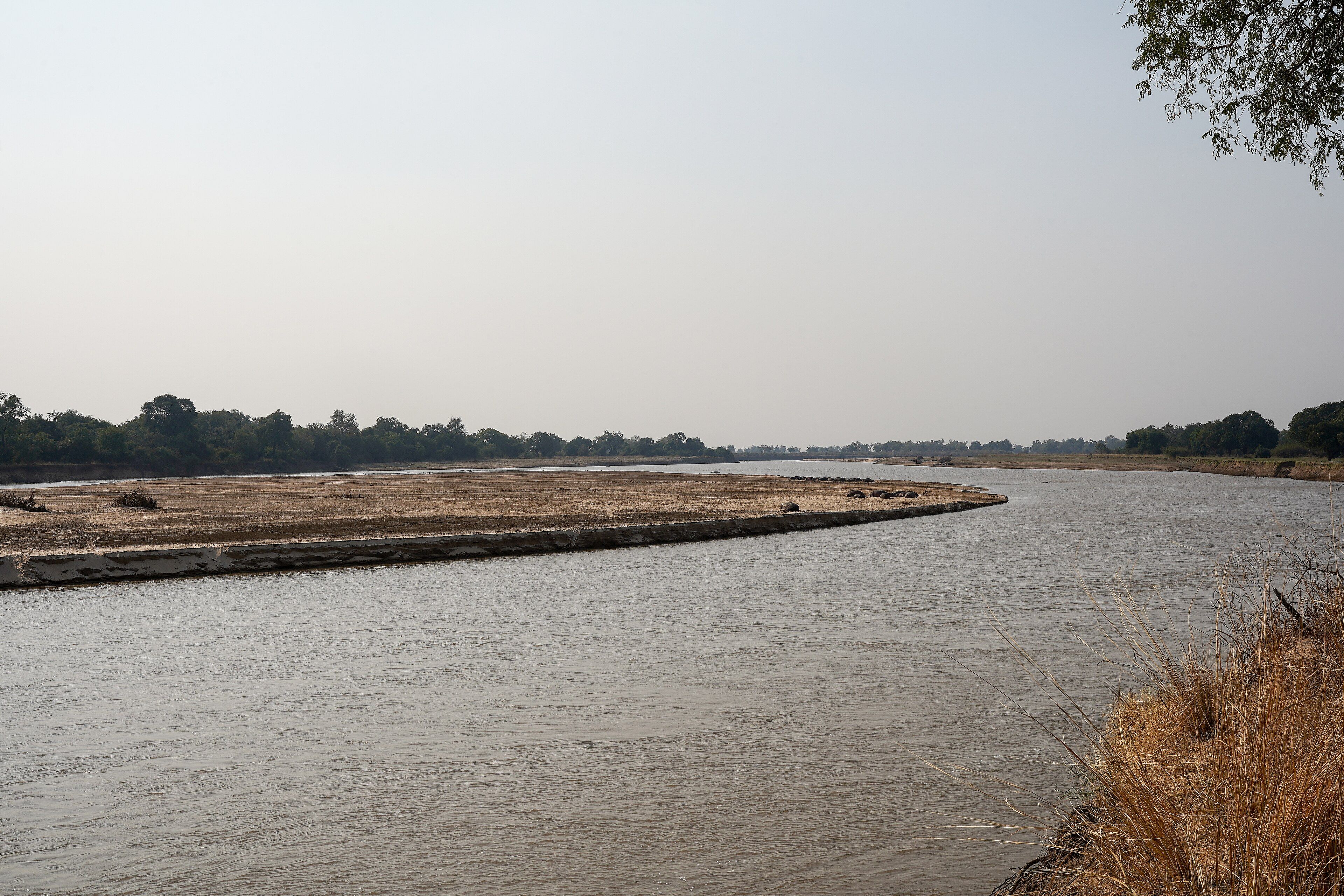
- Early light over Lake Ihema with hippos surfacing, or giraffe on the ridgelines above the lakes.
Times and requirements are approximate and change with season, weather, and local rules — confirm permits, fares, and schedules with operators before you travel.
Natural riches of the area
- The Akagera river system with a chain of lakes and papyrus swamps
- Rolling savanna and wooded hills across roughly 1,100 km²
- Reintroduced lion, eastern black rhino and southern white rhino populations
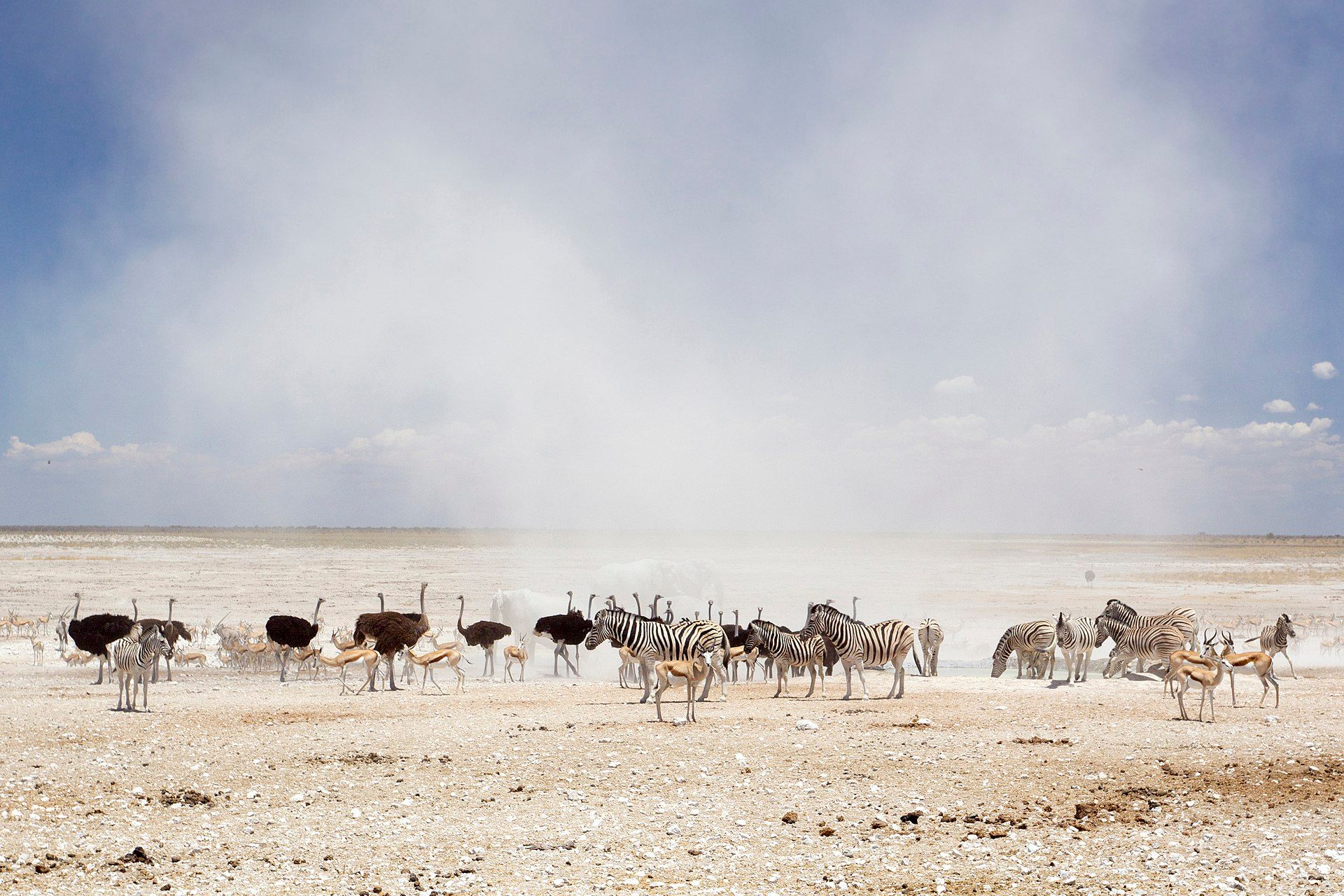
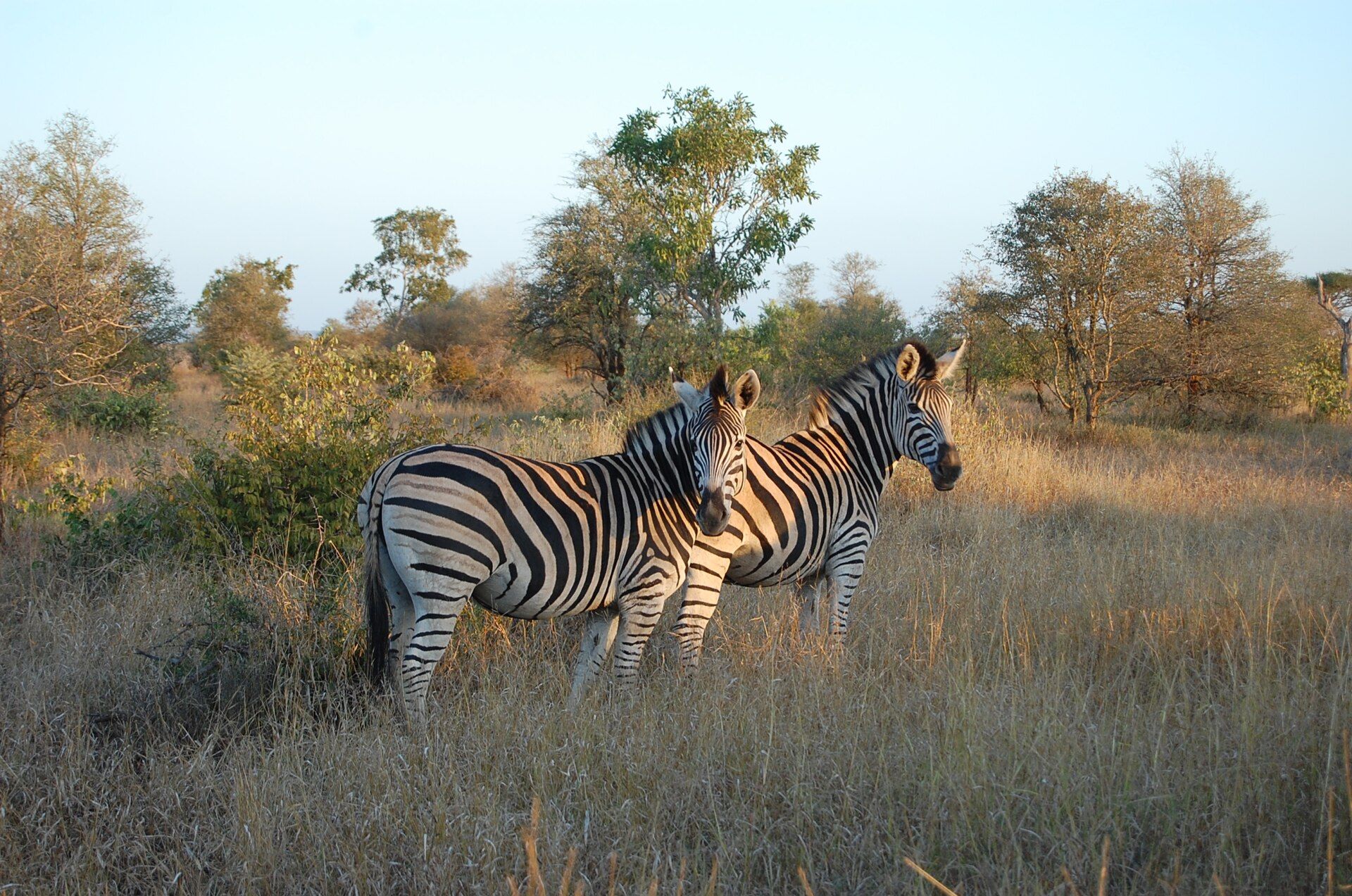
- Elephant, buffalo, leopard, zebra, giraffe and large antelope herds
- Several hundred bird species, including papyrus-swamp specialists
Local food
- Brochettes
- Skewered grilled goat or beef, the standard roadside meal across Rwanda.
- Isombe
- Cassava leaves pounded and cooked slowly with groundnuts.
- Tilapia from the lakes
- Freshwater fish grilled or fried, served near the eastern lakes.
- Rwandan coffee and tea
- Grown on the hills west of the park and among Africa's finest.
Akagera is the part of Rwanda that looks nothing like the rest of it. West of Kigali the country is forest and volcanoes; here on the Tanzanian border it opens into savanna, and an unusually wet savanna at that — the Akagera river feeds a chain of lakes and papyrus swamps down the eastern boundary, so grassland, woodland and permanent wetland all sit within a few kilometres of one another. That mix is why the bird list runs into the hundreds and why the park has hippo and crocodile viewing to rival its game drives.
It nearly did not survive. After the upheavals of the 1990s the park lost most of its large animals; lions disappeared from Rwanda entirely and poaching was heavy. In 2010 management moved to a partnership between the Rwanda Development Board and African Parks, and the reintroductions followed: seven lions in 2015, eastern black rhinos in 2017, southern white rhinos from 2021. Akagera today holds lion, leopard, elephant, rhino and buffalo — Rwanda’s only Big Five park, and a status it simply did not have fifteen years ago. The animals are genuinely wild and the park is genuinely quiet, which is an increasingly rare combination in East Africa.
Akagera National Park: common questions
How do you get to Akagera National Park?
From Kigali (KGL), Rwanda: Fly into Kigali; Drive 2.5–3 hours east to the Kiyonza gate; Game drive the southern lakes and central plains; Take the Lake Ihema boat trip in the late afternoon. Total travel time: Half a day from Kigali.
When is the best time to visit Akagera National Park?
The drier months — roughly June to September and December to February — concentrate animals near water and make the tracks easier. The wet seasons bring dramatic skies, migrant birds and much greener country, at the cost of muddier driving.
How long should you spend at Akagera National Park?
2–3 days to cover both the southern lakes and the northern plains. Total travel time: Half a day from Kigali.
What should you bring to Akagera National Park?
A high-clearance vehicle, or a booked guided drive — ordinary cars struggle Binoculars, since much of the game viewing is at distance across open country Malaria precautions, which apply at this altitude in the east Cash or card for park fees, plus small notes for guide tips Neutral clothing and sun protection for open vehicles
Do you need a permit or guide for Akagera National Park?
Park entry fees are charged per person per day, with additional fees for boat trips, night drives and guides. Self-drive is allowed with suitable vehicles; guides are hired at the gate. Book accommodation inside the park well ahead in high season.
Is Akagera National Park crowded, and what are conditions like?
Very light compared with the Serengeti or Mara — you will often have a sighting to yourself. Warm days, cool nights, dusty in the dry season and muddy in the wet. Long hours on rough tracks. Facilities: Lodges and campsites inside the park, a visitor centre at the southern gate, and fuel back toward Kayonza.
Added