Head to head · South Korea's great mountains
Seoraksan vs Jirisan: Which Korean National Park Should You Hike?
Seoraksan and Jirisan are South Korea's two most celebrated mountain national parks, and both are at their most famous in autumn. They reward very different kinds of trip.
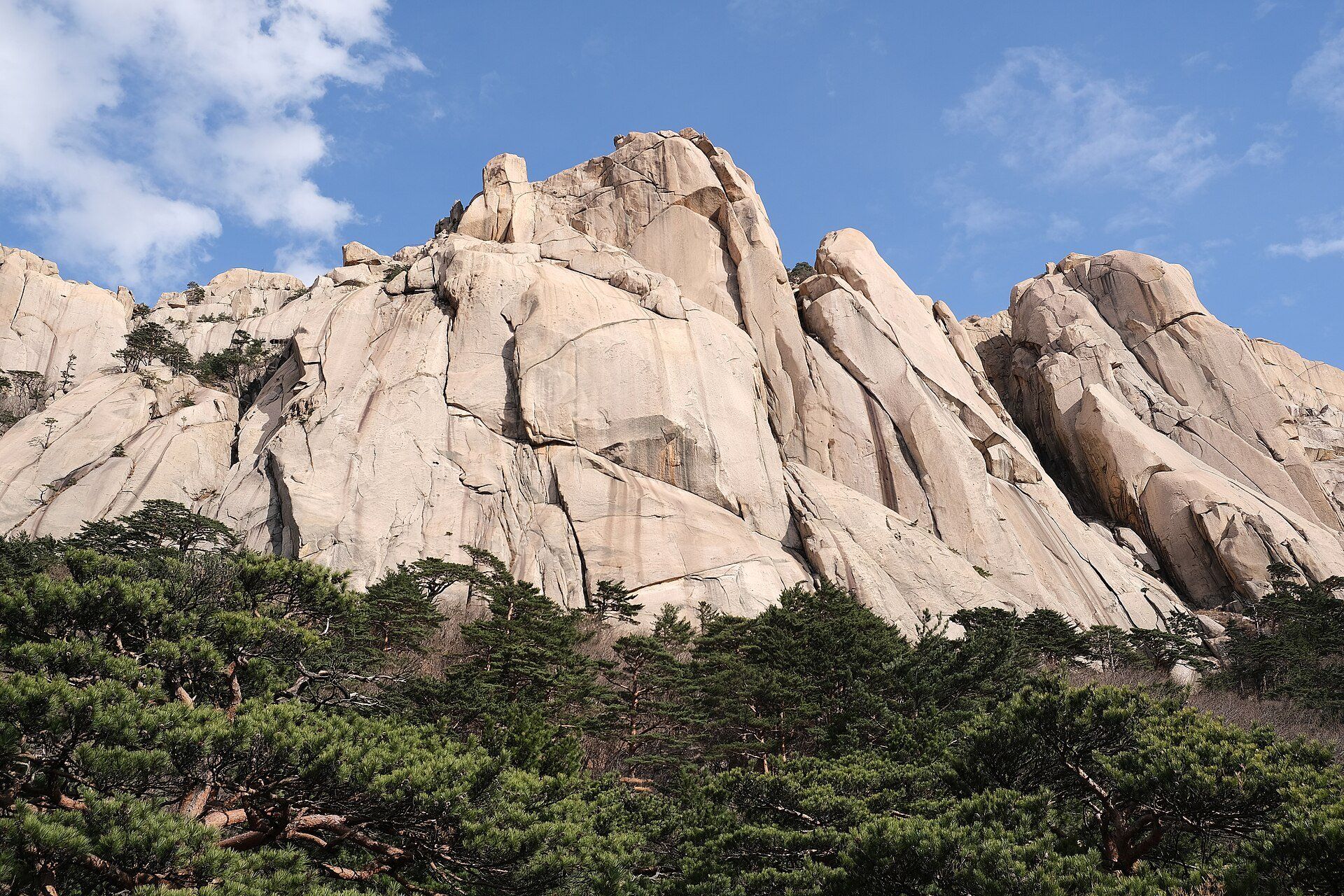
Seoraksan, near the east coast, is all pale granite — around thirty sharp peaks, the sheer cliffs of Ulsanbawi and a cable car. Jirisan, in the south, is a vast forested massif: South Korea's first national park, crowned by Cheonwangbong, the highest peak on the Korean mainland, and best known for its multi-day ridge walk.
Seoraksan
The granite showpiece
About 398 km² of the Taebaek Mountains near Sokcho, with some thirty granite peaks rising to Daecheongbong at 1,708 m and the cliffs of Ulsanbawi standing some 200 m above the forest. A national park since 1970 and Korea's first UNESCO Biosphere Reserve (1982).
- Dramatic granite towers on short walks from the Sogongwon entrance
- A cable car to a rocky summit in about ten minutes
- Famous autumn colour, usually peaking around mid-October
Jirisan
The great ridge walk
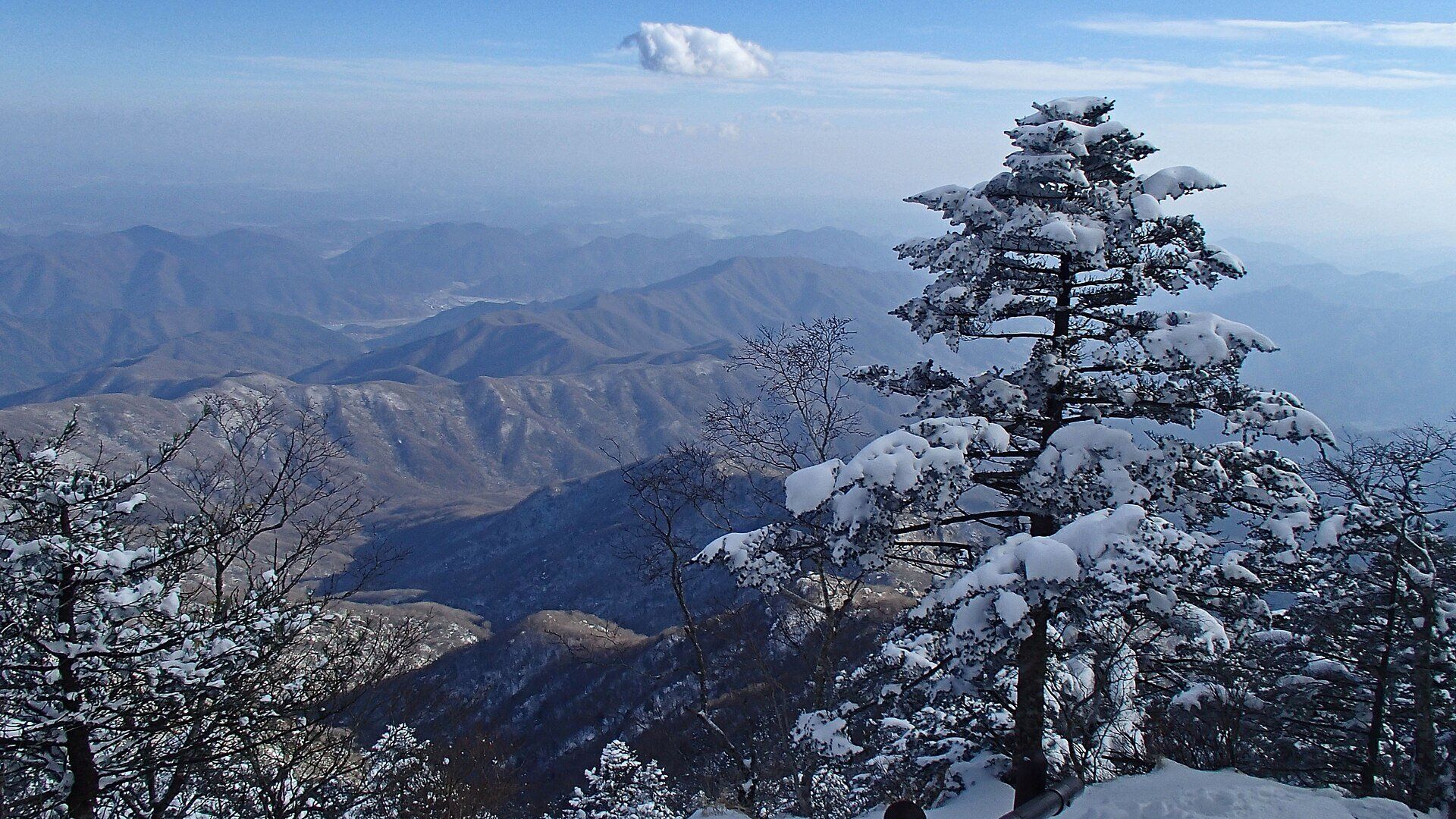
South Korea's first national park (December 1967) and its largest mountain park, spread across three provinces. Around twenty peaks rise above 1,500 m, led by Cheonwangbong at 1,915 m, and the park is home to Asiatic black bears restored to the wild since 2004.
- The highest peak on the Korean mainland
- A classic two-to-three-day main-ridge traverse using mountain shelters
- Wilder, bigger country with restored wild bears
Head to head
| What matters | Seoraksan | Jirisan |
|---|---|---|
| The scenery Edge: Toss-up | Sharp: pale granite pinnacles and cliffs above deep forested valleys, with glimpses of the East Sea. | Expansive: long forested ridges and ridge after ridge of blue mountains fading to the horizon. |
| Height Edge: Jirisan | Daecheongbong, 1,708 m. | Cheonwangbong, 1,915 m — the highest point on the Korean mainland. |
| Day hikes and easy options Edge: Seoraksan | Ulsanbawi is about two hours up from Sogongwon, and the Gwongeumseong cable car needs no hiking at all. | Single peaks make long days; the park is best known for multi-day ridge walking rather than short visits. |
| Multi-day hiking Edge: Jirisan | Routes to Daecheongbong are long, strenuous days that often include an overnight stay. | The main-ridge traverse over two or three days, sleeping in shelters that must be booked in advance with the Korea National Park Service. |
| Getting there from Seoul Edge: Toss-up | Express buses from Seoul to Sokcho, then city bus 7 to the Seorak-dong entrance. | KTX from Seoul Yongsan to Guryegu Station (around two and a half hours) for the western side; intercity bus via Jinju for the east. |
| Crowds Edge: Toss-up | Very busy in October and on summer weekends; weekdays in spring are much quieter. | Trails and shelters fill up in autumn; quieter on weekdays outside the foliage season. |
Which should you choose?
Choose Seoraksan if…
…you want spectacular granite scenery on a short trip, with easy options such as the cable car and a base by the sea in Sokcho.
Choose Jirisan if…
…you want a real mountain journey — days on the ridge, the mainland's highest summit and a wilder park.
The honest verdict
For a first visit or a weekend from Seoul, choose Seoraksan: its granite towers are close to the entrance and the cable car makes the views easy.
For a proper trek, choose Jirisan. Its main ridge is Korea's great multi-day walk — book the shelters early, especially in autumn.
Either way, autumn is peak season: book transport and accommodation well ahead for October weekends, and check trail closures with the Korea National Park Service before you go.
Wonders mentioned here
Jirisan National Park
Sobaek Mountains, spanning South Jeolla, North Jeolla and South Gyeongsang provinces, South Korea, near Gurye, Namwon and Hamyang
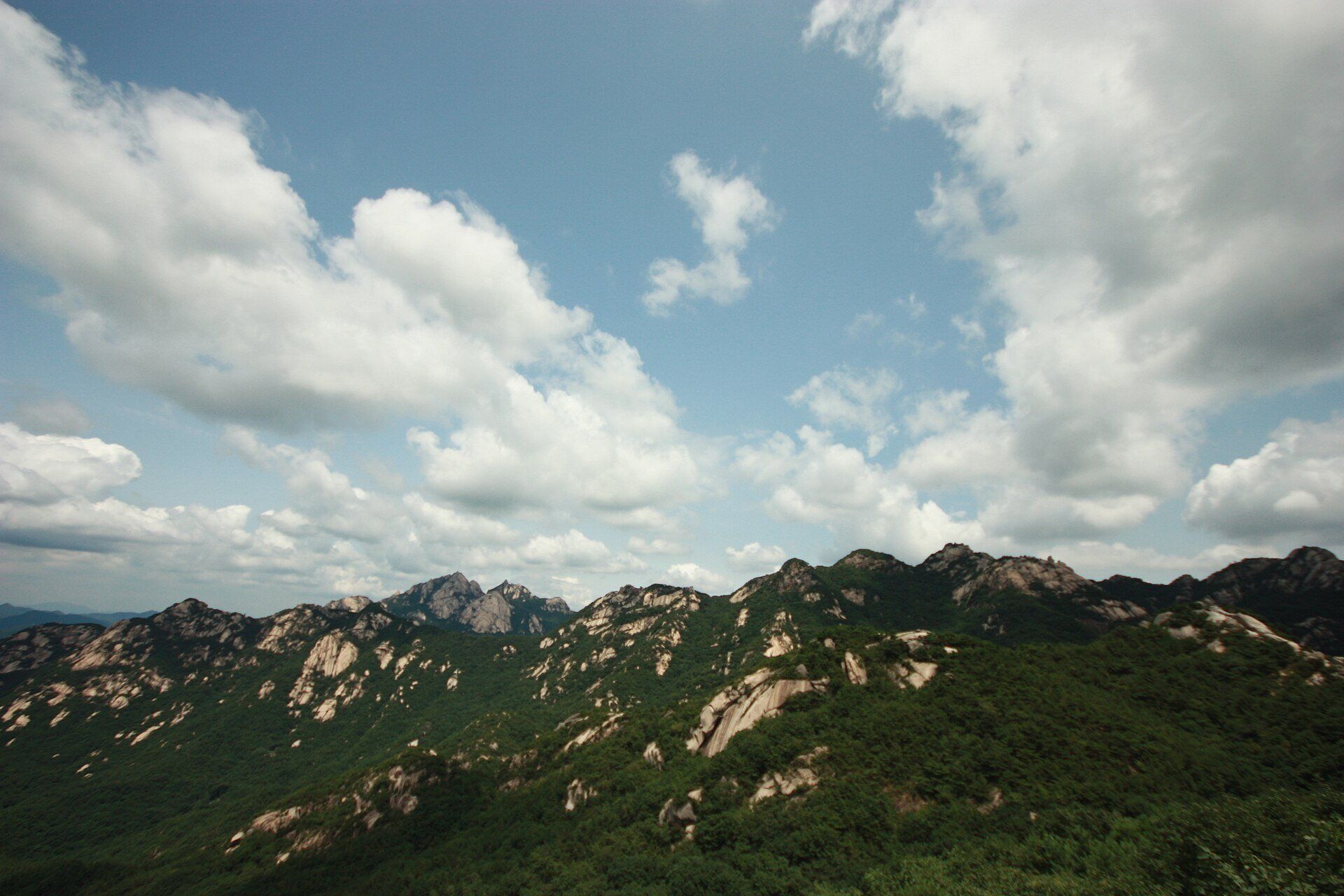
Bukhansan National Park
Northern edge of Seoul and Gyeonggi Province, South Korea
Added