Places · Costa Rica

Natural Wonders of Costa Rica: The 4 Most Beautiful Places to Visit

4 places in the atlas

Costa Rica sits on a volcanic spine between the Caribbean and the Pacific, and though it covers a tiny fraction of the Earth's land, it holds an estimated 5% of the world's species. Young volcanoes like the classically conical Arenal rise above rainforest and hot springs, while high on the Continental Divide, mist feeds the extraordinary Monteverde cloud forest, its canopy draped in orchids and alive with quetzals and hummingbirds. Costa Rica has become a global byword for ecotourism and reforestation. Below are the 4 natural wonders of Costa Rica in the atlas — the most beautiful places to build a trip around, each with what makes it remarkable, when to go, and how to reach it. Best overall time: The drier season (roughly December–April) for the clearest volcano views and easier trails; the rainforest is green and alive year-round.
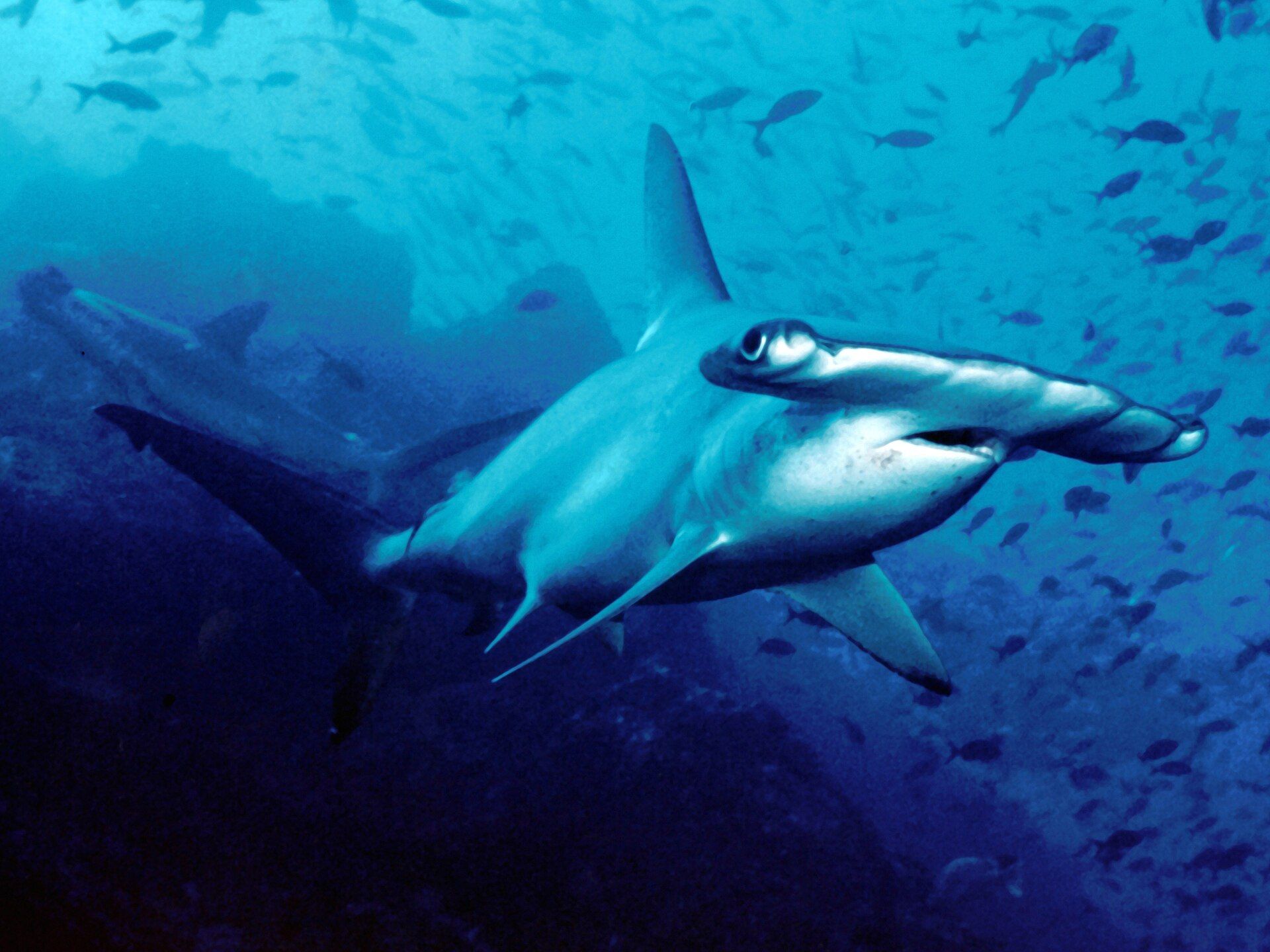
Cocos Island, Pacific Ocean, 550 km off Costa Rica

Cocos Island

Pacific Ocean, 550 km off Costa Rica

A rainforest island alone in the Pacific, ringed by waters where hammerhead sharks school in their hundreds — often called the finest big-animal dive site on Earth.

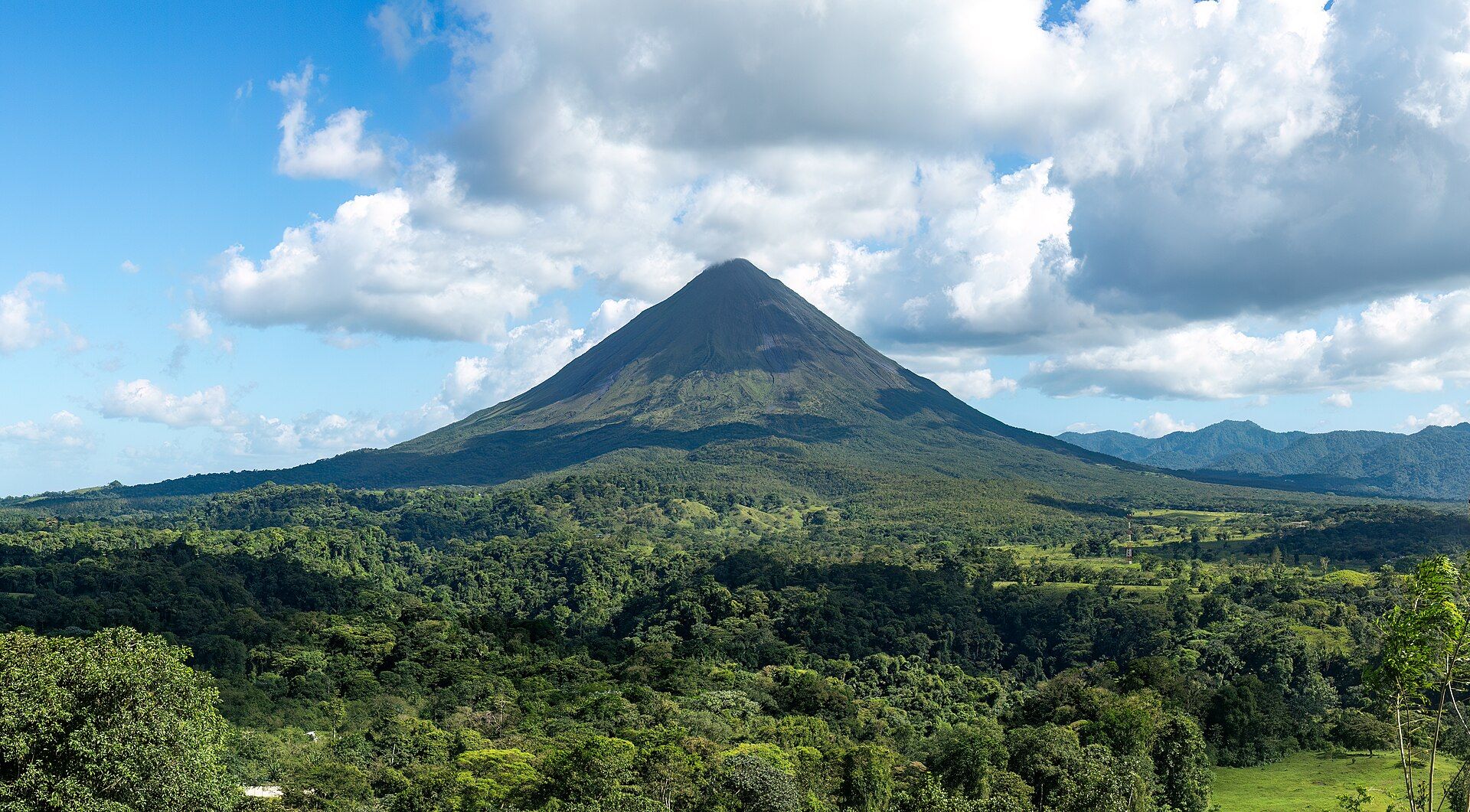
Arenal Volcano, Alajuela, northern Costa Rica

Arenal Volcano

Alajuela, northern Costa Rica

A near-perfectly conical volcano rising above the rainforests of northern Costa Rica — for decades one of the world's most active, now resting, surrounded by hot springs, waterfalls, and abundant wildlife.

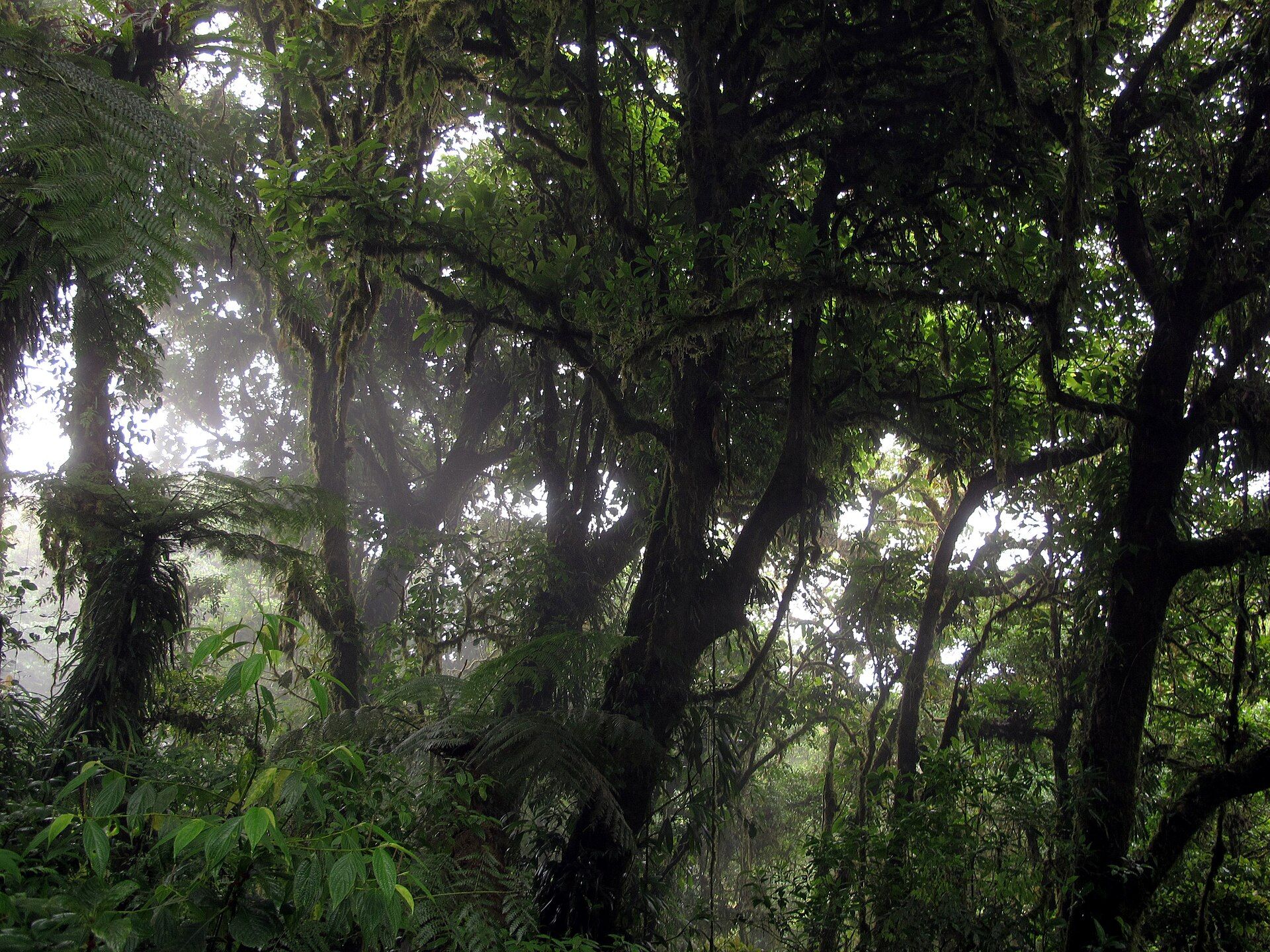
Monteverde Cloud Forest, Puntarenas / Alajuela, Cordillera de Tilarán, Costa Rica

Monteverde Cloud Forest

Puntarenas / Alajuela, Cordillera de Tilarán, Costa Rica

A misty mountaintop cloud forest dripping with life — where clouds snag on the ridge and feed a green world of orchids, epiphytes, and rare wildlife, from the resplendent quetzal to hundreds of bird species.

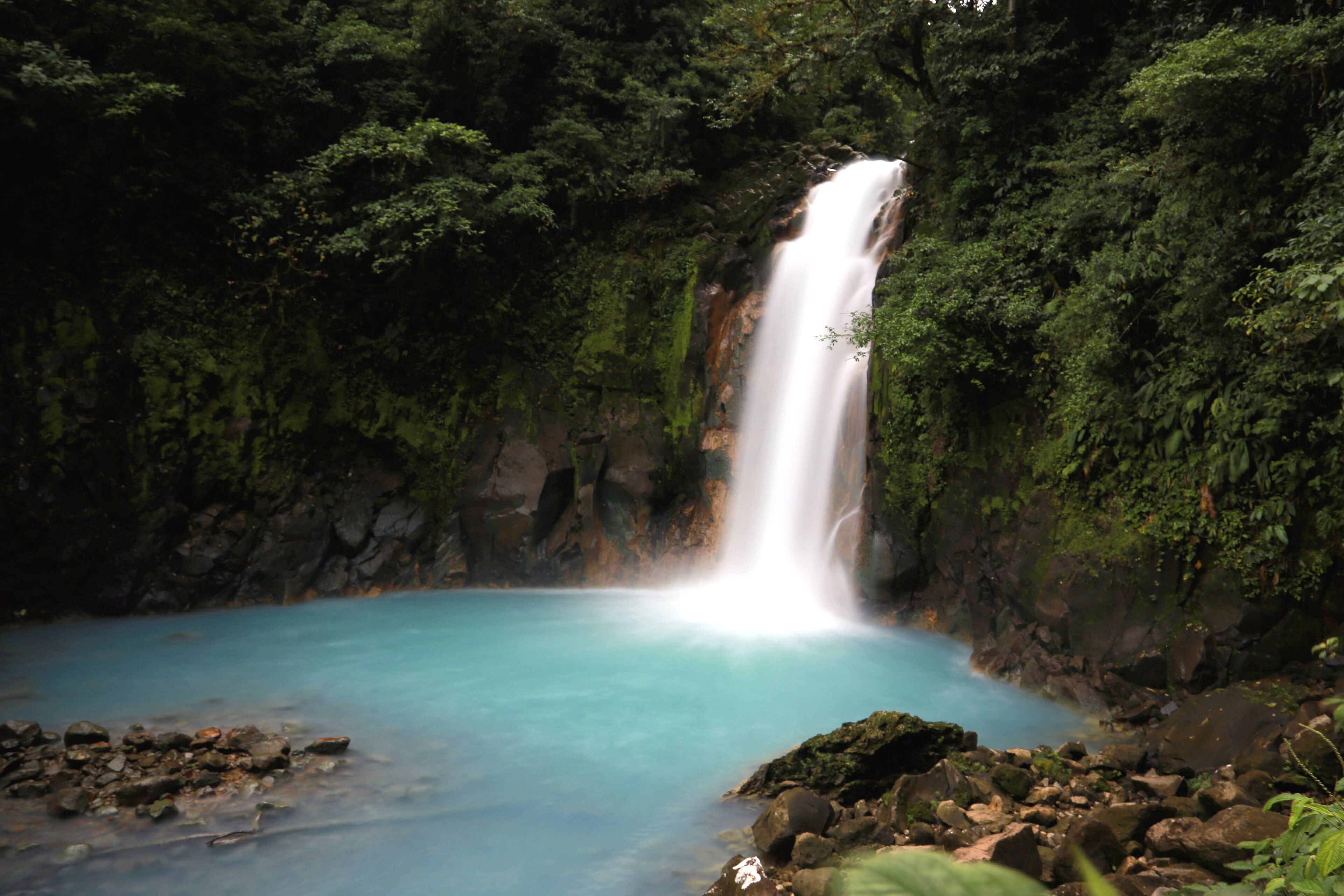
Río Celeste, Tenorio Volcano National Park, Guanacaste, Costa Rica

Río Celeste

Tenorio Volcano National Park, Guanacaste, Costa Rica

A river in the Costa Rican rainforest that turns an improbable sky blue at the exact point two clear streams meet — a colour produced by light scattering off suspended particles, not by any dissolved pigment.