Head to head · Tanzania's crater vs its endless plain
Ngorongoro vs Serengeti: Which Tanzania Safari Stop (and Do You Need Both)?
Ngorongoro and the Serengeti are neighbours in northern Tanzania, and most safaris that reach one pass through the other: the road from Arusha to the Serengeti climbs through the Ngorongoro highlands on the way. So the real question is rarely either/or — it is how many days each deserves.
They are very different places. Ngorongoro is a sealed volcanic bowl, about 20 kilometres across and 600 metres deep, whose animals mostly stay put all year. The Serengeti is open grassland on a vast scale, where well over a million wildebeest, with zebra and gazelle, are always on the move.
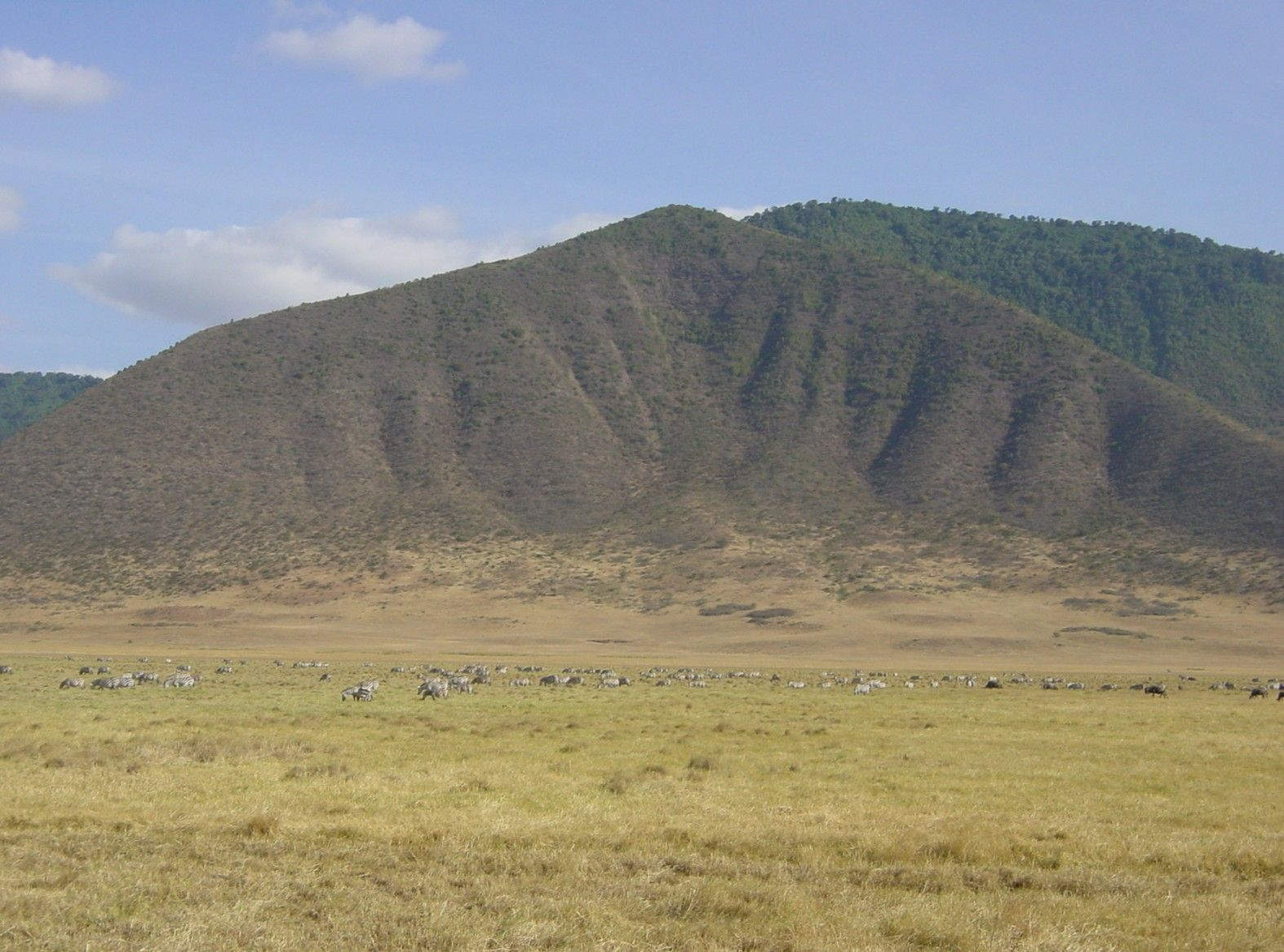
Ngorongoro Crater
A wildlife-filled caldera, seen in a day
Two to three million years ago a large volcano erupted and collapsed into itself, leaving the largest intact, unflooded caldera on Earth. Its floor of grassland, forest, swamp and a soda lake supports lions, elephants, buffalo, hippos, flamingos and one of the best chances anywhere to see the critically endangered black rhino. Maasai herders still graze cattle in the wider conservation area.
- High wildlife density in a small, enclosed area
- One of the surest places to look for black rhino
- Wildlife is resident year-round, so timing matters less
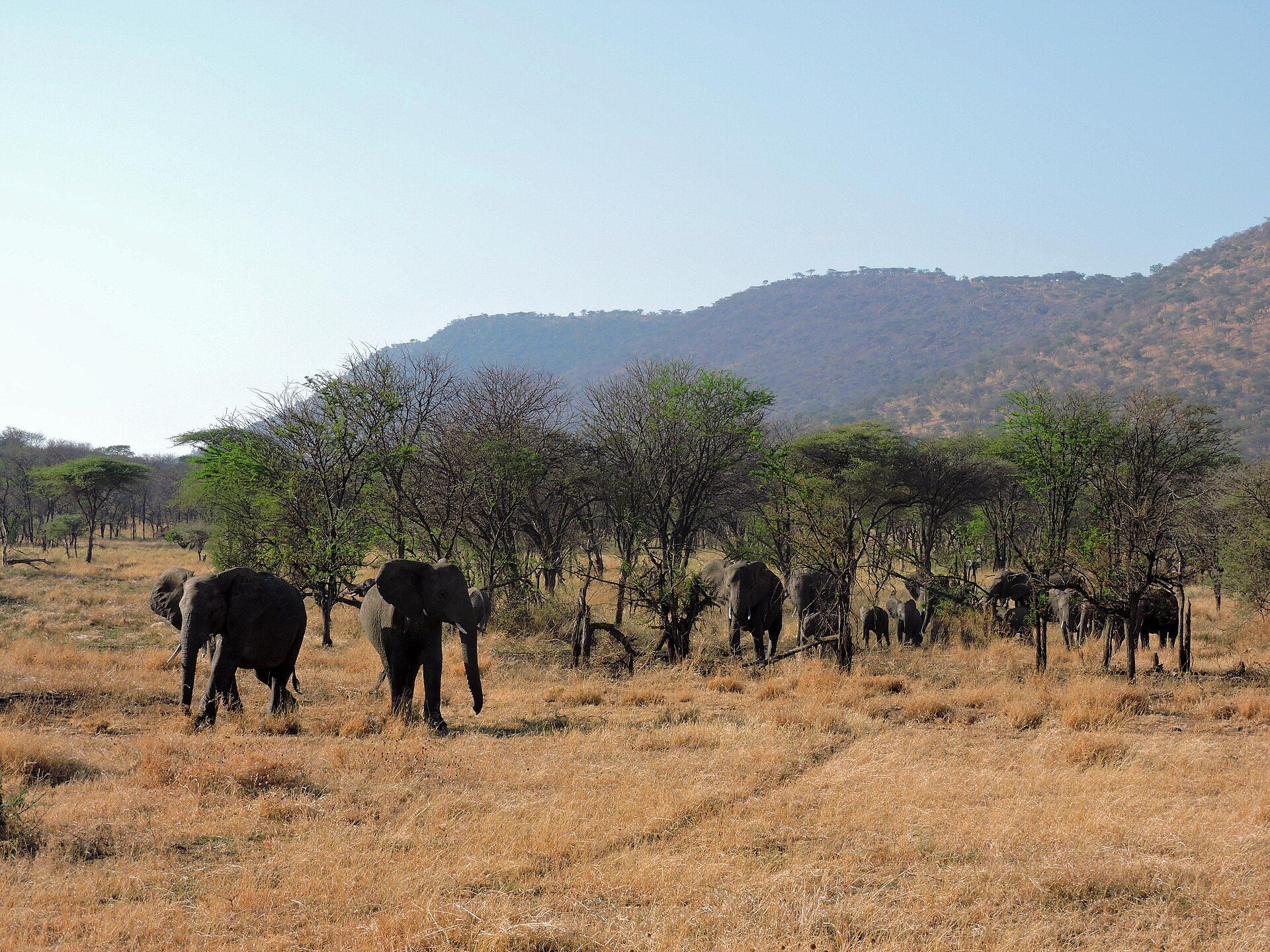
Serengeti
The plains of the Great Migration
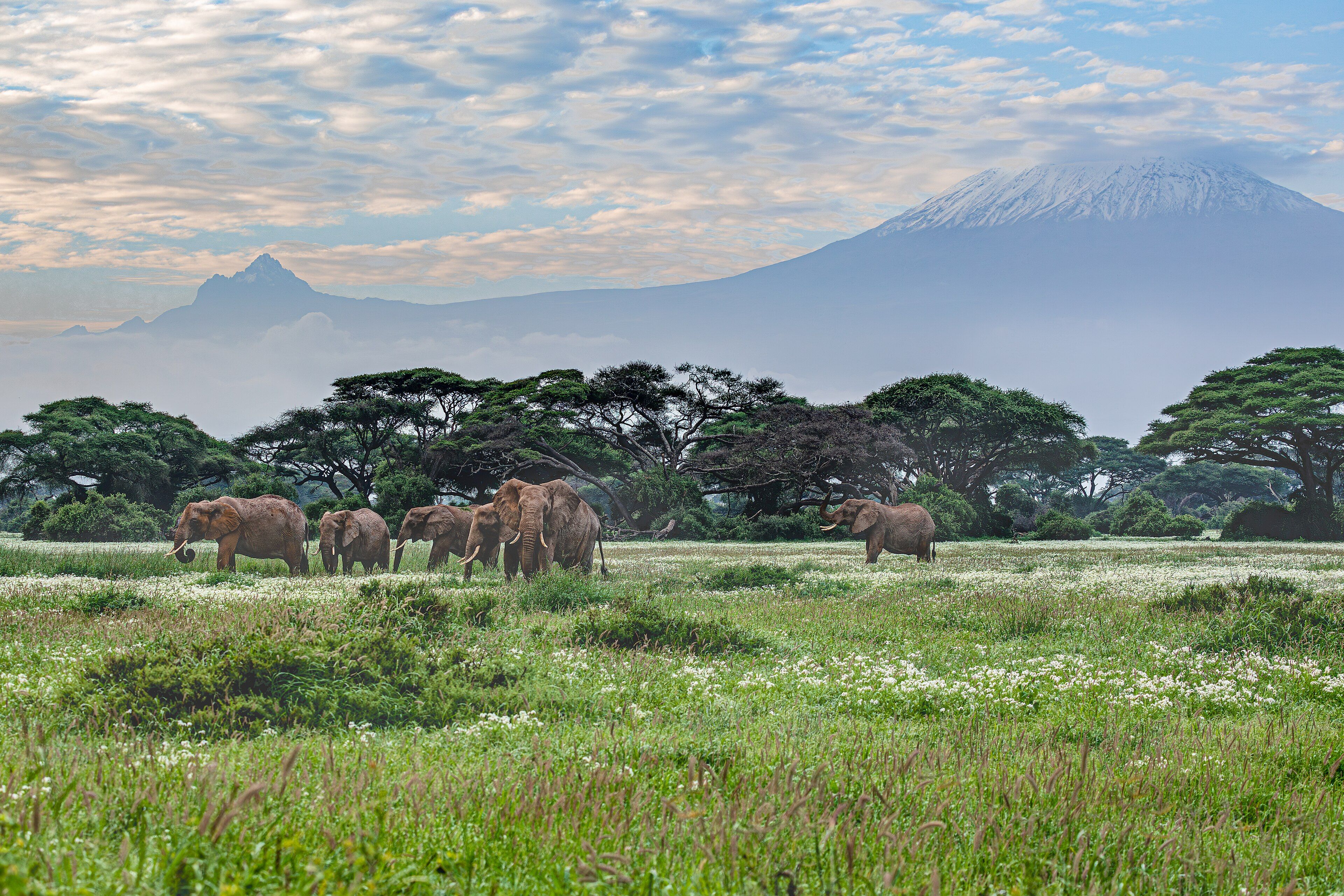
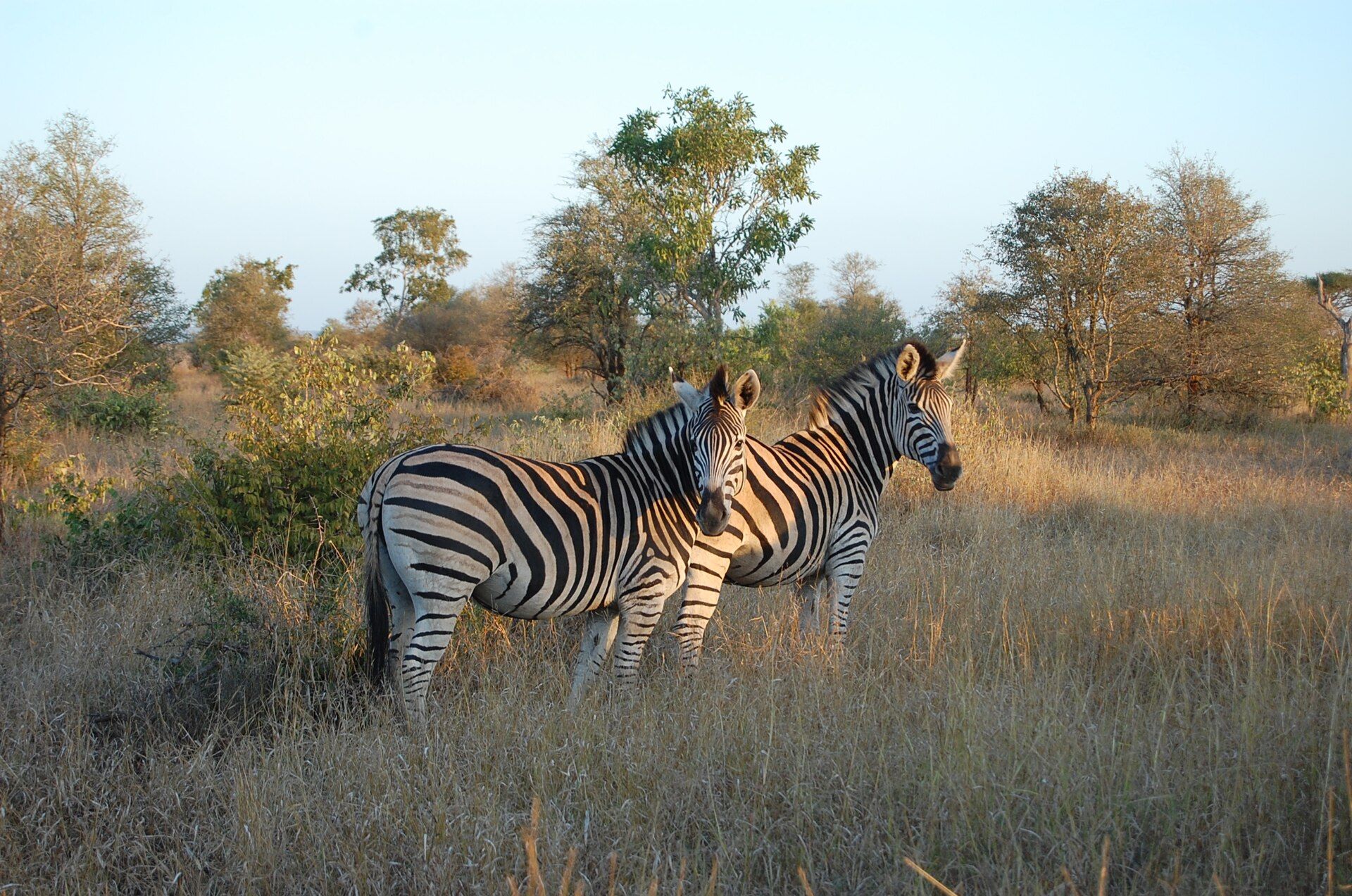
Short- and long-grass plains, built on volcanic ash from the nearby highlands, carry one of the last great intact grazing ecosystems. Well over a million wildebeest, with hundreds of thousands of zebra and gazelle, follow the rains in a continuous loop through the Serengeti–Mara ecosystem, shadowed by lions, cheetahs, hyenas and, at the rivers, crocodiles.
- The Great Migration: river crossings and calving season
- Big cats hunting across open country
- Scale — herds to the horizon, and quieter far sectors
Head to head
| What matters | Ngorongoro Crater | Serengeti |
|---|---|---|
| The experience Edge: Toss-up | A descent into a self-contained bowl, with game against 600-metre walls. | Long drives across open plains; the landscape itself is the size of the experience. |
| Time needed Edge: Ngorongoro Crater | A full day: rim to floor and back. Vehicles have a daily time limit on the crater floor. | Three to four days minimum; a week if you want to follow the herds. |
| Getting there Edge: Ngorongoro Crater | About 3–3½ hours by road from Arusha to the conservation area gate, then a 4x4-only descent road. | Roughly 7–8 hours by road from Arusha through the Ngorongoro highlands, or a light-aircraft hop of about 1–1½ hours to a park airstrip. |
| When to go Edge: Ngorongoro Crater | Year-round: most animals stay in the crater. June–October has easier roads; the green season brings birds. | Timed to the migration — calving on the southern plains around January–March, river crossings in the north typically around July–October. Where the herds are depends on the rains. |
| Signature sighting Edge: Serengeti | Black rhino on the crater floor (often distant — bring binoculars). | Herds massing and crossing crocodile rivers, or hundreds of thousands of calves born within weeks. |
| Crowds Edge: Serengeti | Every vehicle uses the same descent road, and many cluster around a lion sighting. Going down early helps. | Vehicles cluster at big-cat sightings and river crossings, but the northern and western sectors are far emptier. |
| Fees and rules Edge: Toss-up | Set and periodically revised by the Ngorongoro Conservation Area Authority, with vehicle charges for the crater — check the current tariff. | Charged per person per day by the park and normally bundled by your operator; off-road driving is prohibited across most of the park. |
| Comfort Edge: Toss-up | The rim sits above 2,000 metres and is cold and misty at dawn; the floor is warm and bright. | Long hours on corrugated dirt roads, cold at dawn and hot by midday. |
Which should you choose?
Choose Ngorongoro Crater if…
…you have one or two days, want a near-certain dense wildlife day, or are hoping for black rhino.
Choose Serengeti if…
…you have three days or more and want the migration, big-cat hunting country and the sense of scale.
The honest verdict
If you can only do one, the Serengeti is the bigger experience — but it needs days, and its best moments depend on where the migration is for your dates. Ask your operator where the herds actually are before you book.
If time is short, Ngorongoro packs more wildlife into a single day than almost anywhere, and it doesn't depend on the season.
Most people do both: the road between Arusha and the Serengeti runs through the Ngorongoro highlands, so a day in the crater adds little travel. Fees for each are set by different authorities and change — let your operator quote them current.
Wonders mentioned here
Added