Head to head · Kenya's two most famous parks
Masai Mara vs Amboseli: Which Kenya Safari Should You Choose?
The Masai Mara and Amboseli are the two names on almost every first Kenya safari, and they show off different things. The Mara, in Narok County in the southwest, is the northern reach of the Serengeti-Mara ecosystem: rolling grassland with an exceptional density of lion, cheetah and other big cats, and from around July to October the Great Migration crossing the Mara River.
Amboseli, in Kajiado County on the Tanzanian border, is smaller and drier: the bed of an old lake, broken by swamps fed by snowmelt from Kilimanjaro, where herds of big-tusked elephants walk across open plains with Africa's highest mountain behind them. One is about drama and predators; the other about elephants and a view.
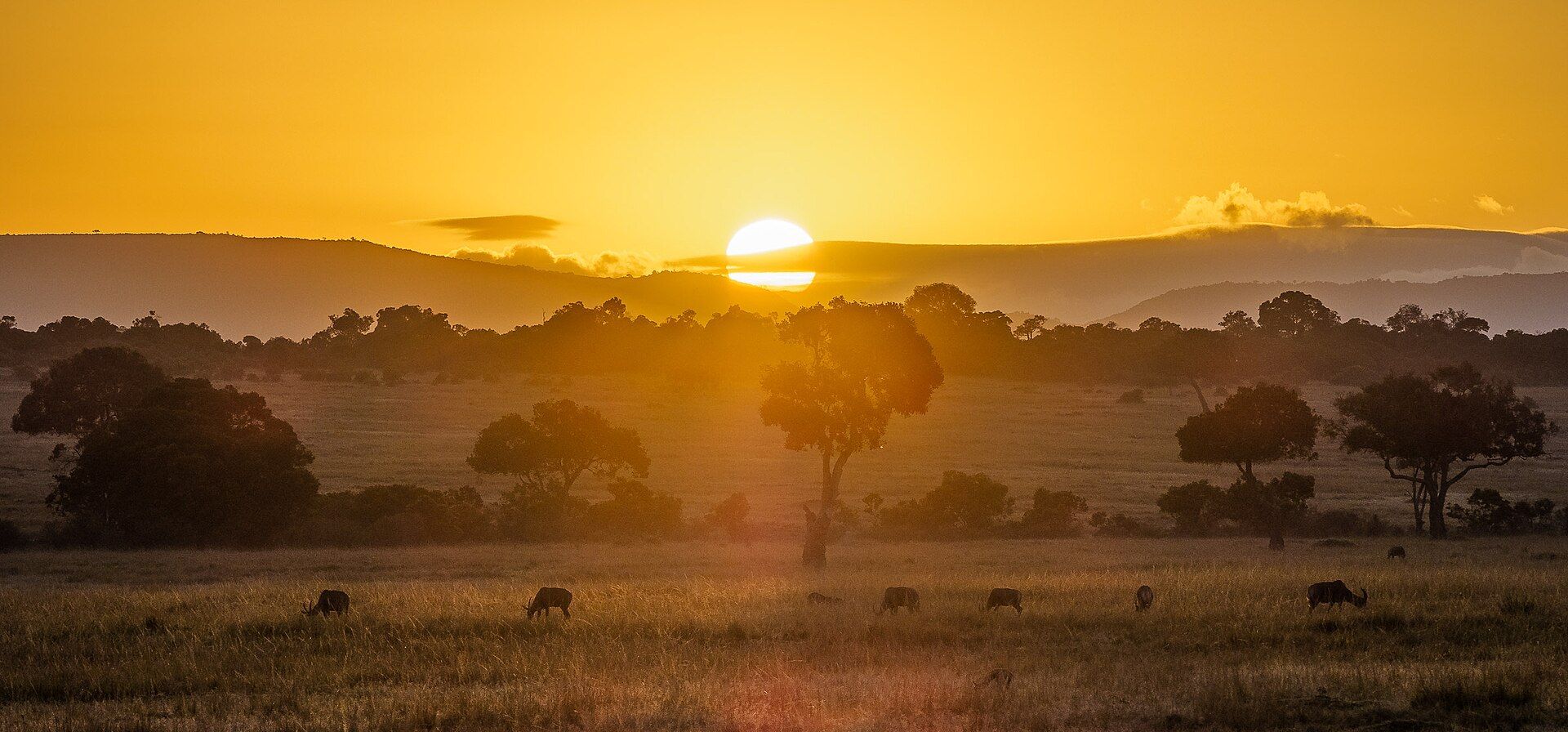
Masai Mara
Big cats and the Mara River crossings
Each year more than a million wildebeest, with hundreds of thousands of zebra and gazelle, follow the rains north into the Mara, and around July to October they cross the Mara River past large Nile crocodiles. The resident predators are there all year. Reserve entry is charged per person per day; the surrounding community conservancies charge separately, cap vehicles per sighting and allow off-road and night drives that the national reserve does not.
- The Great Migration's river crossings, roughly July–October
- An exceptional density of lion, cheetah and other big cats, all year
- Conservancies with vehicle caps, off-road and night drives
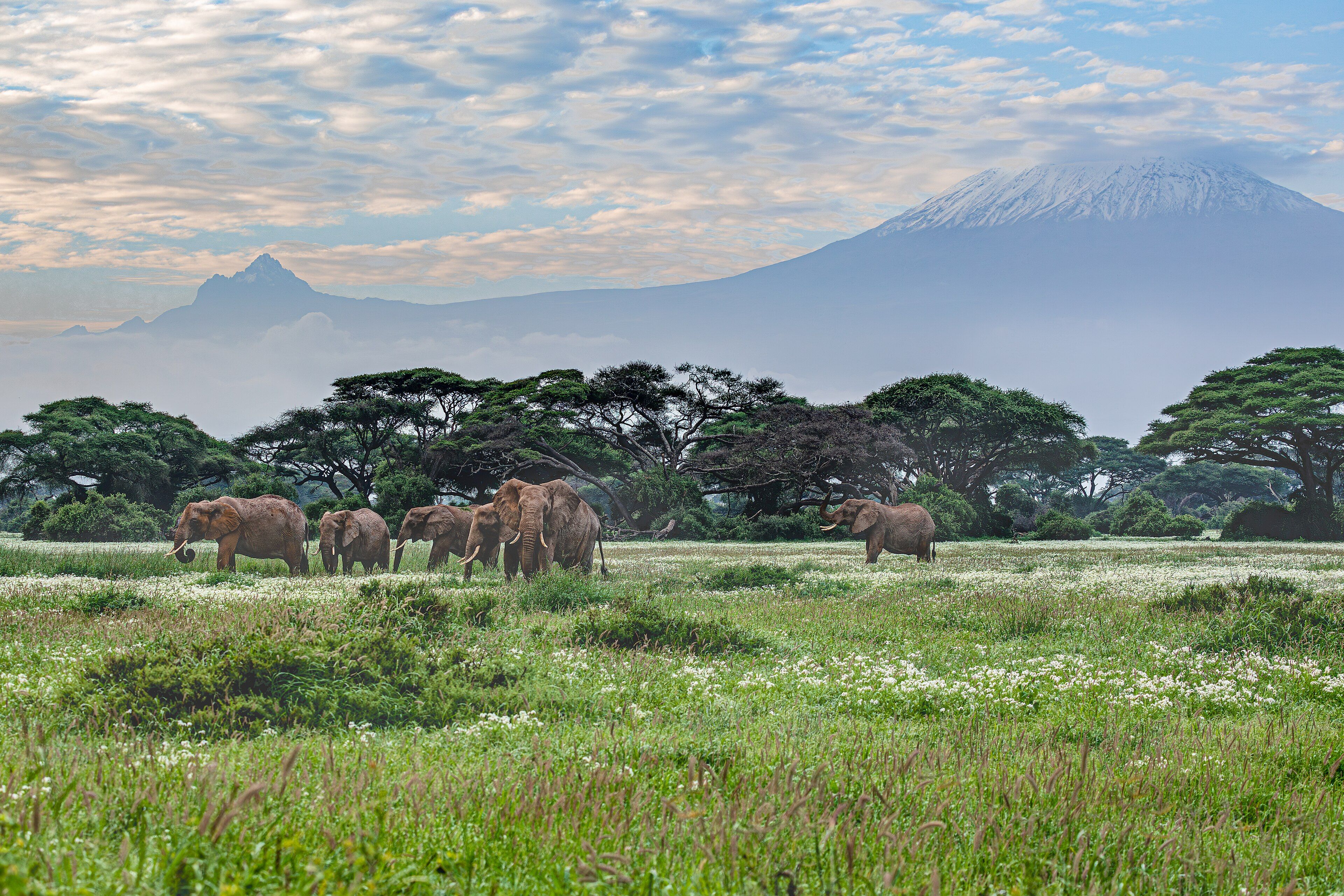
Amboseli
Elephant herds beneath Kilimanjaro
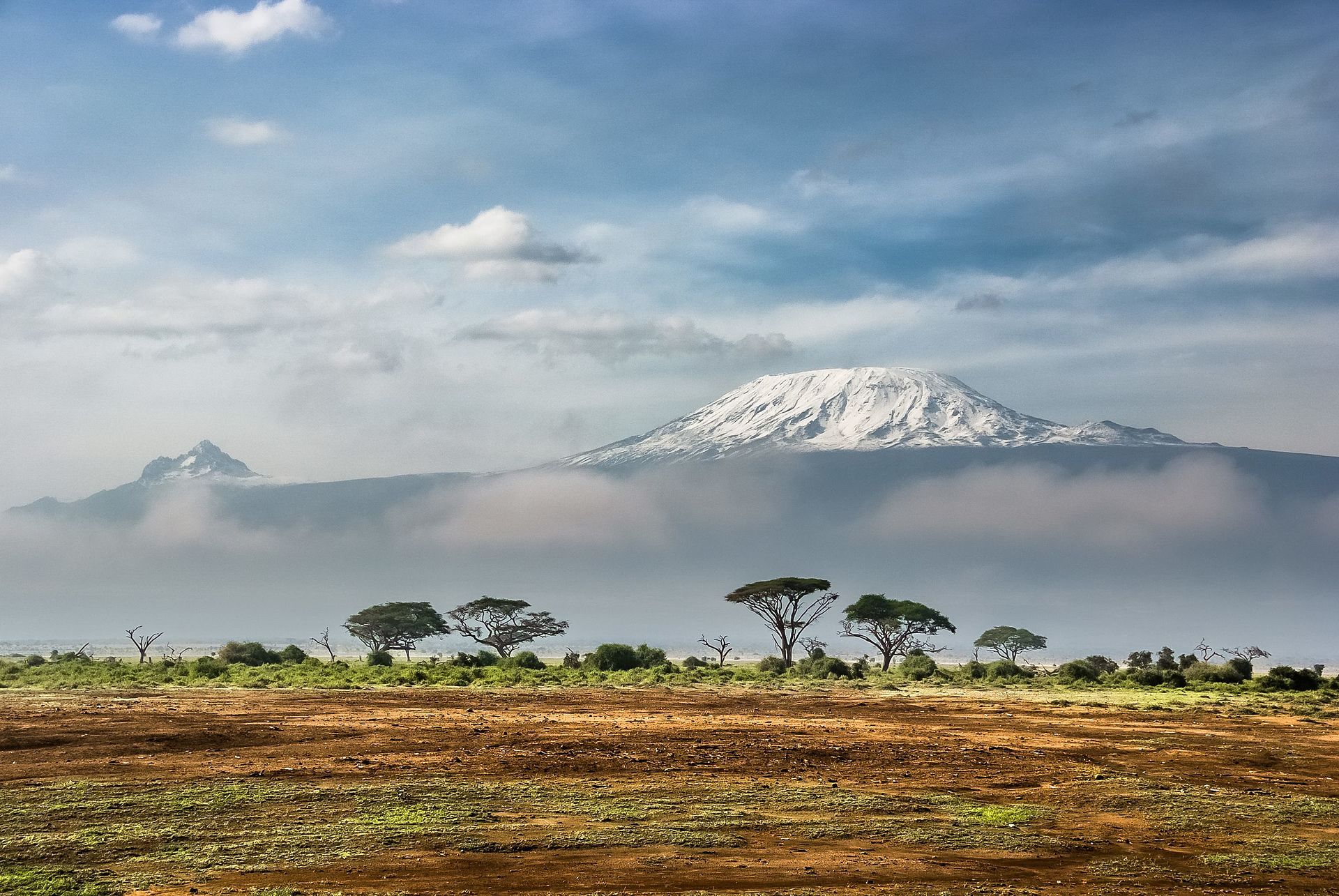
Amboseli covers about 392 km² of dry lake bed, dust and permanent swamps that draw elephants, buffalo, hippos and hundreds of bird species. Its elephants are among the most studied in the world, with families tracked across decades. Kilimanjaro (5,895 m) rises just across the border and is most often clear in the dry seasons. It is about 240 km south of Nairobi, 4–5 hours by road or a short flight.
- The classic elephants-and-Kilimanjaro scene
- Reliable big-herd sightings around the swamps
- Compact and easy to drive, closer to Nairobi
Head to head
| What matters | Masai Mara | Amboseli |
|---|---|---|
| Signature sight Edge: Toss-up | Wildebeest crossings of the Mara River in season, and big cats hunting across open grassland. | Herds of elephants crossing golden plains with the snow dome of Kilimanjaro above. |
| Predators Edge: Masai Mara | Among the best places on Earth for big cats, with an exceptional density of lion and cheetah. | Predators present, but elephants, buffalo, hippos and birds around the swamps are the main event. |
| Best months Edge: Toss-up | July–October for the migration and crossings — which follow rain, not a calendar, so no honest operator promises one. The green season brings newborns and fewer vehicles. | Dry seasons, June–October and January–February, when animals concentrate at the swamps and Kilimanjaro is most often clear. March–May and November rains scatter the game. |
| Getting there from Nairobi Edge: Amboseli | Road 5–6 h with a rough final stretch, or a light aircraft to a Mara airstrip in about 45 minutes–1 h. | About 240 km, roughly 4–5 h by road via Emali, or a short scheduled flight to the park's airstrip. |
| Crowds Edge: Amboseli | Vehicles crowd heavily around big cats and at the river crossings in season; the conservancies are far quieter by design. | Vehicles cluster at big-elephant and predator sightings near the swamps; the wider plains stay open and quiet. |
| Time needed Edge: Amboseli | 3–4 days minimum. | Two nights minimum; 2–3 days for unhurried drives and a clear-mountain morning. |
| Conditions Edge: Toss-up | Rough tracks that turn to deep mud in the rains, hot middays, cold dawns and long hours seated. | Flat tracks, very dusty in the dry season and black-cotton mud in the rains; a 4x4 and guide are strongly advised. |
Which should you choose?
Choose Masai Mara if…
…you want predators and action, are travelling between July and October for a chance at a river crossing, or want a conservancy stay with off-road and night drives.
Choose Amboseli if…
…you love elephants, want the Kilimanjaro backdrop for photographs, have only two or three days, or want a park closer to Nairobi.
The honest verdict
If you can only do one, the Masai Mara is the fuller safari: big cats all year, the migration roughly July to October, and quieter conservancies around the reserve if you want fewer vehicles. Give it at least three or four days, and don't build the trip around a crossing — they follow the rains, not dates.
Amboseli is the better short add-on and the better photograph. Two nights are enough for its elephant herds and, with luck, a clear dawn view of Kilimanjaro, which is most often visible in the dry seasons (June–October and January–February). It is also the easier drive from Nairobi.
Many Kenya itineraries combine the two. Pair them in July–October to catch both the Mara's migration season and Amboseli's dry-season clarity.
Wonders mentioned here
Added