Head to head · A turquoise lake above Kandersteg vs the valley of 72 waterfalls
Oeschinen Lake vs Lauterbrunnen: Which Bernese Oberland Day Trip Should You Pick?
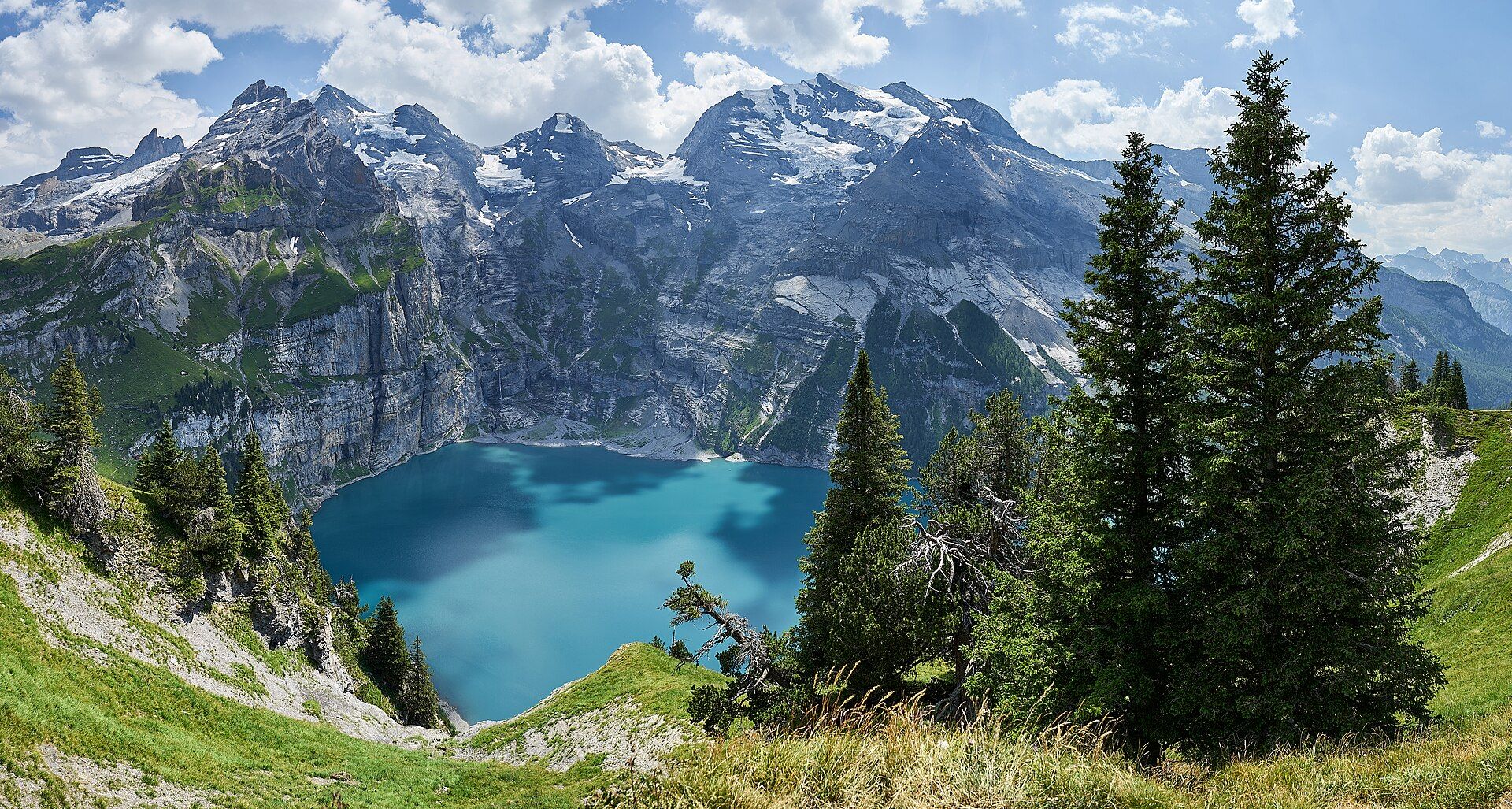
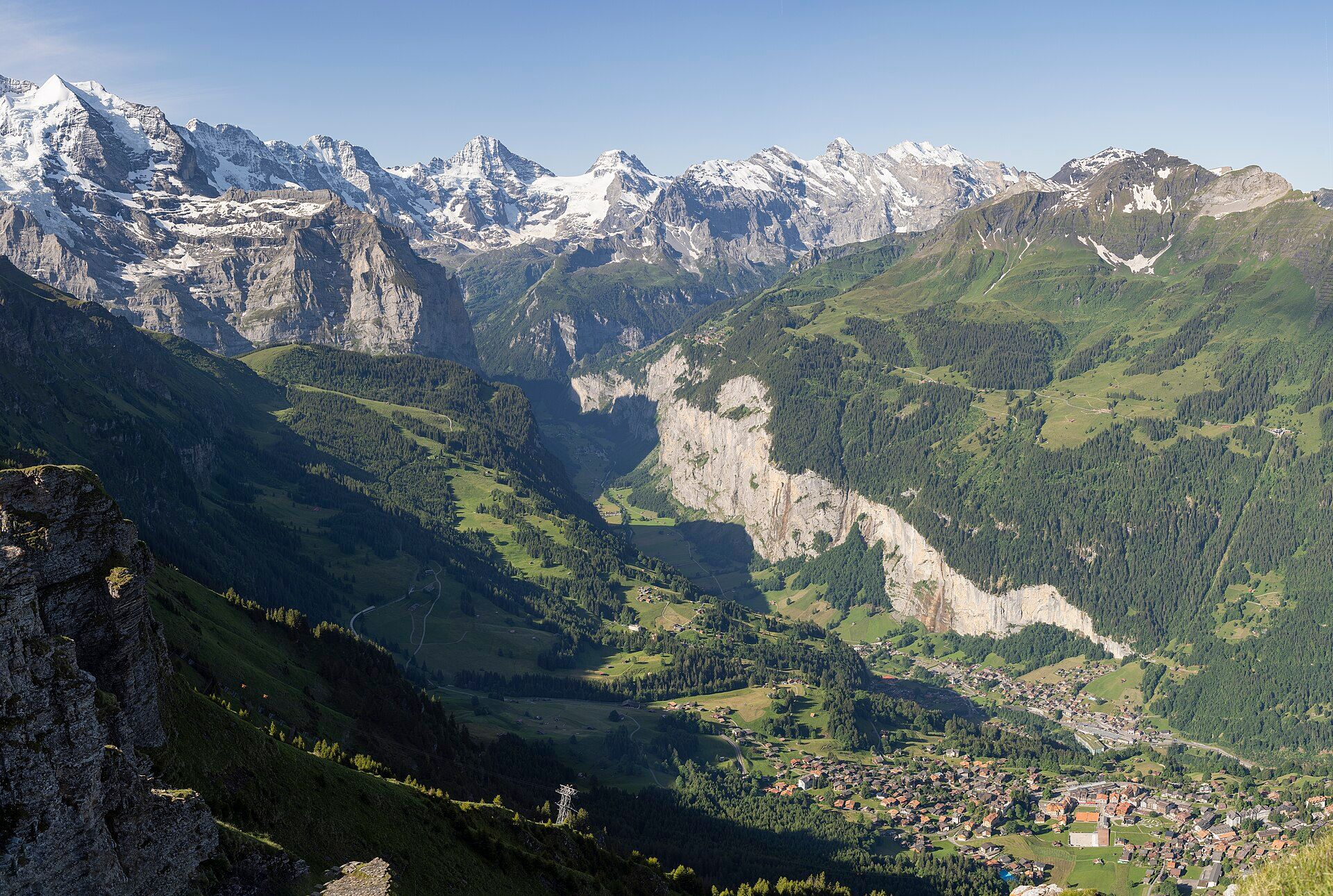
Both sit in the Bernese Oberland, inside or beside the Swiss Alps Jungfrau-Aletsch UNESCO area, and both are easy, train-reachable day trips — but they show you different things. Oeschinen Lake is a single turquoise lake at about 1,580 m beneath the snow-streaked Blüemlisalp, with peaks rising more than 2,000 m above the water. Lauterbrunnen is a glacier-carved valley with cliffs about 1,000 m high and seventy-two waterfalls, including the free-falling Staubbach (about 300 m) and the Trümmelbach Falls thundering inside the mountain.
The practical split is season and base. Oeschinen is reached from Kandersteg by a seasonal gondola and a 20–30 minute walk down to the shore, and is at its best from June to October once the lake is ice-free. Lauterbrunnen's valley floor is freely accessible year-round by train via Interlaken, its falls are strongest in early summer, and cable cars and mountain railways lift you to the car-free clifftop villages and the wider Jungfrau region.
Oeschinen Lake
One turquoise lake under the Blüemlisalp
A mountain lake above Kandersteg, part of the Jungfrau-Aletsch World Heritage area, with a lakeside restaurant, boats for hire and higher panorama trails.
- Vivid turquoise water under 2,000 m walls
- Short, graded walk from the gondola
- Panorama trail for the classic view
Lauterbrunnen
The valley of seventy-two waterfalls
A U-shaped valley on the rail line from Interlaken, with Staubbach and Trümmelbach on the valley floor and lifts to the clifftop villages and the Jungfrau region.
- Free, flat walking among the waterfalls
- Open and reachable year-round
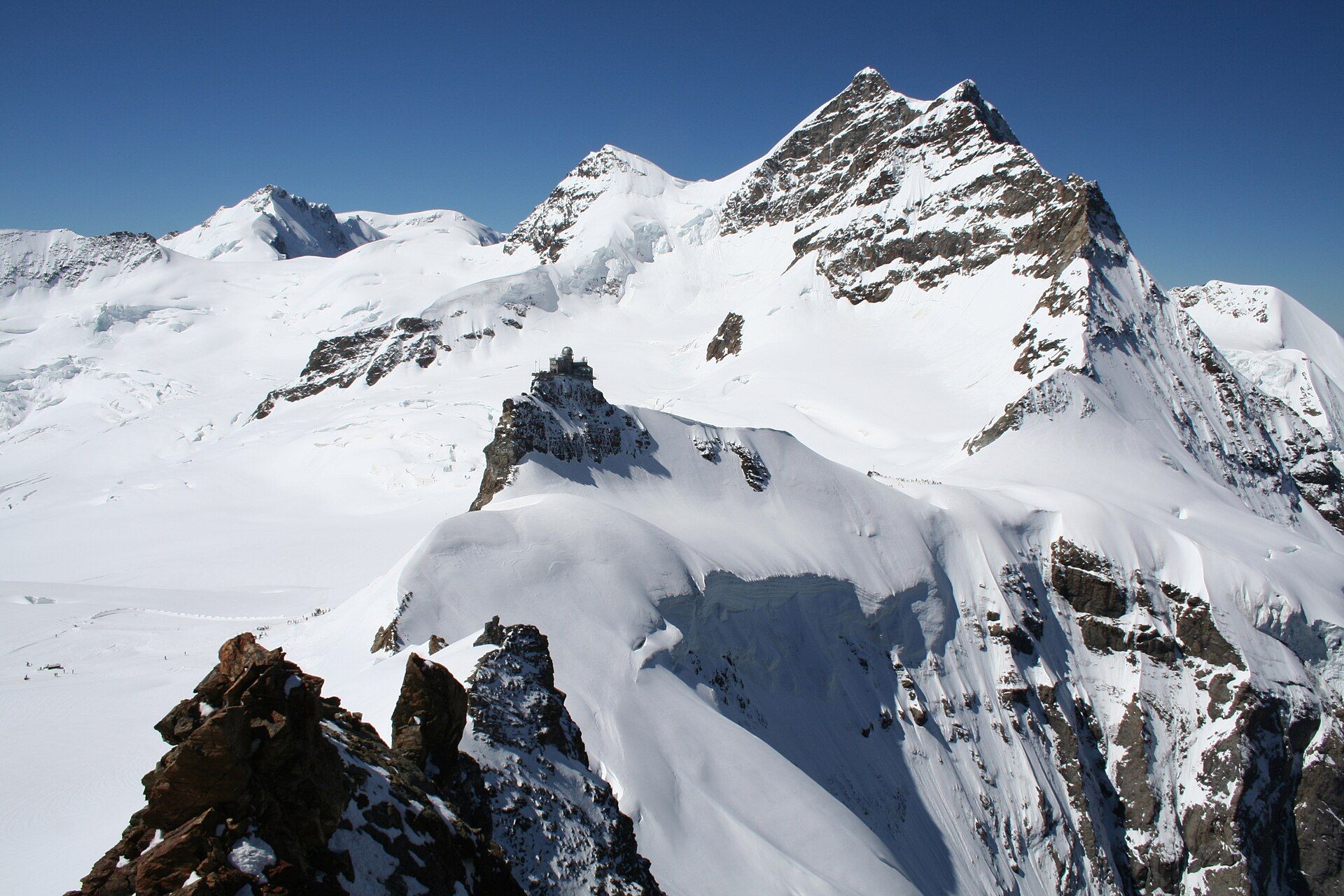
- Gateway to the wider Jungfrau region
Head to head
| What matters | Oeschinen Lake | Lauterbrunnen |
|---|---|---|
| What you see Edge: Toss-up | One lake at ~1,580 m, ringed by peaks rising over 2,000 m above it. | Cliffs ~1,000 m high and 72 waterfalls, including Staubbach (~300 m) and the Trümmelbach inside the mountain. |
| Getting there Edge: Lauterbrunnen | Train to Kandersteg (from Bern or Interlaken), gondola up, then a 20–30 minute walk down to the shore. | Train via Interlaken to Lauterbrunnen village — a couple of hours from Zürich; the valley floor starts at the station. |
| Time needed Edge: Toss-up | A half to full day for the shore and panorama trails. | A day for the valley and falls; several for the wider Jungfrau region. |
| Cost to enter Edge: Lauterbrunnen | Open access to the lake; the gondola charges a fare. | The valley is free on foot or by bike; mountain railways, cable cars and the Trümmelbach Falls lift are ticketed. |
| Season Edge: Lauterbrunnen | June–October, once trails are clear and the lake is ice-free; the gondola runs a seasonal timetable. | Roughly May–October, falls strongest in early summer; winter narrows options but the valley stays reachable. |
| Effort Edge: Toss-up | Easy, well-made paths, with a descent to the lake and a climb back to the gondola. | Flat valley-floor walking; trails and lifts climb steeply to the rim if you want them. |
| Crowds Edge: Toss-up | Busy near the shore on fine summer days; quieter on the higher trails and early or late. | Busy in summer around Staubbach and the station; calmer early and in the high villages. |
| Facilities Edge: Lauterbrunnen | Gondola, lakeside restaurant, boat hire and toilets. | Trains, cable cars, hotels and restaurants throughout; car-free villages above. |
| The shot Edge: Toss-up | The turquoise lake beneath the Blüemlisalp from the panorama trail, in calm morning light. | Staubbach or a cliff full of waterfalls with snow peaks beyond, from the valley floor. |
Which should you choose?
Choose Oeschinen Lake if…
…you are visiting between June and October and want one unforgettable view — a turquoise lake under snow peaks — with a short walk and a lakeside lunch.
Choose Lauterbrunnen if…
…you want a free, flat, waterfall-filled valley you can reach any time of year, and a base for the Jungfrau region's lifts and high villages.
The honest verdict
In summer, the honest answer is to do both on separate days, since each fills a half to full day. If you only have one day, choose by what you came to see — a single lake framed by peaks (Oeschinen) or a valley of waterfalls you can keep walking along (Lauterbrunnen).
Outside June–October, Lauterbrunnen wins by default: Oeschinen's gondola runs seasonally and its trails and lake are at their best only once the snow clears, while Lauterbrunnen's valley floor stays reachable. For the falls at full force, go in early summer.
Check the gondola's operating dates (Oeschinen) and lift timetables (Lauterbrunnen) before you go; a Swiss rail or mountain pass can cover the trains and some lifts.
Wonders mentioned here
Added