Head to head · two of the most active volcanoes on Earth
Mount Etna vs Kīlauea: How Do Two of the World's Most Active Volcanoes Compare?
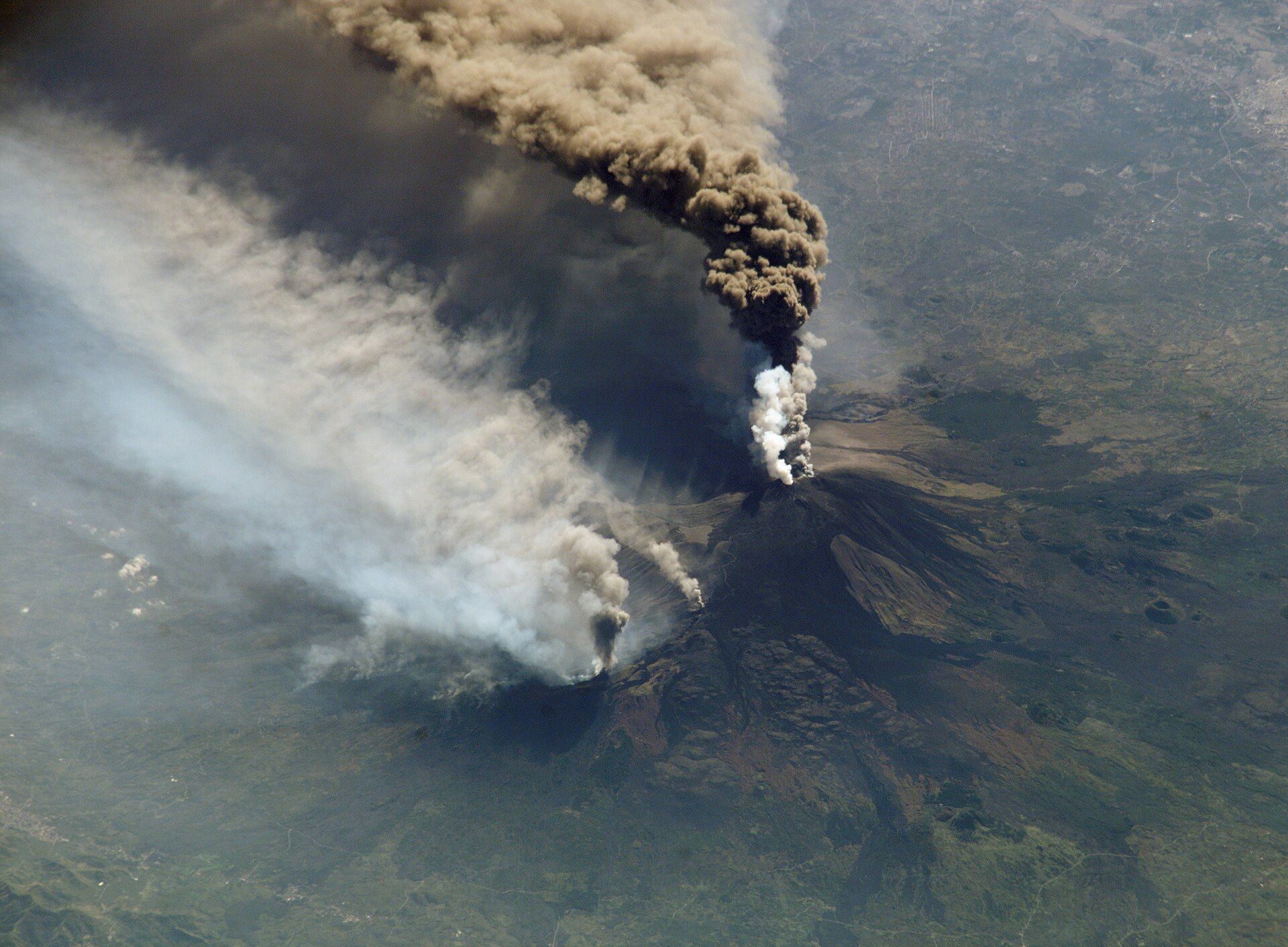
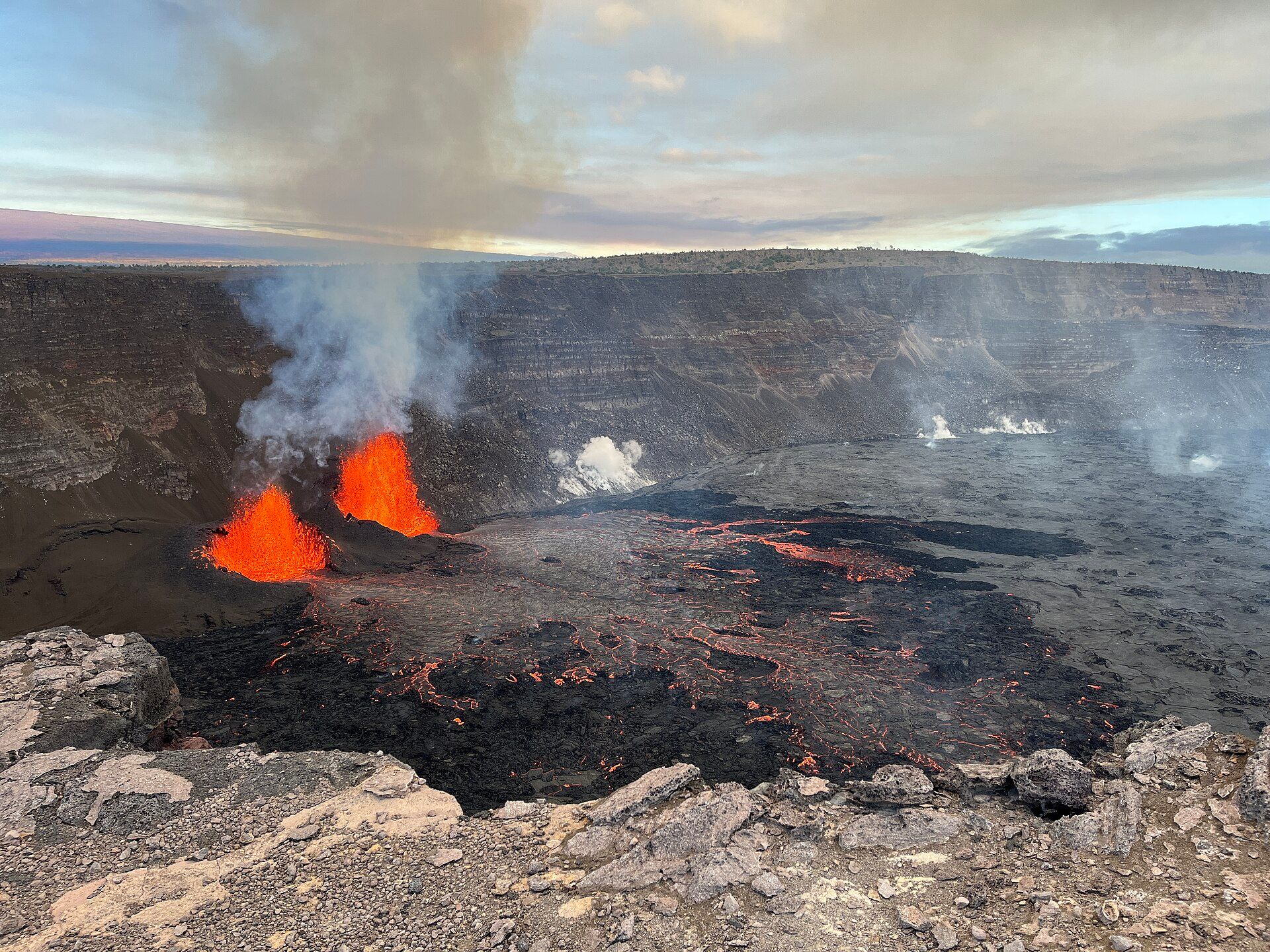
Short answer: both are among the most active volcanoes on Earth, but they are built differently and erupt differently. Etna, about 3,350 metres high over eastern Sicily, is Europe's largest active volcano, with near-constant Strombolian eruptions and lava flows. Kīlauea, on the Island of Hawaiʻi, is a broad shield volcano of fluid basaltic lava sitting over the Hawaiian hotspot — at times its Halemaʻumaʻu crater holds a glowing lava lake, at times flows run to the sea.
For a visitor, Etna is a mountain you climb: cable car and 4x4 track to about 2,900 metres, then the summit craters only with an authorised guide. Kīlauea is a volcano you drive around: roads, trails and overlooks in Hawaiʻi Volcanoes National Park, about 45 minutes from Hilo. At both, what you see depends entirely on the day's activity.
Mount Etna
Europe's largest active volcano
A snow-capped volcano of about 3,350 metres — its height changes with eruptions — active for hundreds of thousands of years and one of the most continuously documented on Earth. Its ash and lava weather into fertile soil, so its lower slopes carry vineyards, olives, citrus and Bronte's pistachios. A UNESCO World Heritage Site.
- Guided walks to smoking summit craters
- Snow and skiing on the upper slopes in winter
- Wine, olives and pistachios grown on volcanic soil
- Under two hours from Catania to the cable car
Kīlauea
A shield volcano building new land
A broad shield volcano of fluid basaltic lava over the Hawaiian hotspot, the plume that built the whole island chain. It erupts often, sometimes filling Halemaʻumaʻu crater with a lava lake, sometimes sending flows across the land or into the ocean. It has deep cultural significance for Native Hawaiians and lies in Hawaiʻi Volcanoes National Park, a UNESCO World Heritage Site.
- A glowing lava lake after dark, when active
- Roads and overlooks: no climb needed
- Fresh black lava fields and lava tubes in rainforest
- Open year-round
Head to head
| What matters | Mount Etna | Kīlauea |
|---|---|---|
| Type of volcano Edge: Toss-up | A tall, steep volcano of about 3,350 m with Strombolian eruptions and lava flows. | A broad shield built from fluid basaltic lava over a hotspot. |
| Activity Edge: Toss-up | Continuously active; paroxysms can close the cable car and occasionally Catania airport. | Erupts often but starts and stops without warning; the park closes roads and overlooks accordingly. |
| What you can see Edge: Kīlauea | Smoking summit craters and lava fields, with a guide above about 2,900 m. | When erupting, a lava lake or flows from park viewpoints; otherwise craters, lava fields and lava tubes. |
| Effort Edge: Kīlauea | Moderate: cable car, 4x4 track and a guided walk of 1–2 hours on the mountain. | Easy: drive-up overlooks and short trails. |
| Best time Edge: Toss-up | April–June and September–October for hiking; winter for snow. Summit access depends on activity. | Year-round; roughly April–September is generally clearest. |
| Before you go Edge: Toss-up | Check the INGV Osservatorio Etneo bulletins and the Parco dell'Etna position. | Check the USGS Hawaiian Volcano Observatory status and park alerts on the day. |
Which should you choose?
Choose Mount Etna if…
Travellers in Sicily who want to walk up a living volcano with a guide — and then taste wine and pistachios grown on its slopes.
Choose Kīlauea if…
Anyone who wants the best chance of seeing molten lava without a climb: drive-up overlooks in a national park, ideally after dark, when the volcano is erupting.
The honest verdict
Both are among the most active volcanoes on the planet, and neither keeps a timetable. Etna is the mountain experience — a high, snow-capped summit reached by cable car, track and guided walk, with a farming culture on its flanks. Kīlauea is the lava experience — a low, broad shield where, when it is erupting, a glowing crater or flow can be seen from a car park.
Check the observatory bulletins for either before you plan the day around them: on both volcanoes, closures follow the activity.
Wonders mentioned here
Added