Head to head · two of the Seven Summits
Aconcagua vs Everest: How Much Harder Is the Highest Mountain?
Short answer: Everest is about 1,900 m higher, and that gap changes everything. Aconcagua (about 6,961 m) is the highest mountain in the Americas, and its normal route is a non-technical — if brutally high — walk, done in 12–20 days with acclimatisation. Everest (8,849 m) climbs into the 'death zone' above about 8,000 m, where there is too little oxygen to sustain life for long, and a summit needs months of acclimatisation, an expedition permit and experienced Sherpa support.
Their seasons are opposite: Aconcagua runs mid-November to March, the Southern Hemisphere summer; Everest's clearest weather comes pre-monsoon (roughly March–May) and post-monsoon (roughly late September–November).
For non-climbers, both have a trek: Aconcagua's lower trails from Horcones (a day, about three hours' drive from Mendoza), and the 12–16-day round trip to Everest Base Camp from Lukla.
Aconcagua
The roof of the Americas
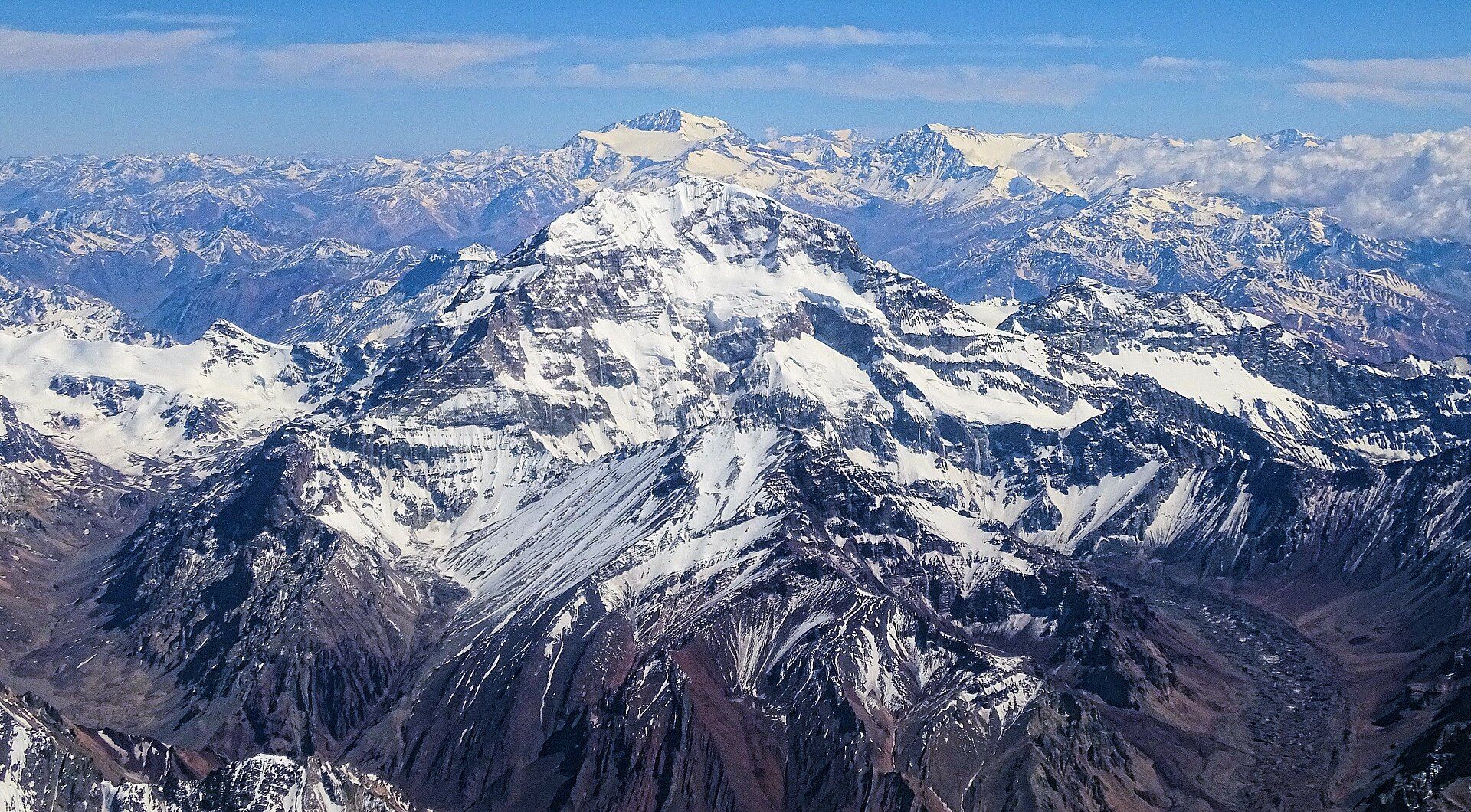
At about 6,961 m, the tallest peak in both the Western and Southern Hemispheres and the second-most prominent mountain on Earth after Everest. Not a volcano but ancient marine and volcanic rock thrust up as the Nazca plate dives under South America. Its normal route is climbed by thousands each season.
- Non-technical normal route — fitness and patience, not ropes
- Park gate about 3 hours' drive from Mendoza
- The immense south face, visible from the lower trails
- A summit attempt in 12–20 days
Mount Everest
8,849 m — the highest point on Earth
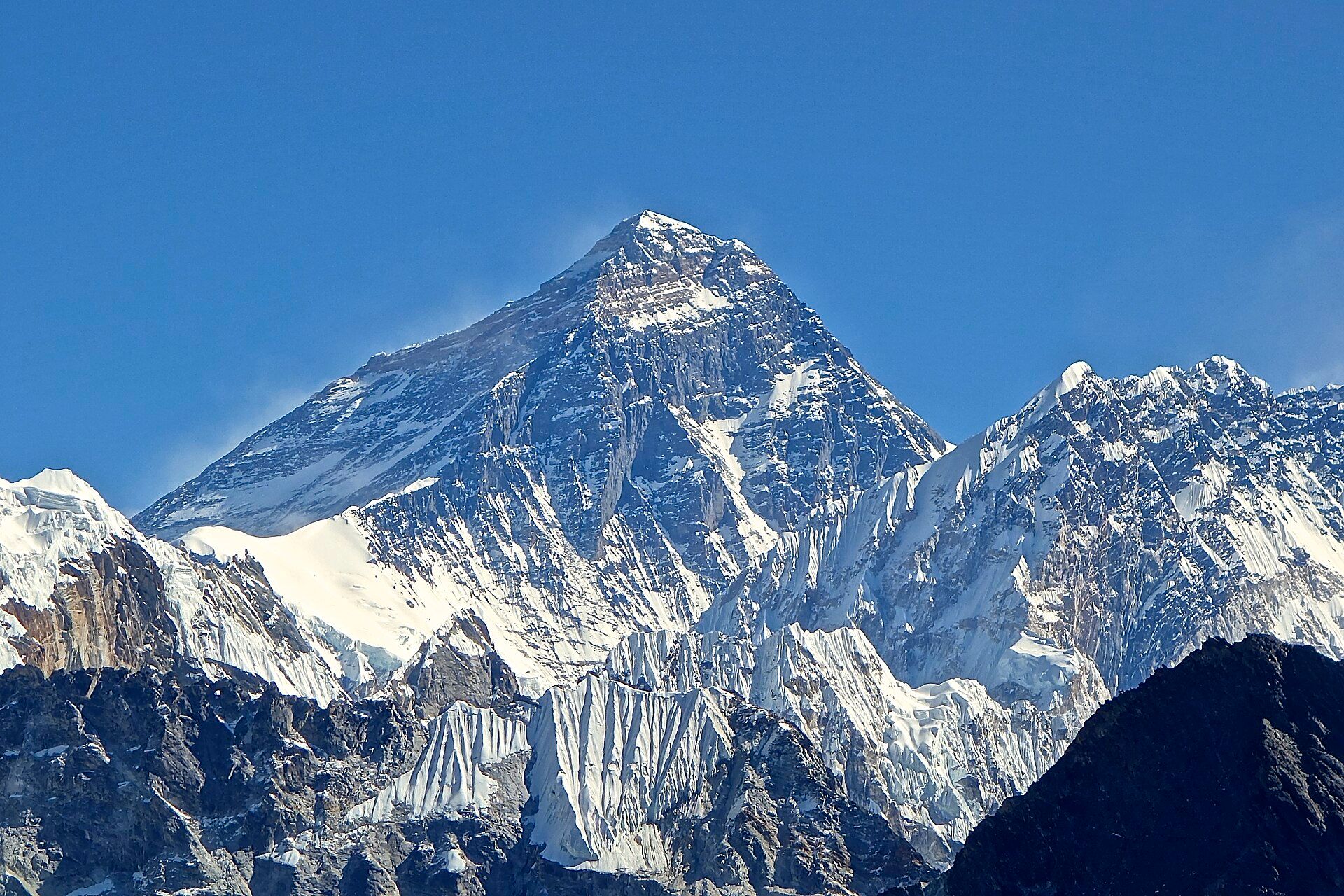
The roof of the world on the Nepal–Tibet border, its summit of marine limestone thrown up by the collision of the Indian and Eurasian plates. It anchors Sagarmatha National Park, a UNESCO World Heritage Site and the homeland of the Sherpa people; the trek to Base Camp is one of the world's classic journeys.
- The highest point on the planet
- Everest Base Camp trek through Sherpa villages and monasteries
- Kala Patthar at dawn for the classic view
- UNESCO World Heritage Site
Head to head
| What matters | Aconcagua | Mount Everest |
|---|---|---|
| Height Edge: Mount Everest | About 6,961 m — the highest outside Asia. | 8,849 m — the highest on Earth. |
| Summit difficulty Edge: Aconcagua | Non-technical normal route, but extreme altitude, cold and wind; storms can pin climbers in camp for days. | An expedition into the death zone above about 8,000 m, with months of acclimatisation and Sherpa support. |
| Time Edge: Aconcagua | 12–20 days for an acclimatised summit attempt; a day for the lower trails. | 12–16 days round trip just for the Base Camp trek; a summit expedition takes months. |
| Season Edge: Toss-up | Mid-November to March (southern summer); outside it the park is snowbound. | Roughly March–May and late September–November. |
| Getting there Edge: Aconcagua | Fly to Mendoza, then about 3 hours by road on Route 7 to the Horcones park entrance. | Kathmandu, a 30–40-minute light aircraft to Lukla when the weather allows, then the trek up the Khumbu valley. |
| Permits Edge: Toss-up | A park permit, bought in person in Mendoza, is compulsory in season; day, trekking and climbing tiers are priced separately. | Sagarmatha National Park entry plus the Khumbu municipality permit for trekking; a separate expedition permit from Nepal's Department of Tourism to climb. |
| For non-climbers Edge: Mount Everest | Lower valley trails with views of the south face. | The Everest Base Camp trek — though Everest is hidden behind Nuptse from much of the trail. |
Which should you choose?
Choose Aconcagua if…
Fit hikers aiming for their first very high summit — the most accessible of the Seven Summits, in the southern summer, with no technical climbing.
Choose Mount Everest if…
Trekkers who want the Himalaya's classic journey to Base Camp, and experienced high-altitude mountaineers ready for a death-zone expedition.
The honest verdict
Aconcagua is the achievable giant: a non-technical route to nearly 7,000 m in two to three weeks. Everest is a different order of commitment — even its Base Camp trek takes about as long as an Aconcagua summit attempt.
Neither forgives a rushed ascent. Altitude sickness, not the walking, is what turns people back on both mountains — plan real acclimatisation days and insurance that covers high-altitude evacuation.
Wonders mentioned here
Added