Head to head · Slovenia's island lake vs Italy's great lake of villas
Lake Bled vs Lake Como: Which Alpine Lake Should You Visit?
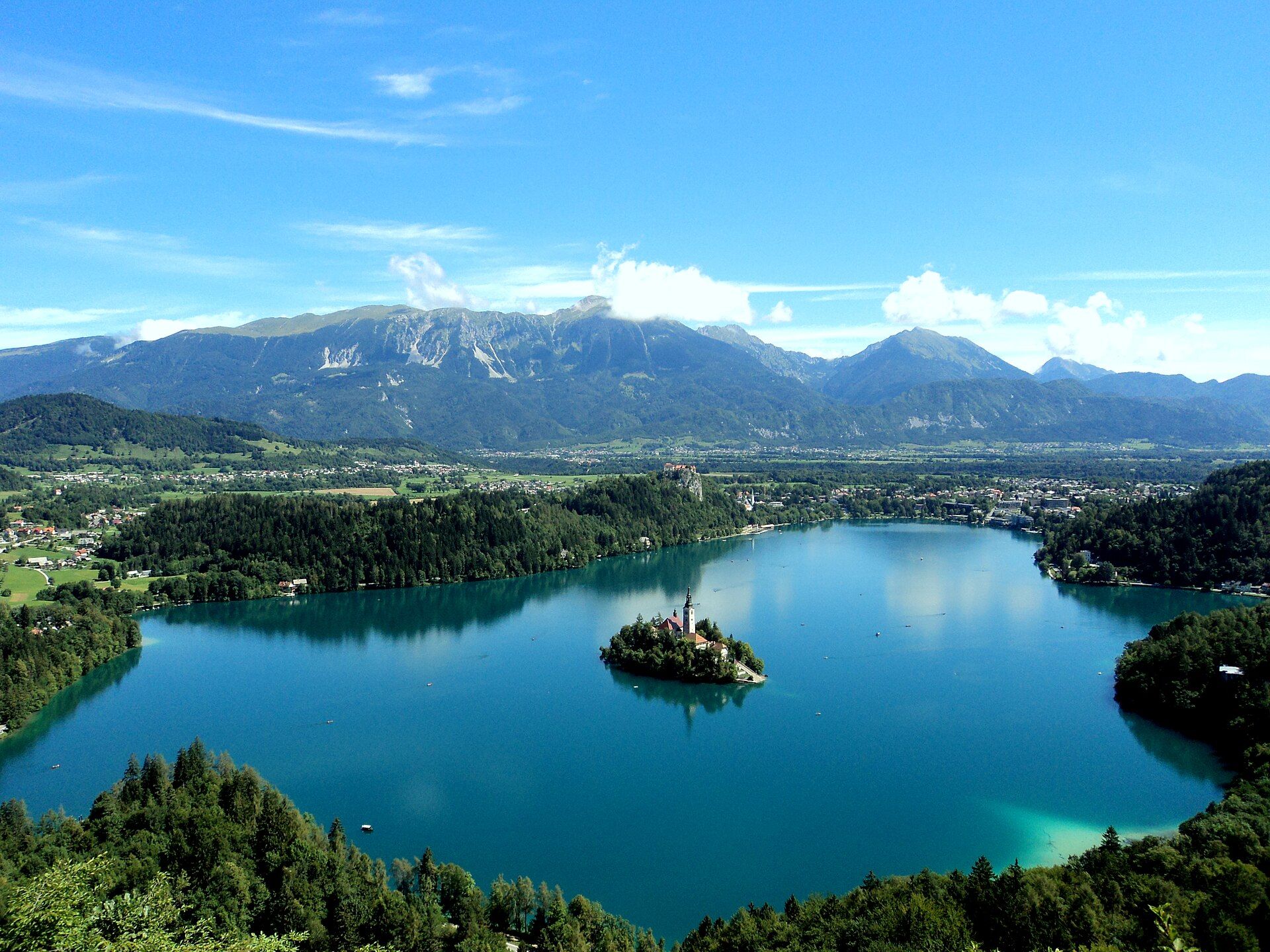
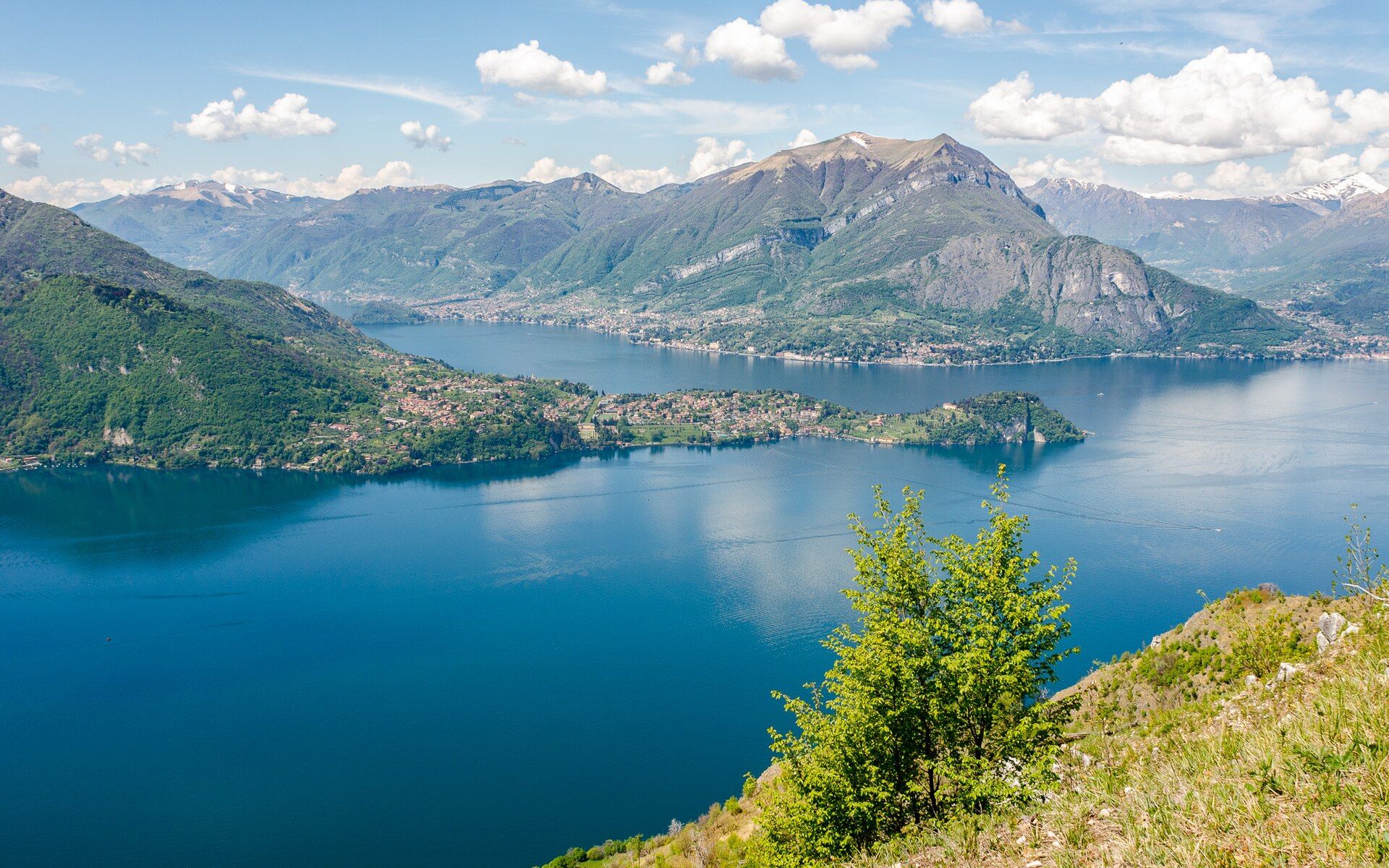
Lake Bled and Lake Como are both glacial lakes at the foot of the Alps, and both are among the most photographed lakes in Europe. They are very different sizes. Bled is small enough to walk around on a roughly 6 km shoreline path, with Slovenia's only natural island in the middle and a medieval castle on the cliff above. Como covers about 146 km², branches into three arms in an upside-down Y, and plunges to more than 400 m, with villages like Bellagio, Varenna and Menaggio strung along steep shores.
So the real question is how much time you have. Bled is one complete scene that a day covers well. Como is a region of villages, villa gardens and ferry routes that rewards two or three days.
Lake Bled
One perfect scene: island church, castle cliff, Julian Alps
A clear blue-green lake in the foothills of Slovenia's Julian Alps, partly fed by warm springs and mild enough to swim in during summer. You row or take a traditional pletna boat to the island, then climb 99 stone steps to the church. The shoreline loop is free to walk; the pletna, the island church and the castle are the things that cost money. Bled is roughly 45 minutes from Ljubljana and sits next to Triglav National Park.
- Compact: the whole lake on foot in a morning
- The pletna boat to the island and the 99 steps
- Ojstrica and Mala Osojnica viewpoints for the classic shot
- Easy add-on: Triglav National Park and the Julian Alps
Lake Como
A deep, branching lake of villages, villas and ferries
A deep trough carved by glaciers flowing out of the Alps, about 146 km² and more than 400 m deep, with steep wooded mountains rising straight from the water. Bellagio sits on the promontory where the three arms meet. Ferries link the villages, and the famous villa gardens are ticketed. Como and Lecco are under an hour from Milan by train or road; the lakeside roads are narrow and slow, so boats are the easiest way around.
- Ferry-hopping between Bellagio, Varenna and Menaggio
- Villa gardens, best in spring bloom
- Ridge hikes above the lake for wide views
- Big enough to base yourself for several days
Head to head
| What matters | Lake Bled | Lake Como |
|---|---|---|
| Size Edge: Toss-up | Small: a roughly 6 km loop path circles the whole lake. | About 146 km², with three arms and depths of more than 400 m. |
| Time needed Edge: Lake Bled | A full day covers it; an overnight gives you the quiet early morning. | Two to three days for the villages, villas and views. |
| Getting there Edge: Toss-up | About 45 minutes by road or bus from Ljubljana and its airport. | Under an hour by train or road from Milan to Como or Lecco, then ferries. |
| Getting around Edge: Lake Bled | On foot, plus a pletna boat or a hired rowboat to the island. | By ferry. Lakeside roads are narrow and slow. |
| What it costs to see Edge: Lake Bled | The shoreline walk is free; you pay only for the pletna, the island church and the castle. | The lake and villages are open to all; ferries and the villa gardens are ticketed. |
| Best months Edge: Toss-up | May to September for swimming and boating; autumn colour and a quiet winter outside that. | April–June and September–October for mild weather, gardens and fewer crowds; summer is hot and busy. |
| Crowds Edge: Toss-up | Busy in summer around the jetties and photo spots; early and late are calm. | Busy in summer, especially Bellagio and Varenna; spring, autumn and weekdays are calmer. |
| Mountains nearby Edge: Toss-up | Triglav National Park and the Julian Alps are on the doorstep. | Steep wooded ridges right above the water, still snow-capped in spring. |
Which should you choose?
Choose Lake Bled if…
…you have a day or two, want one complete, unforgettable lake scene, and plan to combine it with Ljubljana or the Julian Alps.
Choose Lake Como if…
…you have several days, like moving between villages by boat, and want gardens, villas and long lunches by the water as much as scenery.
The honest verdict
Short on time: Bled. You can see all of it in a day, and the island-church view is one of the most complete scenes in Europe.
Want a lake holiday rather than a lake visit: Como. Its size, ferries and villages are the point, and it rewards slowing down.
At both, go early in the morning or out of the summer peak; the famous viewpoints and jetties are what fill up first.
Wonders mentioned here
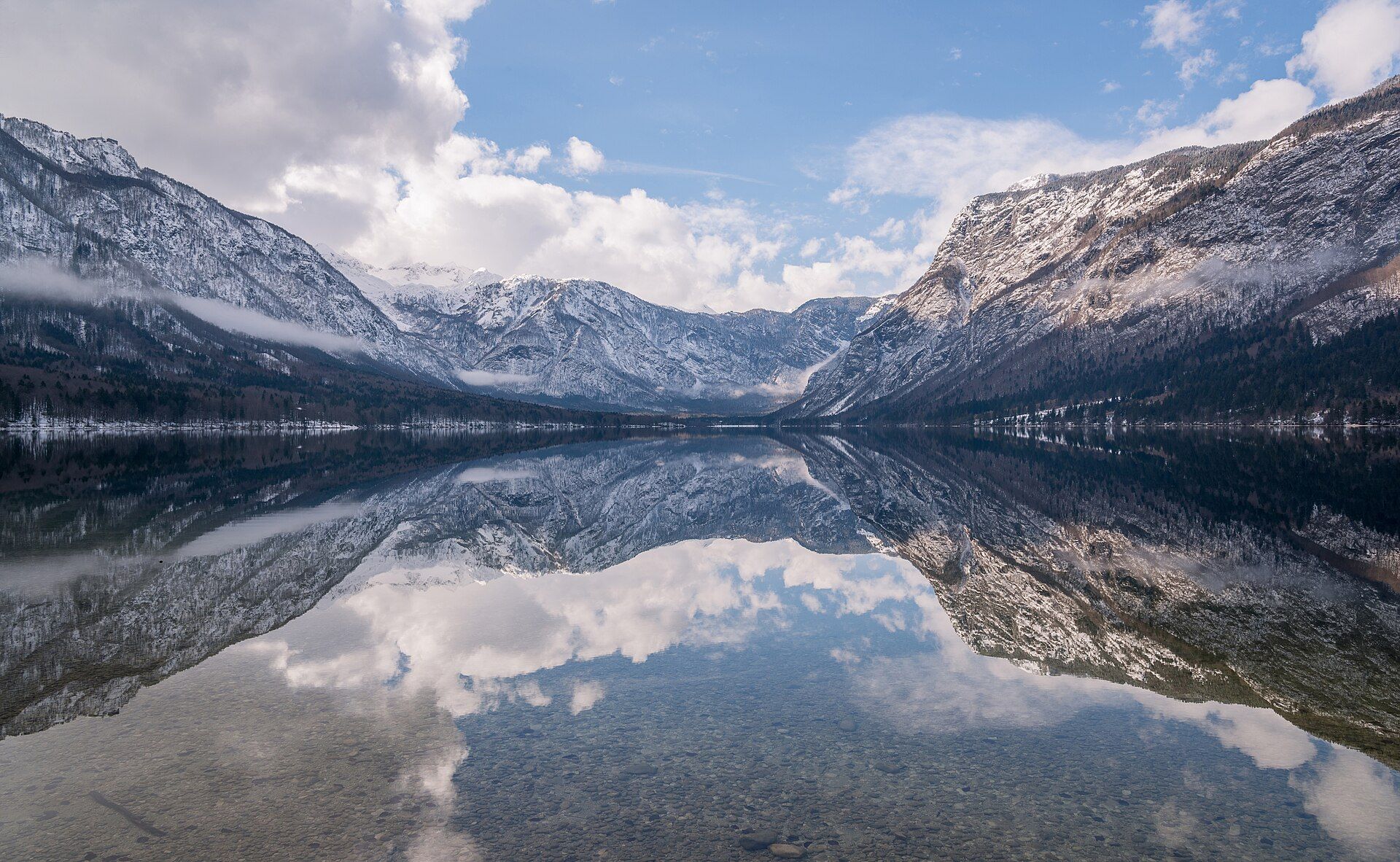
Triglav National Park
Julian Alps, north-western Slovenia, on the border with Italy and close to Austria
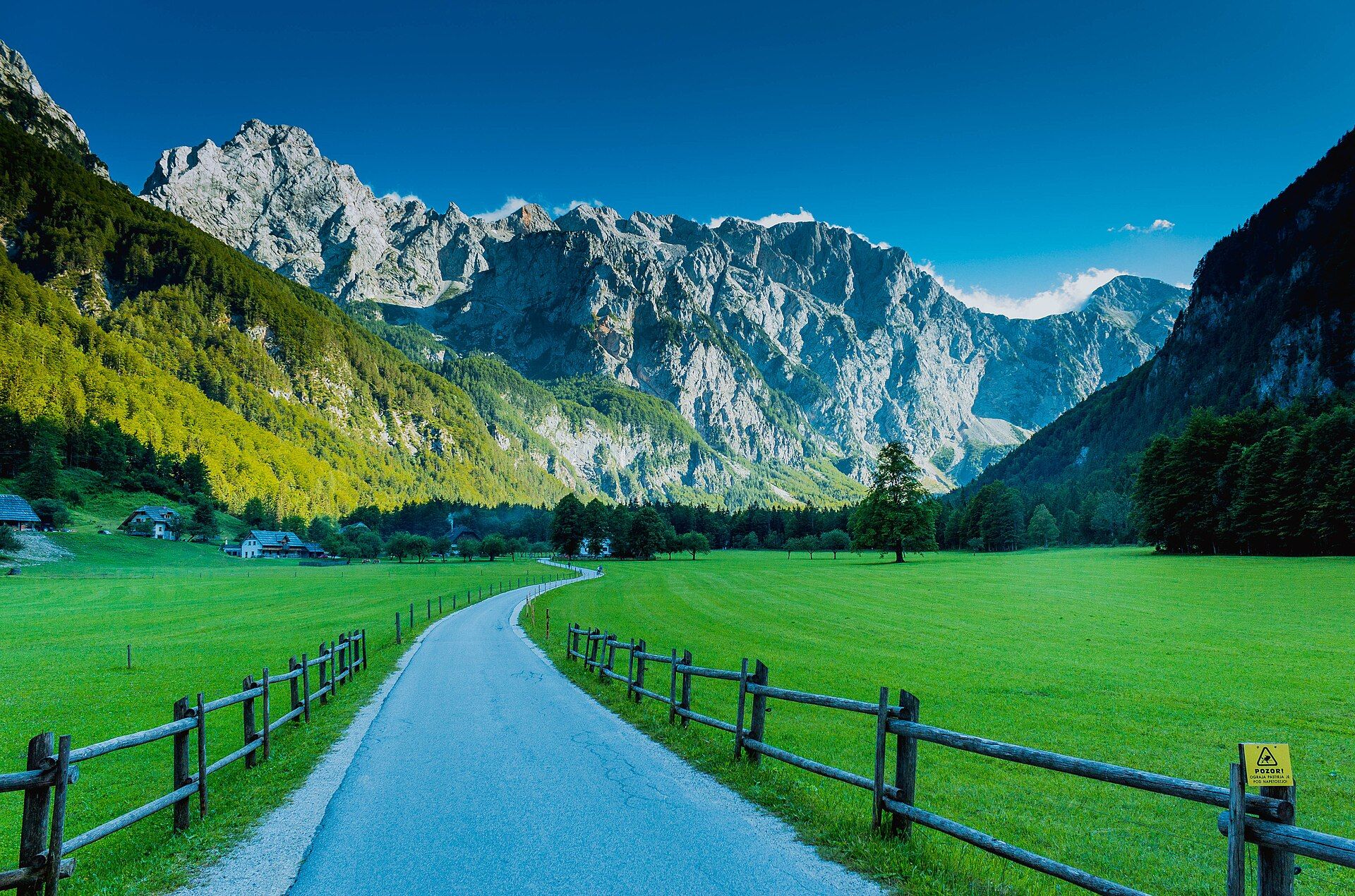
Logar Valley
Solčava, Upper Savinja Valley, northern Slovenia, beneath the Kamnik-Savinja Alps
Added