Fire and water: why the Philippines is a natural-wonder superpower
Ask why one country can hold so many kinds of natural wonder, and the answer is usually geography doing something unusual. In the Philippines, two of the planet’s great natural systems overlap — and the result is a landscape of almost unfair richness.
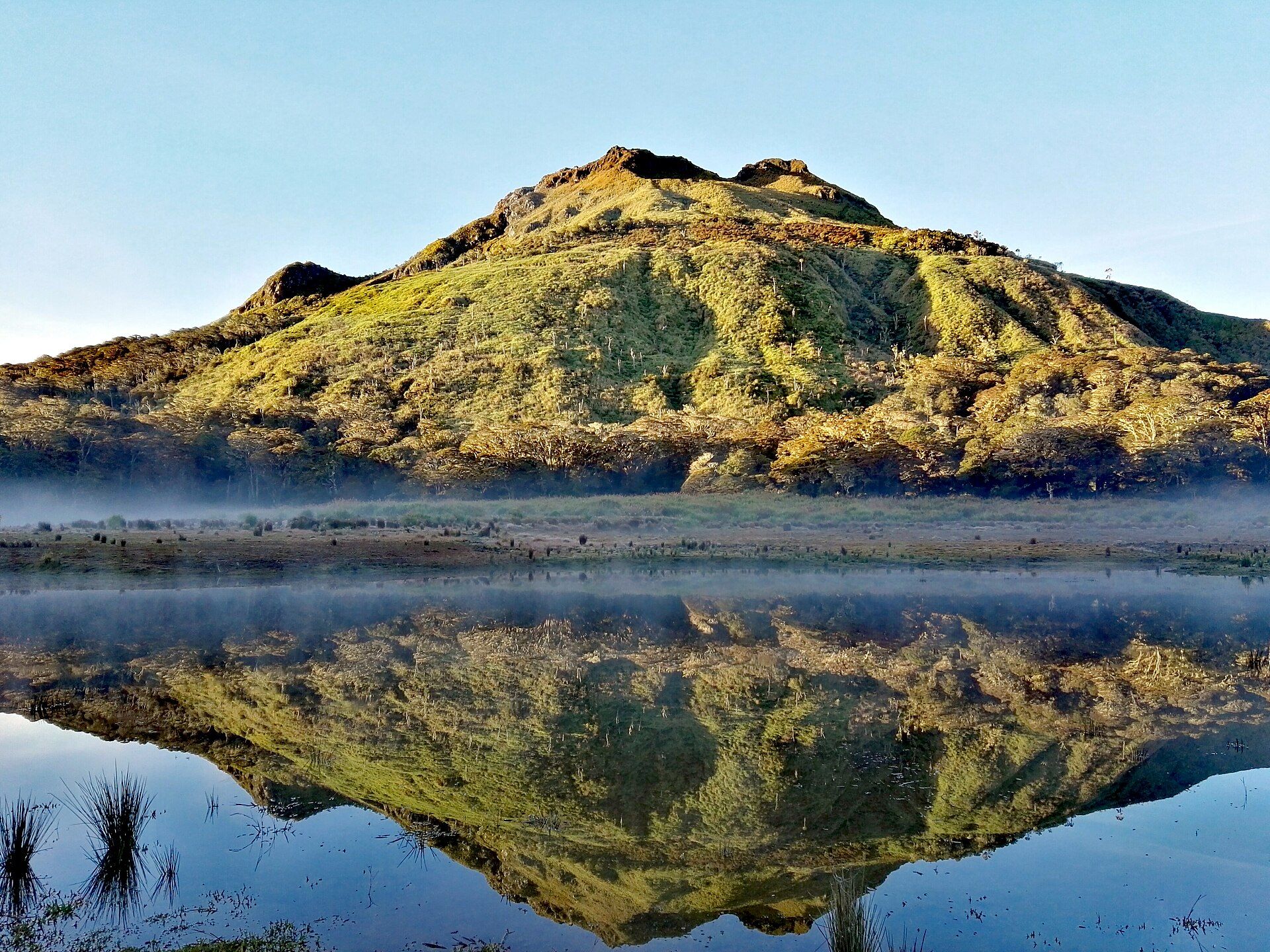
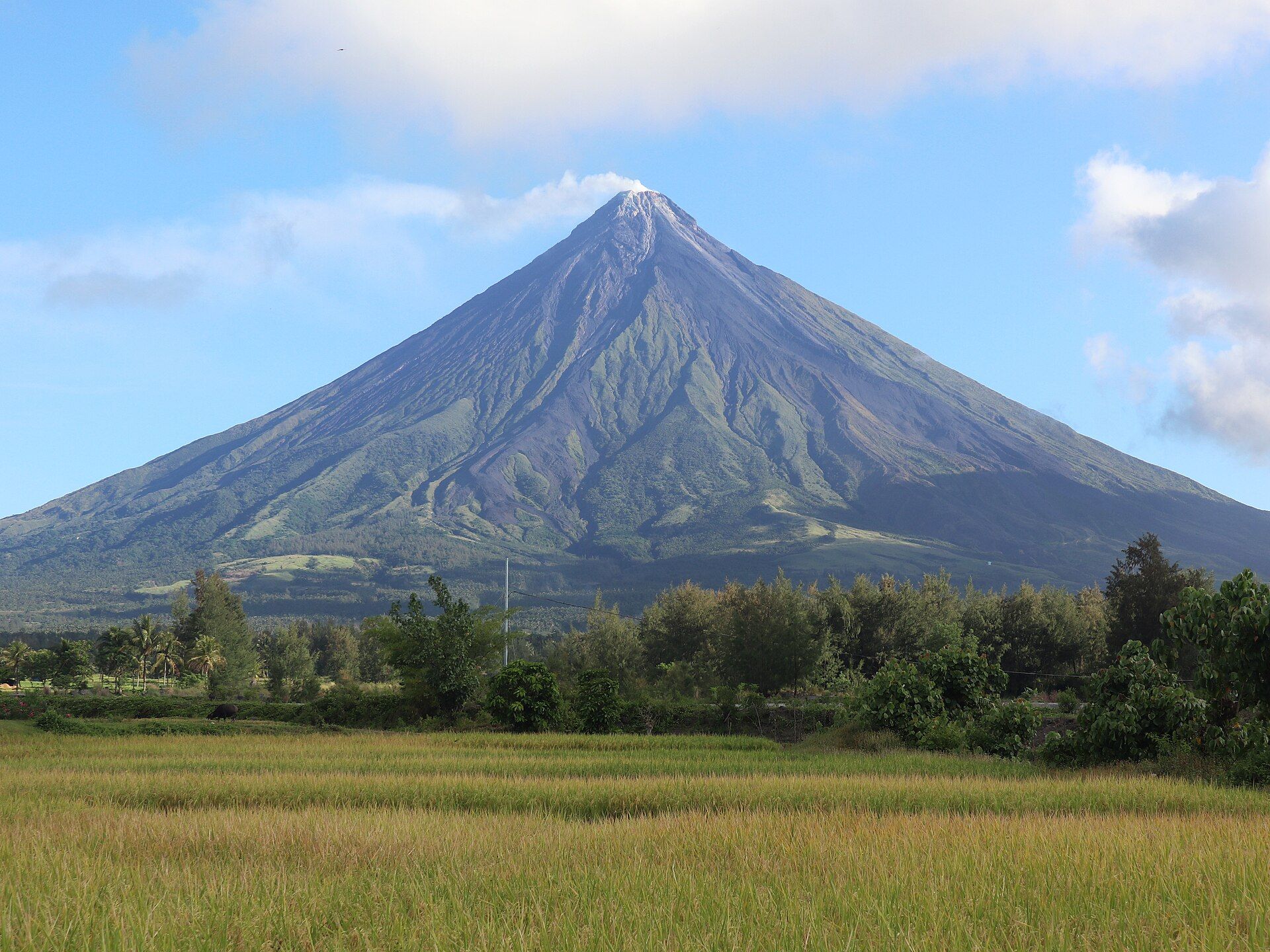
The first is the Pacific Ring of Fire. The Philippines sits where several tectonic plates grind together, which is why it has a chain of active volcanoes running down its length, from Mayon and Taal to Mount Apo. That same tectonic energy builds mountains, opens hot springs, and — over long spans of time — lifts old seabeds into the air, which is how you end up with limestone karst hills far from any coast.
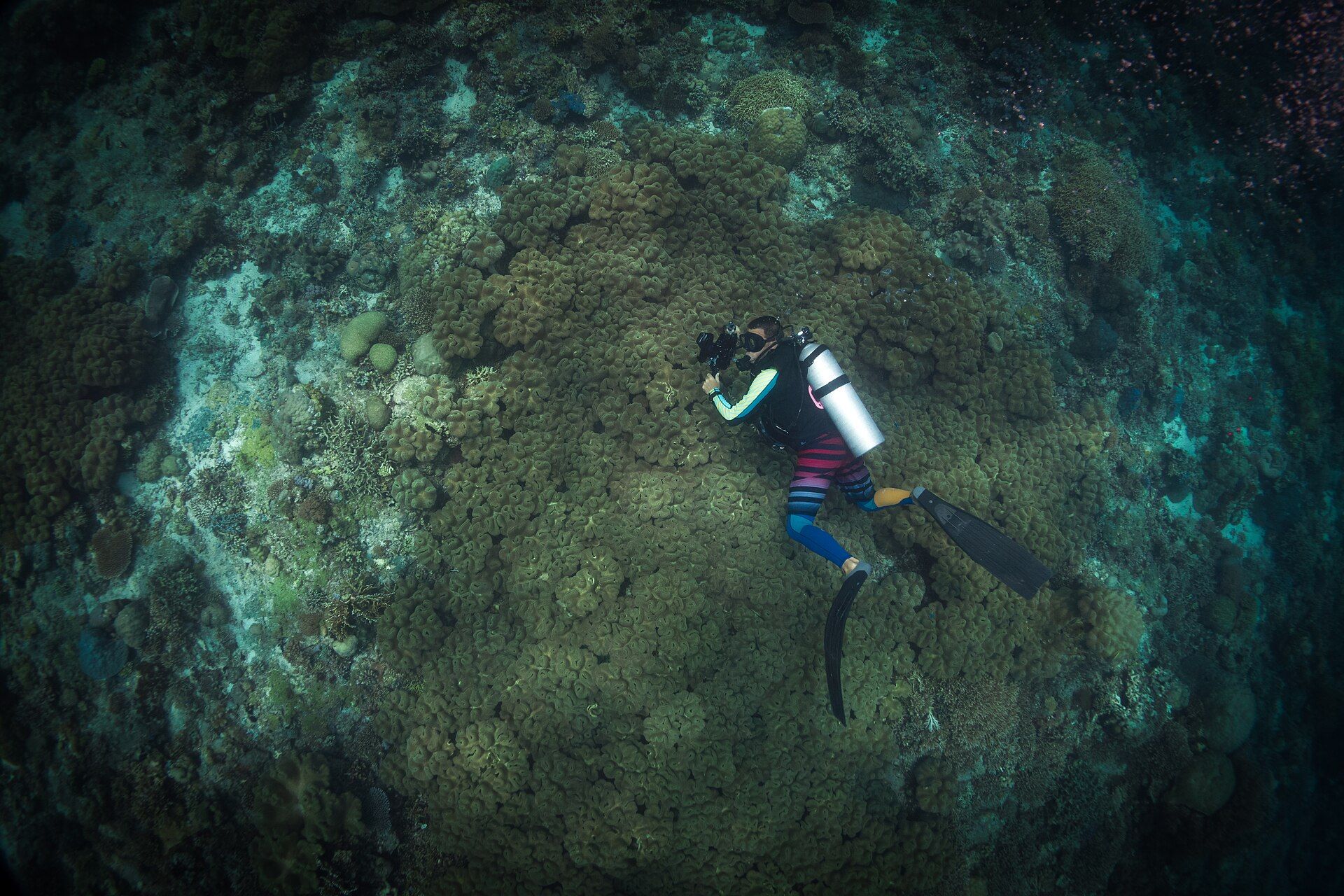
The second is the Coral Triangle, the roughly six-million-square-kilometre stretch of ocean spanning the Philippines, Indonesia, Malaysia, and their neighbours. It is the global centre of marine biodiversity: more coral and reef-fish species live here than anywhere else on Earth. That’s why places like Tubbataha and Apo Reef are world-famous, and why even a beach snorkel can turn up turtles and vivid coral.
Layer heavy tropical rainfall on top — feeding rivers, waterfalls, and vast mangrove forests — and scatter it all across more than 7,600 islands, and you get both staggering variety and high endemism: species that evolved in isolation and live nowhere else. Fire, water, rain, and islands: the Philippines simply got a very generous hand from geology.
Wonders in this article