Living with volcanoes: fear, farming, and the ground that gives back
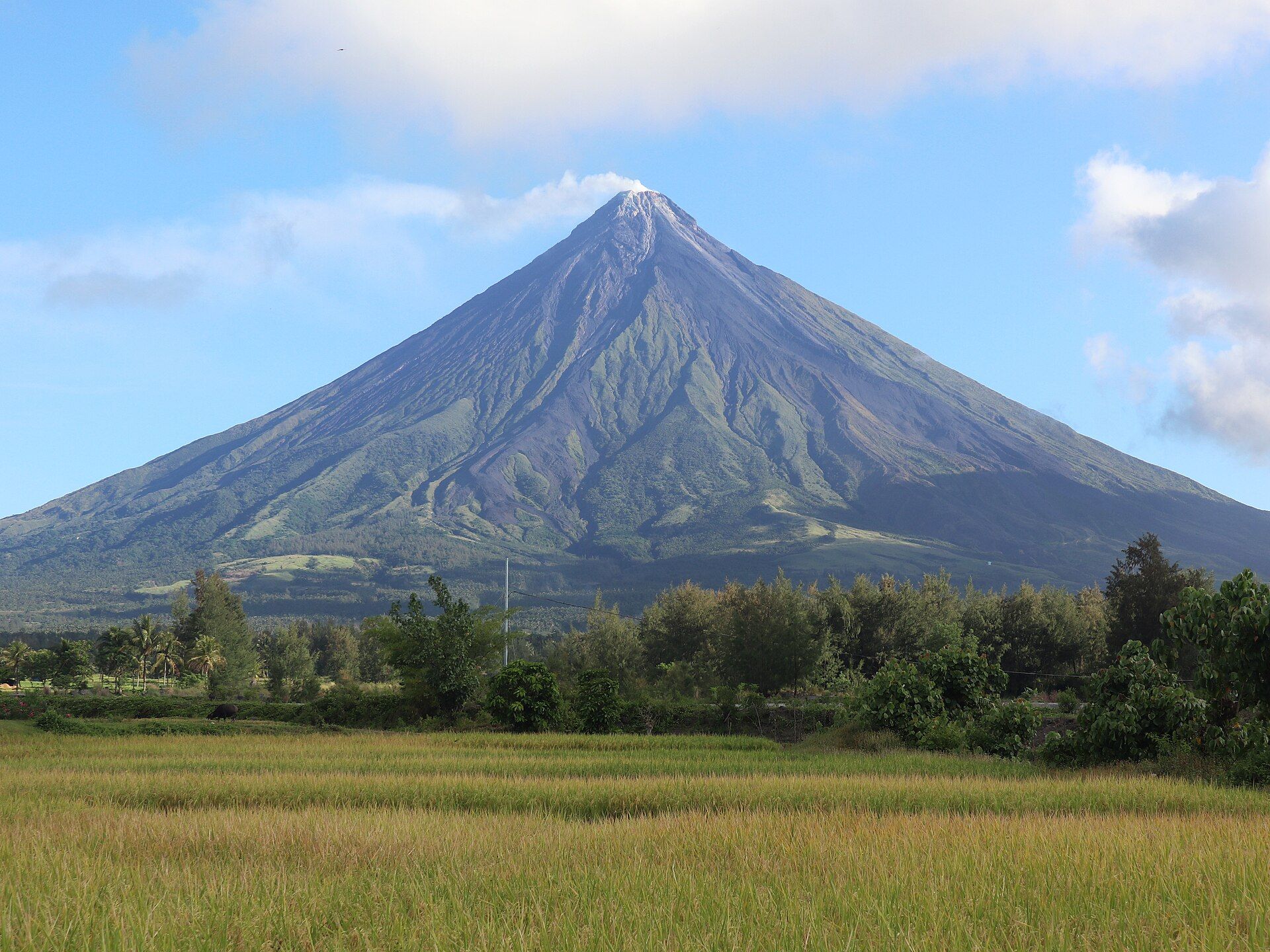
As we write this, Mayon Volcano is erupting — lava on its flanks, ash above its perfect cone, and a six-kilometre danger zone cleared of people. It’s a vivid reminder of the bargain that millions of people around the world live with every day: volcanoes take, and volcanoes give.
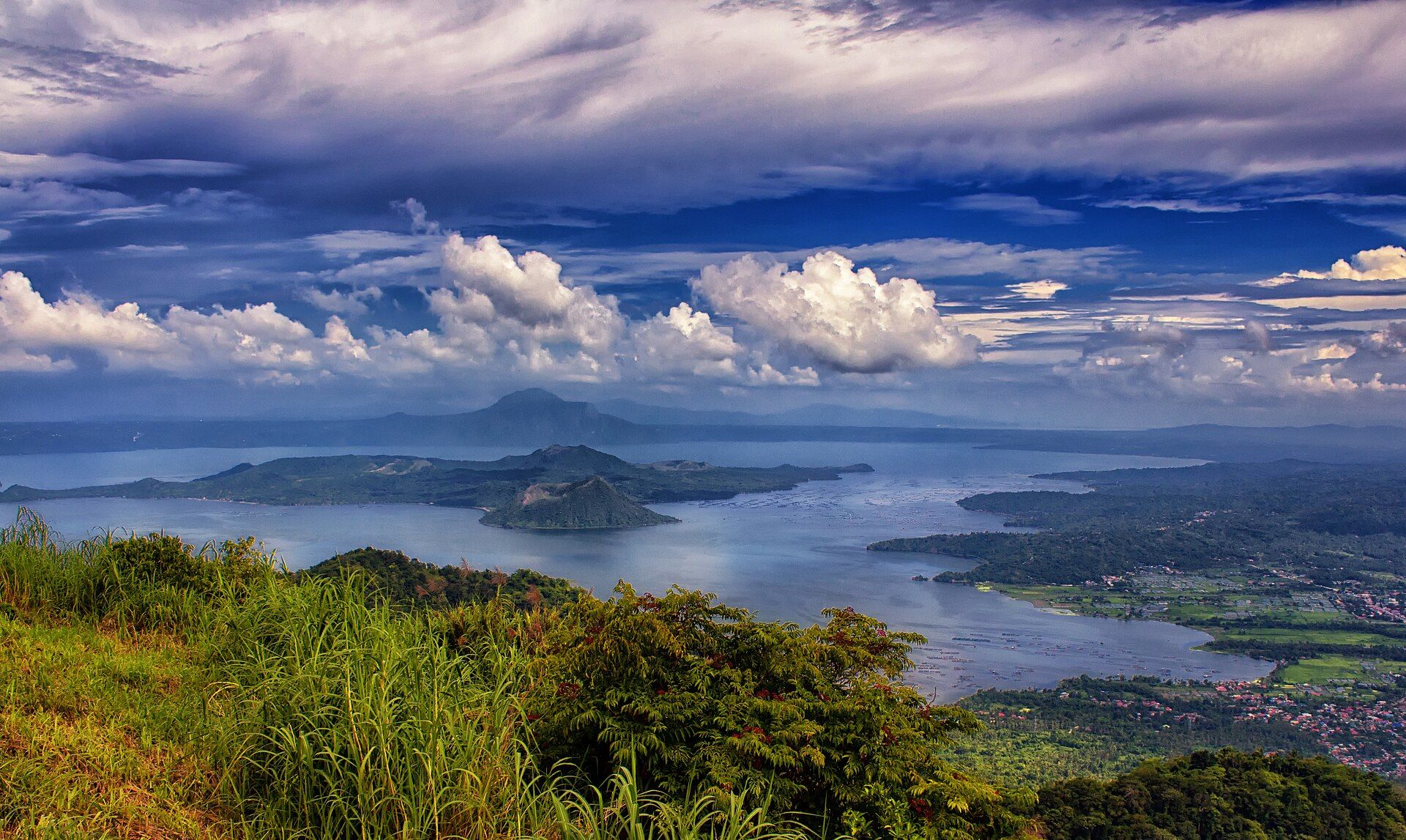
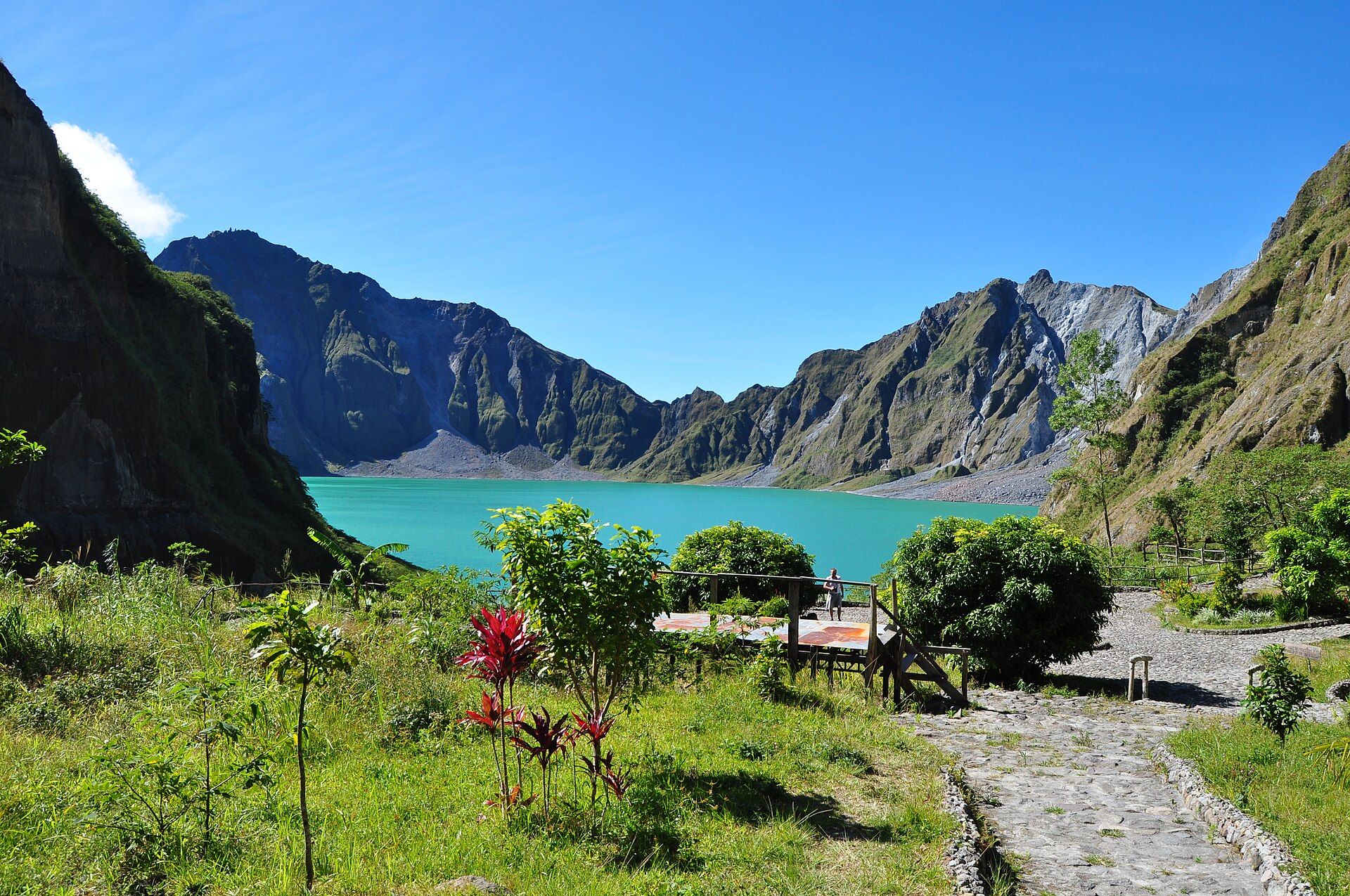
The taking is obvious and sometimes catastrophic. Mayon’s 1814 eruption buried a town; Pinatubo’s 1991 eruption was so large it cooled the whole planet for a couple of years; Taal, a ‘Decade Volcano’ watched closely because it sits near millions of people, drove mass evacuations in 2020. This is why monitoring agencies like the Philippines’ PHIVOLCS exist, and why their alert levels and danger zones are not suggestions but lifelines.
The giving is quieter but just as real. Volcanic ash and lava weather into some of the most fertile soils on Earth. It’s no accident that the slopes around Mayon are prime coconut and abaca country, that Batangas grows famous coffee and pineapple in Taal’s shadow, or that some of the sweetest mangoes in the Philippines ripen on Pinatubo’s flanks. Volcanoes also drive geothermal energy, and their crater lakes and hot springs become wonders in their own right.
People everywhere have learned to hold both truths at once — in Bicol, in Japan, in Iceland, in the shadow of Vesuvius. They farm the rich ground, watch the mountain, heed the warnings, and rebuild. To live with a volcano is to live with a landscape that is unfinished, still being made. Respected from a safe distance, and read honestly, that is not a thing to fear so much as a thing to marvel at.
Wonders in this article