Wildlife · rhinos
The Best Places to See Rhinos in the Wild — Black, White and Greater One-Horned
8 places · every one real, mapped, and worth the trip
Rhinos survive in the wild in a small number of protected strongholds, and most of the places below are exactly that: parks where the animals were brought back from the brink, reintroduced or fenced in to keep them safe. That is also why sightings there are good.
The list is unranked and grouped by species — the greater one-horned rhino of the Brahmaputra and the Terai first, then Africa's black and white rhinos. Each entry gives that park's own best months and how you get in; none of them is a walk-in park, so plan the vehicle or guide before you plan the date.
-
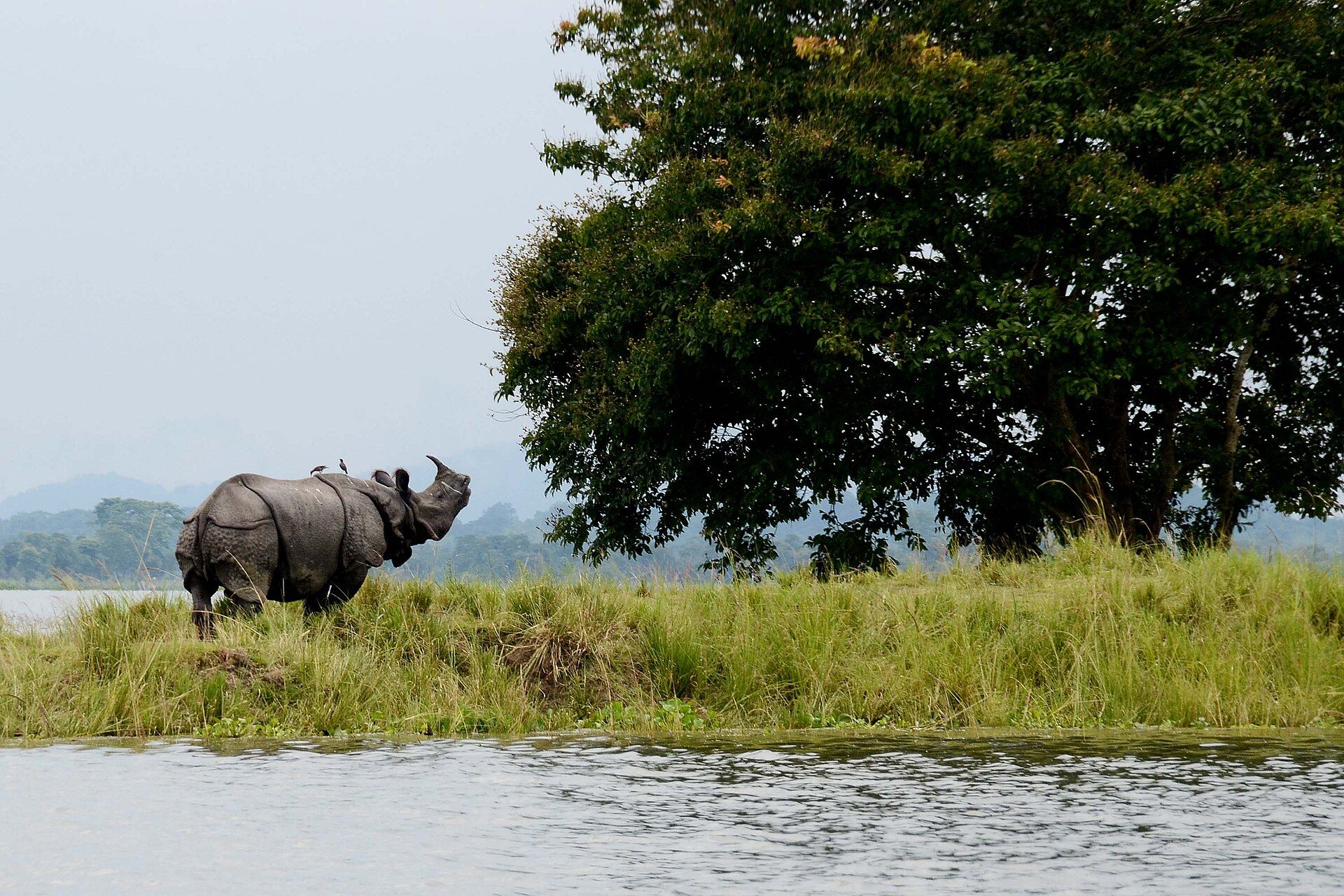
Kaziranga Two-thirds of one-horned rhinos, Nov–Apr
Assam, India
The Brahmaputra floodplain holds the largest population of the greater one-horned rhinoceros on Earth — roughly two-thirds of the species — and rhinos here are near-certain and often close. The park is open in the dry, cool season, roughly November to April; the monsoon floods and closes it. Jeep safaris leave from the range gates, most of them near Kohora; the western and eastern ranges are far quieter than the central one.
-
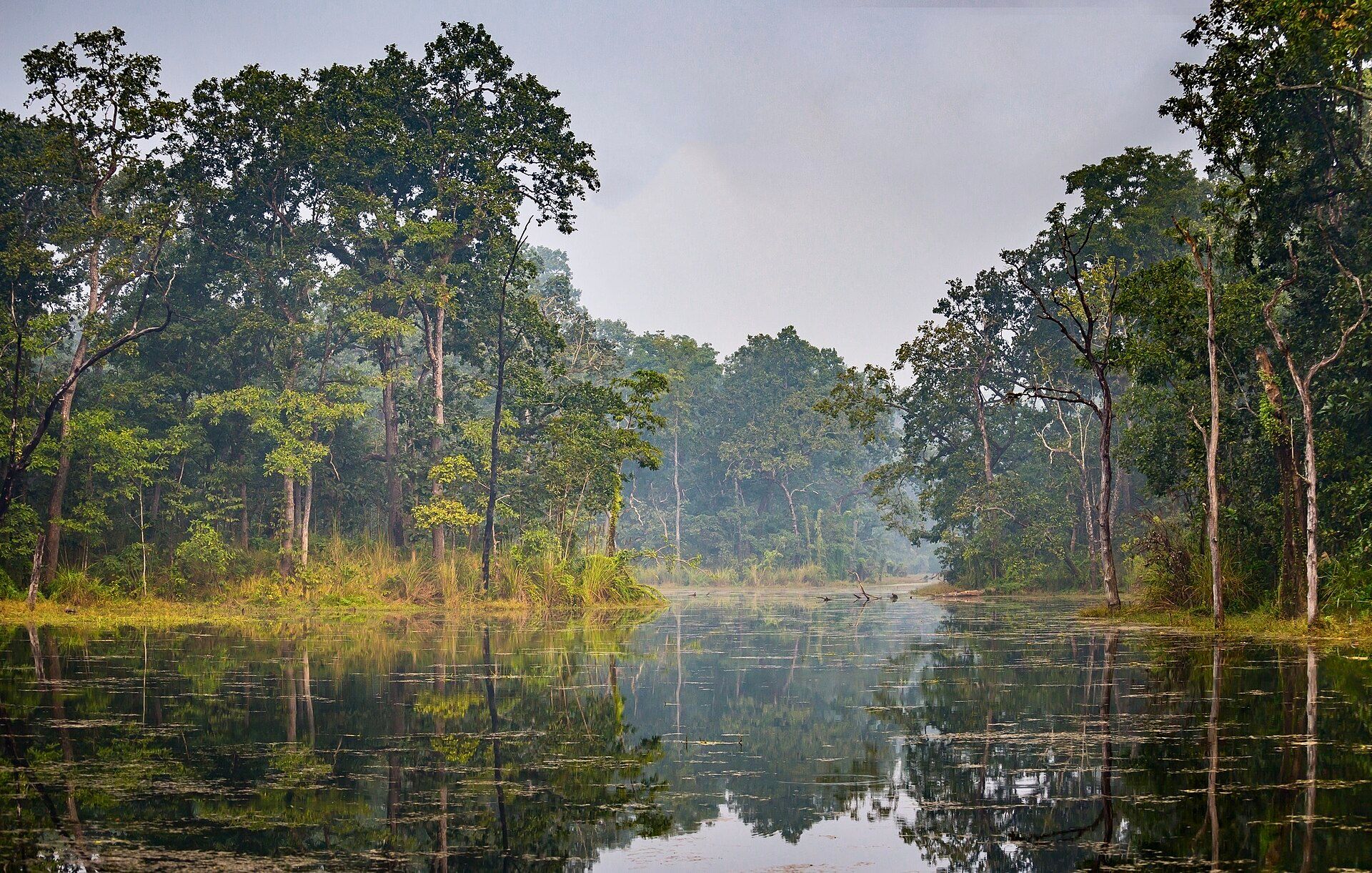
Chitwan National Park One-horned rhinos on foot or by canoe, Oct–Mar
Terai lowlands, southern Nepal
Nepal's first national park, where the greater one-horned rhino has recovered from the brink. Watch them graze the grasslands from a jeep, on a guided walk or drifting downriver in a dugout canoe, with gharials on the banks. October to March is the best season; Sauraha is the gateway, about 5–6 hours by road from Kathmandu or Pokhara or a short flight to Bharatpur, and you enter only with a licensed guide.
-
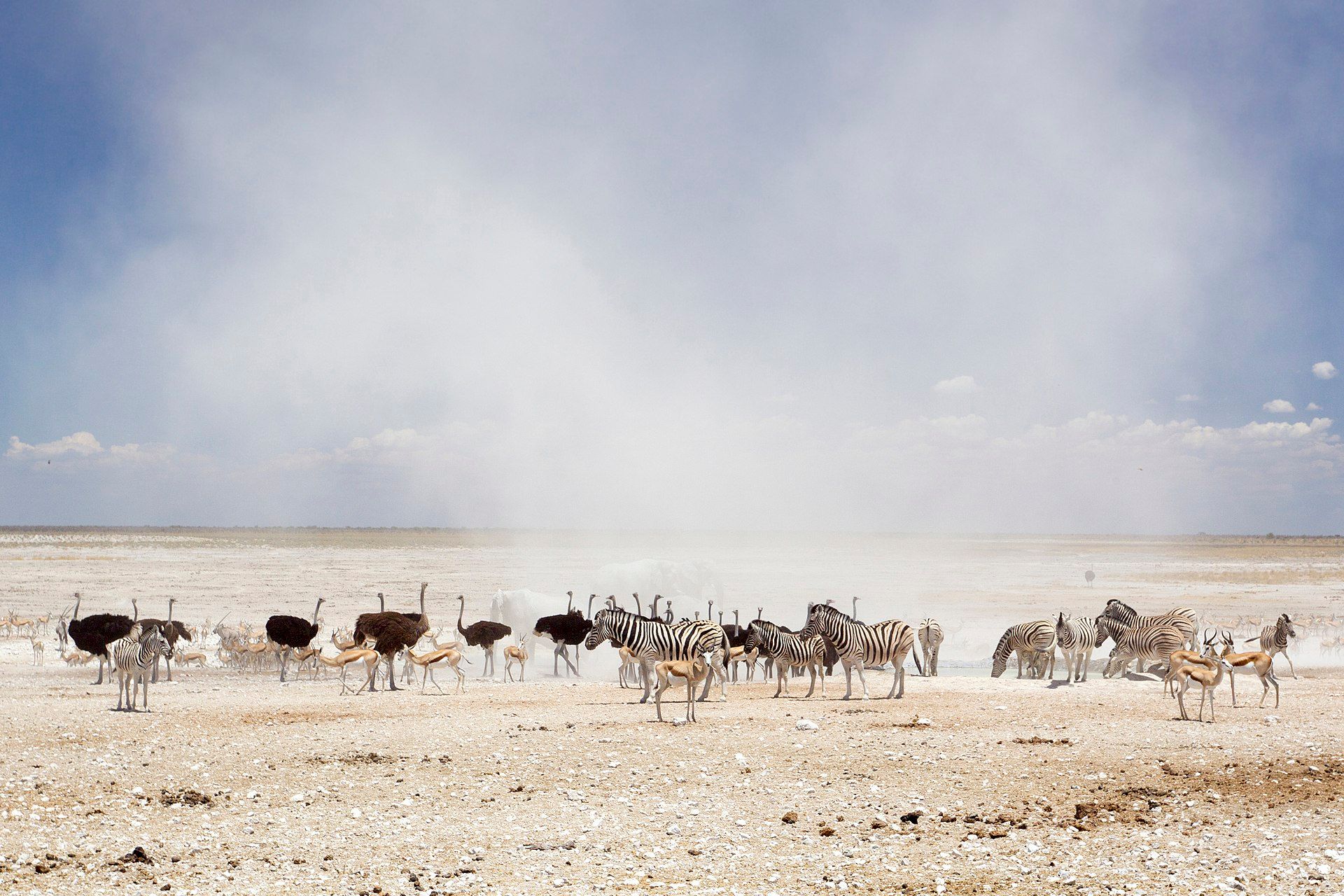
Etosha Pan Black rhinos at the waterholes, Jun–Oct
Northern Namibia
Endangered black rhinos come to the waterholes around the white salt pan along with elephants and lions, often several species at once. Come in the dry season, roughly June to October, and simply wait at a waterhole. An easy self-drive from Windhoek; the rest camps' floodlit waterholes keep the viewing going after dark, and you must be inside a camp by sunset.
-
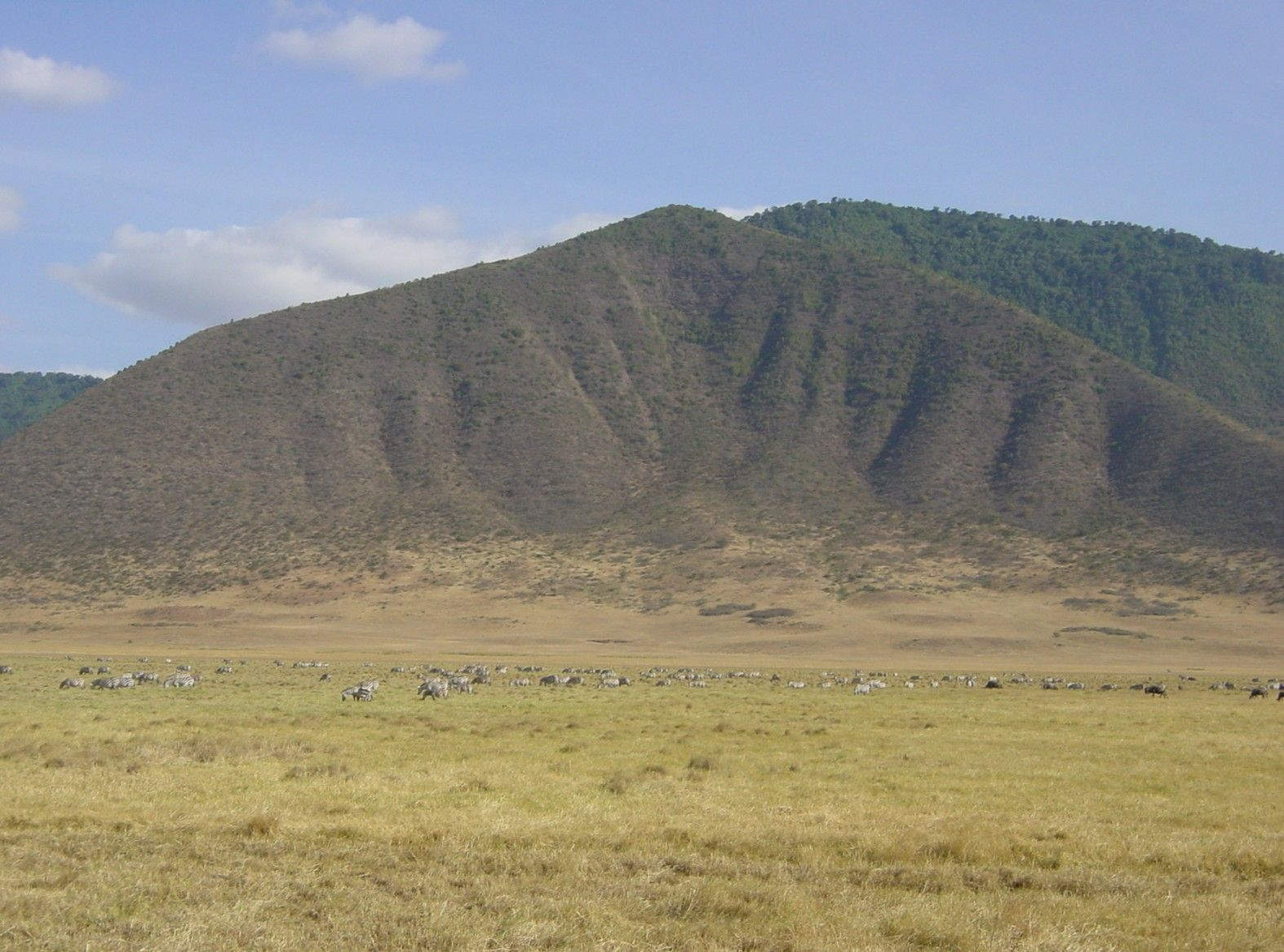
Ngorongoro Crater Black rhinos on the crater floor
Ngorongoro Highlands, Northern Tanzania
One of the surest places left to see the critically endangered black rhino — look near the crater floor, where tens of thousands of animals live year-round inside 600-metre walls. The dry season, June to October, has the easier roads. From Arusha via the Ngorongoro Conservation Area; vehicles descend with licensed guides, and permits and conservation fees apply.
-
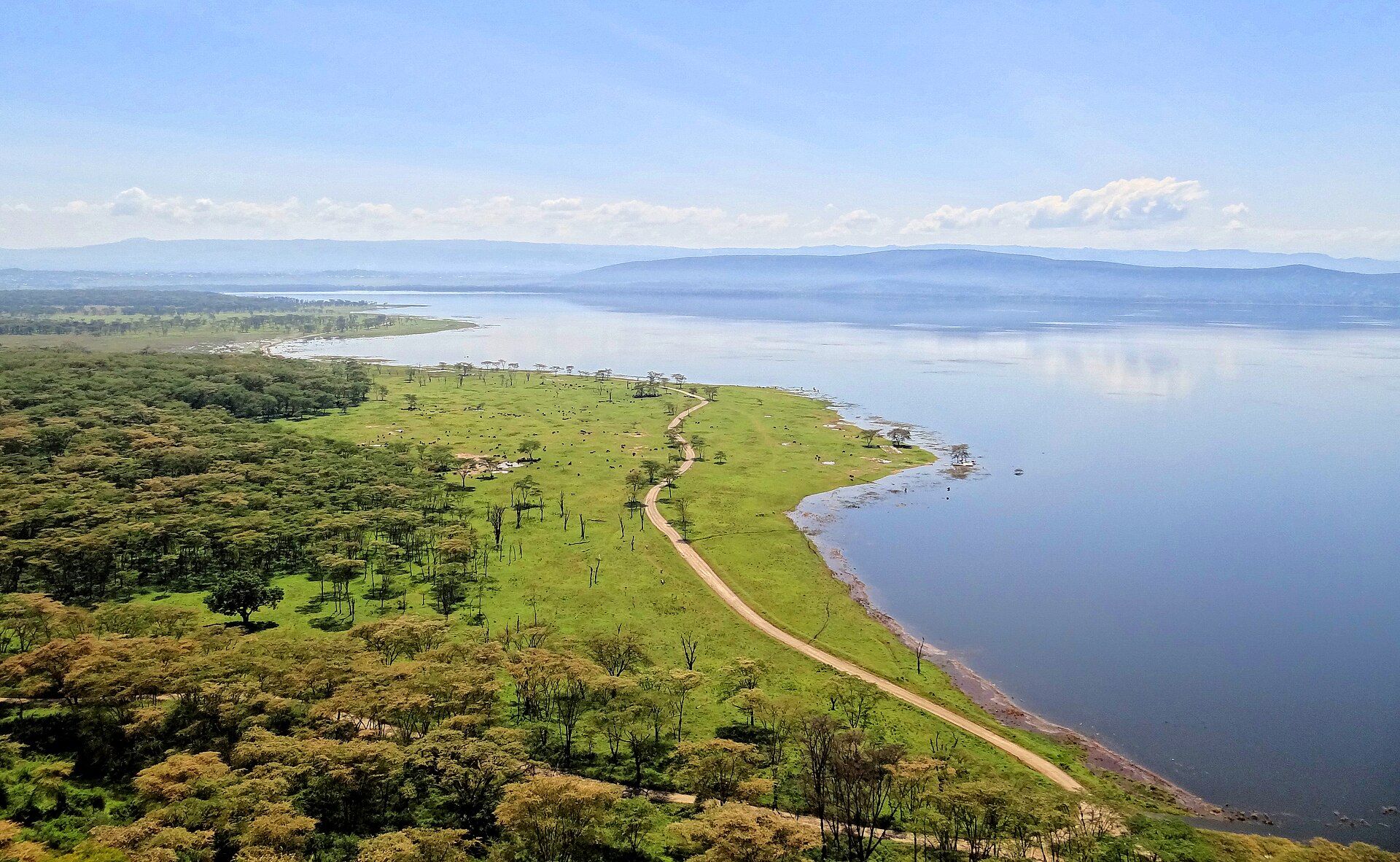
Lake Nakuru Black and white rhinos, fenced sanctuary
Great Rift Valley, central Kenya
A fenced national park around a Rift Valley soda lake, kept as a sanctuary for both black and white rhinos, with lions, leopards and Rothschild's giraffe on the same drive. The drier months are easiest for game-viewing. About 2.5–3 hours by road northwest of Nairobi, explored by safari vehicle; flamingo numbers depend on the lake level, so treat them as a bonus.
-
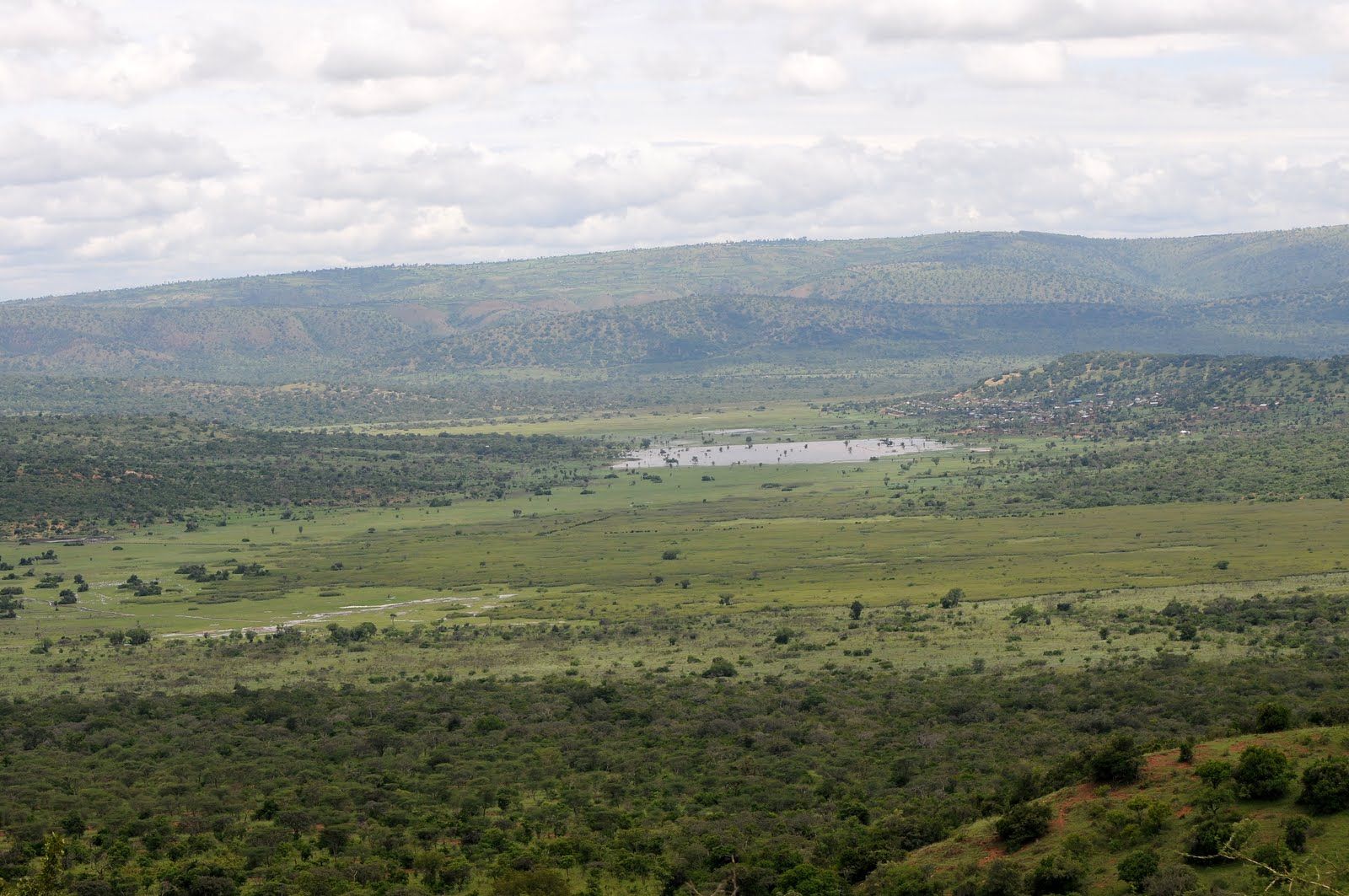
Akagera National Park Rhinos returned to Rwanda
Eastern Province, Rwanda
Eastern black rhinos were reintroduced in 2017 and southern white rhinos from 2021, after lions in 2015 — making Akagera Rwanda's only Big Five park. The drier months, roughly June to September and December to February, concentrate animals near water. About 2.5–3 hours east of Kigali; self-drive is allowed with a high-clearance vehicle, and a park guide hired at the gate knows where the rhinos have been moving.
-
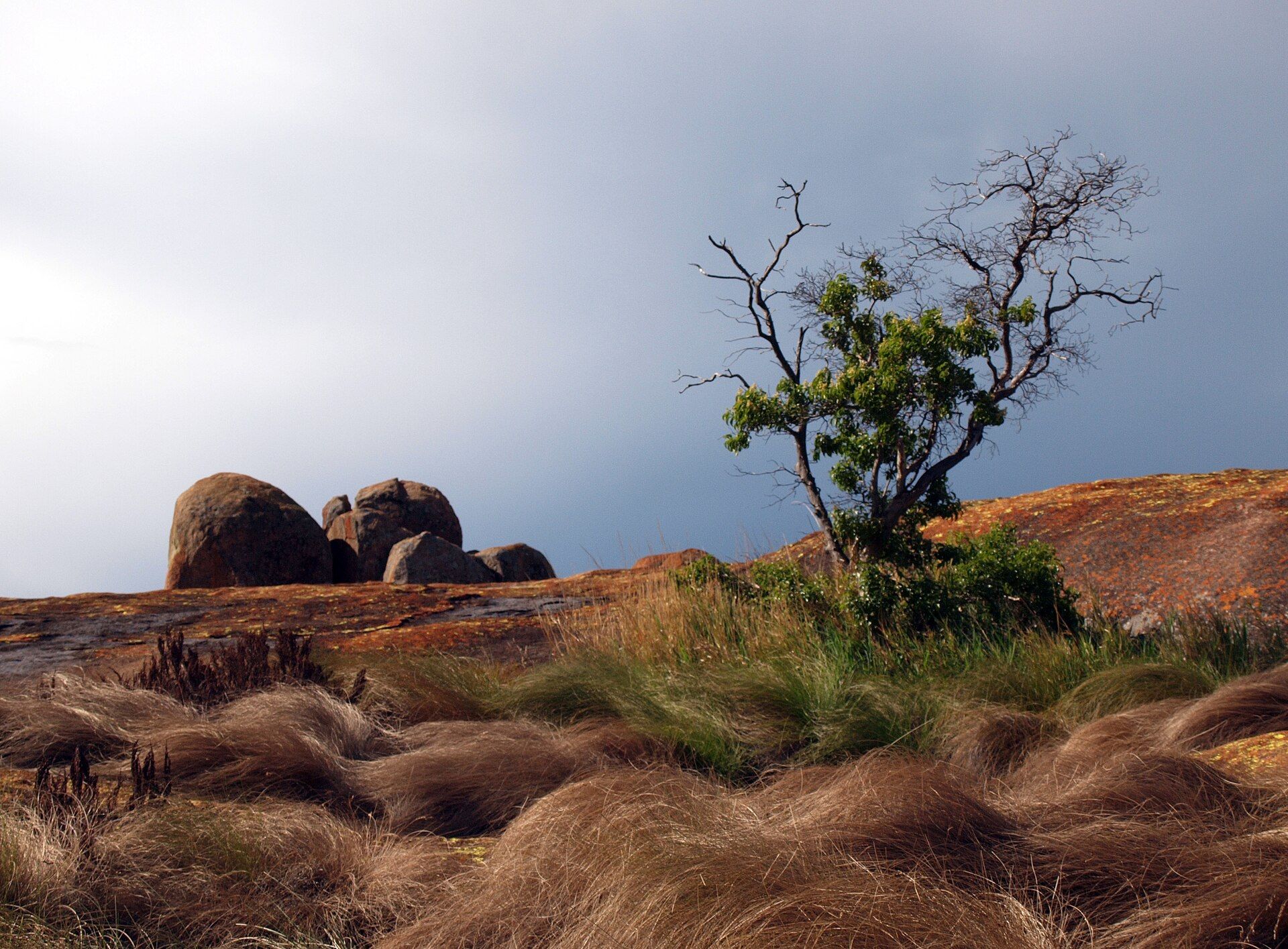
Matobo Hills Rhinos among granite kopjes
Matabeleland South, Zimbabwe, about 30 km south of Bulawayo
Matobo National Park is one of three intensive rhino protection zones in Zimbabwe's parks estate, with both black and white rhinos in the valleys between granite domes. The dry, cooler months, roughly April to October, are best. About 30 km south of Bulawayo on Matopos Road; follow ranger instructions and park walking rules — rhinos with calves are a real hazard.
-
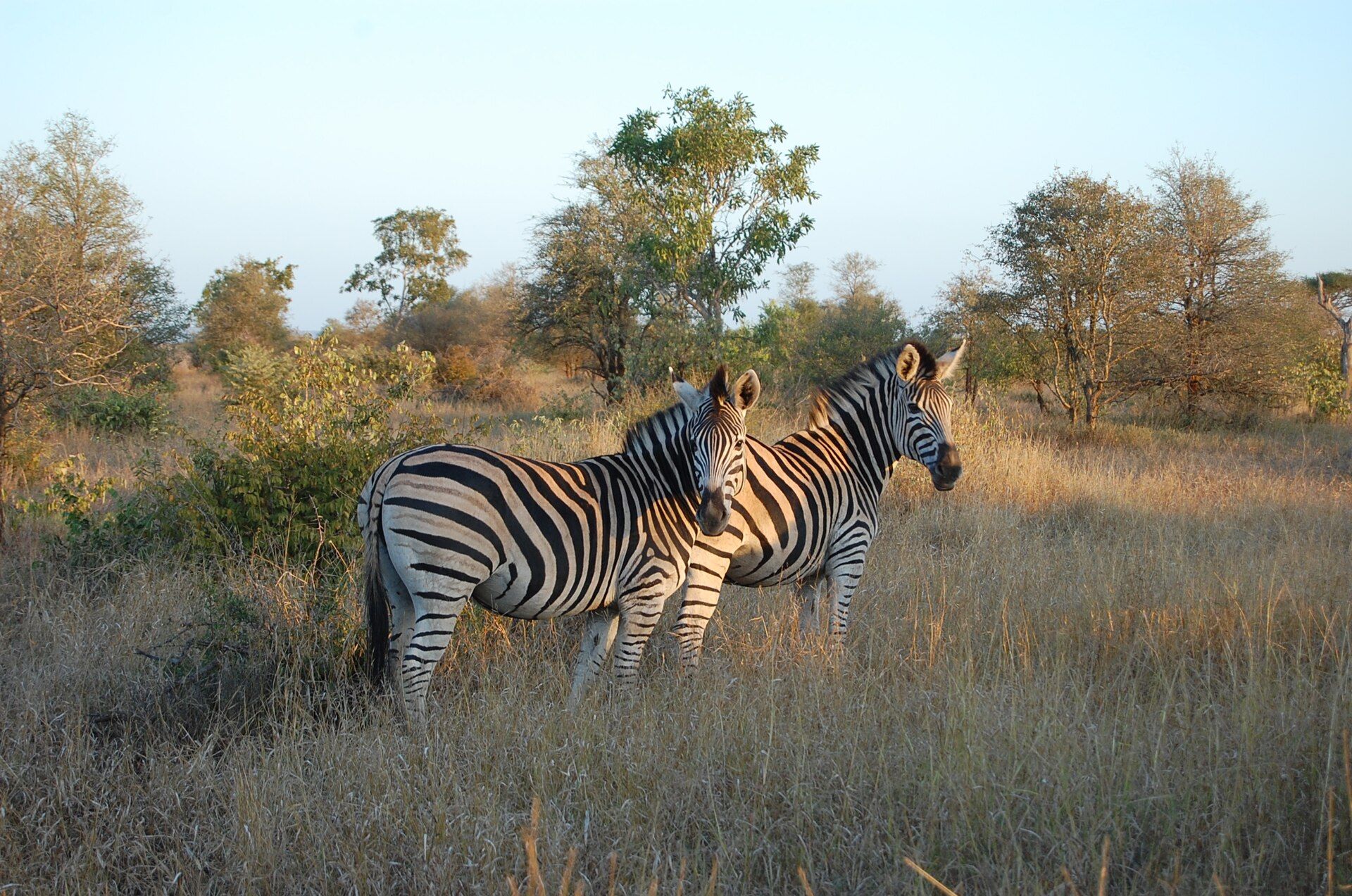
Kruger National Park Self-drive Big Five, May–Sep
Mpumalanga & Limpopo, South Africa
Nearly 20,000 km² of bushveld holding a significant share of the world's remaining wild rhinos, alongside the rest of the Big Five. The dry winter, roughly May to September, makes animals easiest to spot as the vegetation thins. Drive the roads yourself between rest camps, stay in your vehicle, and add a guided dawn or night drive for better odds.
Two rules hold across the list. First, the season: every park here is easier in its dry months, when grass is short and animals come to water — and Kaziranga is closed outside them. Second, the rules of access: licensed guides in Chitwan and Ngorongoro, jeeps from set range gates in Kaziranga, camp gate times in Etosha and Kruger, ranger instructions on foot in Matobo. For the one-horned rhino, Kaziranga is the near-certain sighting and Chitwan the more varied trip; for black rhinos, Etosha's waterholes and the Ngorongoro Crater floor.
Added