Head to head · Two sides of Iceland's southeast glacier coast
Jökulsárlón vs Vatnajökull Ice Caves: Glacier Lagoon or Ice Cave Tour?
Jökulsárlón and the Vatnajökull ice caves are next to each other on Iceland's southeast coast, about 5–6 hours from Reykjavík on the Ring Road in good conditions, and both belong to Vatnajökull National Park, a UNESCO World Heritage Site. The question is less which to visit than which to plan your trip around, because they work in opposite seasons.
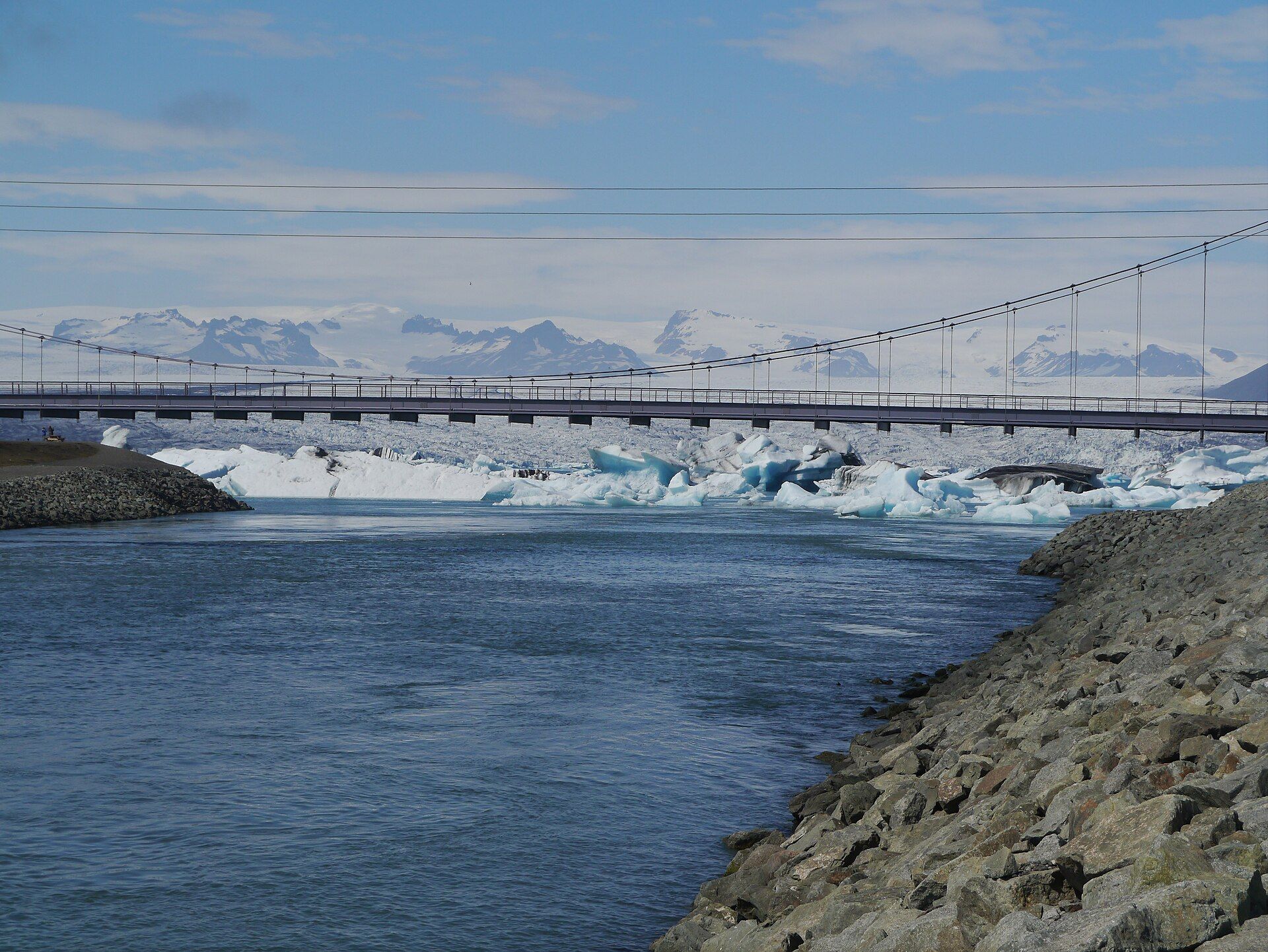
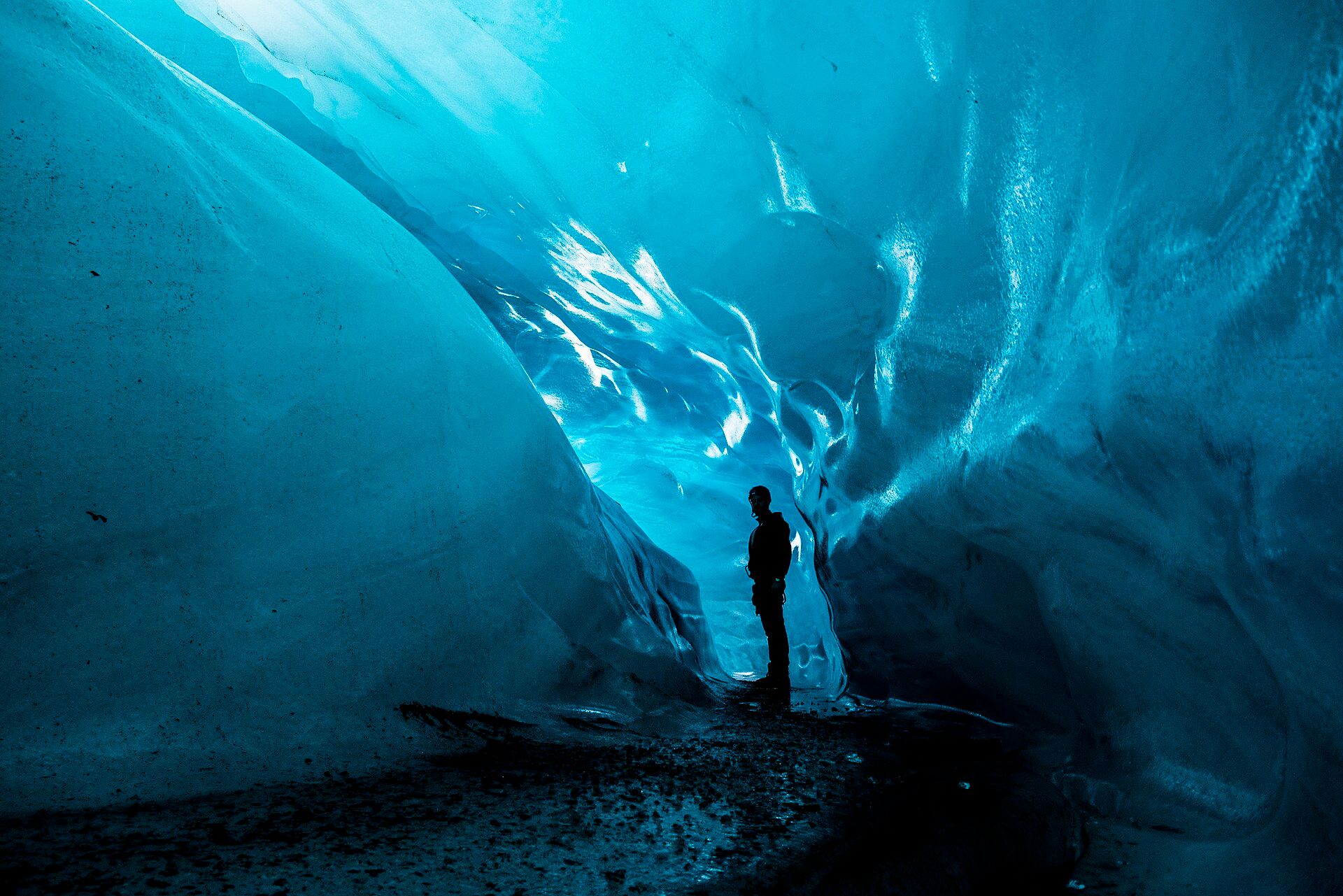
Jökulsárlón is a glacier lagoon over 200 m deep where icebergs calved from Breiðamerkurjökull drift out to sea and wash up on the black sand of Diamond Beach. It is open access and easy walking, with boat tours in summer. The ice caves are tunnels melted into Europe's largest ice cap that glow blue inside; natural caves are stable only from roughly November to March, and you can enter them only with a licensed guide.
Jökulsárlón
Icebergs, seals and Diamond Beach — free to view
Jökulsárlón formed in the twentieth century as Breiðamerkurjökull retreated, and its icebergs drift across the lagoon before passing through a short channel to the Atlantic. The lagoon and Diamond Beach across the road are open access (parking is charged), with a café and toilets at the car park. Amphibious and Zodiac boat tours run seasonally; May to September brings mild weather and long daylight, and winter brings northern lights over the ice. Allow 1–2 hours, or a full day with a boat tour or an ice cave.
- Open access and easy, flat walking — no guide needed
- Works year-round; summer boat tours, winter aurora
- Diamond Beach just across the road
Vatnajökull ice caves
Guided winter trips into glowing blue glacier ice
Vatnajökull is Europe's largest ice cap, covering some 8% of Iceland. Meltwater carves tunnels into it each autumn; when winter freezes them they become caves of dense, air-free ice that glows blue. Every cave is temporary — new each winter, gone by spring. Tours meet near the glacier, transfer 30 minutes to an hour by super-jeep to the glacier margin, and supply helmets and crampons; a tour takes 3–4 hours. Outside roughly November–March, tours use a man-made tunnel or a different glacier.
- Inside the glacier — the deep blue ice light is unlike anything at the lagoon
- Small guided groups with helmets and crampons supplied
- Combines with the lagoon on the same winter day
Head to head
| What matters | Jökulsárlón | Vatnajökull ice caves |
|---|---|---|
| Season Edge: Jökulsárlón | Open all year. May–September for boat tours and long daylight; winter for northern lights over the ice. | Natural caves only roughly November–March, when they are frozen and stable; otherwise man-made tunnels or another glacier. |
| Guide needed? Edge: Jökulsárlón | No — the lagoon and beach are open access; boat tours are optional. | Yes — entering a glacier cave unguided is not permitted. |
| What you see Edge: Toss-up | Shifting blue and white icebergs on the lagoon and ice shards on black sand — different every day with calving and tide. | Chambers of compressed glacier ice glowing blue, deepest on overcast days. |
| Effort Edge: Jökulsárlón | Easy: flat gravel and black sand. The hazards are cold, wind and sneaker waves on Diamond Beach. | Moderate: uneven ice, low ceilings, a walk or drive across moraine; crampons and helmet worn. |
| Time Edge: Toss-up | 1–2 hours; a full day with a boat tour. | 3–4 hours for a cave tour. |
| Reliability Edge: Jökulsárlón | Always there, though what's in the lagoon changes daily — some days packed with ice, some nearly clear. | Tours are cancelled at short notice if meltwater or warm weather makes a cave unsafe, and no named cave is guaranteed to exist this year. |
| Getting there Edge: Toss-up | Route 1, roughly 5–6 hours from Reykjavík in good conditions (longer in winter); most people break the drive at Vík or stay near Höfn. | Same drive; meet your guide at a designated point near the glacier, or take a tour that collects you. |
Which should you choose?
Choose Jökulsárlón if…
…you are travelling in summer, want something free and easy that needs no booking, or are driving the Ring Road and can only spare a couple of hours.
Choose Vatnajökull ice caves if…
…you are travelling between November and March and want to go inside the glacier — and can keep a flexible day in case the tour is cancelled.
The honest verdict
Choose Jökulsárlón if you're in Iceland outside the November–March cave season, or if you don't want to commit to a guided tour. It's free to walk, needs no booking, and an hour or two covers the lagoon and Diamond Beach; add a boat tour in summer for a closer look at the bergs. Stay off the icebergs and well back from the water on the beach.
Choose an ice cave tour if you're there between November and March. It's the only time natural caves are safe, it requires a licensed guide, and the experience — standing inside blue glacier ice — is something the lagoon can't give you. Book a tour that collects you if you aren't confident driving the south coast in winter storms, and leave slack in your plans for cancellations.
In winter you don't have to choose: cave tours meet near the lagoon, so the same day can include both. In summer, the lagoon is the trip.
Wonders mentioned here
Added