Places · Sri Lanka

Natural Wonders of Sri Lanka: The 4 Most Beautiful Places to Visit

4 places in the atlas

Sri Lanka squeezes an outsized range of nature into a small island. A central massif rises above 2,000 metres into cool grassland and cloud forest at Horton Plains, its rim dropping away at World's End. The wet southwest holds Sinharaja, the island's last great primary rainforest and a biodiversity hotspot. From the dry-zone plains rises Sigiriya, a sheer volcanic-rock monolith, while reefs, lagoons, and elephant-rich national parks ring the coast. Endemism is remarkably high across the island's plants and animals. Below are the 4 natural wonders of Sri Lanka in the atlas — the most beautiful places to build a trip around, each with what makes it remarkable, when to go, and how to reach it. Best overall time: The island has two monsoons, so somewhere is usually dry: the west and south are best from December to March, the east from May to September.
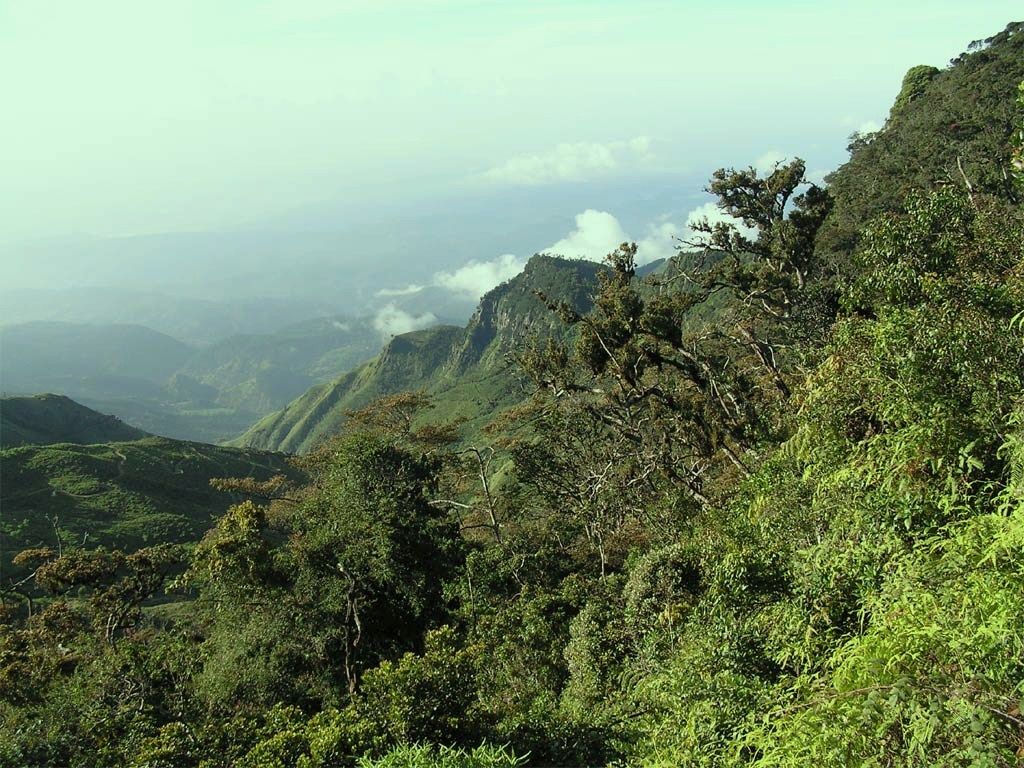
Horton Plains & World's End, Central Highlands, Sri Lanka

Horton Plains & World's End

Central Highlands, Sri Lanka

A high, misty plateau of montane grassland and cloud forest in Sri Lanka's highlands, ending abruptly at World's End — a sheer escarpment that drops nearly 900 metres to the plains.

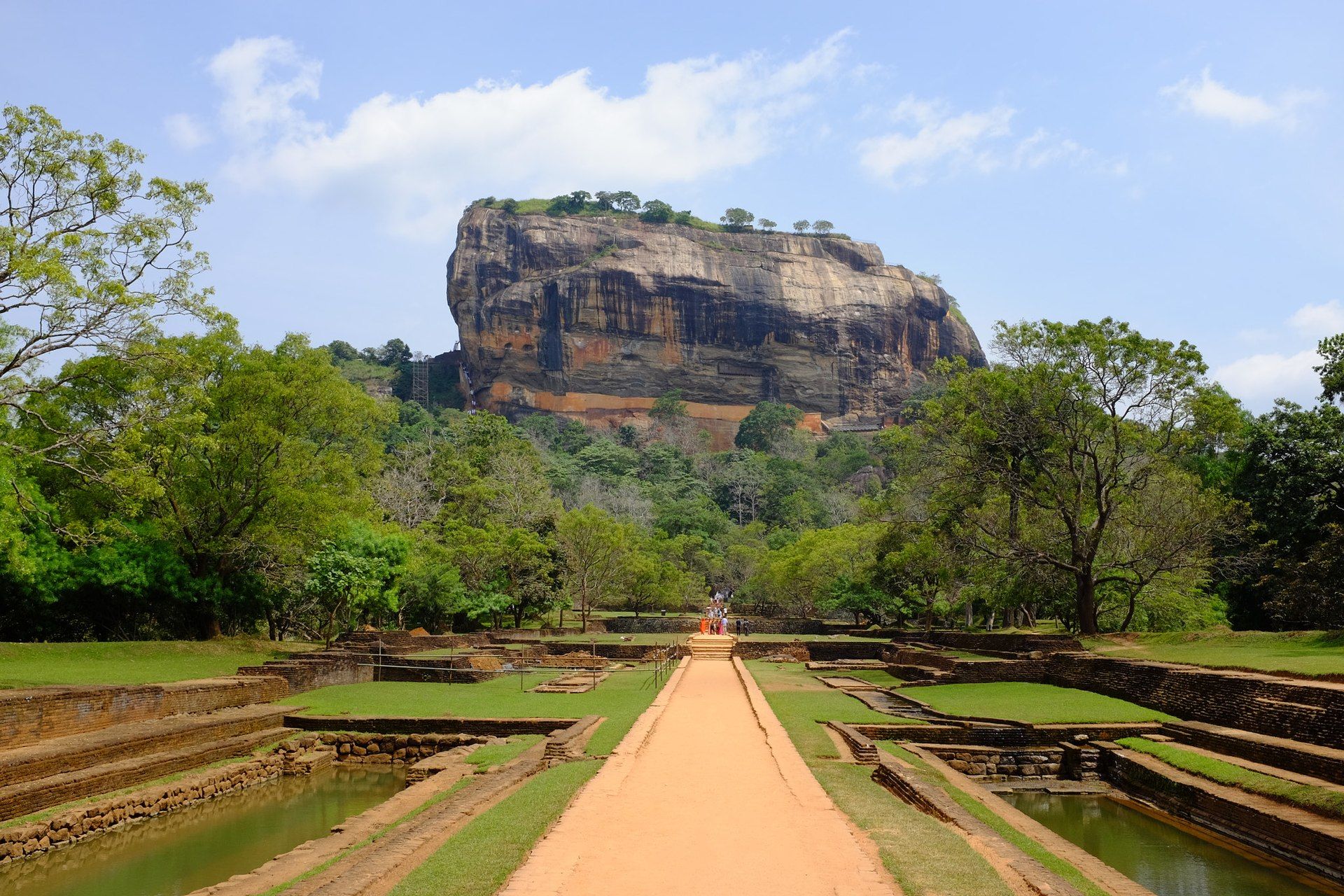
Sigiriya, Central Province, Sri Lanka

Sigiriya

Central Province, Sri Lanka

A sheer 200-metre column of ancient volcanic rock rising abruptly from the green plains of central Sri Lanka — a natural monolith crowned by the ruins of a 5th-century sky palace.

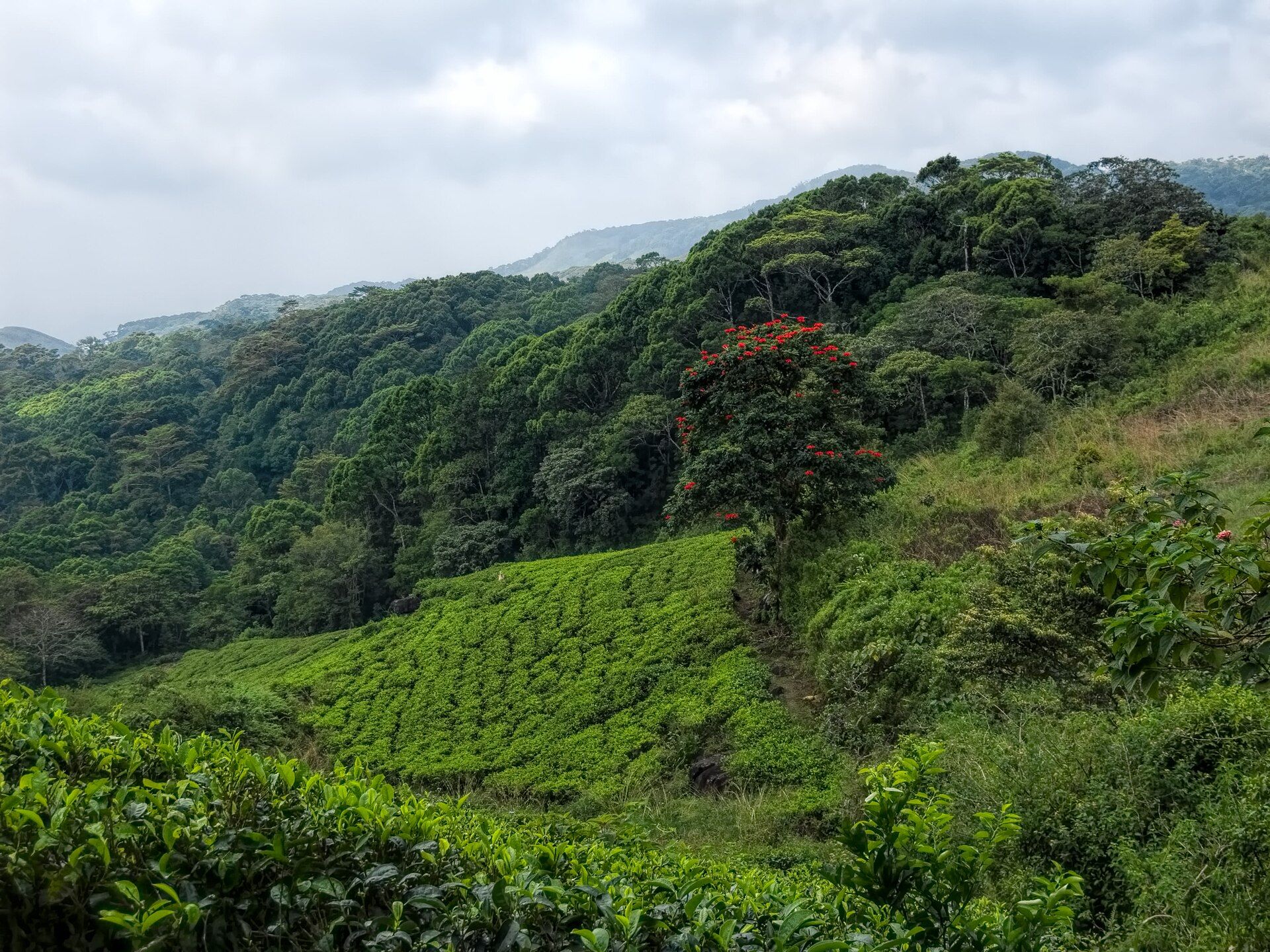
Sinharaja Forest Reserve, Sabaragamuwa & Southern Provinces, Sri Lanka

Sinharaja Forest Reserve

Sabaragamuwa & Southern Provinces, Sri Lanka

Sri Lanka's last great stretch of primary lowland rainforest — a dense, dripping, biodiversity hotspot where more than half the island's endemic trees, birds, and mammals are found.

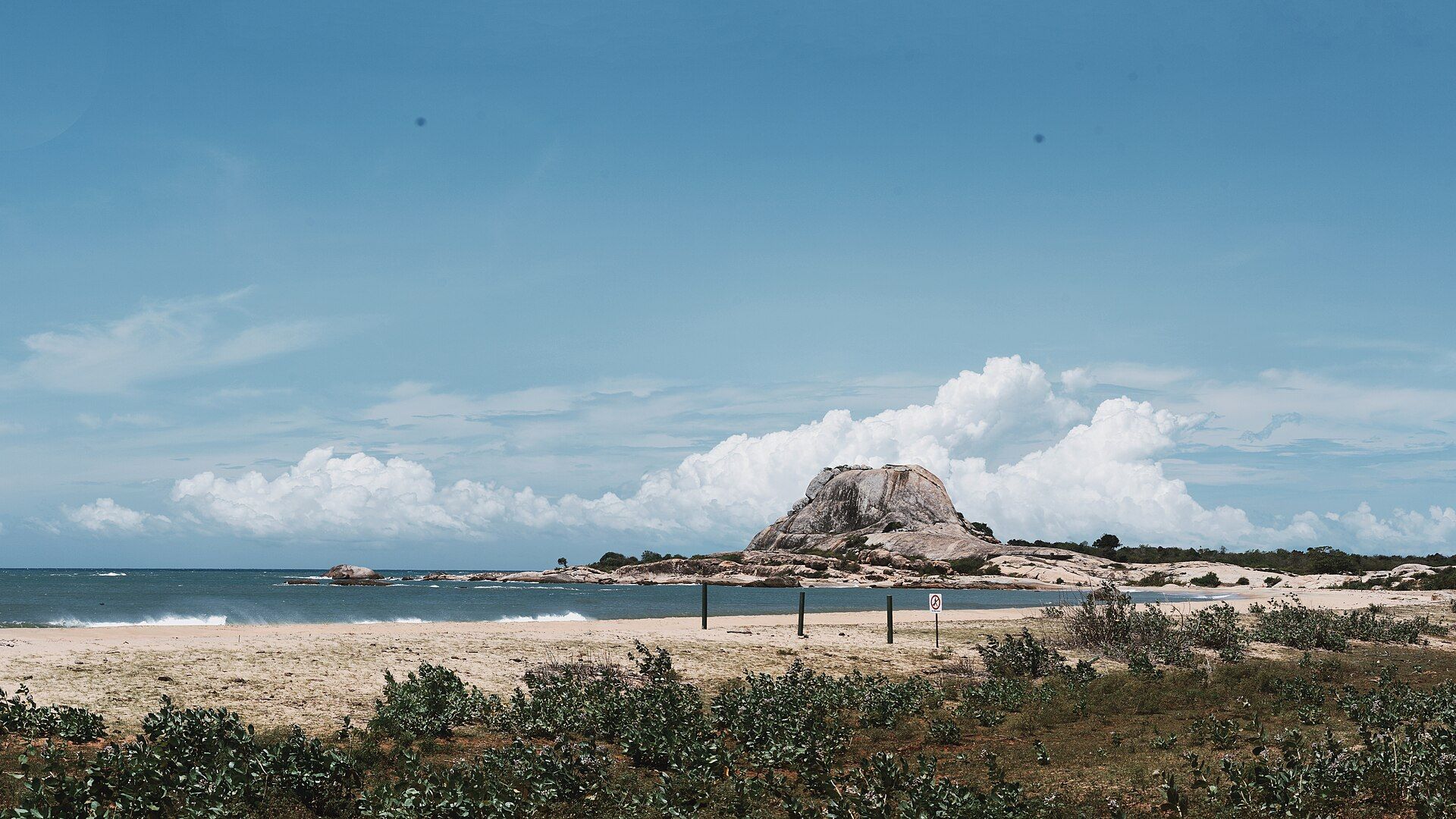
Yala National Park, Southern and Uva Provinces, southeastern Sri Lanka

Yala National Park

Southern and Uva Provinces, southeastern Sri Lanka

Dry-zone scrub, lagoons and granite outcrops on Sri Lanka's southeast coast — thought to hold the highest density of leopards per square kilometre anywhere, in a park that partly closes each year when the water runs out.