Head to head · Two stops on Tanzania's northern circuit
Ngorongoro vs Tarangire: Which Should You Choose on a Northern Tanzania Safari?
Ngorongoro and Tarangire are both on Tanzania's northern safari circuit out of Arusha, and many itineraries include both alongside the Serengeti. When days are short, the choice comes down to what kind of wildlife experience you want and when you are travelling.
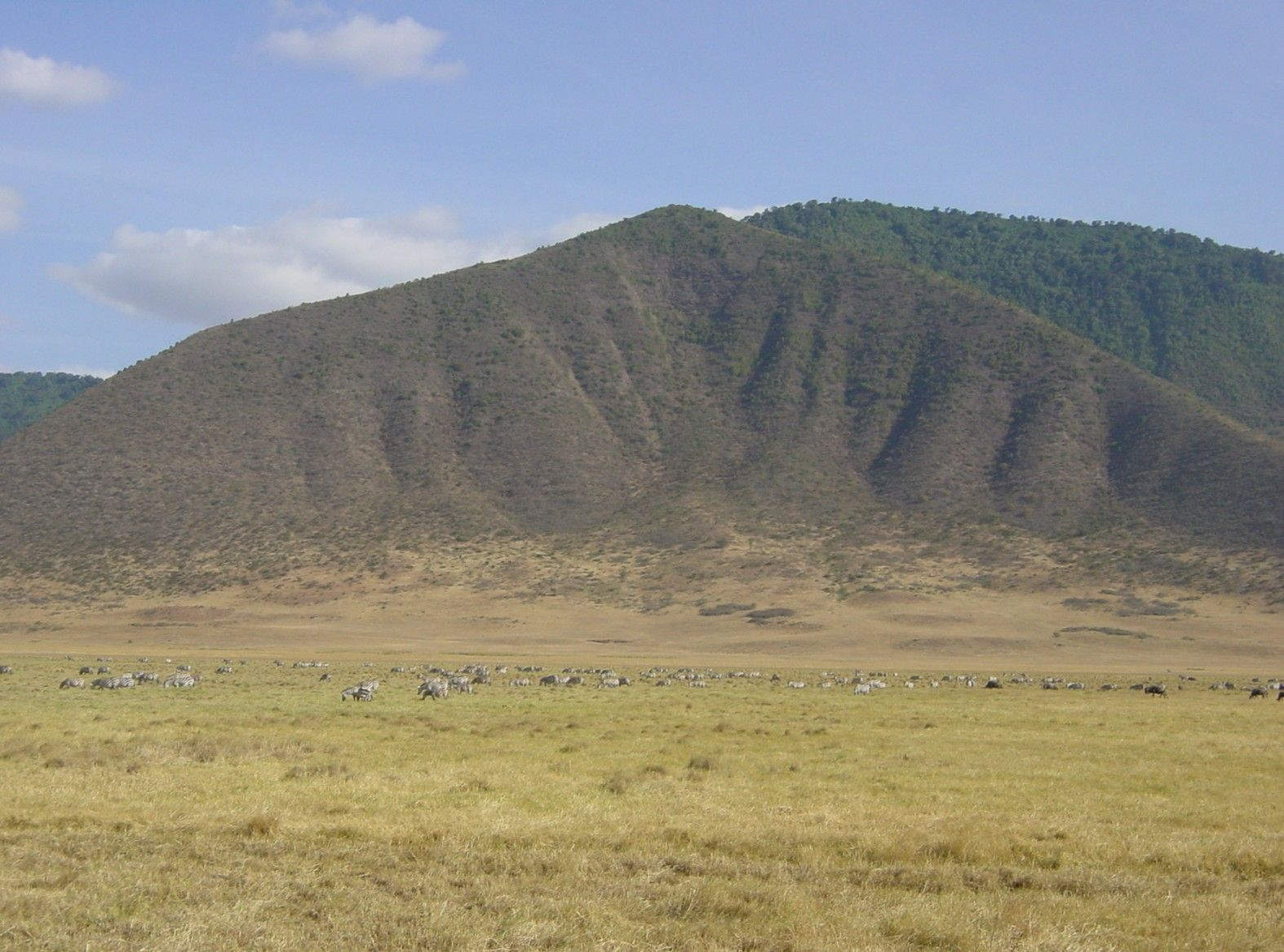
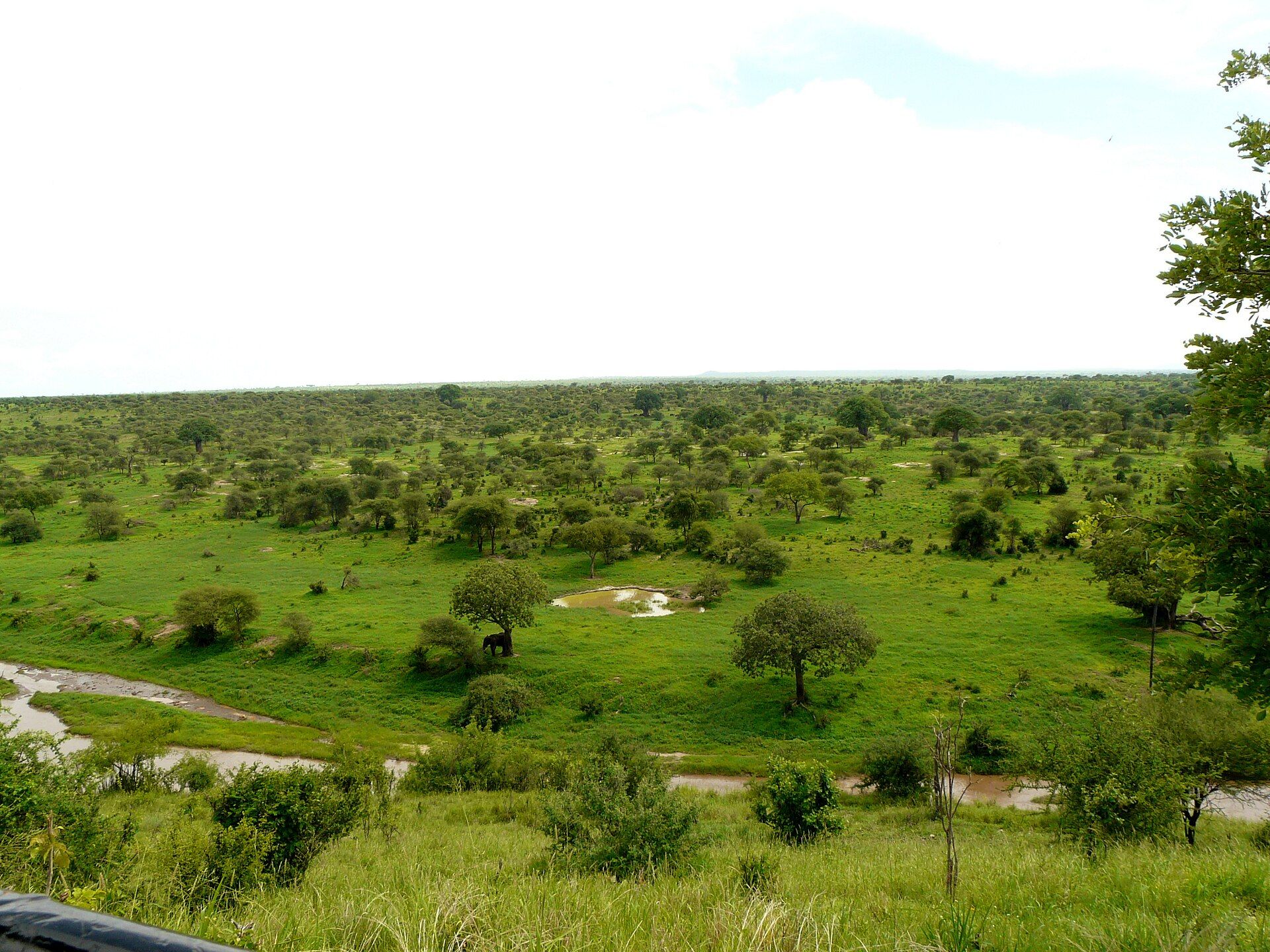
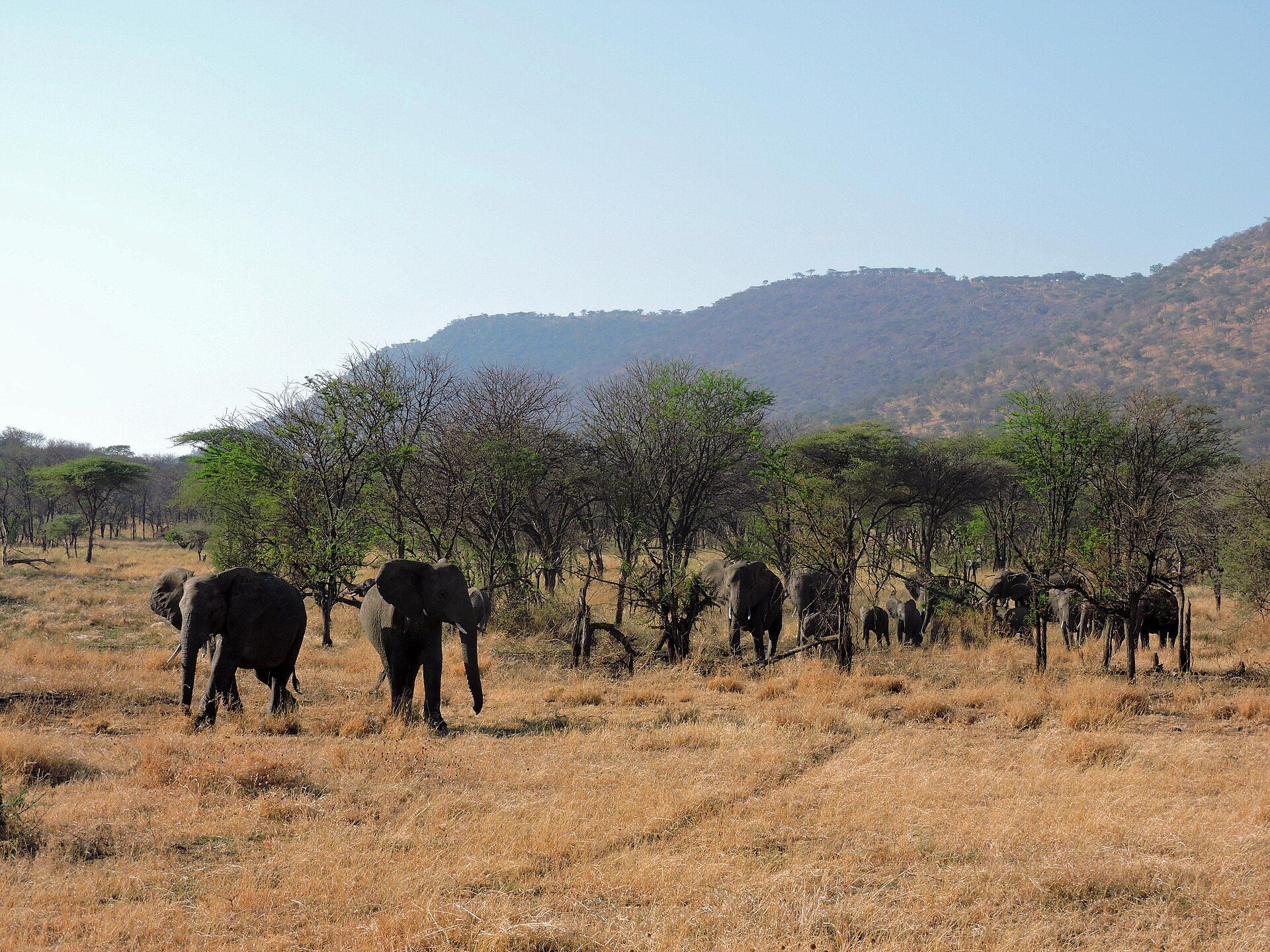
Ngorongoro is a collapsed volcano — about 260 km² of crater floor inside 600-metre walls — whose grassland, swamp and soda lake hold tens of thousands of animals year-round, black rhino among them. Tarangire, about 2,850 km² of savanna, is shaped by a single river: in the dry season the animals of a much wider area funnel to it, above all elephants, under ancient baobabs.
Ngorongoro
A caldera full of wildlife, all year
The world's largest intact, unflooded caldera, about 20 km wide, inside the Ngorongoro Conservation Area — a UNESCO World Heritage Site. About 3–3.5 hours from Arusha to the gate, then a 4x4-only descent road to the floor. Conservation fees and vehicle charges set by the NCAA; a daily time limit on the crater floor.
- Animals stay in the crater year-round
- One of the best chances anywhere to see black rhino
- The rim panorama over the whole caldera
Tarangire
Baobabs and river-bank elephants
A baobab-studded savanna along the Tarangire River in Manyara Region, about 2 hours' drive southwest of Arusha — often the first stop on the northern circuit. Game drives with park-registered vehicles and guides; park fees paid per person per day.
- Dense dry-season elephant herds along the river
- Ancient baobabs framing the game
- Quieter than the Serengeti and Ngorongoro
Head to head
| What matters | Ngorongoro | Tarangire |
|---|---|---|
| From Arusha Edge: Tarangire | About 3–3.5 hours to the conservation area gate, then 30–40 minutes down to the floor. | About 2 hours to the park gate. |
| Landscape Edge: Toss-up | An enclosed crater floor of grassland, forest, swamp and a soda lake under 600 m walls. | Open savanna and woodland along a river, scattered with giant baobabs. |
| Wildlife highlights Edge: Toss-up | Lion, elephant, buffalo, flamingos and black rhino in a compact area. | Large elephant herds, lion, giraffe, zebra, and hundreds of bird species. |
| Best months Edge: Ngorongoro | Wildlife year-round; June–October for the easiest roads, the green season for birds and calving. | June–October, when the river is the only water for miles and game concentrates on its banks. |
| Time needed Edge: Toss-up | A full day: rim to floor and back. | 1–2 days, usually the opening leg of a longer safari. |
| Crowds Edge: Tarangire | Many vehicles can gather at a lion sighting on the floor; early starts help. | Quieter, especially away from the north of the park. |
| Rules Edge: Tarangire | 4x4 vehicles only on the descent, and a daily limit on time spent on the floor. | Registered vehicles and guides; independent driving is possible. |
Which should you choose?
Choose Ngorongoro if…
…you are travelling outside the dry season, want the best chance of black rhino, or have one day and want the highest density of game.
Choose Tarangire if…
…you are travelling June–October, want elephants and baobabs with fewer vehicles, or need a short first stop out of Arusha.
The honest verdict
Outside June–October, Ngorongoro: its animals stay in the crater all year, while Tarangire's game disperses once the rains arrive.
In the dry season, Tarangire earns its place — the elephant herds on the river and the baobabs are a different experience from the crater, it is the shorter drive from Arusha, and it is quieter. On a dry-season trip with the time, do both.
Start early in either. Fees for both are set by Tanzania's park and conservation authorities and change periodically — confirm current rates with them or your operator, and discuss malaria precautions with a travel clinic before the trip.
Wonders mentioned here
Added