Head to head · Two seascapes of karst islands and coral reefs
Raja Ampat vs Palau: Which Mushroom-Island Dive Trip Should You Choose?
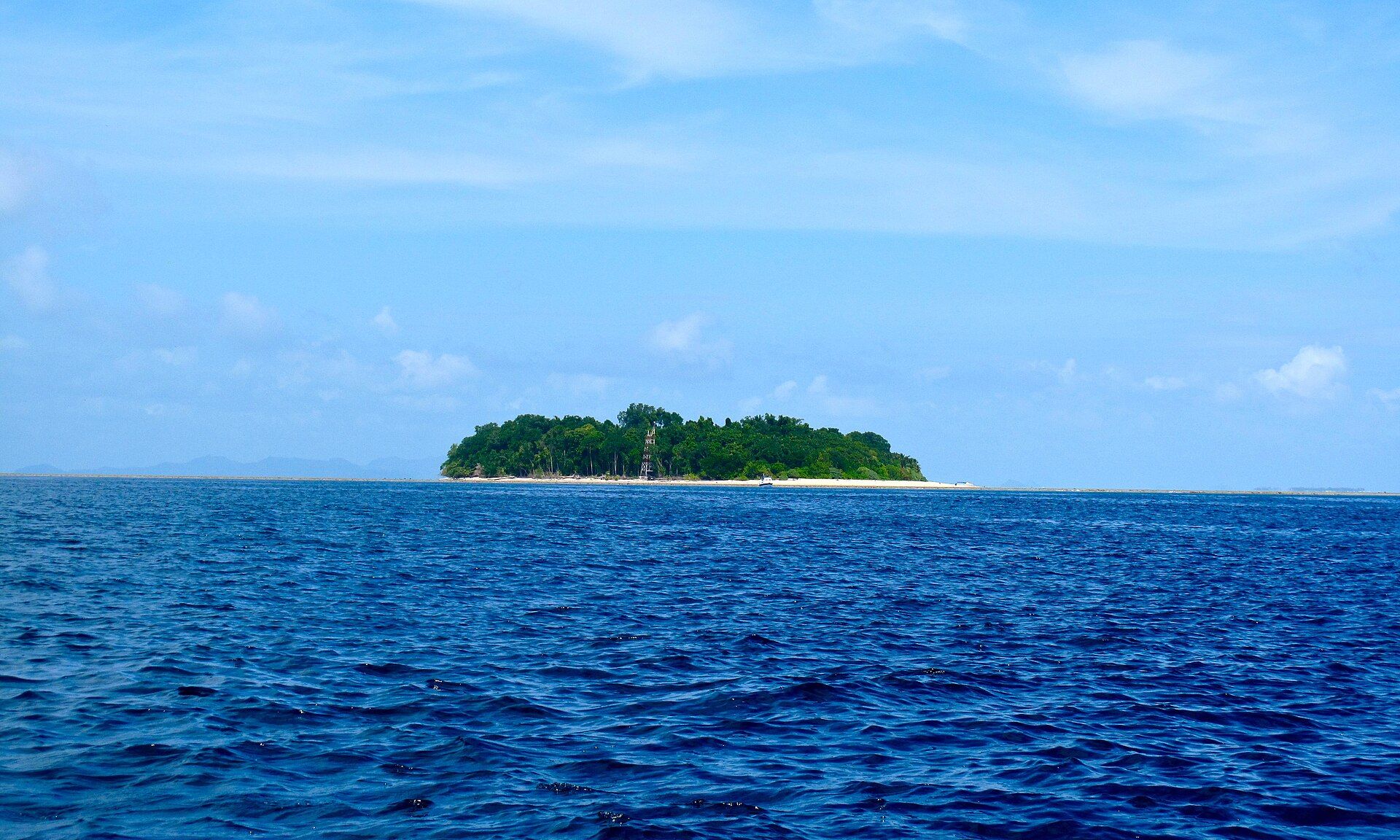
Raja Ampat and Palau's Rock Islands look alike from the air — forest-topped limestone islands scattered across turquoise water — and both are on most divers' lists. But they are very different trips to organise.
Raja Ampat, off the north-west tip of Indonesian Papua, is the heart of the Coral Triangle: more than 1,500 islands, cays and karst islets with the richest reef life ever recorded, explored by liveaboard or from simple homestays. Palau's Rock Islands, a UNESCO World Heritage Site in Micronesia, are uplifted coral limestone undercut into mushroom shapes, toured by day boat from the town of Koror — with Jellyfish Lake and its stingless golden jellyfish hidden inside one island.
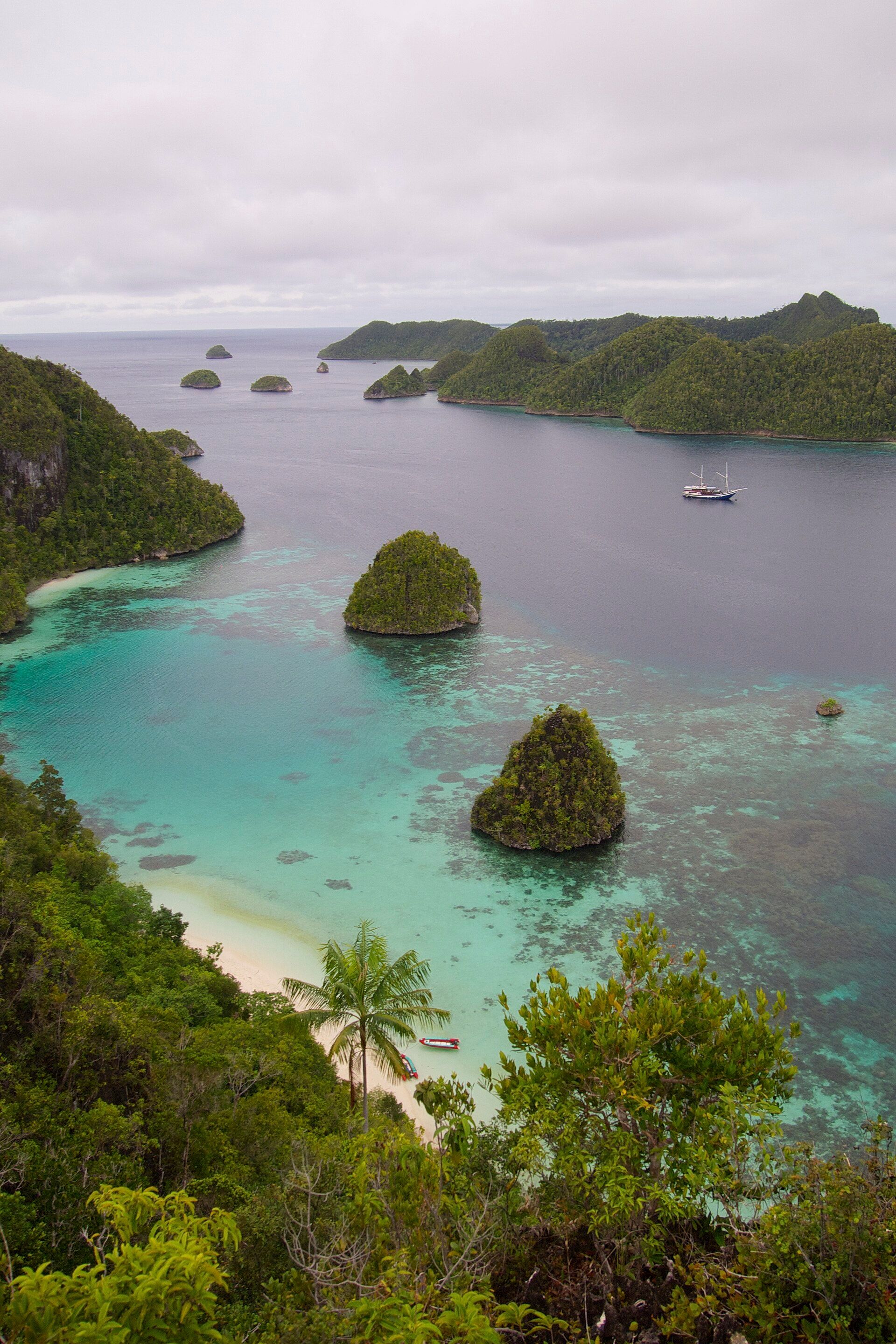
Raja Ampat
The Coral Triangle's richest reefs
A maze of jungle-clad karst islands in West Papua, reached by flight to Sorong, a 2–2.5 hour ferry to Waisai and a small boat onward. Reefs of extraordinary diversity — pygmy seahorses to manta rays and reef sharks — plus the classic viewpoints over Wayag or Piaynemo. A marine park permit is required and checked. Homestays are simple stilt huts; ATMs stop at Sorong and Waisai.
- The most biodiverse reefs on Earth
- Remote, uncrowded for the size of the area
- Liveaboards of 7–12 nights or island homestays
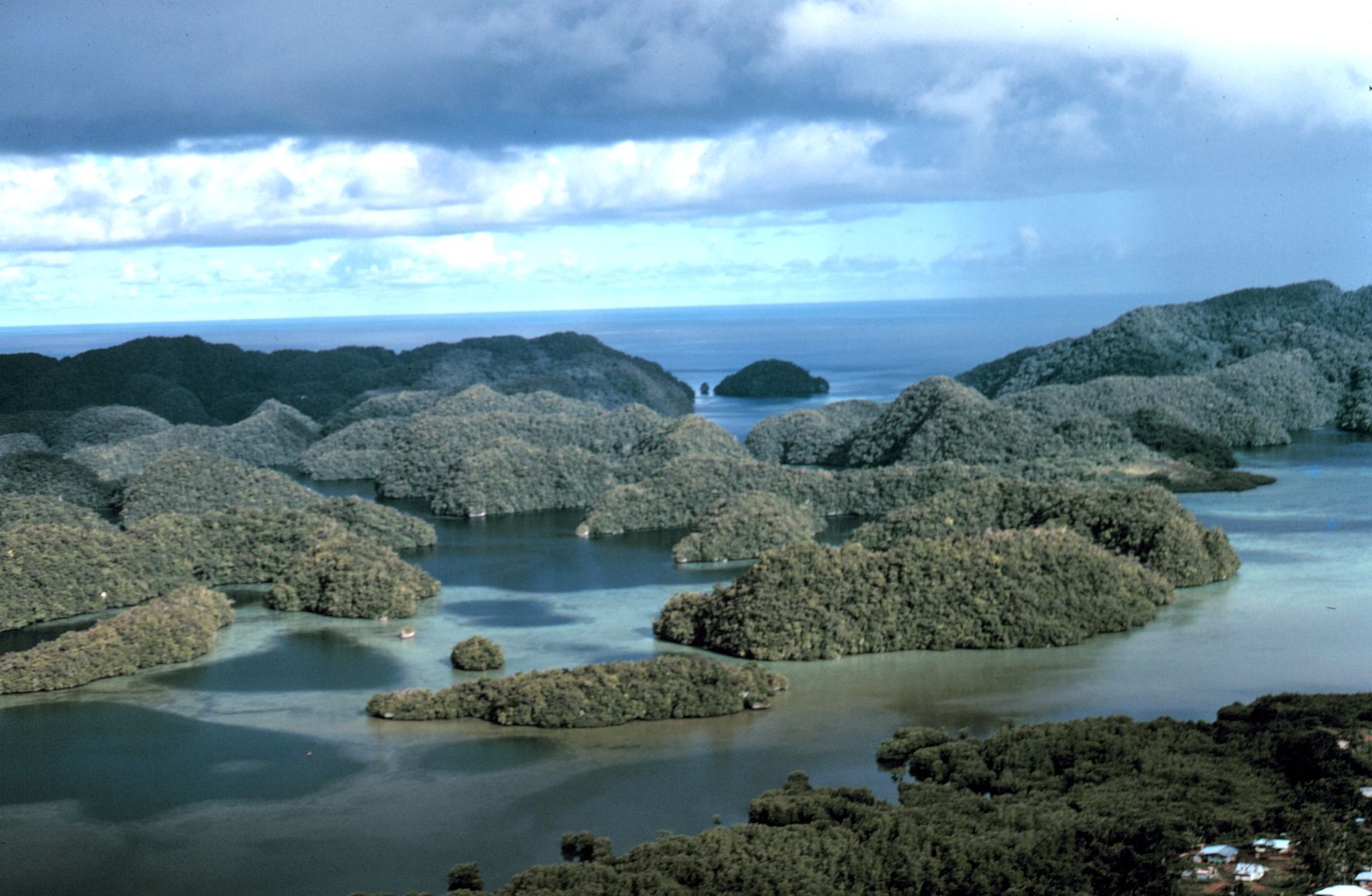
Palau's Rock Islands
Mushroom islands and Jellyfish Lake
Hundreds of rounded limestone islands in the Rock Islands Southern Lagoon, toured by boat from Koror. Exceptionally rich reefs with sharks and rays, kayaking to hidden lakes and beaches, and Jellyfish Lake — snorkel-only, and closed in the past when jellyfish numbers crashed. A Rock Islands / Jellyfish Lake permit funds conservation, and Palau enforces a ban on reef-harming sunscreens.
- Day trips from a town with full facilities
- Snorkelling with stingless golden jellyfish (when open)
- Famous drift dives such as Blue Corner
Head to head
| What matters | Raja Ampat | Palau's Rock Islands |
|---|---|---|
| Getting there Edge: Palau's Rock Islands | Fly to Sorong via Makassar or Manado (6–8 hours from Jakarta), ferry to Waisai, then a small boat — the best part of two days from Jakarta. | Fly to Koror via a regional hub such as Manila, Taipei or Guam; the lagoon is a boat ride from town. |
| Time needed Edge: Palau's Rock Islands | 7–10 days; liveaboards run 7–12 nights. | Several days based in Koror. |
| Reef life Edge: Raja Ampat | The richest marine biodiversity ever recorded, much of it small — nudibranchs, pygmy seahorses, dense soft coral — plus mantas and reef sharks. | Exceptionally rich reefs with abundant sharks, rays and fish, in seas Palau protects heavily. |
| Snorkellers and non-divers Edge: Palau's Rock Islands | Good snorkelling, but many top dive sites demand advanced certification and real comfort in strong current. | Calm lagoon water, kayaking and Jellyfish Lake suit snorkellers; strong current is mostly at outer sites like Blue Corner. |
| Comfort and facilities Edge: Palau's Rock Islands | Minimal once you leave Sorong: simple homestays with limited power and no hot water; bring plenty of cash. | Full facilities in Koror; out in the lagoon, only what your boat carries. |
| Rules and permits Edge: Toss-up | Marine park entry permit bought in Sorong or Waisai; the process has changed more than once — confirm the current arrangement with the park authority. | Rock Islands / Jellyfish Lake permit bought in Koror; reef-harming sunscreen is banned and confiscated; Jellyfish Lake is snorkel-only. |
| Best months Edge: Toss-up | Roughly October–April for the calmest seas and diving. | Roughly November–April for calm seas and visibility; good year-round. |
| Crowds Edge: Raja Ampat | Very few people for the area, though liveaboards cluster on famous sites. | Moderate: several tour boats in the lagoon; popular spots have company but rarely feel packed. |
Which should you choose?
Choose Raja Ampat if…
…you're an experienced diver with 10 days or more, want the richest reefs on the planet, and are happy with remote travel, simple homestays or a long liveaboard.
Choose Palau's Rock Islands if…
…you have less time, include snorkellers or non-divers, or want day trips from a comfortable base — with Jellyfish Lake and Blue Corner as highlights.
The honest verdict
For the reefs themselves, Raja Ampat: nothing matches its biodiversity, and it stays uncrowded — but it takes the best part of two days to reach, rewards advanced divers most, and is simple and cash-only once you leave Sorong.
For an easier trip with snorkellers in the group, Palau: the Rock Islands are a boat ride from Koror, the lagoon is calm, and the outer drift dives are there for those who want them. Check that Jellyfish Lake is open before planning around it.
For both, carry a reef-safe sunscreen, travel in the drier months (about October/November–April), and take dive insurance that covers evacuation.
Wonders mentioned here
Added