Biogradska Gora National Park
📍 Bjelasica mountains, northeastern Montenegro
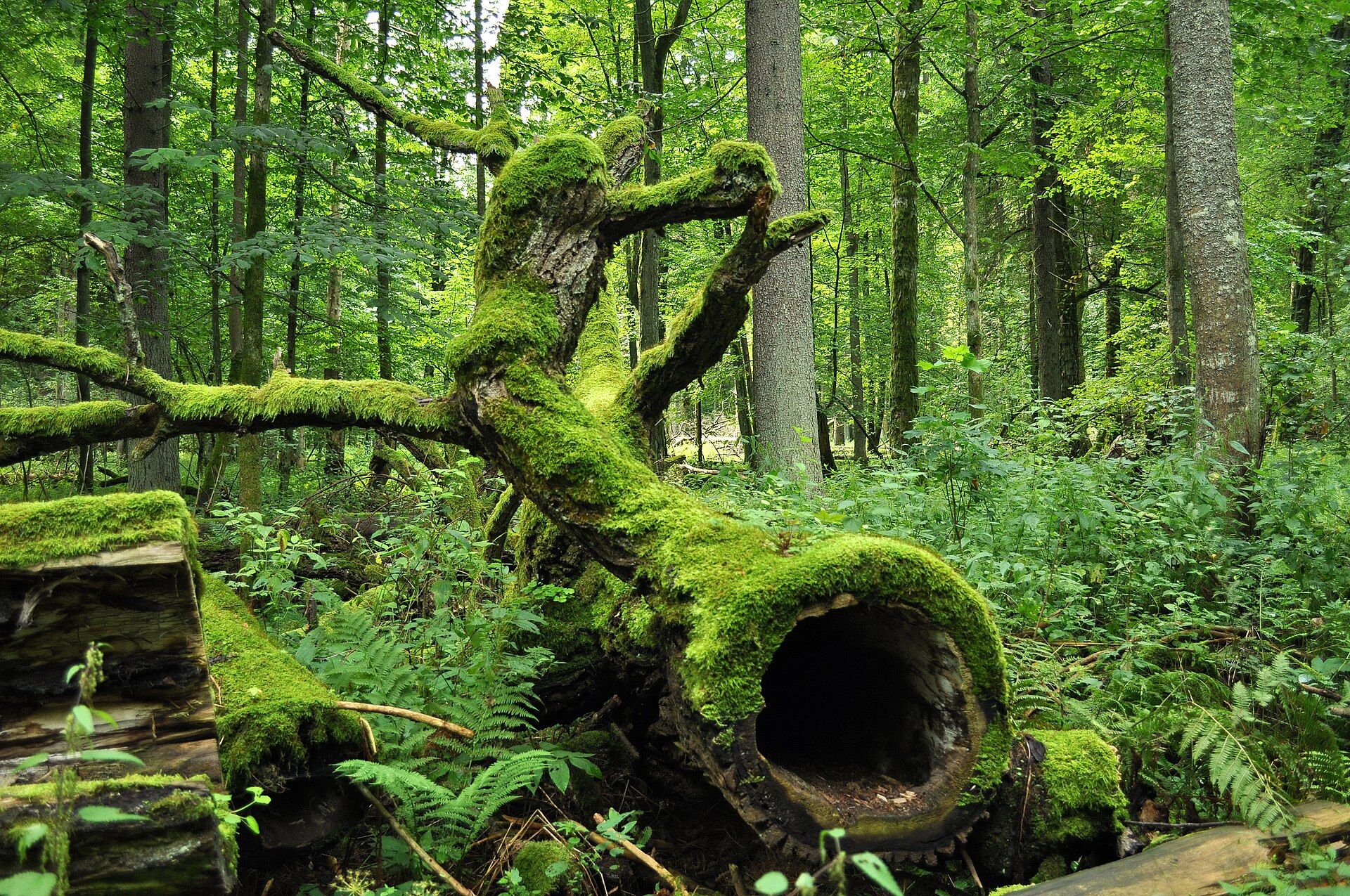
One of Europe's last primeval forests: 1,600 hectares of beech, fir and maple around Biogradsko Lake, with trees more than 40 metres tall and four centuries old, protected since 1878 and a national park since 1952.
What makes it marvelous
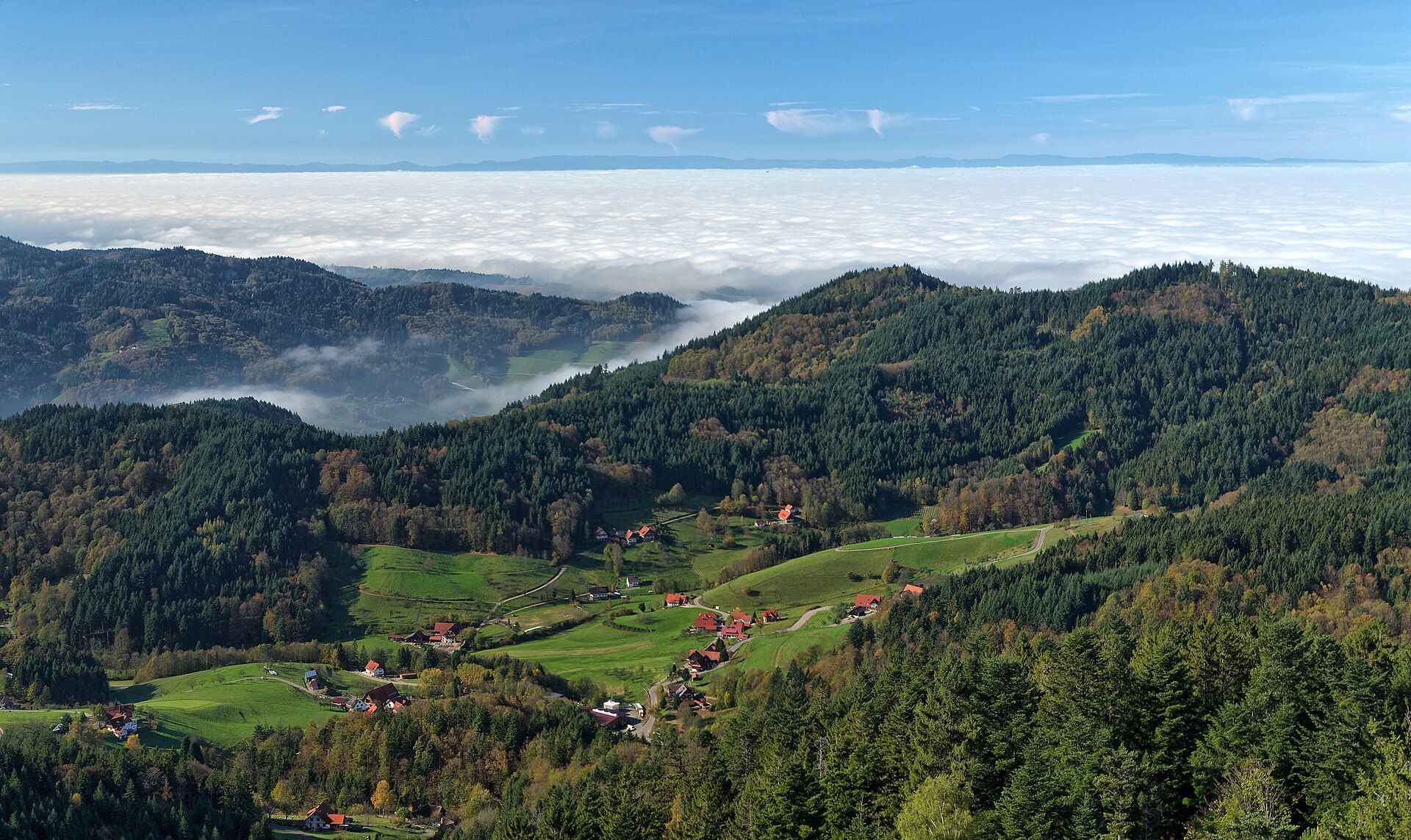
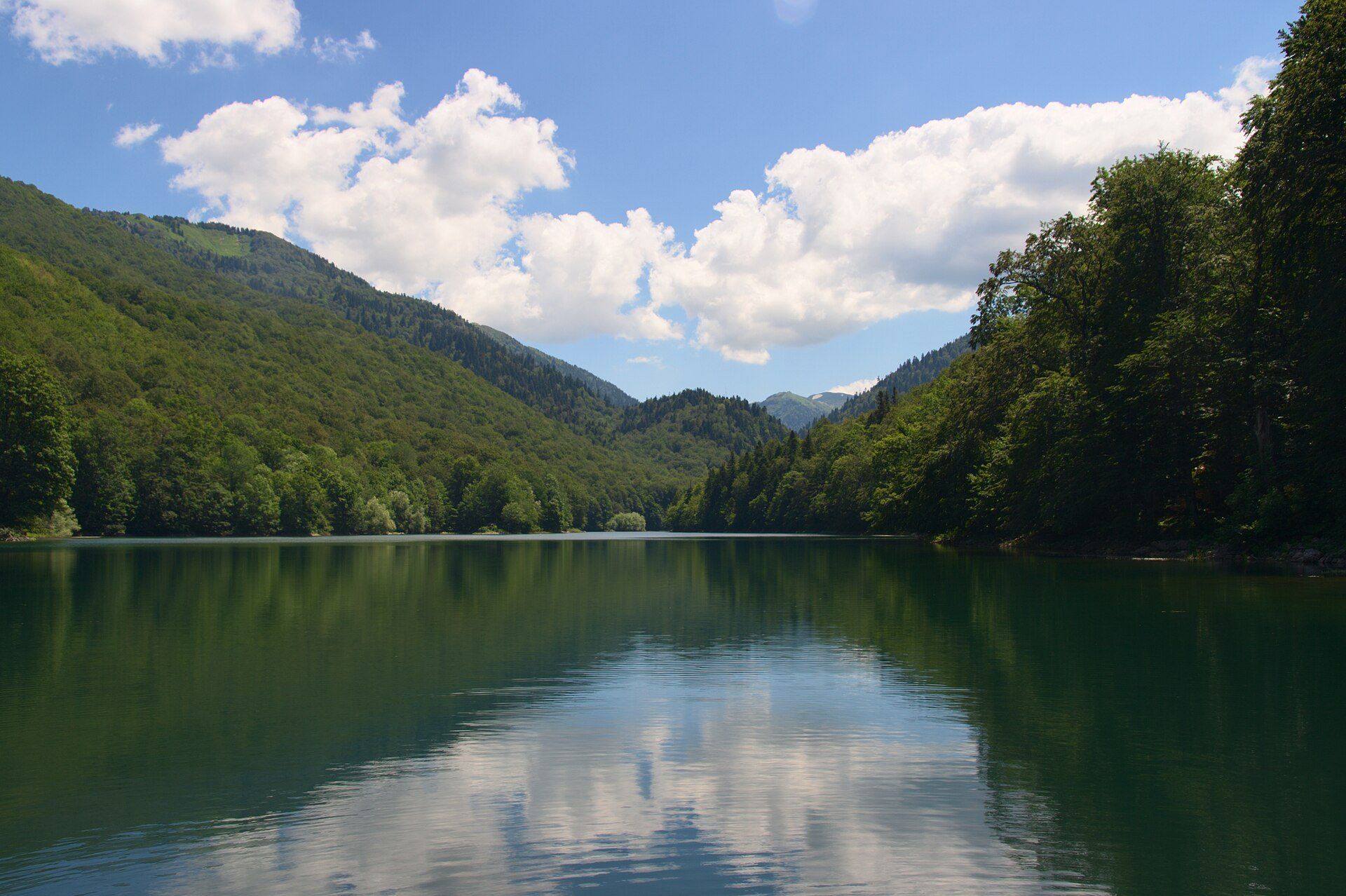
Biogradska Gora has been left alone for a very long time. The forest around Biogradsko Lake has been protected continuously since 1878, became a national park in 1952 and a UNESCO Man and the Biosphere reserve in 1977. At its heart is a strictly protected virgin forest of about 1,600 hectares in the basins of the Biogradska River and Ješeržica, described by the park as one of the last three in Europe: beech, fir and spruce with maple and ash, some trees estimated at more than four centuries old and over 40 metres tall. Over 86 kinds of trees and shrubs grow in the park, including the rare Macedonian pine. Above the forest rise the grassy summits of Bjelasica — Crna glava reaches 2,139 m — and six lakes lie between 1,094 m, the level of Biogradsko Lake itself, and 1,895 m. Biogradsko Lake is about 12 metres deep at most, a dark mirror for the forest around it. The park covers about 56.5 km² and has been on Montenegro's UNESCO Tentative List since 2010.
Why visit
Walking under a genuinely old-growth canopy is rare in Europe. Here a 3.5 km trail circles a forest lake, and longer marked trails climb out of the trees to the high Bjelasica ridges and their mountain lakes.
Still deciding?
Biogradska Gora National Park comes up most often against these — each one weighs cost, effort, season and crowds side by side.
What to know before you go
🗓️ Best time
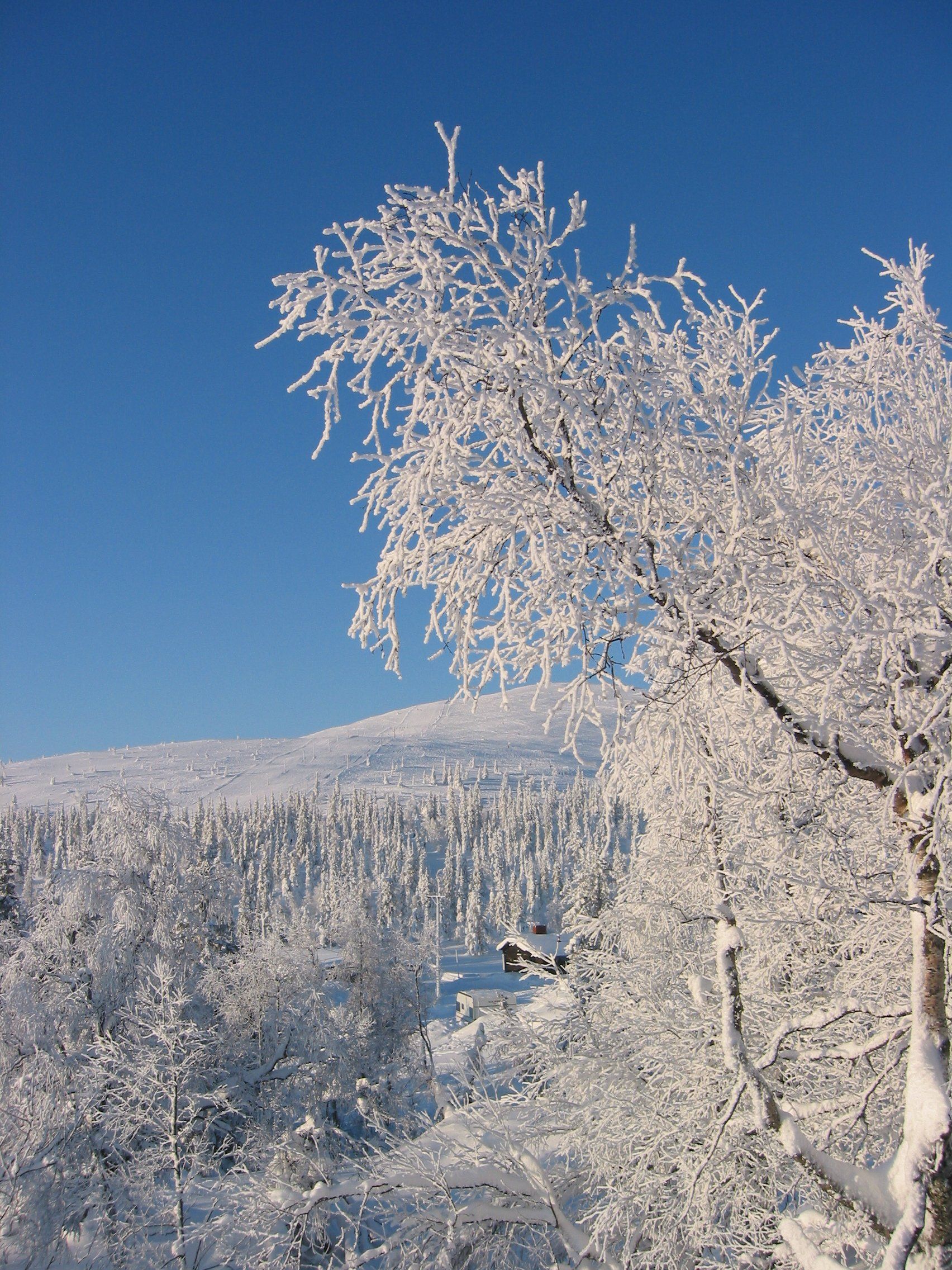
Late spring to early autumn for the lake trail and the high Bjelasica routes; in winter the mountains are snowbound.
🧭 Getting there & access
The park is in northeastern Montenegro near Kolašin, about 85 km from Podgorica. A road leads to Biogradsko Lake, where the lakeside trail starts; almost 80 km of marked trails, mostly of medium difficulty, cross the park, and part of the 120 km CT-1 mountain transversal passes through it.
Good to know
- Walk the 3.5 km educational trail around Biogradsko Lake — it is easy and passes through the old forest.
- For the high lakes and Crna glava, start early and carry layers; weather on Bjelasica changes fast.
- Stay on marked trails inside the strict virgin-forest reserve.
Natural riches of the area
- About 1,600 ha of virgin forest, strictly protected
- Trees over 40 m tall and estimated at more than 400 years old
- Biogradsko Lake at 1,094 m, about 12 m deep
- Over 86 kinds of trees and shrubs, including Macedonian pine; about 200 bird species
Local food
- Kajmak
- A rich clotted dairy spread eaten with almost everything in the Montenegrin highlands.
- Cicvara
- A cornmeal and cheese dish from the highland pastures.
- Lamb under the bell
- Lamb slow-cooked under a metal bell in the embers, a dish of the Montenegrin interior.
Biogradska Gora is a forest that has had protection for almost a century and a half. The woods around Biogradsko Lake were first protected in 1878, became a national park in 1952 and a UNESCO biosphere reserve in 1977, and at their core is a strictly protected virgin forest of about 1,600 hectares — beech, fir and spruce with maple and ash, with trees over 40 metres tall and more than four hundred years old.
The easy way in is the 3.5-kilometre trail around Biogradsko Lake, at 1,094 metres and about 12 metres deep, reflecting the forest around it. From there, nearly 80 kilometres of marked trails climb out of the trees onto the open ridges of Bjelasica, where Crna glava reaches 2,139 metres and smaller mountain lakes sit in the high meadows.
Biogradska Gora National Park: common questions
When is the best time to visit Biogradska Gora National Park?
Late spring to early autumn for the lake trail and the high Bjelasica routes; in winter the mountains are snowbound.
How do you get to Biogradska Gora National Park?
The park is in northeastern Montenegro near Kolašin, about 85 km from Podgorica. A road leads to Biogradsko Lake, where the lakeside trail starts; almost 80 km of marked trails, mostly of medium difficulty, cross the park, and part of the 120 km CT-1 mountain transversal passes through it.
Added
More wonders to explore