Head to head · Europe's old-growth forests, lowland and mountain
Białowieża vs Biogradska Gora: Which of Europe's Primeval Forests Should You Visit?
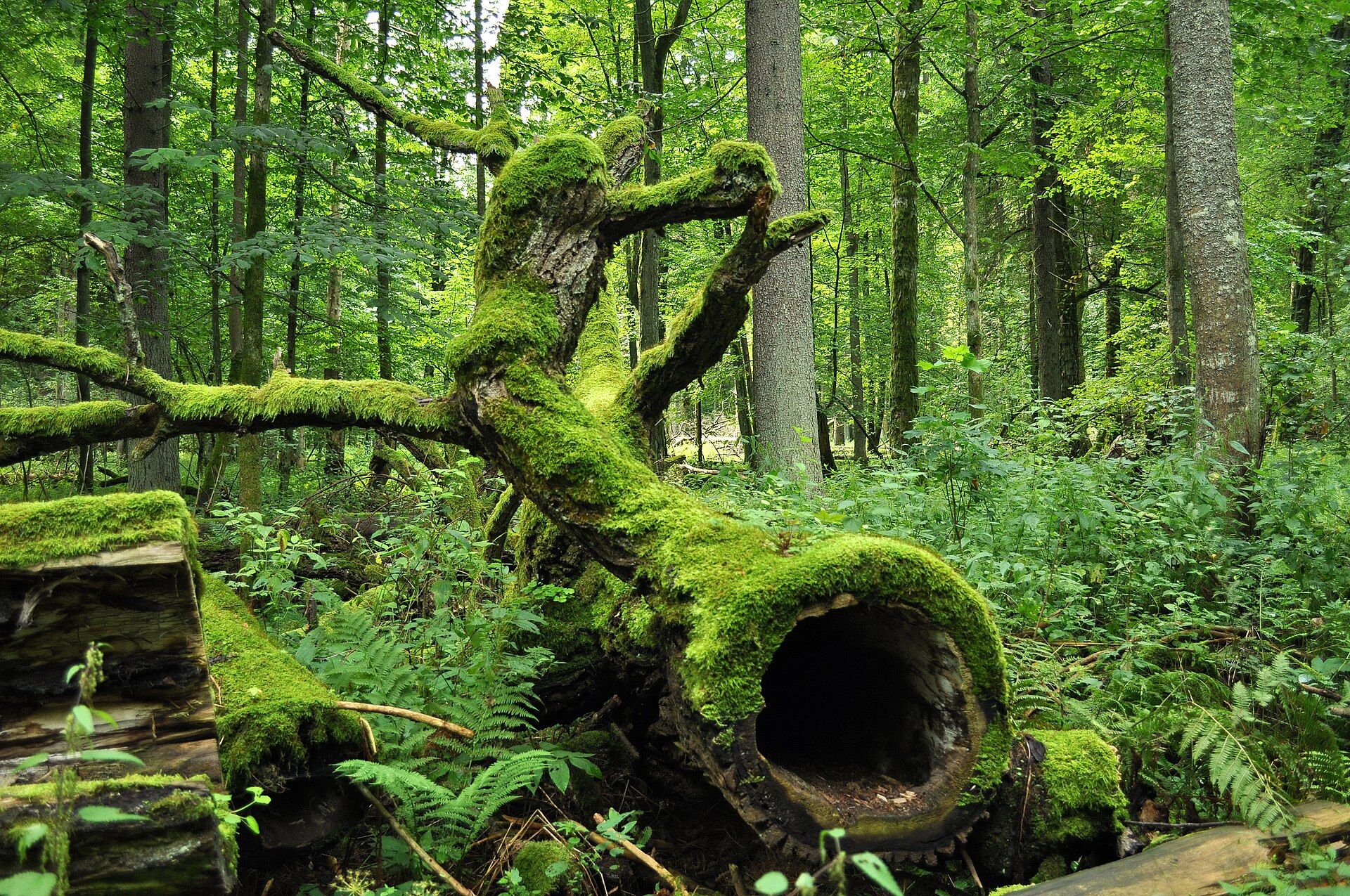
Very little of Europe's original forest survives, and these are two of the places where you can walk in it. Białowieża, on the Polish–Belarusian border, is the last great primeval lowland forest of the continent: never logged in its strictly protected core, full of centuries-old oaks and spruces and standing deadwood, and home to the largest free-roaming population of European bison on Earth.
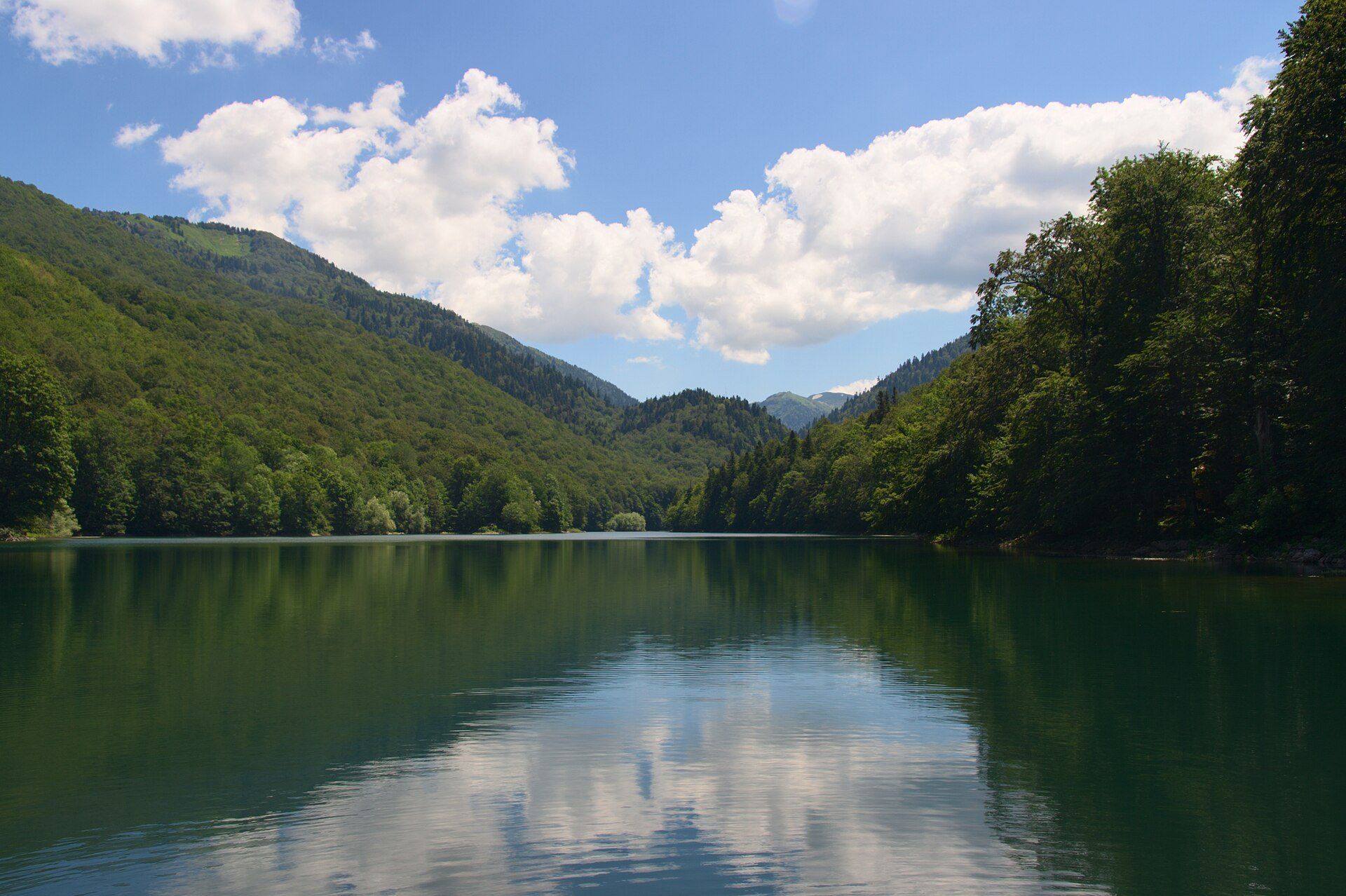
Biogradska Gora, in Montenegro's Bjelasica mountains, is a mountain forest. About 1,600 ha of virgin beech, fir and spruce with maple and ash surround Biogradsko Lake at 1,094 m, protected continuously since 1878, with trees over 40 m tall and more than four centuries old. The difference that matters most in practice is access: Białowieża's primeval core can only be entered with a licensed guide on a capped permit, while at Biogradska Gora an easy 3.5 km trail circles the lake through the old forest.
Białowieża Forest
Europe's last primeval lowland forest — and wild bison
Białowieża Forest is a UNESCO World Heritage site with national parks in Poland and Belarus. Preserved for centuries as a royal hunting reserve, its strict core has never been logged, and its deadwood supports thousands of species of insects, fungi and birds, including rare woodpeckers, as well as wolves, lynx and European bison. The village of Białowieża is four to five hours from Warsaw; the village, museum and outer forest are freely walkable, but the Strict Protection Area is guide-only on a booked permit, with capped numbers.
- A real chance of seeing wild European bison, best at dawn or on snow
- Never-logged lowland forest of giant oaks, spruces and deadwood
- Wolves, lynx and rare deadwood-dependent woodpeckers
Biogradska Gora
A strictly protected mountain forest around a dark lake
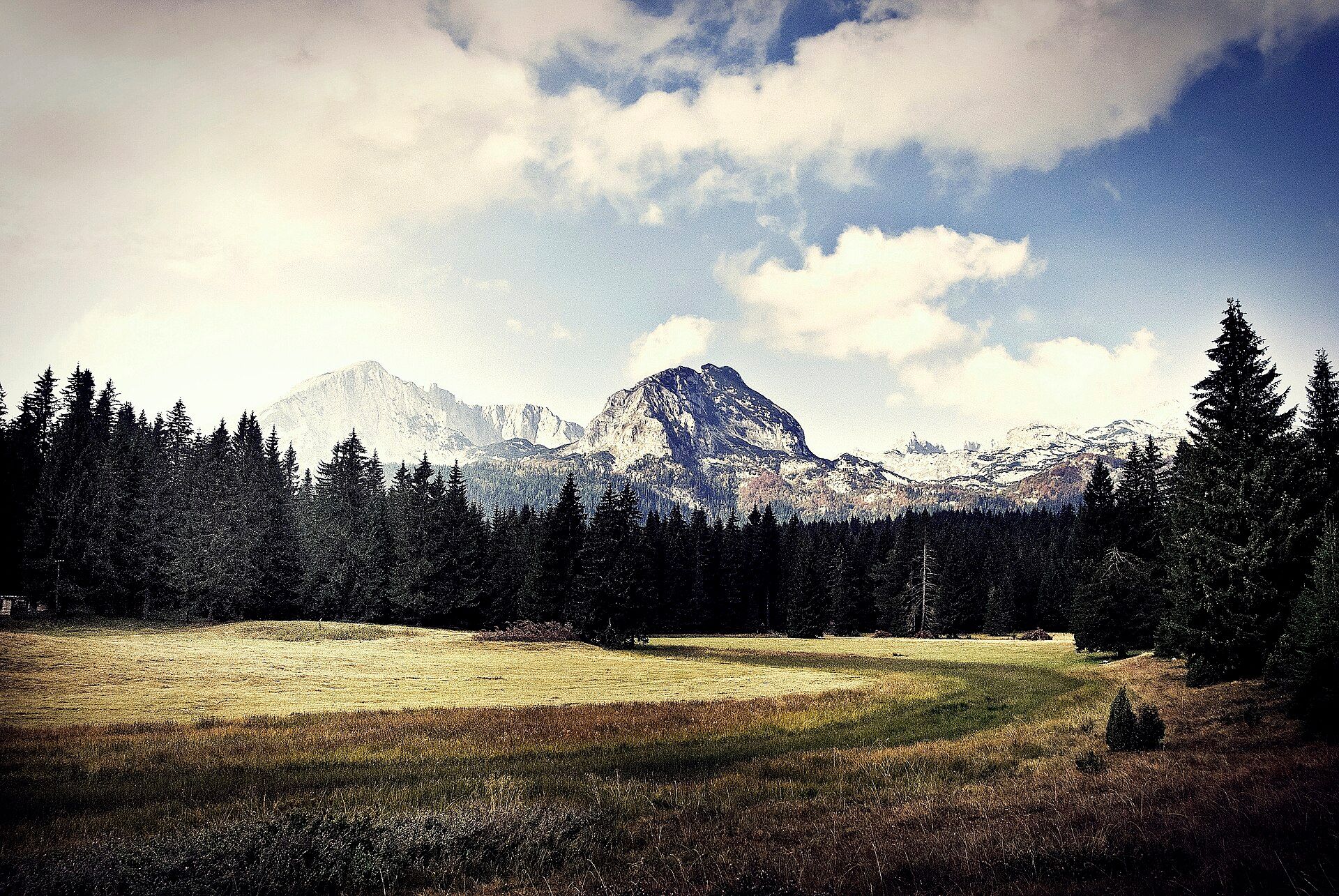
Biogradska Gora National Park (about 56.5 km²) has been protected since 1878, a national park since 1952 and a UNESCO Man and the Biosphere reserve since 1977. Its core is a strictly protected virgin forest of about 1,600 ha with more than 86 kinds of trees and shrubs. A road reaches Biogradsko Lake near Kolašin, about 85 km from Podgorica, and almost 80 km of marked trails climb from the forest to the grassy ridges of Bjelasica, where Crna glava reaches 2,139 m.
- An easy 3.5 km trail through the old forest around Biogradsko Lake
- Trees over 40 m tall and estimated at more than 400 years old
- Marked routes up to Bjelasica's high lakes and ridges
Head to head
| What matters | Białowieża Forest | Biogradska Gora |
|---|---|---|
| Kind of forest Edge: Toss-up | Lowland forest of centuries-old oaks and spruces, with abundant standing and fallen deadwood. | Mountain forest of beech, fir and spruce with maple and ash, around a lake at 1,094 m. |
| Signature wildlife Edge: Białowieża Forest | The largest free-roaming European bison population on Earth; wolves, lynx, rare woodpeckers. | Over 86 kinds of trees and shrubs, including the rare Macedonian pine; about 200 bird species. |
| Entering the old growth Edge: Biogradska Gora | The Strict Protection Area only with a licensed guide on a booked permit; numbers are capped. | The 3.5 km lake trail passes through the old forest; stay on marked trails in the strict reserve. |
| Getting there Edge: Biogradska Gora | Four to five hours from Warsaw, via Białystok or Hajnówka. | About 85 km from Podgorica, near Kolašin; a road leads to the lake. |
| Best season Edge: Białowieża Forest | April–June for birdsong and wildflowers; autumn for fungi and colour; winter for bison against snow. | Late spring to early autumn; the Bjelasica mountains are snowbound in winter. |
| Time needed Edge: Biogradska Gora | Two days: one for the Strict Reserve, one for tracking bison. | A few hours for the lake trail; a full day for the Bjelasica routes. |
Which should you choose?
Choose Białowieża Forest if…
…you want to see wild bison, walk with a guide into forest that has never been logged, and can plan a permit and two days around the Polish–Belarusian border.
Choose Biogradska Gora if…
…you want an easy, self-guided walk through old-growth forest around a mountain lake, or a day of hiking up to Bjelasica's ridges, on a trip through Montenegro.
The honest verdict
Choose Białowieża for the full primeval-forest experience and the bison. Book a licensed guide and permit for the Strict Protection Area, go out at dawn — or in winter, when bison show up against the snow — and check the current border-zone position before you travel.
Choose Biogradska Gora for old growth without the logistics: walk the 3.5 km lake trail under trees four centuries old, and climb to Bjelasica's lakes and Crna glava if you have the day. Come between late spring and early autumn.
They are a long way apart and suit different trips, but both show what Europe's forests looked like before they were cut.
Wonders mentioned here
Added