🇳🇵 Natural wonders of Nepal
A Himalayan nation holding eight of the world's fourteen highest peaks — including Everest, the highest point on Earth — where the greatest mountains on the planet meet deep-cut valleys and rich culture.
🗓️ Best time for nature: Pre-monsoon (roughly March–May) and post-monsoon (roughly late September–November) for the clearest skies and best trekking.
The lay of the land
Nepal occupies the steepest slice of the Himalaya, thrown up where the Indian plate collides with Eurasia — a collision still lifting the mountains a few millimetres a year. Within its borders rise eight of the fourteen peaks above 8,000 metres, crowned by Everest, whose summit is made of ancient marine limestone. Glaciers feed great rivers, high valleys shelter distinct peoples like the Sherpa, and the land plunges from the roof of the world to subtropical lowlands in a remarkably short distance.
Where to begin
-
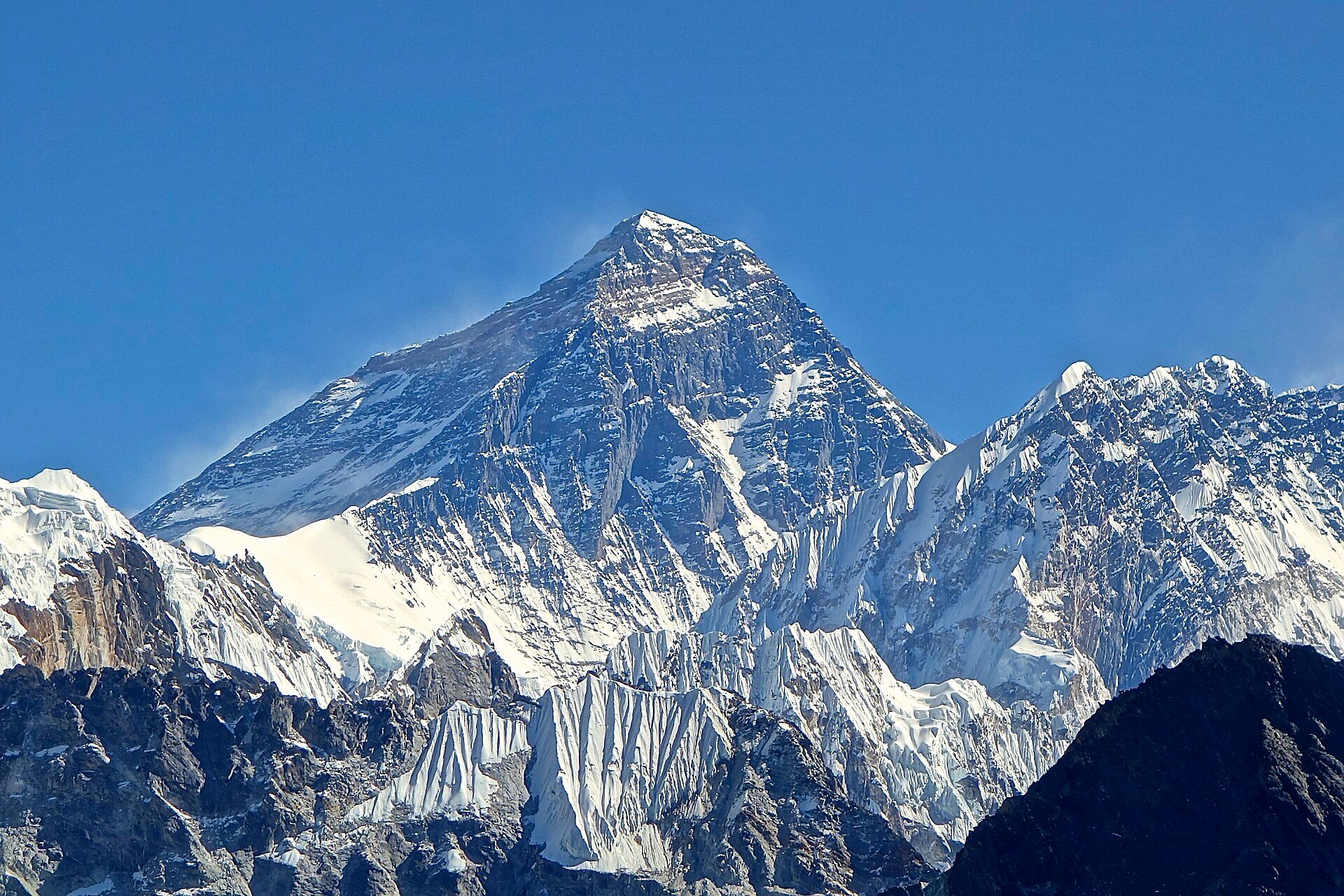
Mount Everest
The highest point on Earth, and the classic trek to its Base Camp.
-
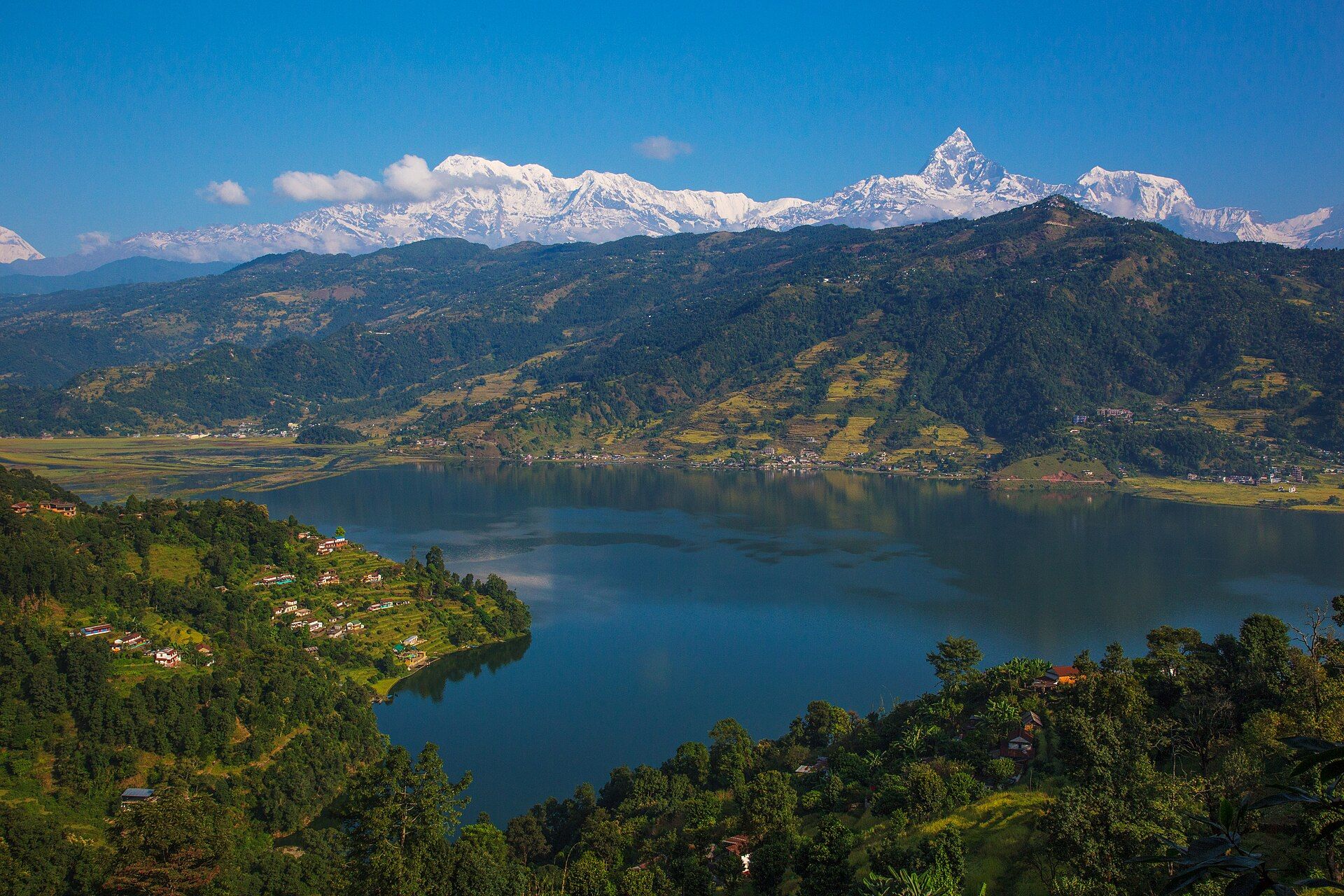
Phewa Lake
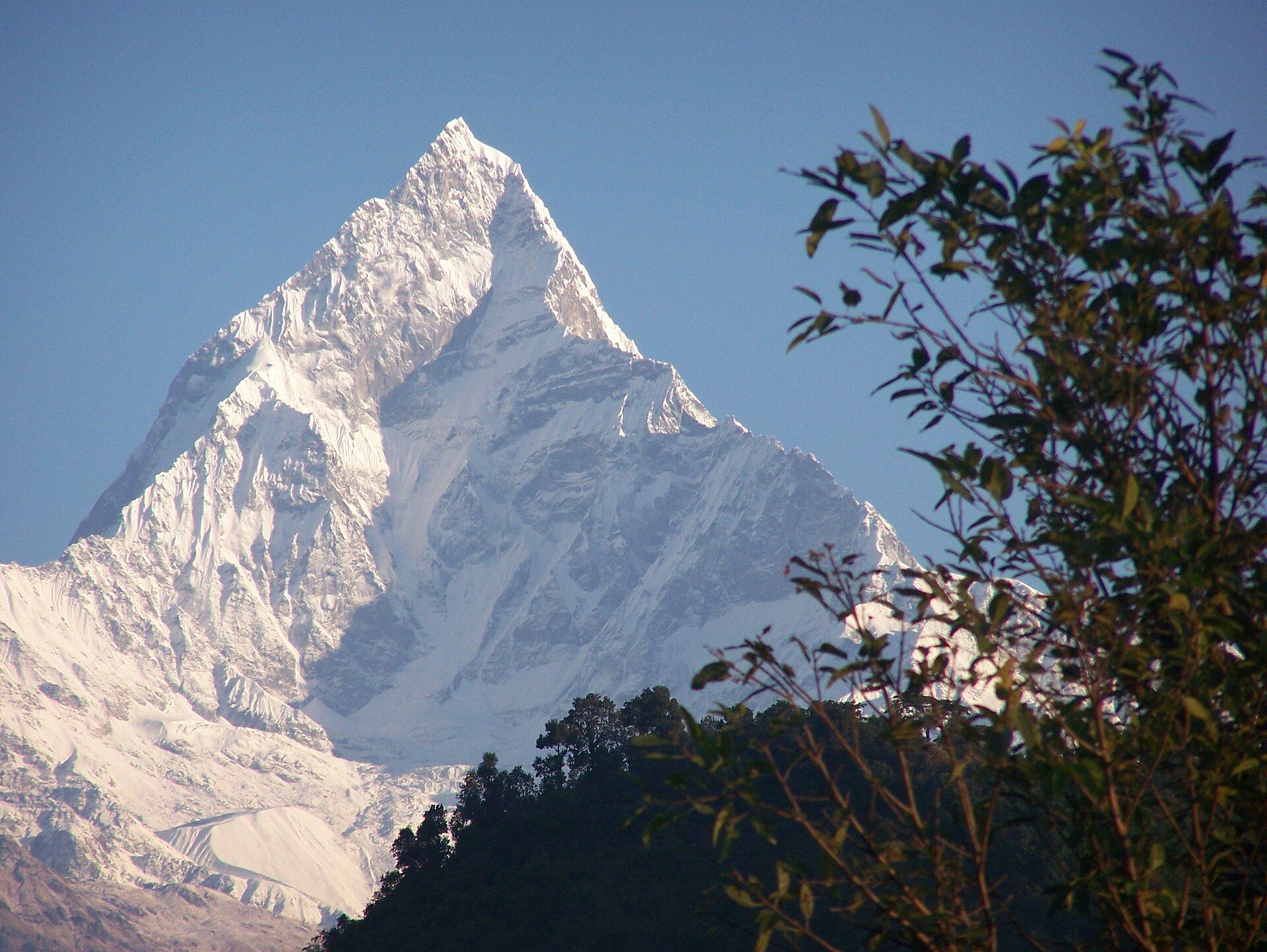
A Pokhara lake mirroring the Annapurnas and the fishtail peak of Machapuchare.
-
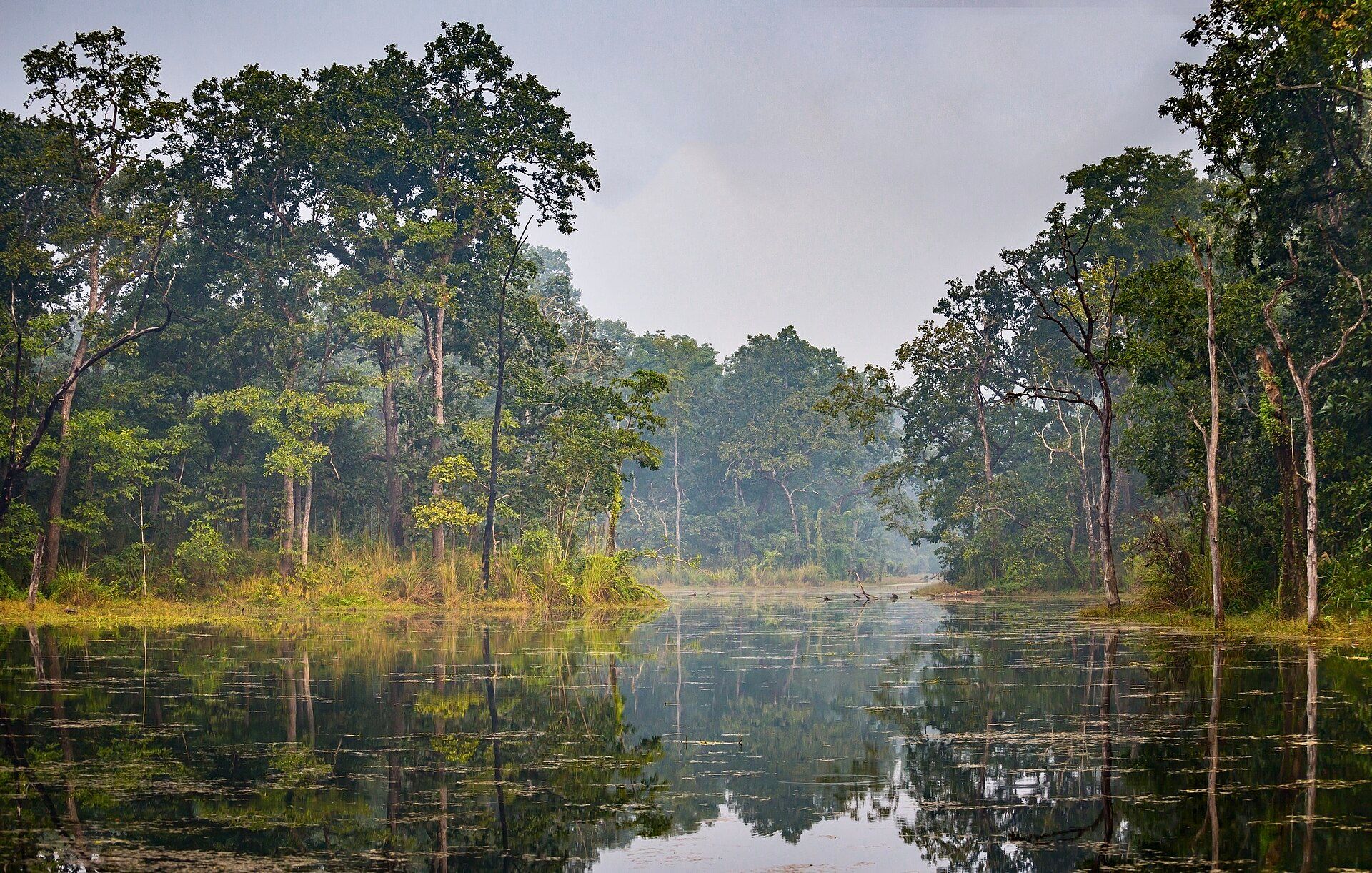
Chitwan National Park
Lowland jungle with one-horned rhinos and Bengal tigers.
A taste of the place
Nepali food sustains life at altitude: dal bhat (lentils and rice) is the staple, alongside momos (dumplings), Sherpa stews, and salted butter tea that warms trekkers in the cold, thin air.
Traveling responsibly
- Acclimatise slowly — altitude, not technical terrain, is the main risk.
- Trek the clear pre- or post-monsoon windows for the best mountain views.
- Support fair treatment of the Sherpa guides and porters who make the mountains accessible.
Nepal holds the steepest, highest ground on the planet — eight of the world’s fourteen peaks above 8,000 metres, crowned by Everest, the highest point on Earth. The mountains are the buckled edge of a continental collision that is still going on, and Everest’s summit of marine limestone is proof that this roof of the world was once a seabed. This atlas begins Nepal’s chapter at Everest, with the wider Himalaya, its glaciers, and its high-valley cultures to come.
Added Updated
All wonders in Nepal
4 places