Roof of the world: the many faces of the Himalaya
Mention the Himalaya and most people picture one thing: Everest, and the race to its summit. But the greatest mountain range on Earth is far more varied than its highest point suggests. Stretching some 2,400 kilometres across the top of Asia, the Himalaya and their plateaus hold an astonishing spread of wonders — and most of them have nothing to do with climbing.
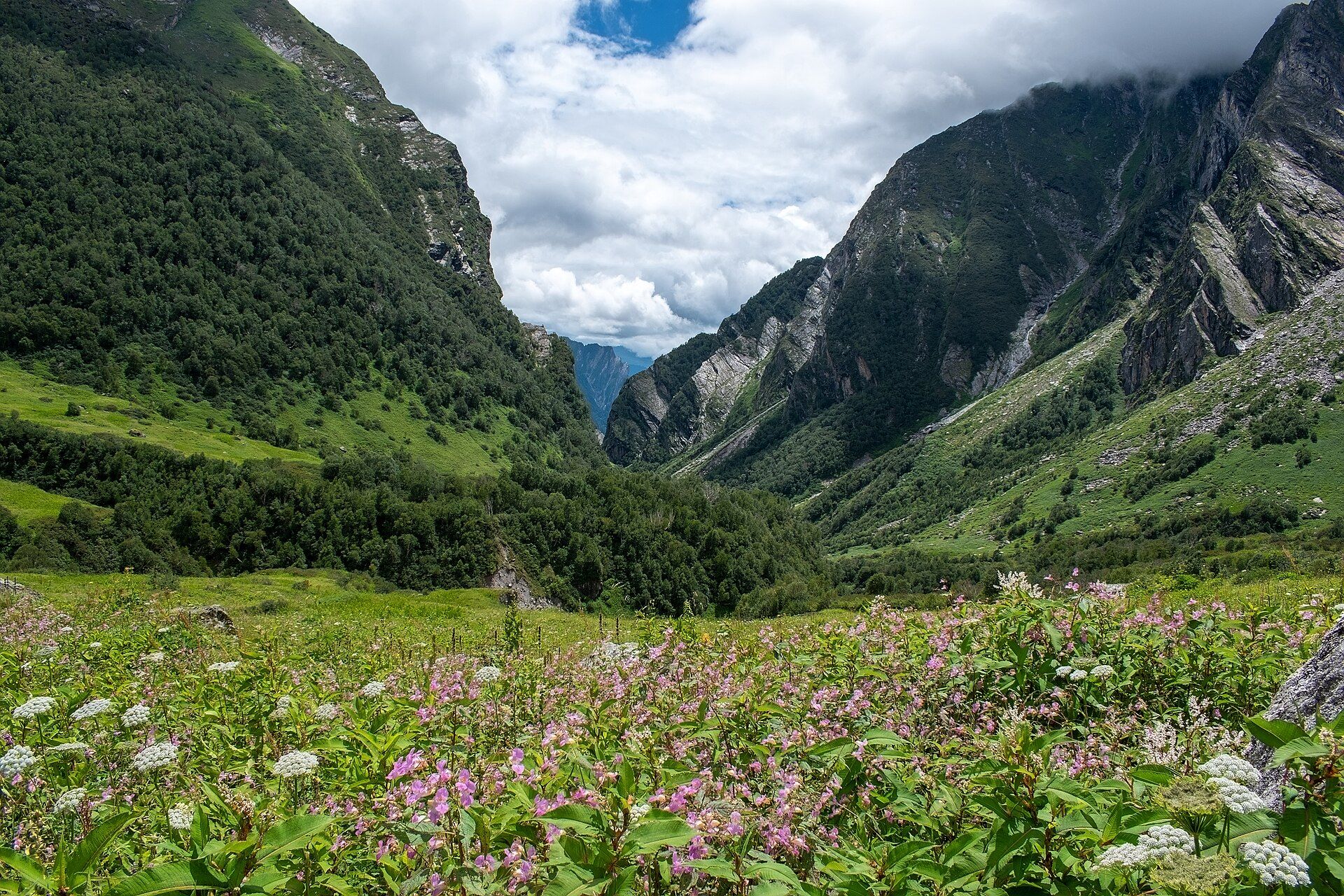
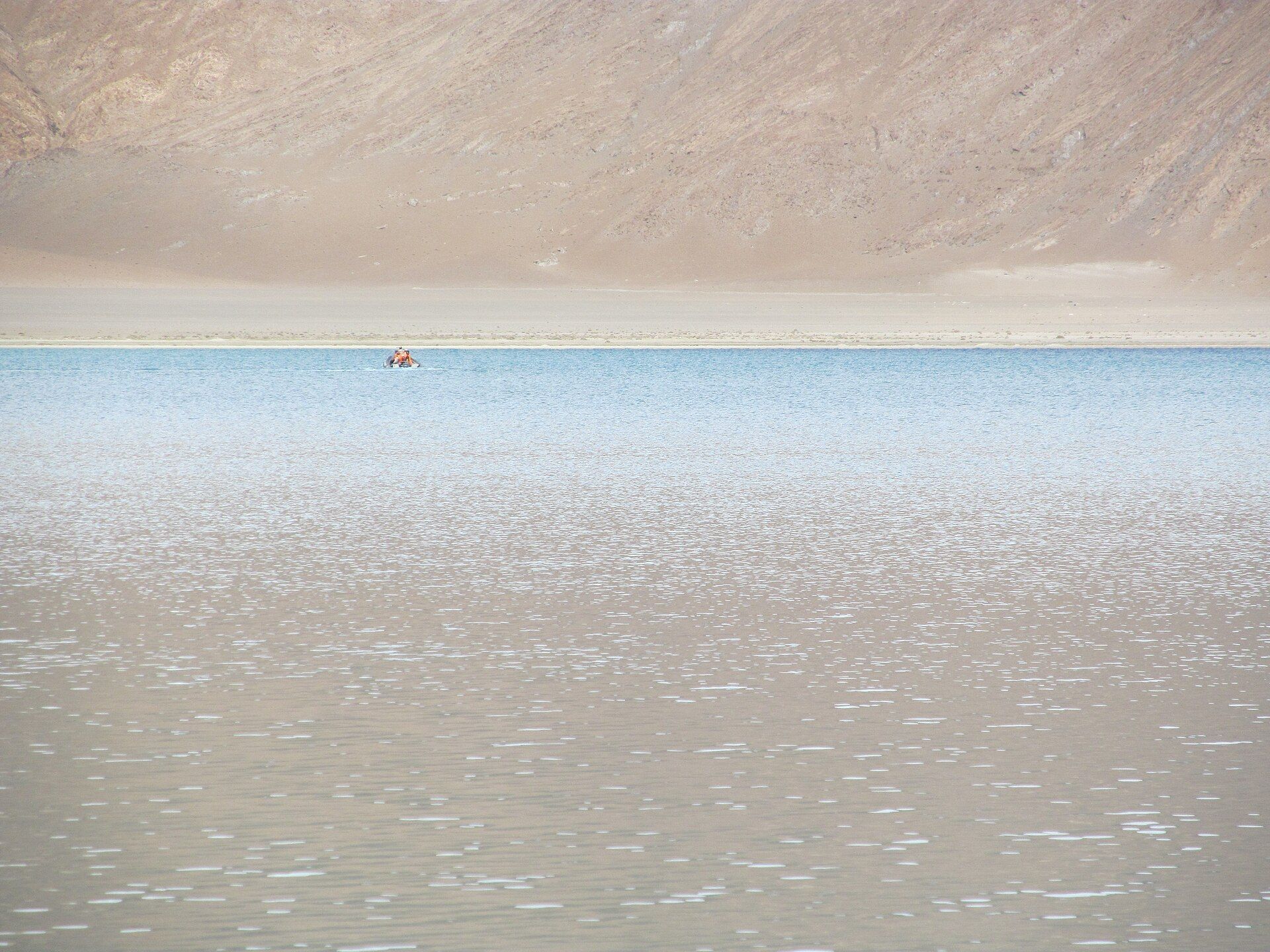
Consider the range of it. In an Indian valley at 3,500 metres, the Valley of Flowers spends most of the year under snow, then bursts each monsoon into a carpet of hundreds of wildflower species beneath the glaciers — a fleeting, fragile spectacle. Far to the north, on the arid Tibetan plateau of Ladakh, Pangong Tso stretches 130 kilometres of colour-shifting water beneath bare, mineral-hued mountains, a landscape of high-desert emptiness rather than snow and ice.
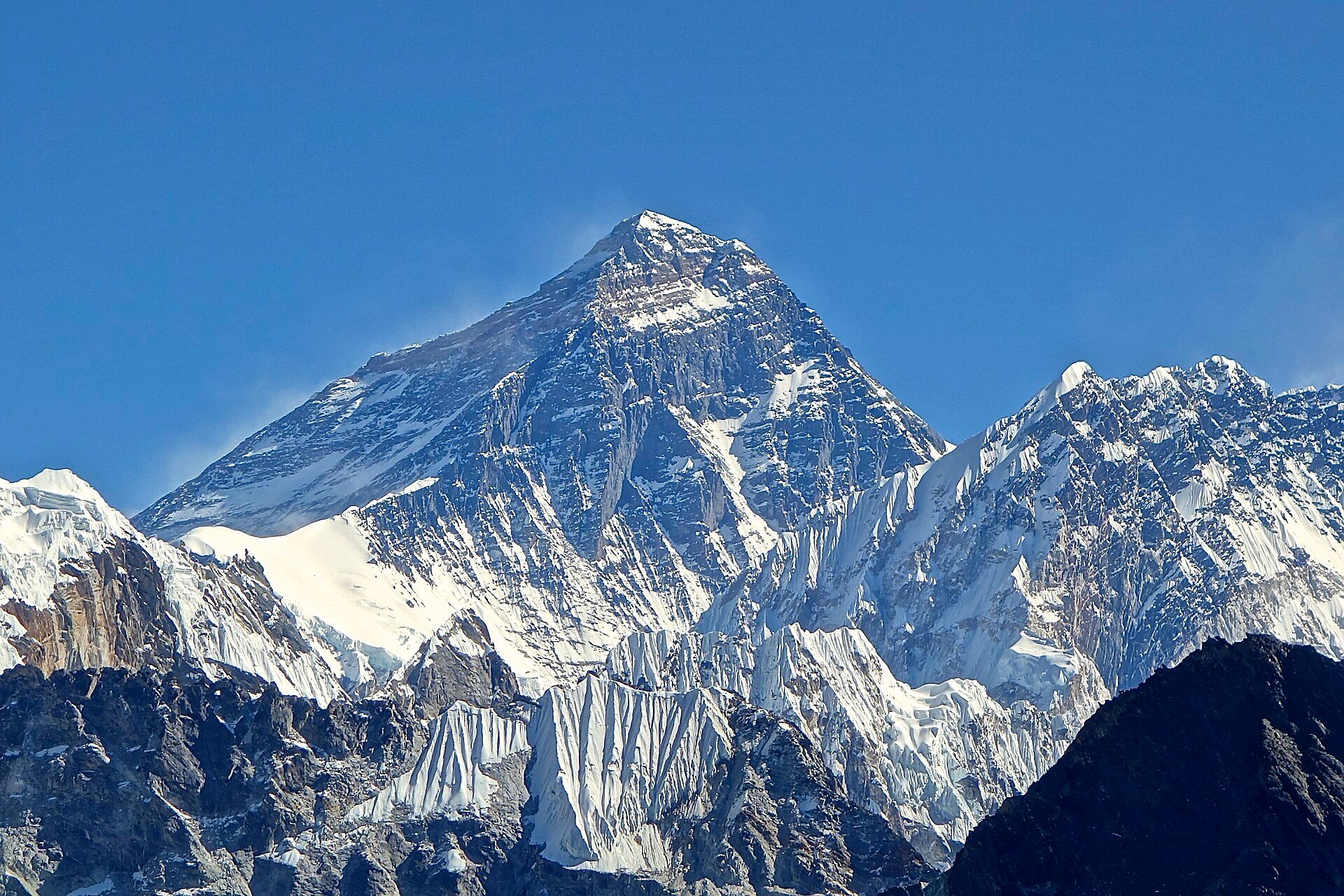
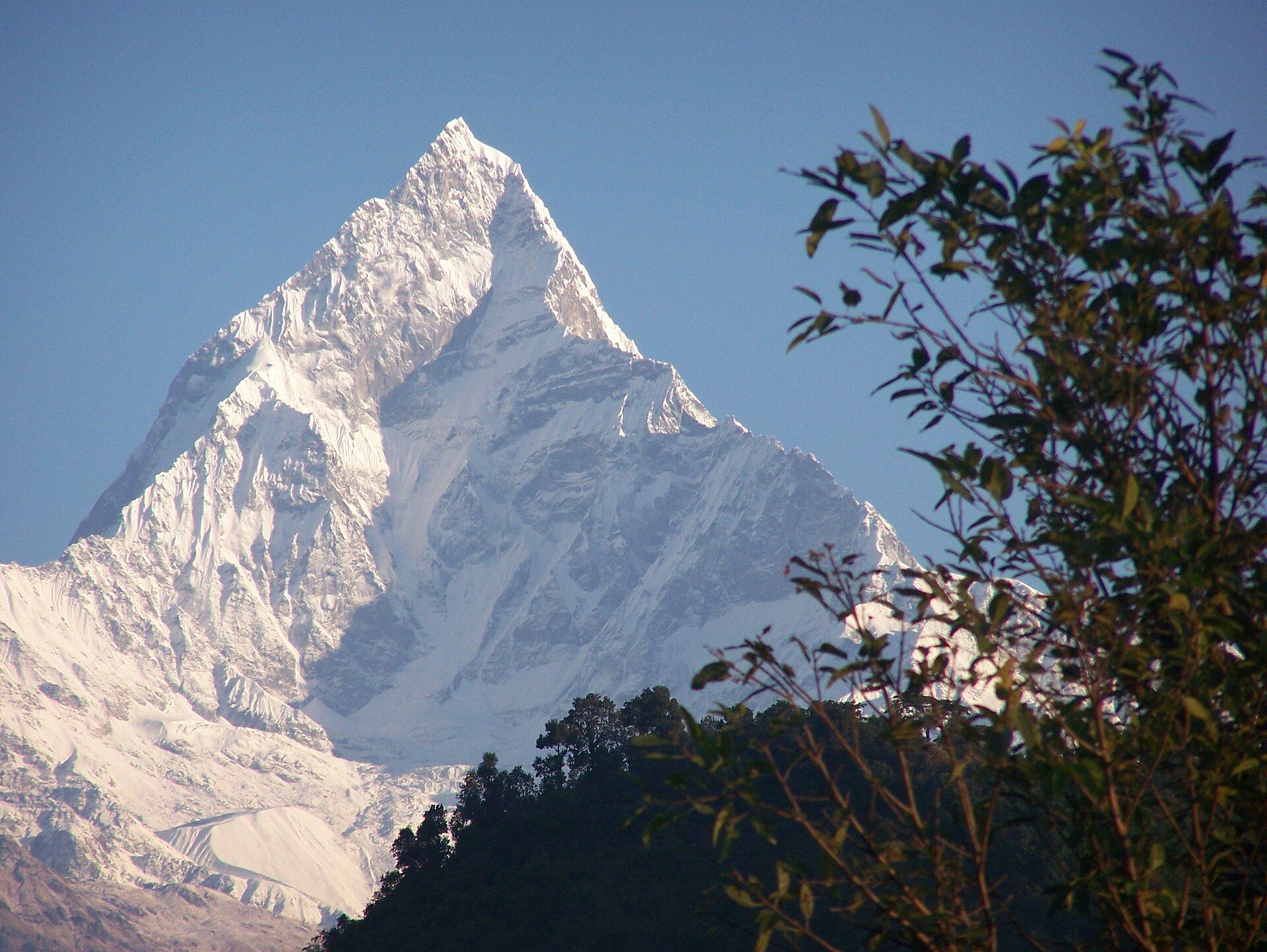
In Nepal, the Annapurna Sanctuary shows yet another face: a glacial amphitheatre ringed by 7,000- and 8,000-metre giants, reached not by technical climbing but by a trek up through terraced farmland and blazing rhododendron forest. And of course there is Everest itself — but even here, the real wonder for most visitors is the walk through Sherpa country to its base, not the deadly summit far above.
What ties them together is scale and verticality — landscapes that climb from subtropical valley to permanent snow in the space of a few days’ walk, packing whole climate zones onto a single mountainside. The Himalaya reward the summit-chasers, yes, but they offer just as much to anyone willing to walk into a valley, sit by a high lake, or simply look up. The roof of the world has many rooms.
Wonders in this article