Head to head · Croatia's waterfall lakes vs Slovenia's island lake
Plitvice Lakes vs Lake Bled: Which Is More Beautiful, and Which Should You Visit?
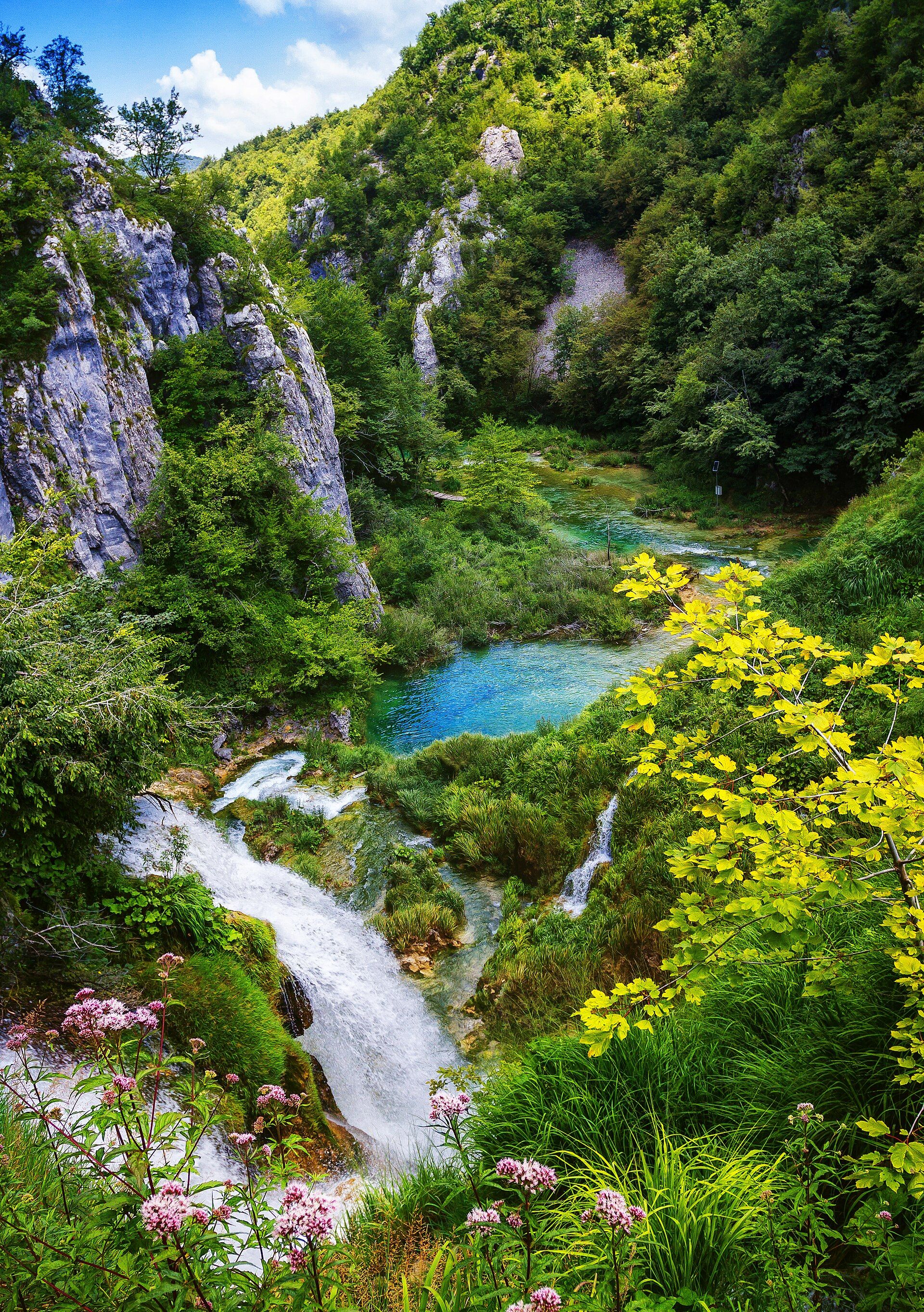
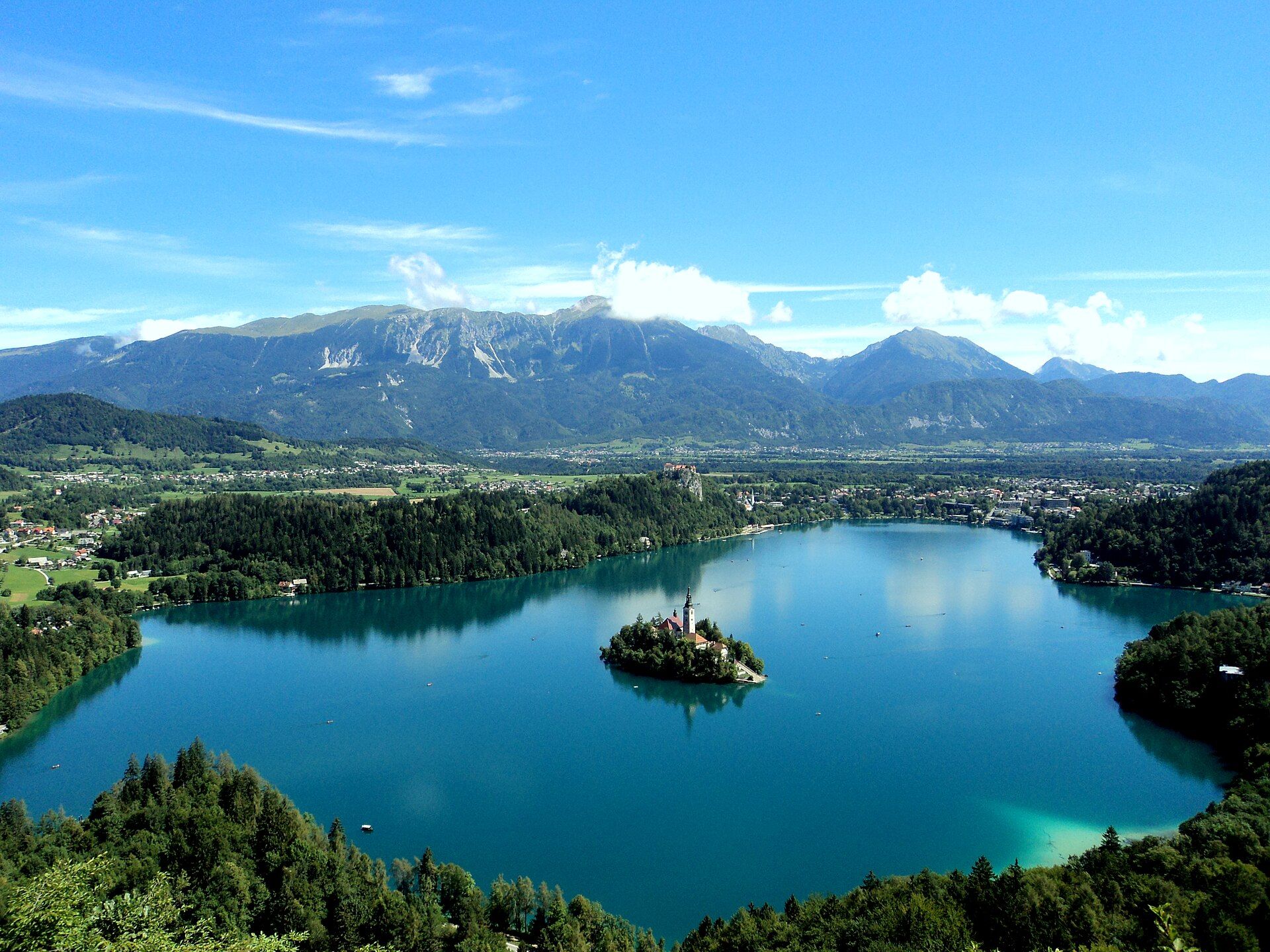
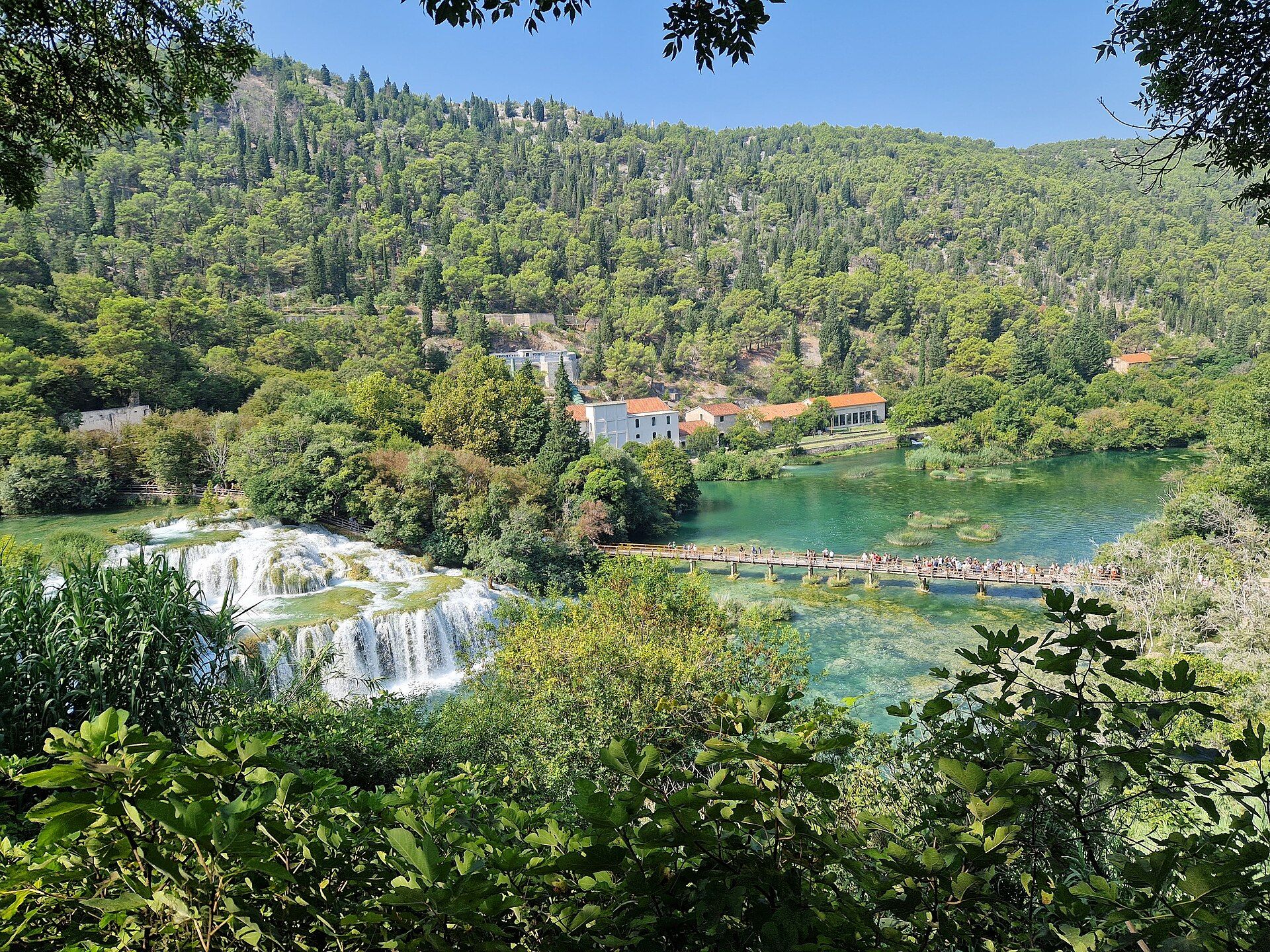
Plitvice Lakes in Croatia and Lake Bled in Slovenia are the two lake sights most often paired on a Balkans or Alps-Adriatic trip, and they are very different visits. Plitvice is a national park and UNESCO World Heritage Site: a staircase of sixteen turquoise lakes tumbling one into the next over natural travertine dams and waterfalls, seen from boardwalks on a timed-entry ticket. Bled is a single glacial lake with a tiny church-topped island, a clifftop castle and the Julian Alps behind — a place to walk, row and swim rather than a park to tour.
The practical differences are rules and season. At Plitvice, swimming is prohibited and you must stay on the boardwalk; daily numbers are capped in high season and tickets sell out, so buy online in advance. At Bled the roughly 6 km shoreline loop is free and needs no ticket — you pay only for the pletna boat, the island church and the castle. Plitvice's waterfalls are fullest in April–June; Bled is at its best from May to September for swimming and boating.
Plitvice Lakes
Sixteen lakes and countless waterfalls
Croatia's oldest national park, where travertine dams hold a chain of sixteen terraced lakes linked by waterfalls, threaded by boardwalks through forest. Shuttle buses and an electric boat move you between sectors.
- Waterfalls at full flow in spring
- Boardwalks right over turquoise water
- Autumn colour with fewer crowds
Lake Bled
Island church, castle and the Julian Alps
A glacial lake beneath a clifftop castle and the peaks of the Julian Alps, with a church on a tiny island reached by traditional pletna boat or a rowing boat you hire yourself. Triglav National Park is close by.
- Swimming and boating in summer
- Free shoreline loop of about 6 km
- Under an hour from Ljubljana
Head to head
| What matters | Plitvice Lakes | Lake Bled |
|---|---|---|
| The scenery Edge: Toss-up | Water in motion: cascades and terraced lakes in many shades of turquoise, seen up close from boardwalks. | One composed scene — island, church, castle and mountains — best at the calm, well-lit ends of the day. |
| Swimming Edge: Lake Bled | Prohibited throughout the park. | Yes — swimming and boating are among the main reasons to go in summer. |
| Tickets Edge: Lake Bled | Timed-entry ticket bought online in advance; high-season caps mean walk-up tickets sell out. | Free to walk; charges only for the pletna boat, the island church and bell tower, and the castle. |
| Best season Edge: Toss-up | April–June for the fullest waterfalls; autumn for colour and fewer people. Winter can freeze the falls. | May–September for swimming and boating; autumn colour and a quiet, sometimes snowy winter otherwise. |
| Getting there Edge: Lake Bled | Fly to Zagreb or Zadar; the park is roughly 2h–2h30 by road or bus from Zagreb, about 2h from Zadar. | Fly to Ljubljana; Bled is about 45 minutes by car or bus. |
| Time needed Edge: Toss-up | 4–6 hours for a full circuit; a full day at a comfortable pace. | A full day, easily — or a base for Triglav National Park. |
| Crowds Edge: Lake Bled | Congested on the lower-lake boardwalks in midsummer, with slow single-file queues. First entry and the shoulder seasons transform the visit. | Busy around the boat jetties and photo spots in summer; early, late and off-season are peaceful. |
Which should you choose?
Choose Plitvice Lakes if…
…you want waterfalls and the more unusual landscape, can visit in spring or autumn, and are happy to book a timed ticket and keep to the boardwalks.
Choose Lake Bled if…
…you are travelling in summer and want to swim, row and walk at your own pace without a ticket, or you are basing yourself in Ljubljana or the Julian Alps.
The honest verdict
On landscape alone, Plitvice is the more remarkable place — nowhere else in Europe stacks sixteen lakes and their waterfalls on top of each other. It is at its best in April–June, when the falls are full.
In July and August, Bled is the better day: you can swim, the shoreline is free, and its crowds thin out quickly away from the jetties, while Plitvice's lower boardwalks are at their most congested.
If you visit Plitvice in high season, buy the timed ticket online well ahead and take the first entry slot; check the park's current rules and Bled's boat and castle times before you go.
Wonders mentioned here
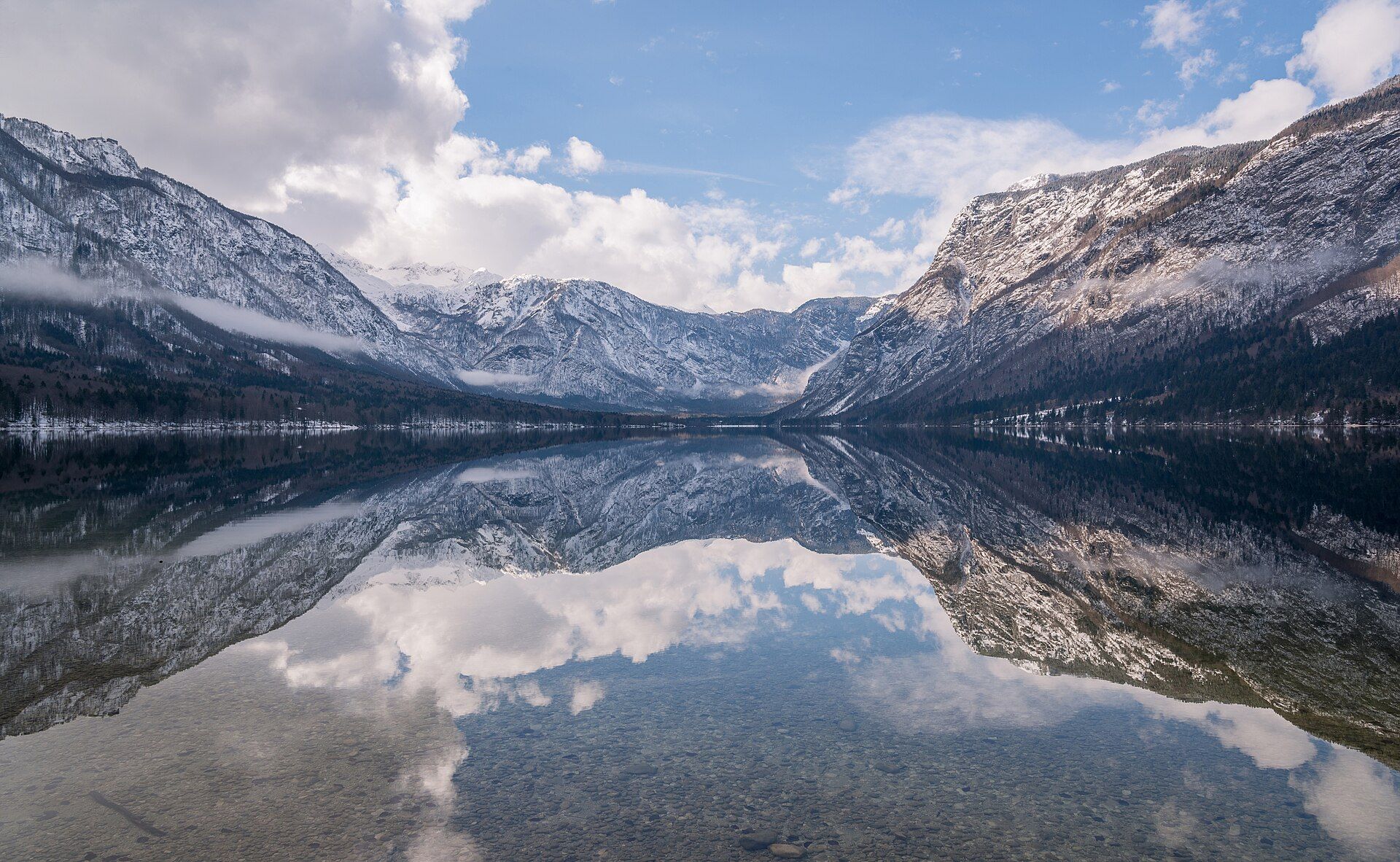
Triglav National Park
Julian Alps, north-western Slovenia, on the border with Italy and close to Austria
Added