Head to head · Italy's villa lake vs Switzerland's mountain lake
Lake Como vs Lake Lucerne: Which Alpine Lake Should You Visit?
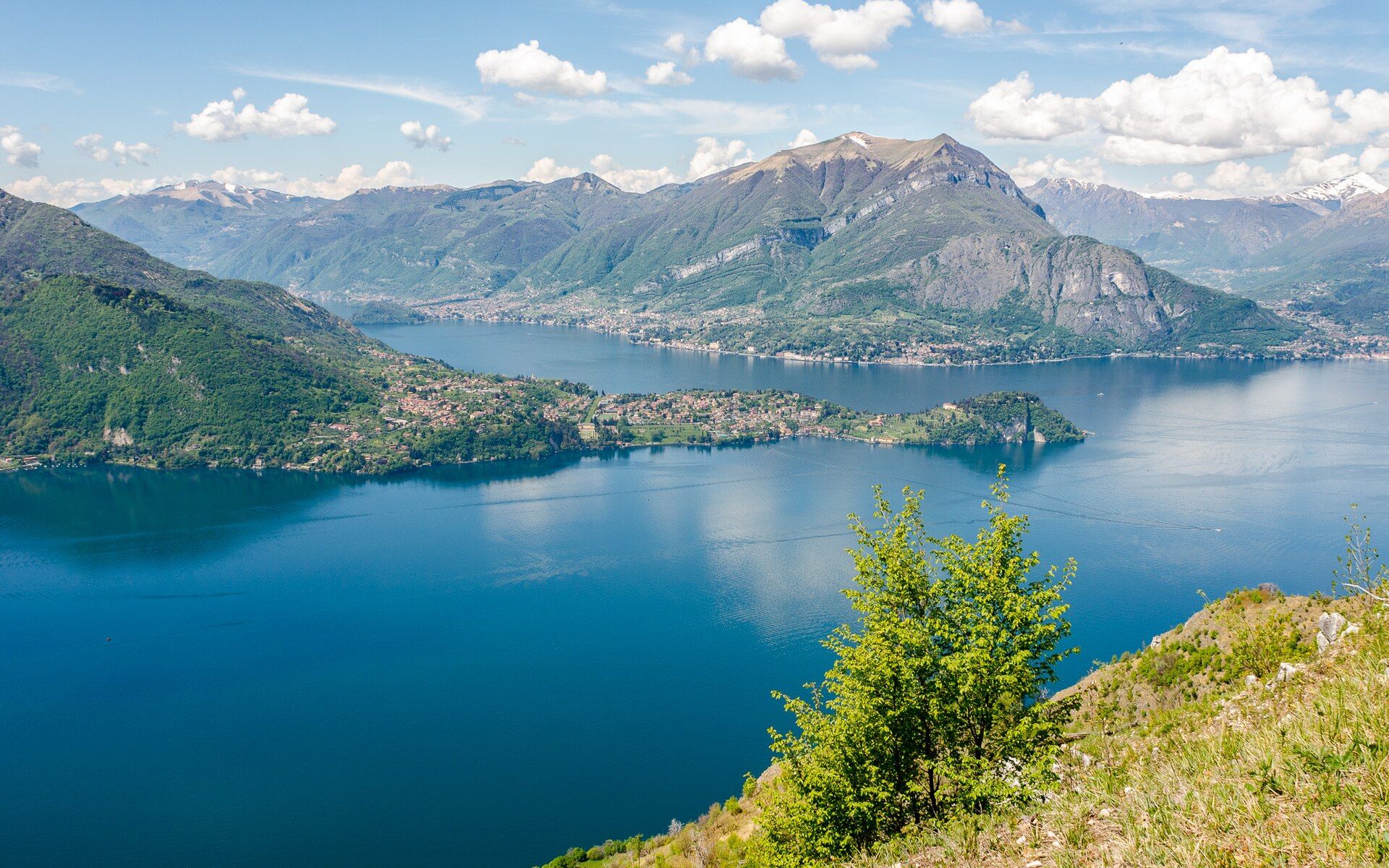
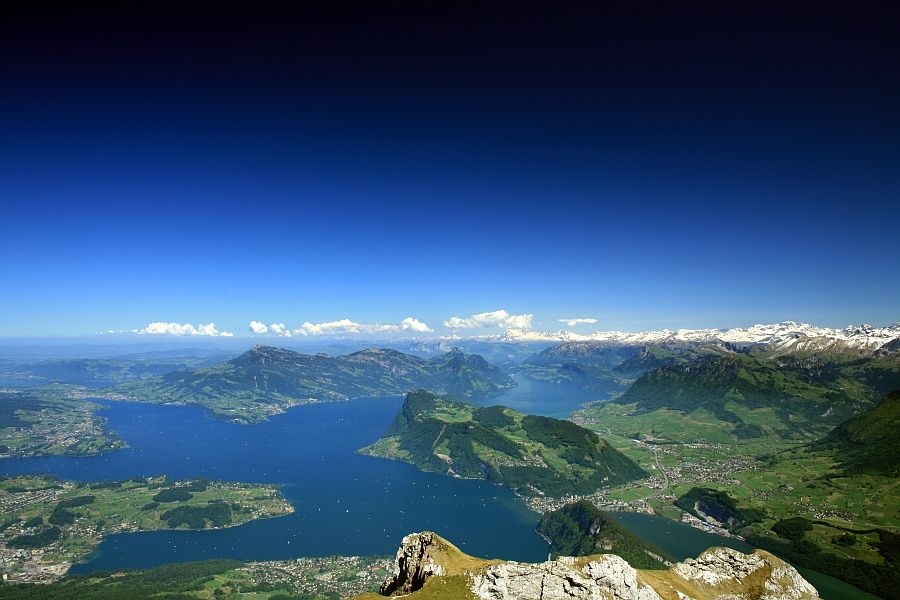
Lake Como in Italy and Lake Lucerne in Switzerland are the two alpine lakes most often weighed for a first trip to the Alps, and both are boat lakes: you see them best from the water. Como is the villa lake — a deep, inverted-Y trough of about 146 km², over 400 m deep, with Bellagio on the promontory where its three arms meet and gardens and villas along the shore. Lucerne (the Vierwaldstättersee) is the mountain lake — 114 km² of branching arms up to 214 m deep, with Rigi and Pilatus rising from its shores and the fjord-like Uri arm closing in toward Flüelen.
The difference in a day trip is what you do off the boat. On Como you hop between villages and ticketed villa gardens; the lakeside roads are narrow and slow, so ferries are the way to move. On Lucerne the SGV boats and paddle steamers connect directly with the Rigi cog railway and the Pilatus cableway, so a lake day becomes a summit day. Como is at its best in April–June and September–October; Lucerne's boats and mountain lines run their full timetable from May to October.
Lake Como
Villas, gardens and lakeside villages
A glacial lake in Lombardy hemmed by steep wooded mountains still snow-capped in spring, with Bellagio, cliff-clinging villages and centuries of grand villas linked by ferry.
- Under an hour from Milan
- Villa gardens and Bellagio
- Swimming in summer
Lake Lucerne
Paddle steamers and mountain railways
A many-armed lake at the heart of Switzerland, ringed by lakeside towns and the meadow where the Swiss Confederation was born, with Rigi, Pilatus and the Uri Alps rising straight from the shore.
- Boats that connect to summit railways
- Fully served by public transport year-round
- About an hour by train from Zürich Airport
Head to head
| What matters | Lake Como | Lake Lucerne |
|---|---|---|
| The scenery Edge: Toss-up | Dark, deep water between wooded mountains, with villas, gardens and villages at the water's edge. | Branching arms and basins under peaks rising about 1,500 m above the lake, steepest in the southern Uri arm. |
| Size and depth Edge: Lake Como | About 146 km², over 400 m deep — one of Europe's deepest lakes. | 114 km², 214 m deep, at 434 m above sea level. |
| Getting there Edge: Toss-up | Fly to Milan; Como or Lecco is under an hour by train or road. | Train from Zürich Airport to Lucerne, about an hour. |
| Getting around Edge: Lake Lucerne | Ferries between villages; lakeside roads are narrow and slow. | SGV boats link Lucerne, Weggis, Vitznau, Brunnen and Flüelen, with the Rigi and Pilatus lines starting at the piers; the Swiss Travel Pass covers the boats and many mountain lines. |
| Best season Edge: Toss-up | April–June and September–October for mild weather, gardens and fewer crowds; summer is warm and busy. | May–October for the full boat and railway timetable; summer for swimming, autumn for clear air. |
| Time needed Edge: Lake Lucerne | 2–3 days for the villages, villas and views. | A half to full day for a lake-and-mountain loop; longer for a summit or a lakeside night. |
Which should you choose?
Choose Lake Como if…
…you want slow days of villages, villa gardens and lakeside dinners, are flying into Milan, and can travel in spring or early autumn.
Choose Lake Lucerne if…
…you want the lake and the mountains in one day — a boat to Vitznau and the cog railway up Rigi — or are travelling Switzerland by train on a pass.
The honest verdict
Lake Como is the more romantic stay: the villas, gardens and villages are the point, and two or three slow days suit it best.
Lake Lucerne is the better day out and the easier one to slot into a rail trip: no other alpine lake links its boats so directly to summit railways.
Choose by your gateway as much as by taste — Milan points to Como, Zürich to Lucerne — and check boat and villa timetables, which shrink outside the main season.
Wonders mentioned here
Added