Head to head · Maui's summit crater vs the Big Island's active volcano
Haleakalā vs Kīlauea: Which Hawaiʻi Volcano Should You Visit?
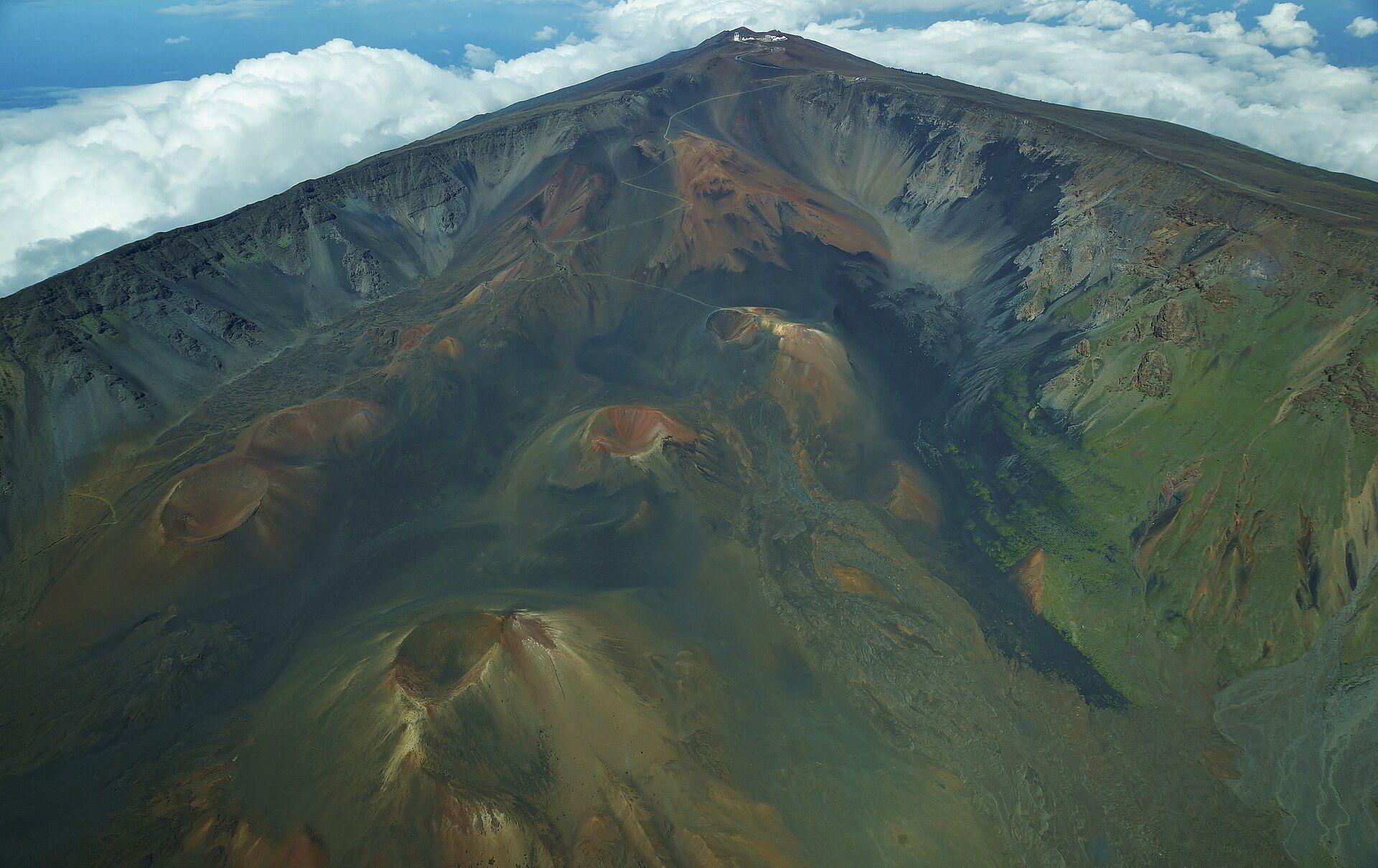
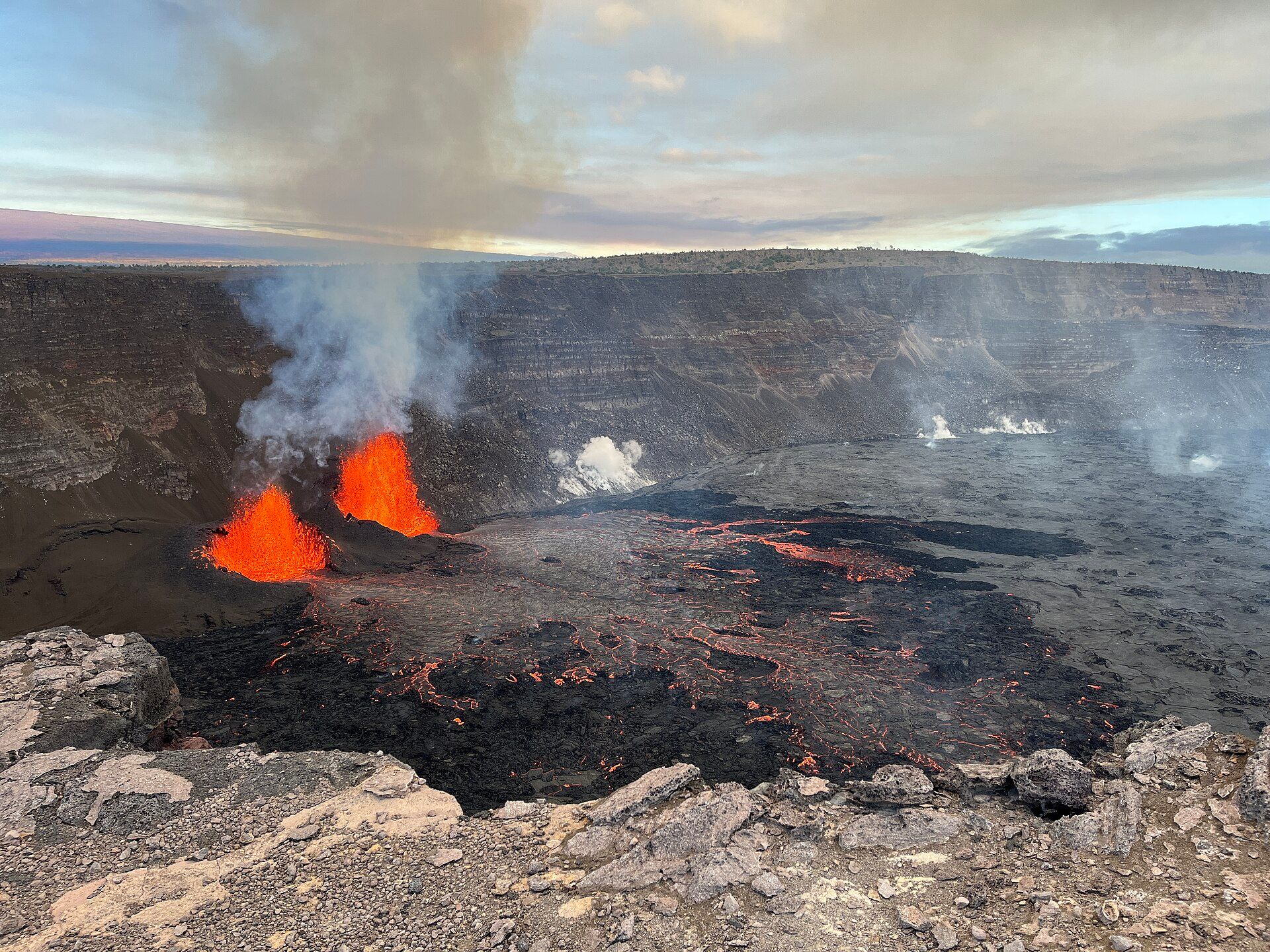
Haleakalā and Kīlauea are Hawaiʻi's two famous volcano national parks, on different islands. Haleakalā is the volcano that built East Maui. Its summit stands at 10,023 ft (3,055 m) above the huge Haleakalā Crater, which is really an erosional summit depression with a floor of cinder cones and old lava flows. Kīlauea is a broad, active shield volcano on the Island of Hawaiʻi (the Big Island), inside the UNESCO-listed Hawaiʻi Volcanoes National Park. It sometimes fills Halemaʻumaʻu crater with a glowing lava lake.
The choice usually follows from which island you are staying on. If you are choosing between islands, the difference is predictability. Haleakalā is the same every day, give or take the weather. At Kīlauea, an eruption can start or stop without warning.
Haleakalā
Sunrise above the clouds and a cinder desert crater
The US Geological Survey counts at least ten eruptions in the past 1,000 years, the latest sometime between 1480 and 1600, so it is not extinct, but it is not erupting. The Summit District is about 45 minutes to an hour by road from Kahului. Any vehicle entering between 3:00 and 7:00 AM needs a sunrise reservation from Recreation.gov, on top of the park pass. Mornings at the summit can drop to 0°C (32°F) or below. No food or fuel is sold in the park.
- Sunrise above the clouds from the summit
- Day hikes down into the crater's cinder desert, or the 11-mile crossing
- Reliable: what you see doesn't depend on an eruption
Kīlauea
Watch an active volcano make new land, when it is erupting
Kīlauea sits over the Hawaiian hotspot and erupts often, sometimes with a lava lake in Halemaʻumaʻu, sometimes with flows across the land or into the ocean. The park is about 45 minutes by road from Hilo. The summit area sits around 1,200 m and is often cool, wet and windy. Volcanic gas (vog and sulphur dioxide) affects people with asthma or heart conditions. The park closes roads, trails and overlooks as activity changes.
- The chance to see glowing lava, especially after dark
- Craters, lava fields and steam vents within reach of paved roads and boardwalks
- A whole national park of volcanic landscape to explore over one or two days
Head to head
| What matters | Haleakalā | Kīlauea |
|---|---|---|
| The experience Edge: Toss-up | A vast, quiet summit crater of cinder cones and colour, best at sunrise or sunset. | A living volcano: craters, steam and, during an eruption, the glow of lava at night. |
| Predictability Edge: Haleakalā | High. The landscape doesn't change. Only the weather and clouds vary. | Low. Whether anything is erupting is a matter of the moment. Check the USGS Hawaiian Volcano Observatory and park alerts on the day. |
| Reservations Edge: Kīlauea | A Recreation.gov reservation for any vehicle entering the Summit District between 3:00 and 7:00 AM, plus the park pass. | National park entrance fee. No timed reservation, but car parks fill after dark when an eruption is visible. |
| Getting there Edge: Toss-up | 45 minutes to an hour from Kahului, 1–1.5 hours from Kīhei and 1.5–2 hours from Lāhainā, according to the NPS. | About 45 minutes from Hilo; Hilo is roughly a 45-minute flight from Honolulu. |
| Weather Edge: Toss-up | Cold, thin air at 10,023 ft: below freezing on some mornings, 10–15°C (50–60°F) in the afternoon. | Around 1,200 m, often cool, wet and windy, and nothing like the coast. |
| Hiking Edge: Toss-up | Soft cinder trails into the crater: easy going down, slow coming back up at altitude. | Paved viewpoints and boardwalks, plus rough trails across lava; routes open and close with activity. |
| Health considerations Edge: Toss-up | Altitude. The summit is high enough to notice if you have driven up from sea level. | Volcanic gas. Vog and sulphur dioxide warnings matter for people with asthma or heart conditions. |
Which should you choose?
Choose Haleakalā if…
…you are staying on Maui, want a sure-thing sunrise or a crater hike, and can book the sunrise reservation ahead.
Choose Kīlauea if…
…you are staying on the Big Island, are flexible on dates, and want the chance to see an active volcano, ideally at night during an eruption.
The honest verdict
Choose by island first. Haleakalā is a near-essential half-day on Maui, and Kīlauea is the reason many people pick the Big Island.
If you are choosing between islands for the volcano alone, check the USGS Hawaiian Volcano Observatory first. If Kīlauea is erupting, it is the more extraordinary sight. If it is quiet, Haleakalā's sunrise and crater are the more reliable experience.
At both, bring warm layers and rain gear, and check the park's alerts page on the day you go.
Wonders mentioned here
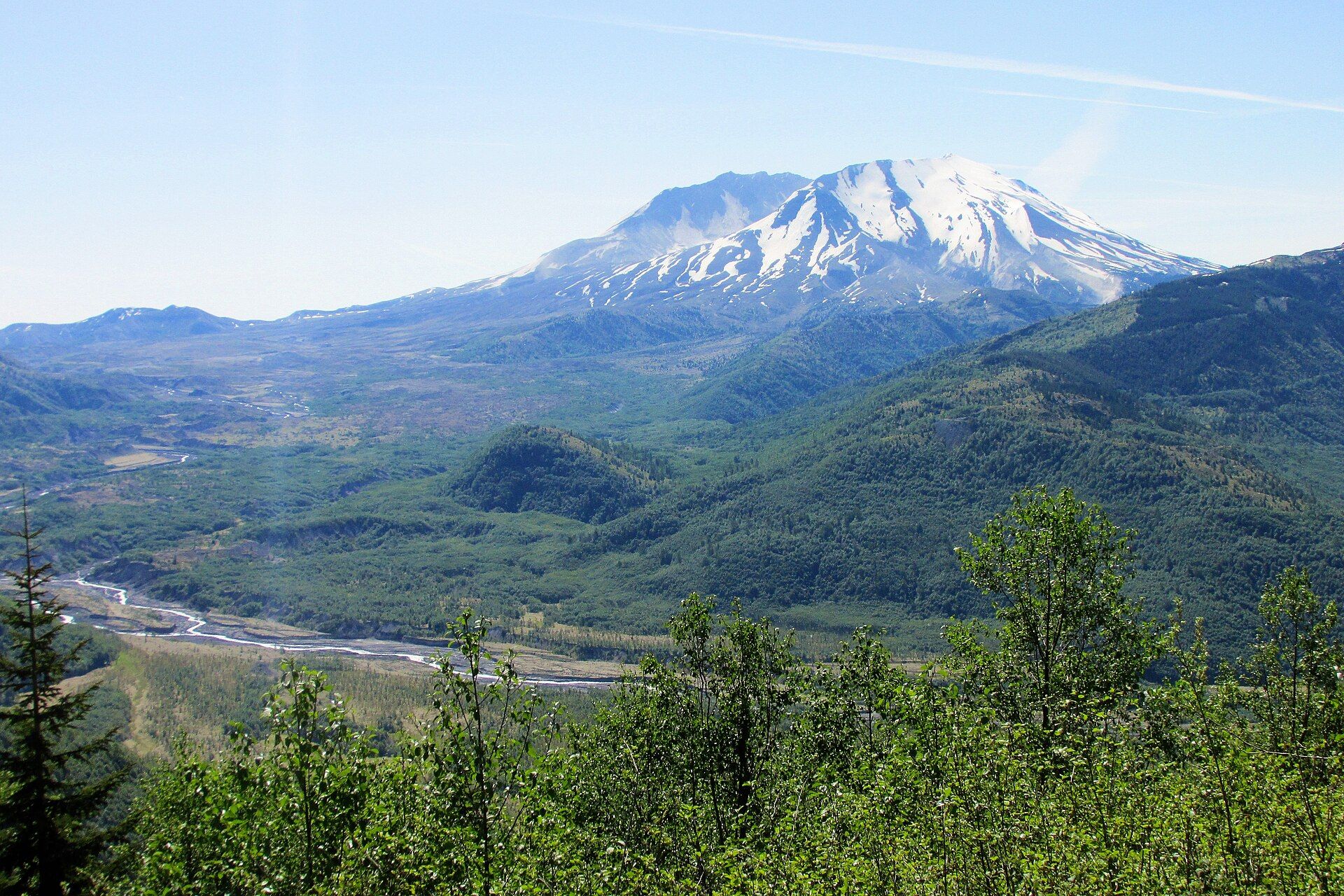
Mount St. Helens
Cascade Range, south-west Washington, USA, about 70 miles north of Portland, Oregon
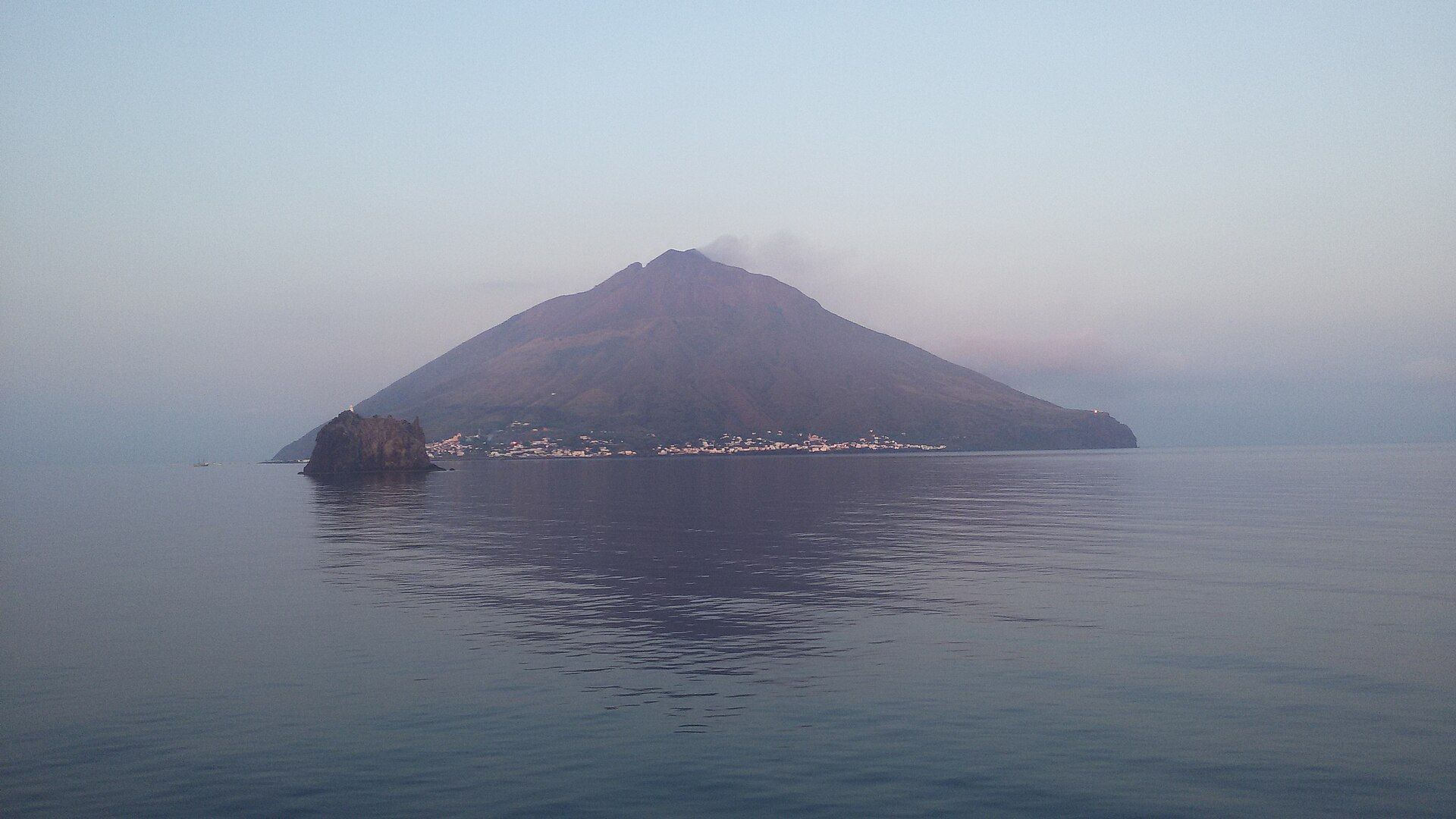
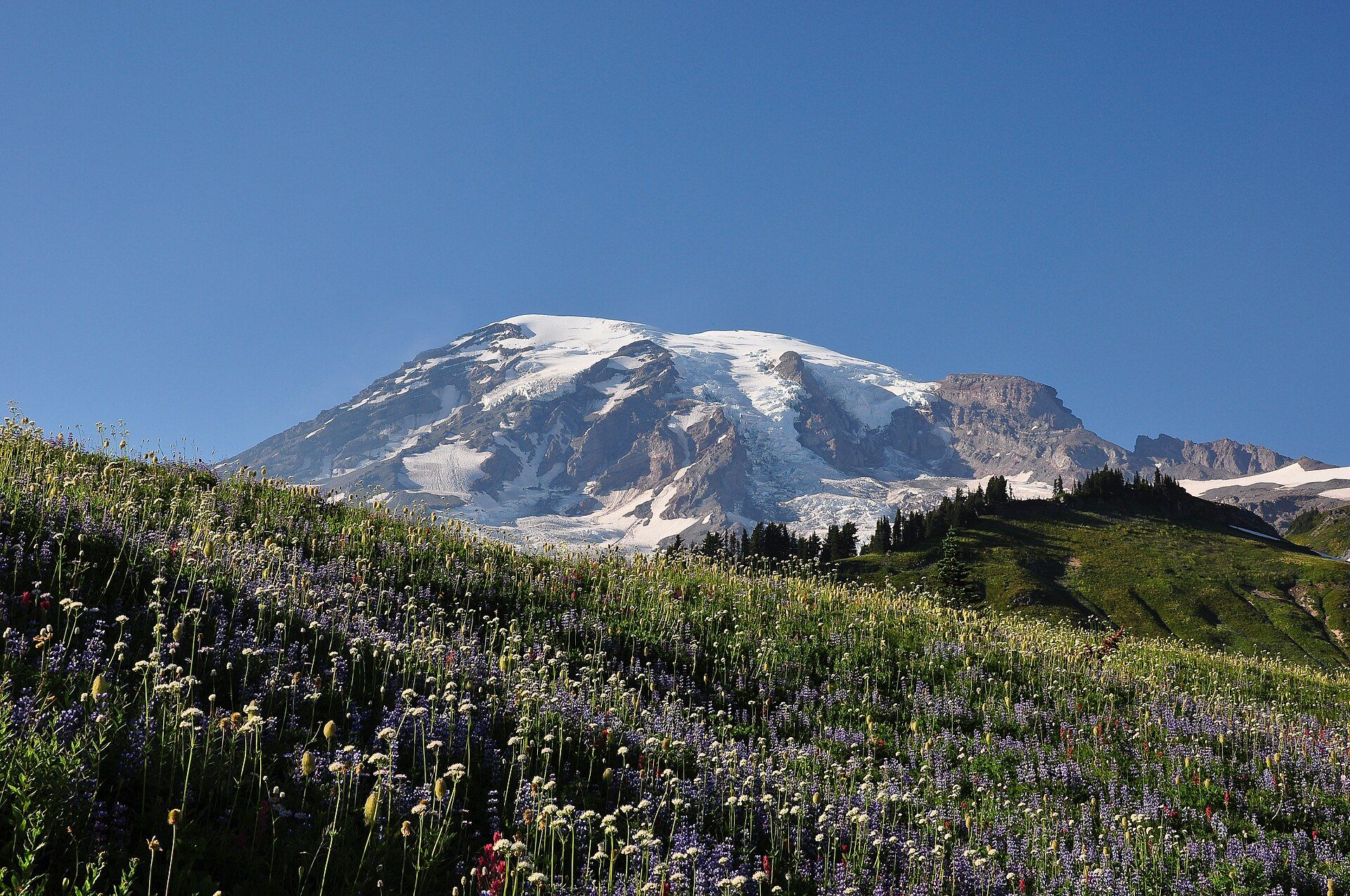
Mount Rainier
Cascade Range, western Washington, USA, about 65 miles southeast of the Seattle–Tacoma area
Added