Head to head · Canada's turquoise lakes vs California's granite valley
Banff vs Yosemite: Which National Park Should You Visit?
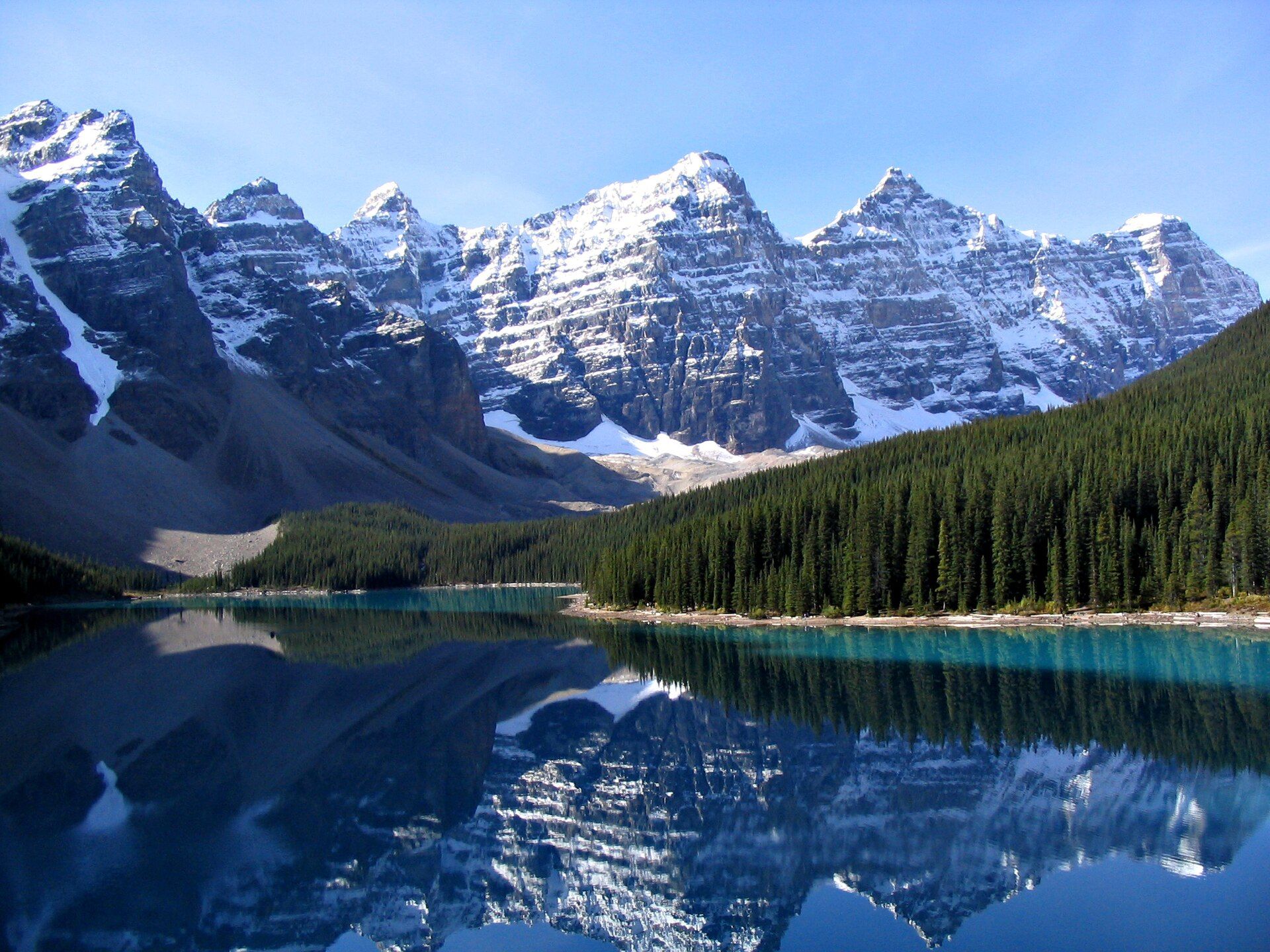
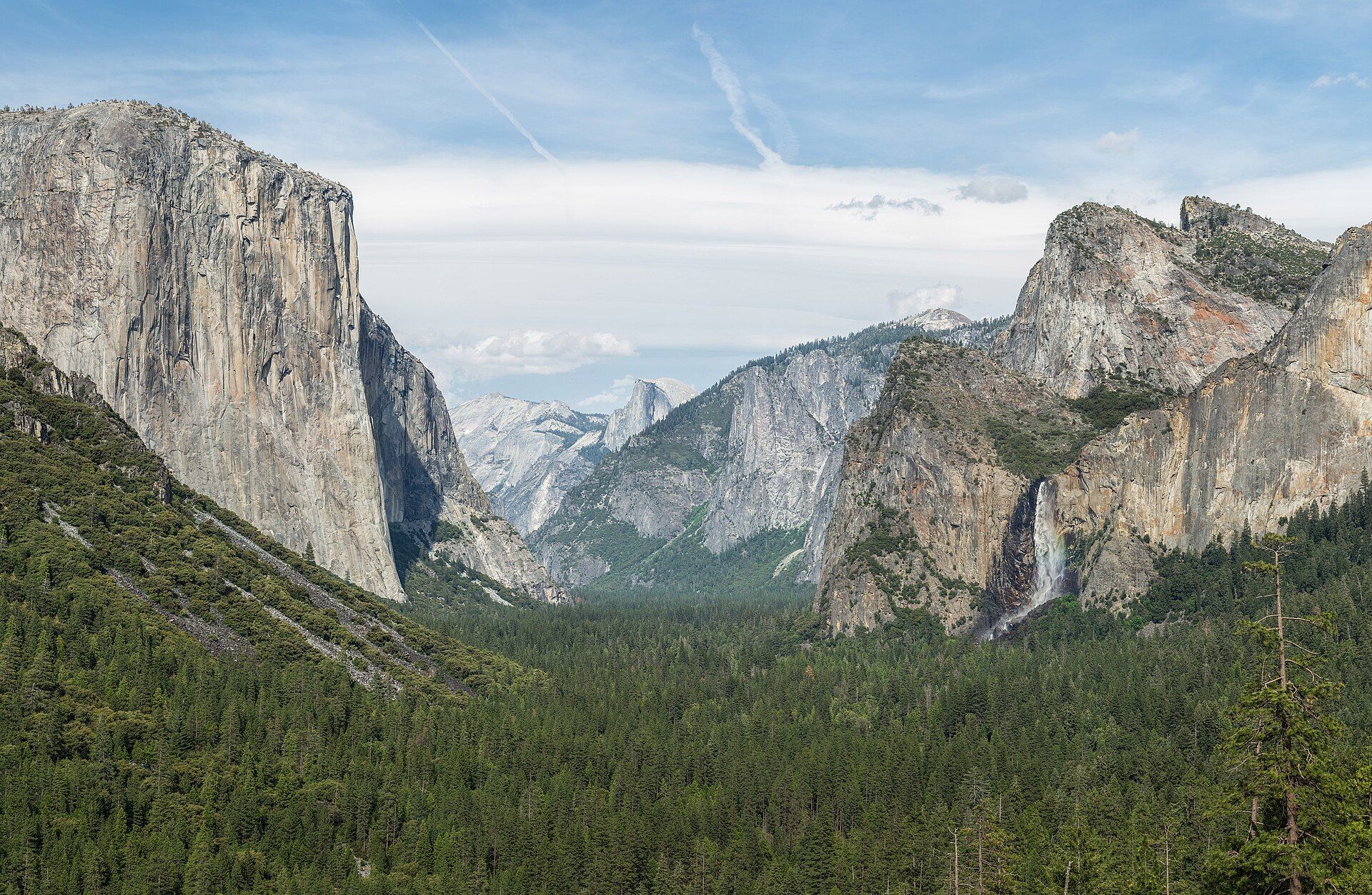
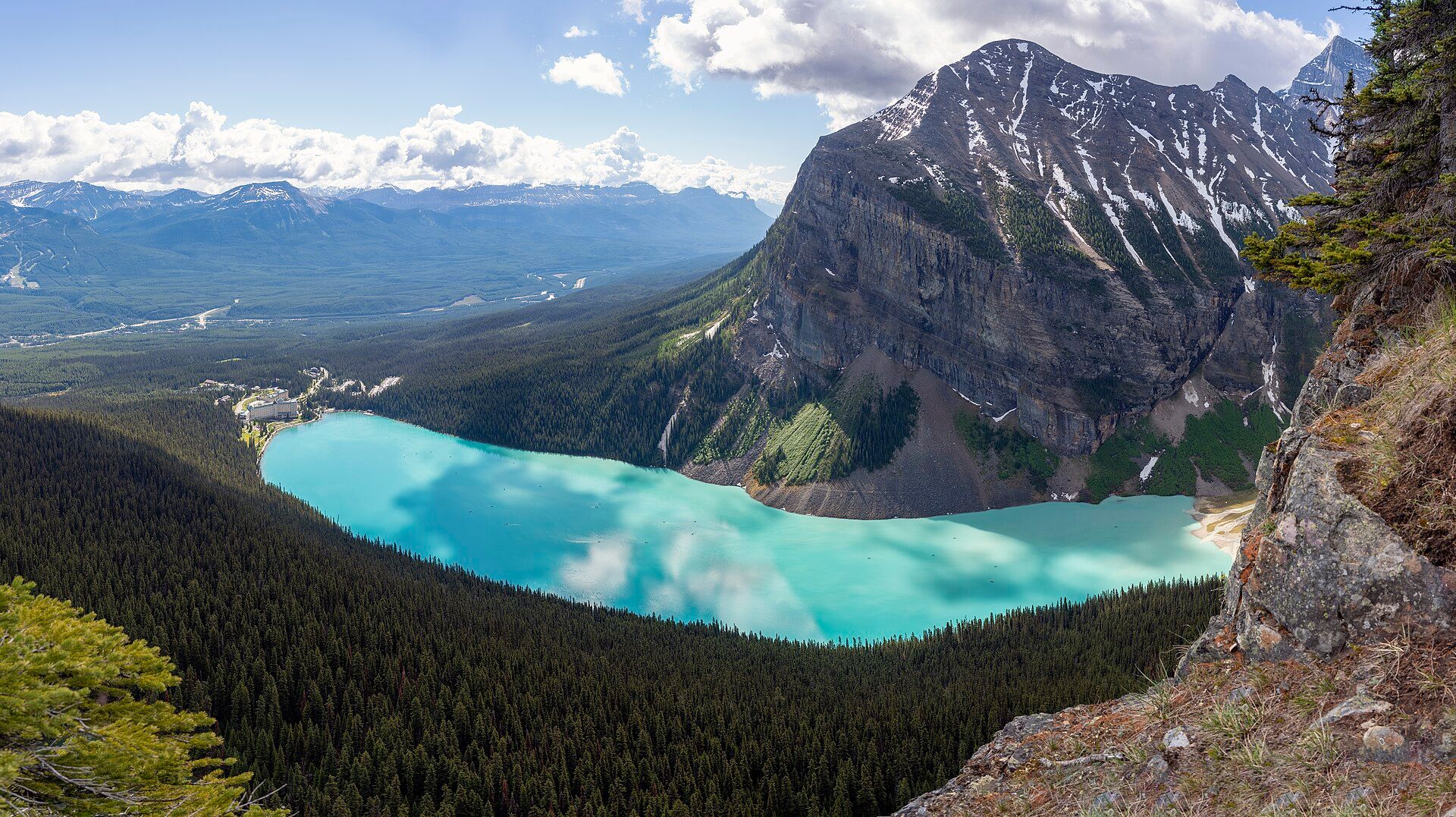
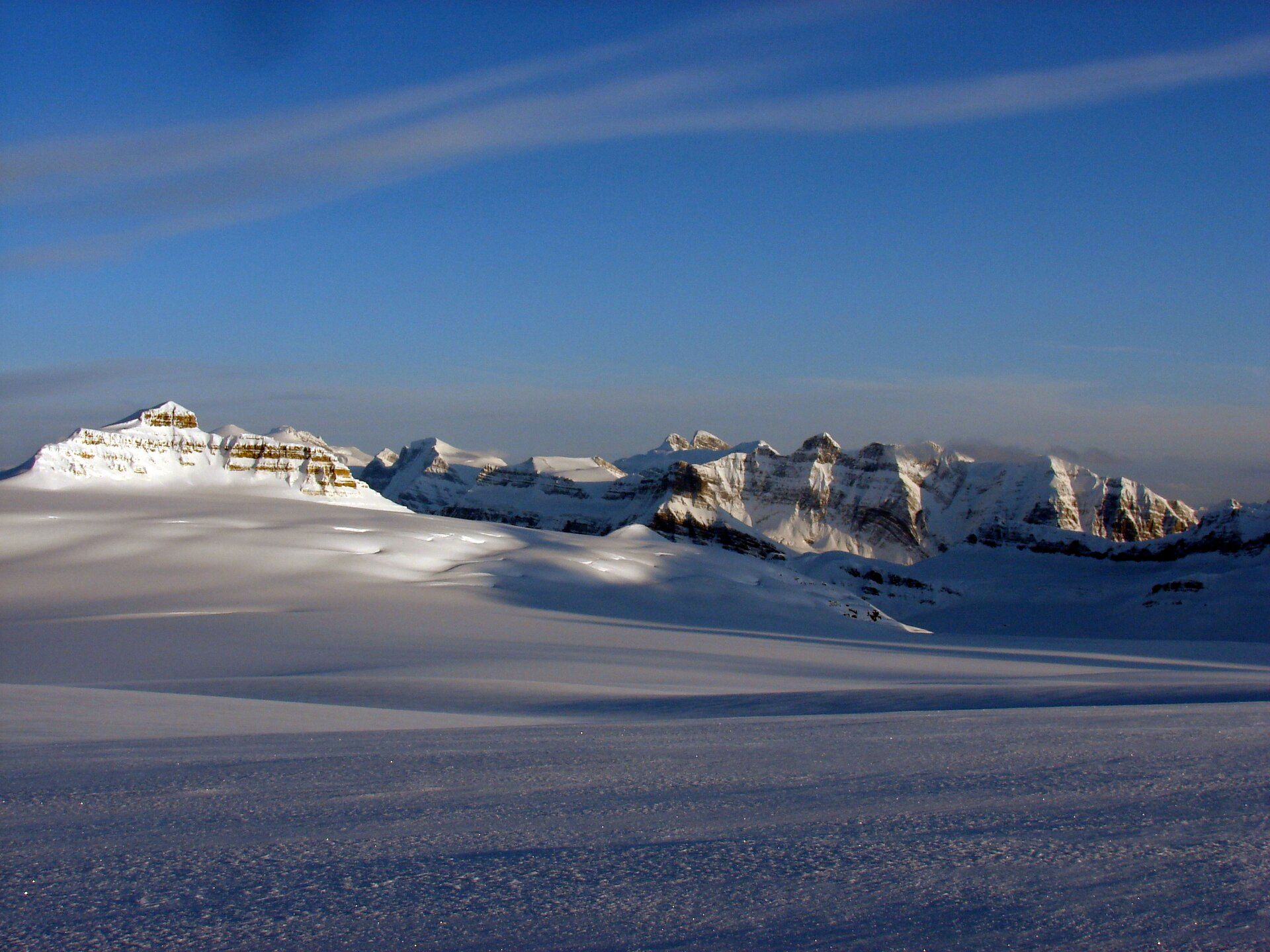
Banff in Alberta and Yosemite in California are the two mountain parks most often weighed against each other for a first big North American trip, and they deliver different kinds of grandeur. Banff's signature is colour: Moraine Lake and Lake Louise glow turquoise from glacial rock flour beneath a rim of jagged peaks. Yosemite's is scale: a glacier-carved granite valley walled by El Capitan and Half Dome, with waterfalls pouring off the rim.
Timing settles most decisions. Banff's lakes show their colour once they thaw, roughly from June, and the Moraine Lake road closes for the snow season from about mid-October — so its window is mid-June to mid-October. Yosemite's waterfalls are snowmelt-fed and peak around late May and June; by August Yosemite Falls is often dry. Both parks now ration access at their famous spots: Moraine Lake is closed to personal vehicles (shuttle, commercial transport or bicycle only), and Yosemite has run peak-hours entry reservations in recent seasons, with rules that change year to year.
Banff
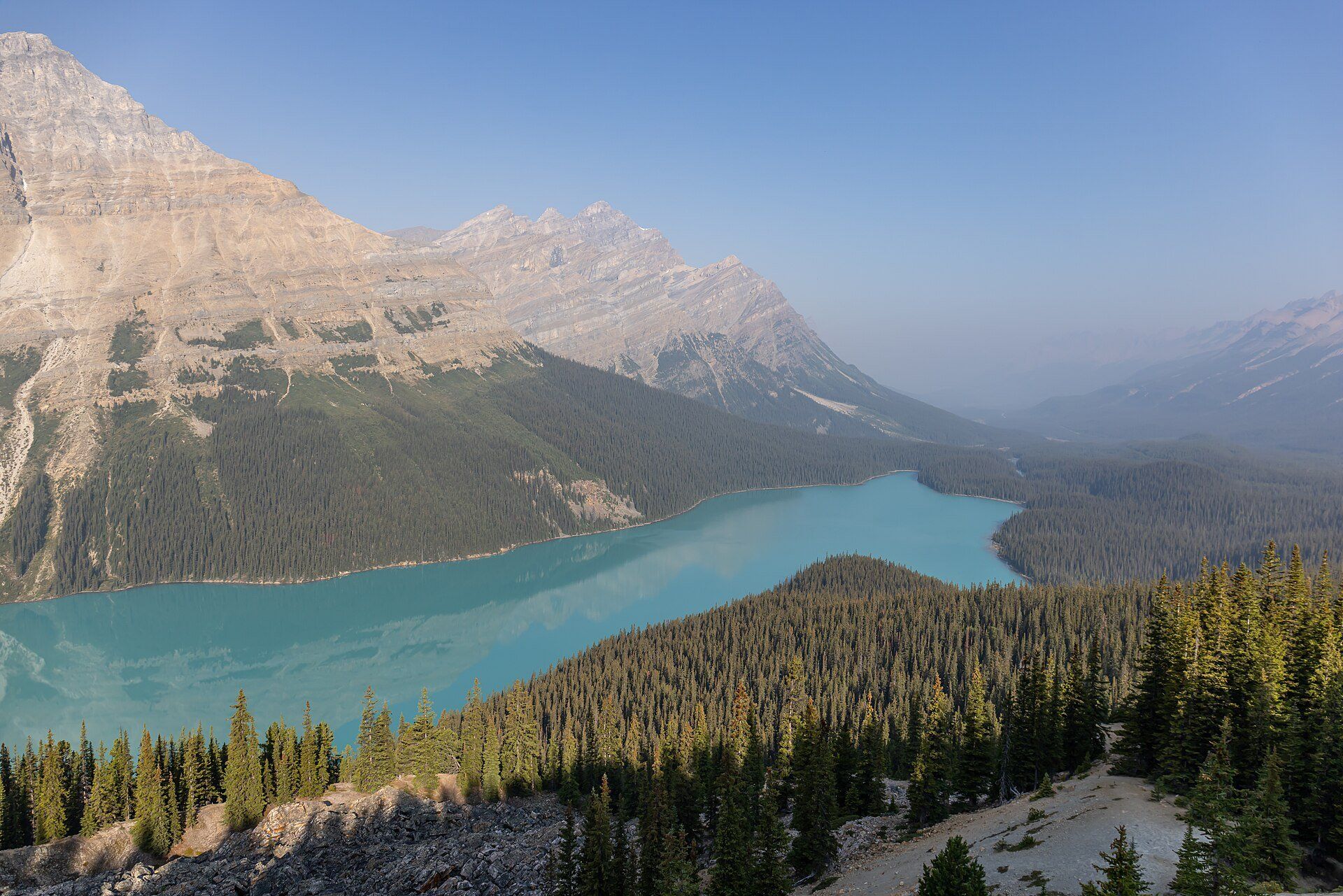
Turquoise lakes under the Rockies
Canada's first national park (1885), part of the Canadian Rocky Mountain Parks World Heritage Site. Moraine Lake beneath the Valley of the Ten Peaks and nearby Lake Louise are the classic views, with the Icefields Parkway beyond.
- The most vivid lake colour in the Rockies
- Easy lakeside walks at about 1,900 m
- Bears, elk and mountain goats
Yosemite
Granite walls and snowmelt waterfalls
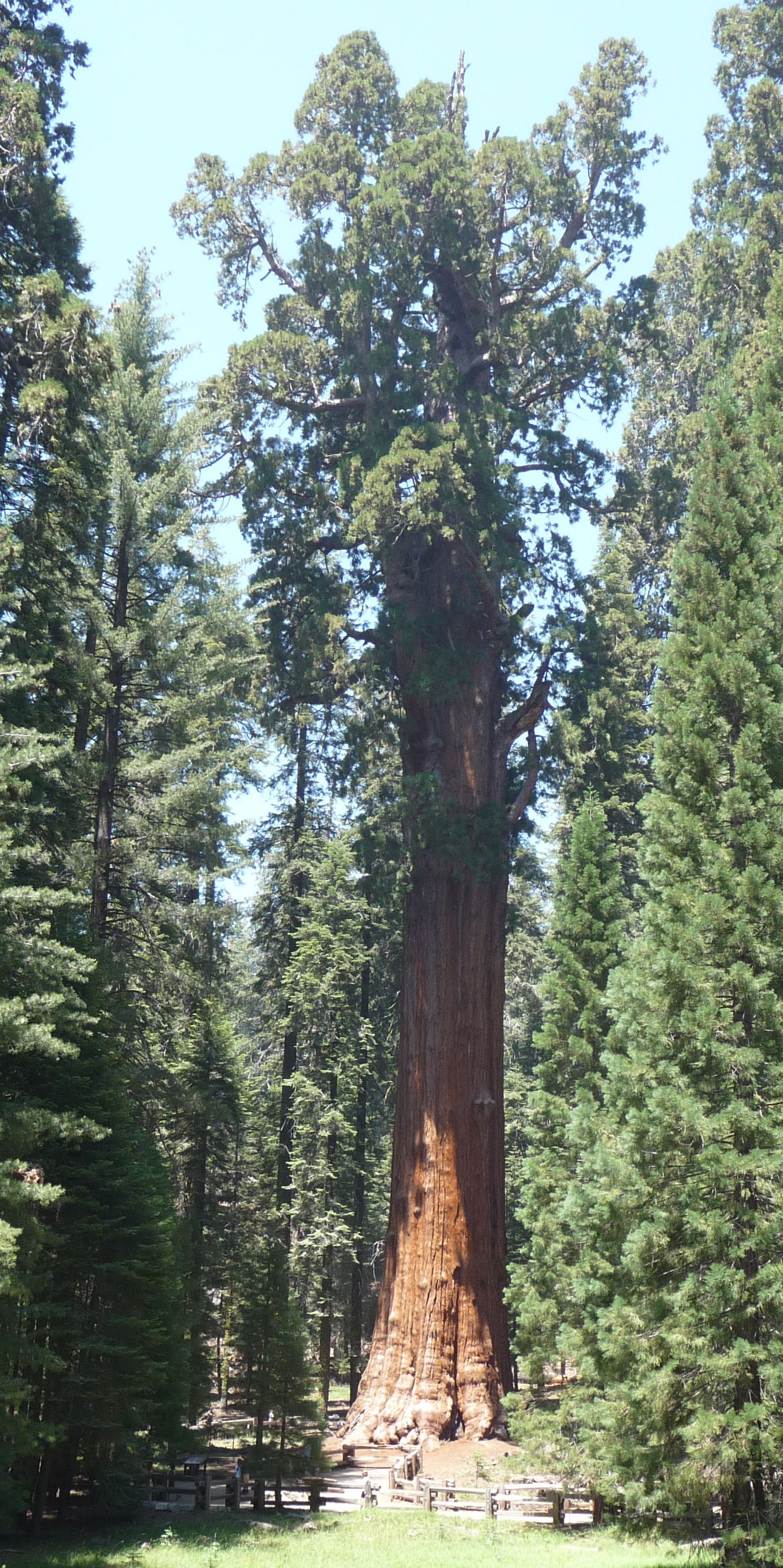
A UNESCO-listed glacial valley in the Sierra Nevada with near-vertical granite cliffs, some of North America's tallest waterfalls, the Merced River and nearby giant sequoia groves.
- El Capitan and Half Dome
- Waterfalls at full flow in late spring
- Giant sequoias and the quieter high country
Head to head
| What matters | Banff | Yosemite |
|---|---|---|
| The scenery Edge: Toss-up | Glacier-fed lakes in electric blue-green, ringed by snow-capped peaks and glaciers. | Polished granite walls about 900 m high, free-falling waterfalls and meadows on the valley floor. |
| Best season Edge: Toss-up | Mid-June to mid-October, once the road is open and the lakes have thawed; autumn is quieter. | May–June for peak waterfalls; September–October for crisp weather and fewer crowds. |
| Access rules Edge: Toss-up | Parks Canada pass required; the Moraine Lake road is closed to personal vehicles, and shuttle seats sell out in summer. | Entry fee, plus peak-hours reservations in several recent seasons (rules revised yearly); Half Dome cables need a separate lottery permit. |
| Getting there Edge: Banff | Fly to Calgary; about 1h30 to Banff, then about 45 minutes to Lake Louise and a shuttle up to Moraine Lake. | Fly to Fresno, or drive about 4h from San Francisco; from Fresno about 2h to the South Entrance and another hour to the valley. YARTS buses run from Merced and Fresno. |
| Hiking Edge: Yosemite | Easy shoreline paths, with steeper climbs to Larch Valley and the teahouses; snow lingers on high trails into summer. | From paved valley loops to serious granite climbs, including the permit-only Half Dome route. |
| Wildlife Edge: Banff | Grizzly and black bears, elk and mountain goats — carry bear spray on trails. | Black bears are active and adept at raiding food; lockers are mandatory. |
| Crowds Edge: Toss-up | Shorelines busy all summer day; even the first shuttles fill. Trails thin out quickly. | Very heavy in the valley from late spring through summer; Tuolumne Meadows is far quieter. |
| Time needed Edge: Toss-up | 2–3 days for the Bow Valley lakes and viewpoints. | Three days for the valley; more if you add Tuolumne or the sequoias. |
Which should you choose?
Choose Banff if…
…you want turquoise lakes and alpine scenery with easy walks, can travel between mid-June and mid-October, and are happy to book shuttle seats well ahead.
Choose Yosemite if…
…you want big walls, waterfalls and serious hikes, can travel in May or June for the falls, and will check the entry-reservation rules for your dates first.
The honest verdict
For pure colour, Banff wins — nothing in Yosemite looks like Moraine Lake on a clear morning. For sheer scale and variety of hiking, Yosemite wins, and in late spring its waterfalls are among the best sights in North America.
Let your travel month decide: May and early June favour Yosemite (Banff's lakes may still be frozen and the Moraine road closed); July to September favours Banff (Yosemite's waterfalls are fading and the valley is at its busiest).
Either way, the access rules are the trip-breaker: book Moraine Lake shuttles early, and confirm Yosemite's reservation requirements with the National Park Service before booking a room.
Wonders mentioned here
Added