Wildlife of the deep past · fossils
The Best Places to See Fossils and Dinosaur Footprints in the Wild
8 places · every one real, mapped, and worth the trip
Most fossils are seen behind glass. These are eight places in the atlas where you can see them in the rock they came from — whale skeletons lying in the desert, dinosaur footprints on an old shoreline, ammonites washed out of a cliff by the last storm.
Our editors' pick, unranked. The rule at every one is the same: look, photograph, and leave the rock alone — only the Jurassic Coast lets you pick up loose fossils from the beach.
-
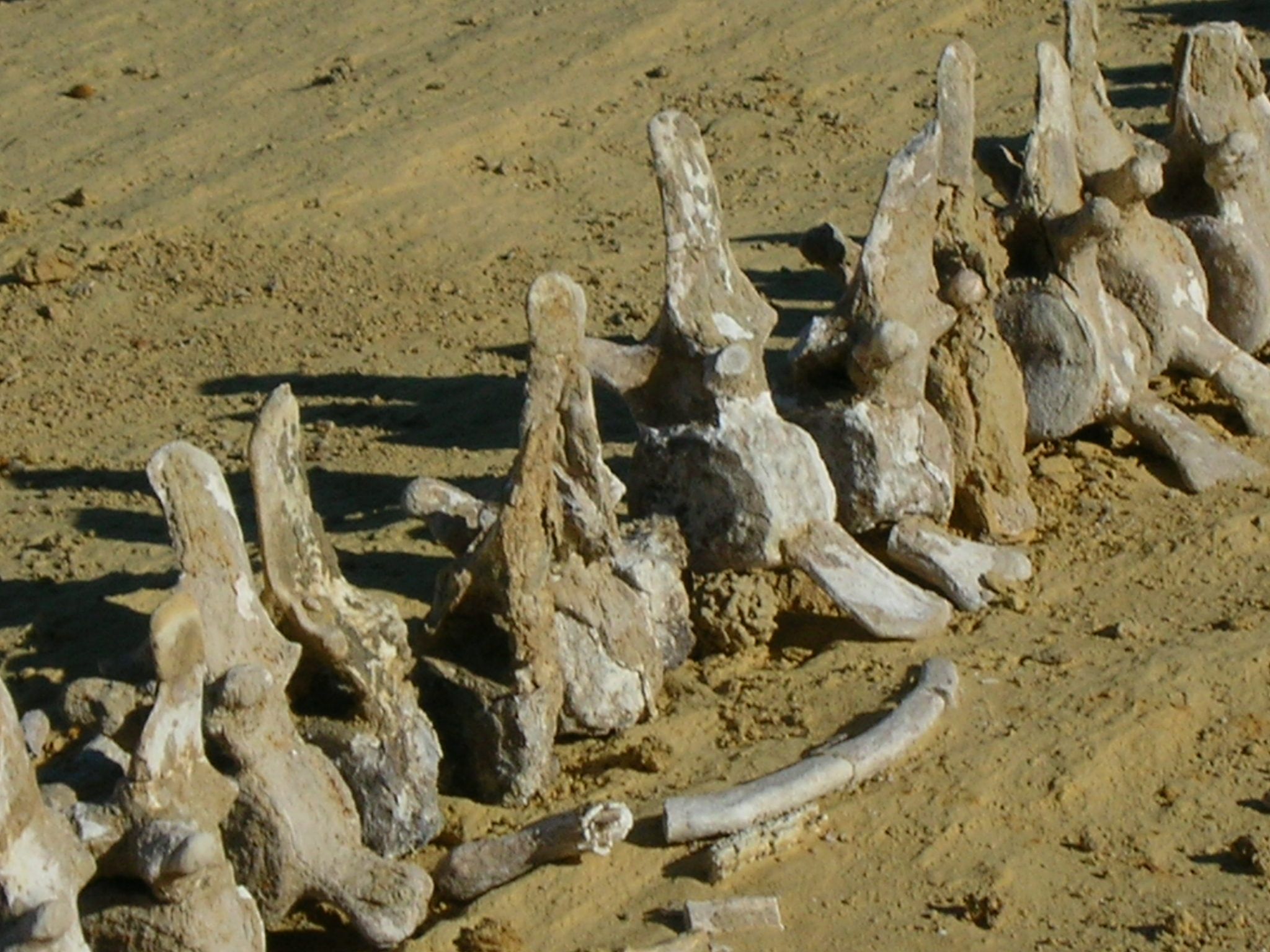
Wadi Al-Hitan Whales with legs
Faiyum Governorate, Western Desert, Egypt
Hundreds of skeletons of archaic whales, some still with hind legs, lying in the Egyptian desert where a shallow sea left them — one of very few open-air fossil sites where you see the specimens where they were found. About 3 hours from Cairo via Faiyum, the last stretch on a 4x4 track; a marked trail links the fossil localities and the museum. Go October to April and stay on the trail.
-
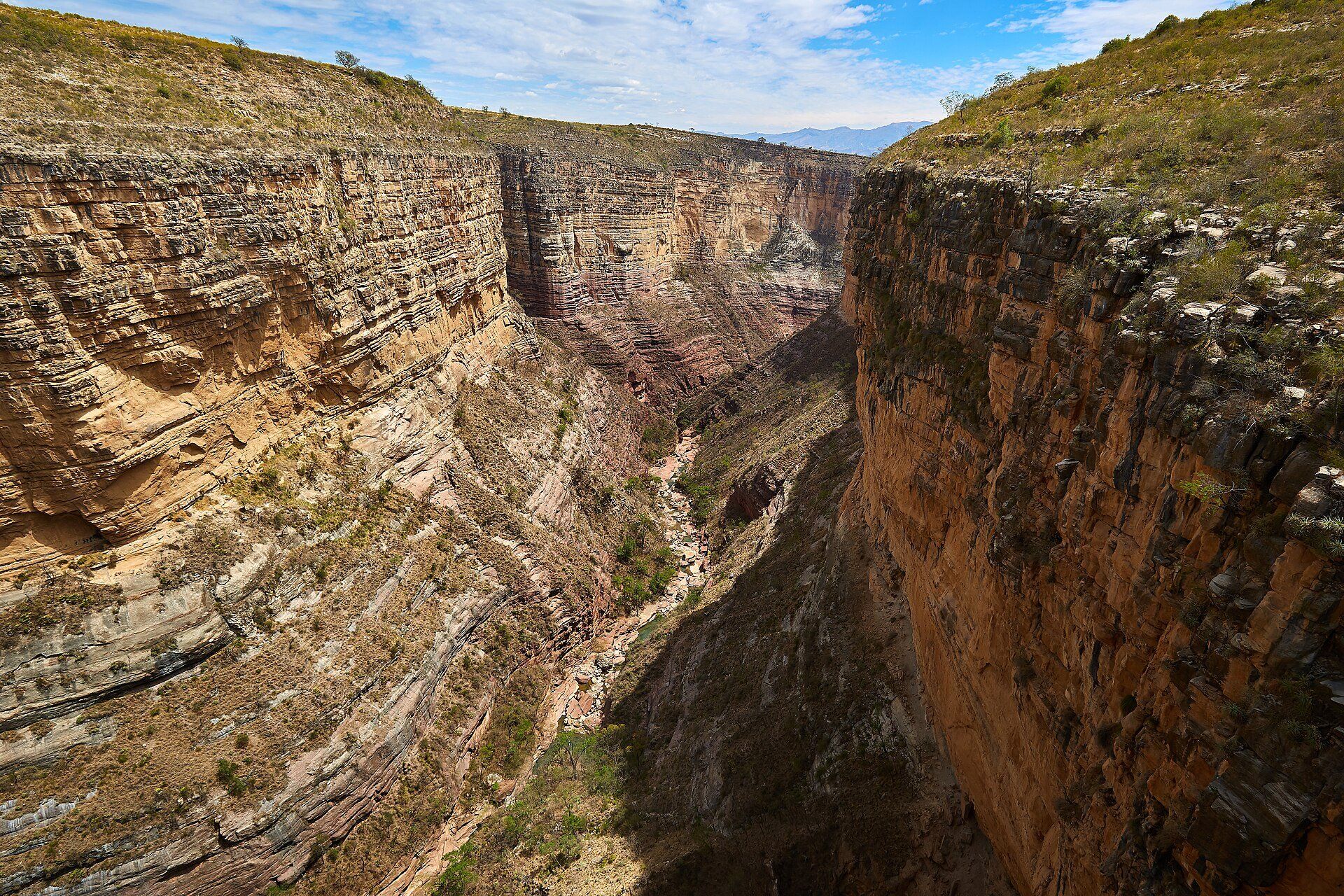
Torotoro National Park The largest dinosaur tracksite
Northern Potosí Department, Bolivia, about 140 km south of Cochabamba
At Carreras Pampa, scientists have documented 16,600 theropod footprints in Late Cretaceous rock — described as the largest tracksite in the world — inside a small Bolivian park that also has a 300-metre canyon and one of the country's largest caves. About 140 km south of Cochabamba; guides are hired at the park office and are required for most sites. April to October is dry.
-
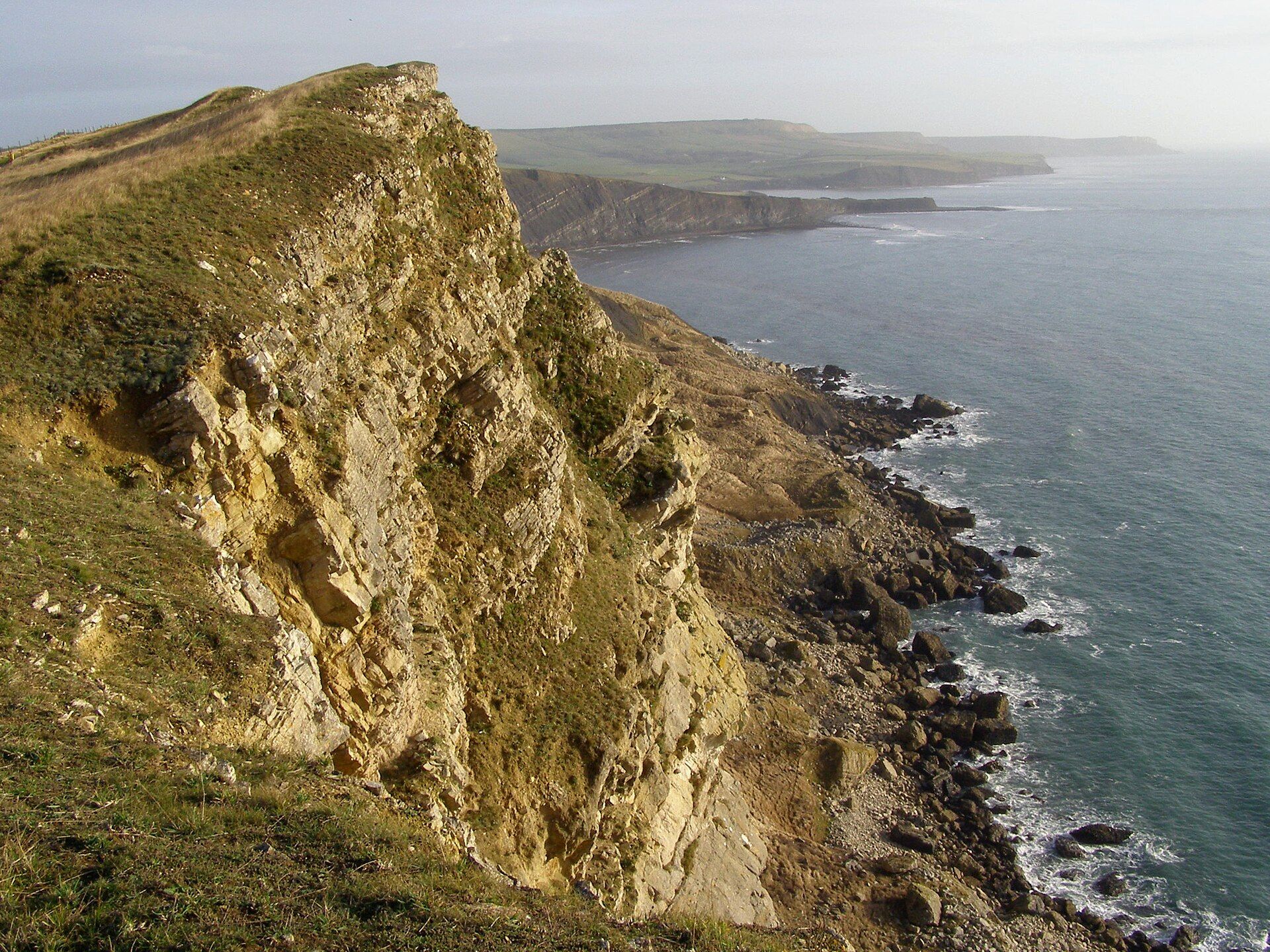
The Jurassic Coast Where you can still collect
Dorset and East Devon, South West England, United Kingdom
A 95-mile English coast exposing 185 million years of Earth history, where the cliffs around Lyme Regis and Charmouth shed ammonites and marine-reptile bones onto the beach with every storm. Collect only loose fossils the tide has freed and never hammer or climb the unstable cliffs. Rail reaches Weymouth, Dorchester and Axminster; winter storms turn up the most fossils, May–September is safest for walking.
-
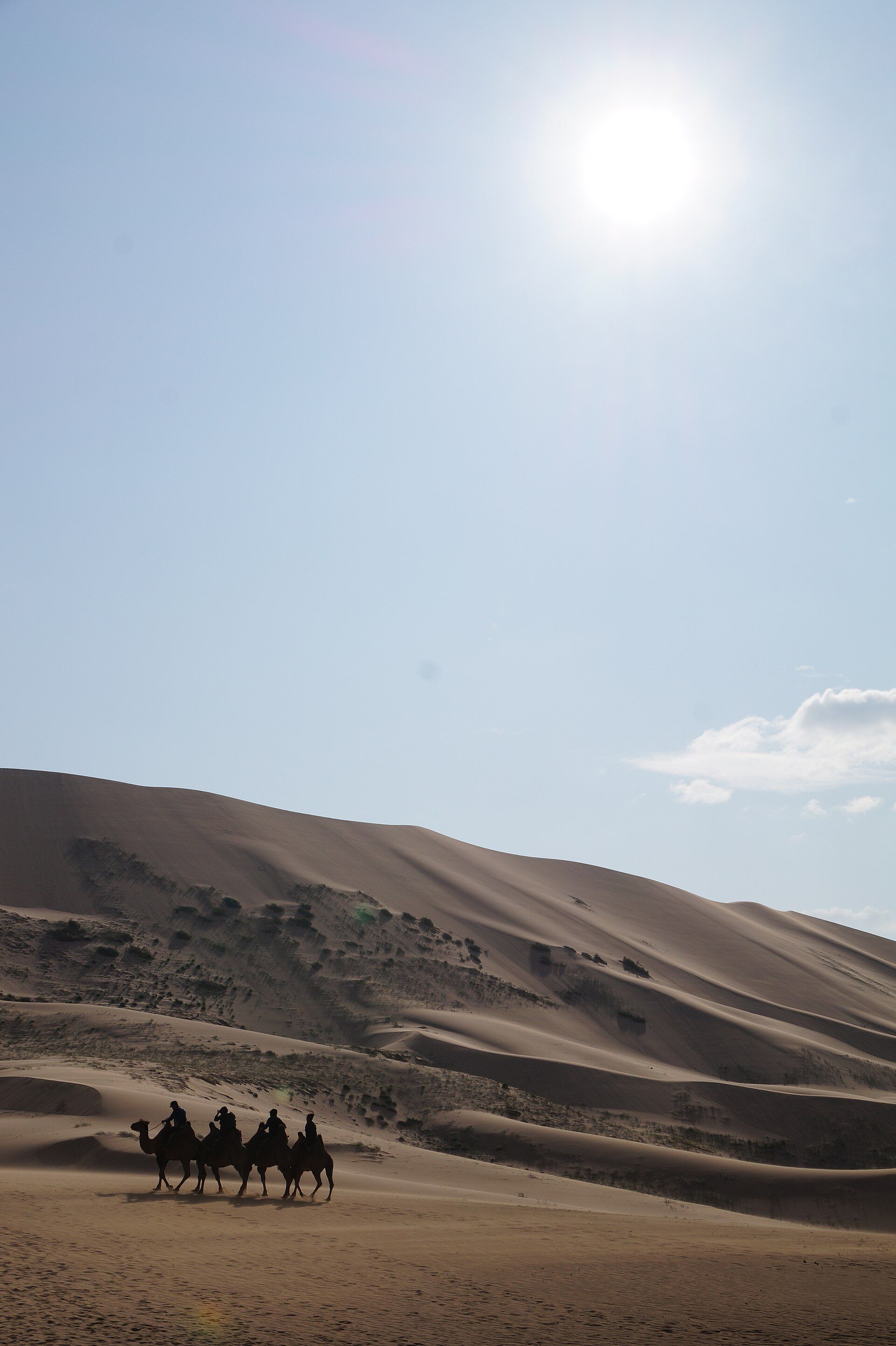
The Gobi Desert Where the first dinosaur eggs were found
Southern Mongolia (and northern China)
One of the richest dinosaur fossil beds on Earth: whole nests of eggs and skeletons erode out of the rust-red Flaming Cliffs of Bayanzag. Reached on an organised 4x4 trip from Ulaanbaatar or a flight to Dalanzadgad, sleeping in ger camps; roughly May to September avoids the extreme cold.
-
Gotland & the Raukar A 400-million-year-old reef
Baltic Sea, southeastern Sweden
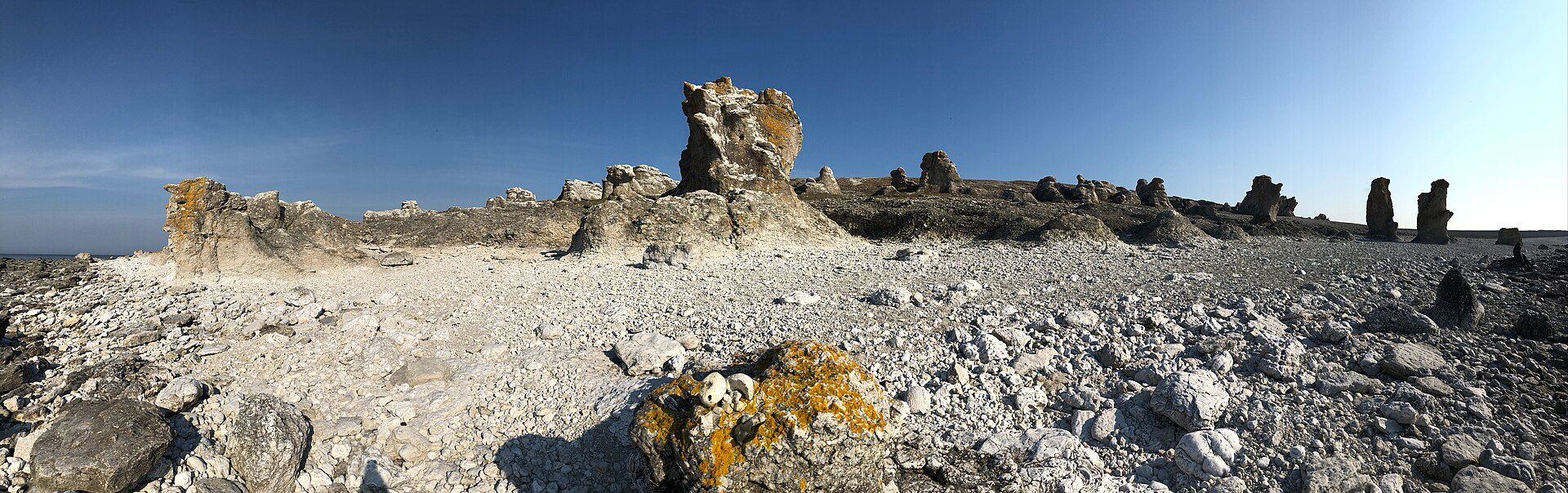
Sweden's largest island, where limestone sea stacks at Langhammars and Digerhuvud on Fårö are studded with the fossils of the tropical reef this rock was over 400 million years ago. Ferries from Nynäshamn or Oskarshamn or a short flight to Visby, then the free car ferry to Fårö; May to September.
-
Callao Cave Home of Homo luzonensis
Peñablanca, Cagayan, Northern Luzon
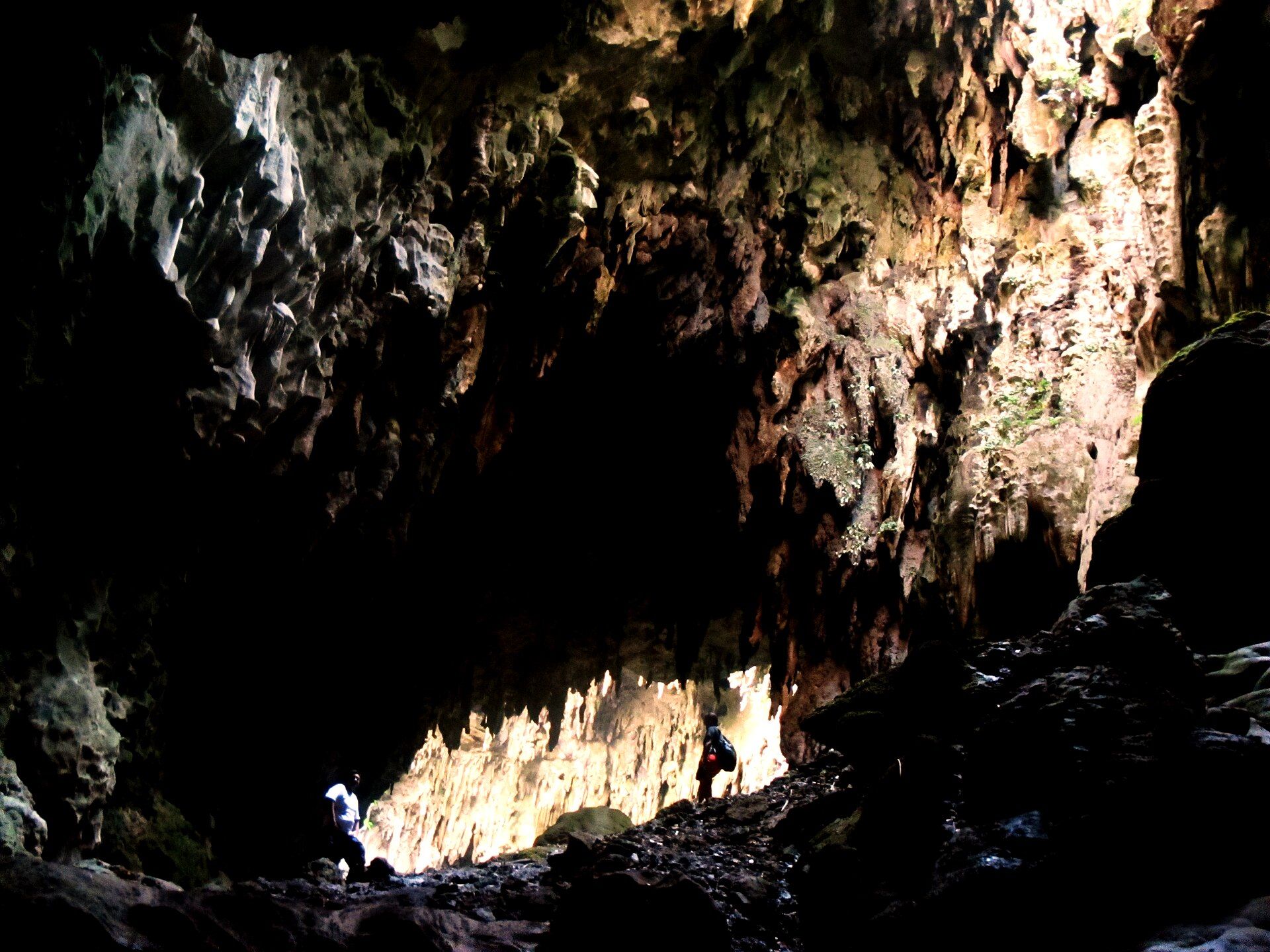
A limestone cave of seven great chambers in the Philippines where fossils found in 2019 were identified as a previously unknown human species, Homo luzonensis, which lived in Luzon at least 50,000–67,000 years ago. About 30–45 minutes from Tuguegarao City, then a stairway to the cave mouth; the dry season, roughly November to April, is safest.
-
Tatacoa Desert A fossil forest turned badlands
Huila, Colombia
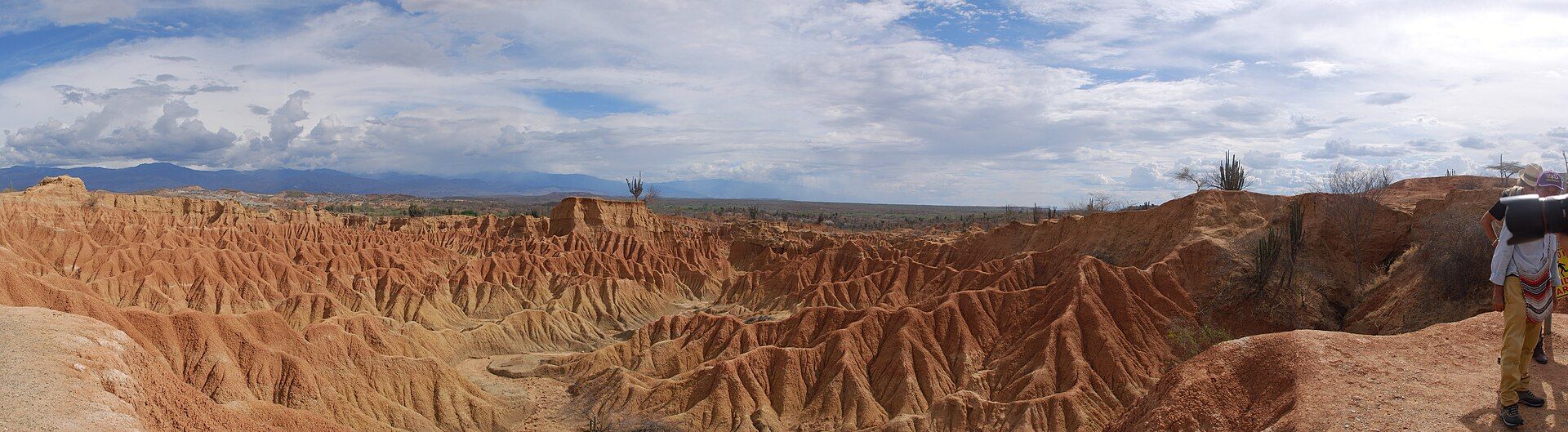
Red and grey badlands in Colombia's Huila department that were once a humid forest and hold a rich fossil record, some of it on show in the small museum at Villavieja — and among the country's best stargazing. Guides and mototaxis run from Villavieja to the Cuzco and Los Hoyos sectors; June to September and around December to February are driest.
-
The Edge of the World A sea floor in the desert
Jebel Fihrayn, near Riyadh, Saudi Arabia
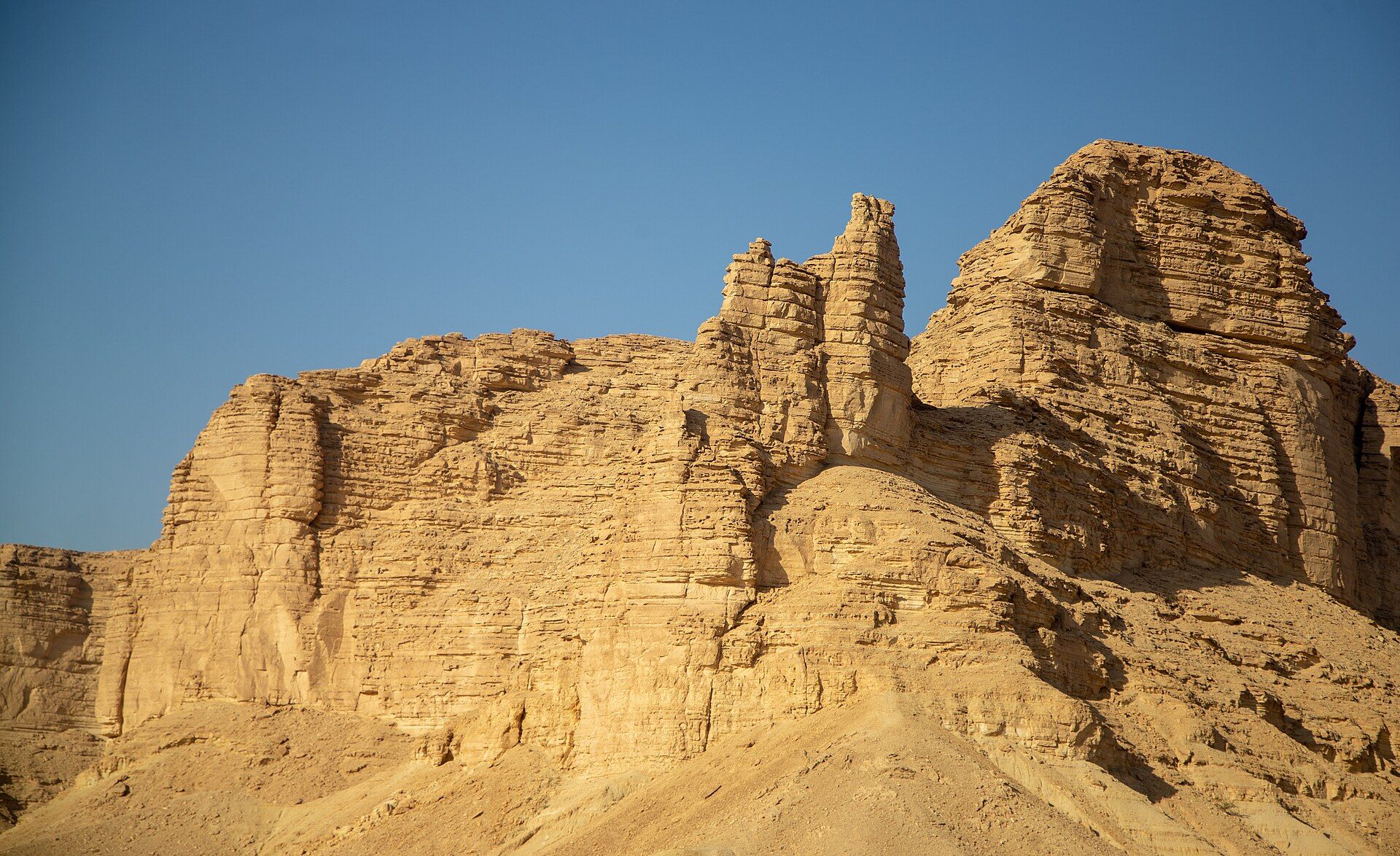
A cliff of the Tuwaiq escarpment near Riyadh where an ancient seabed drops hundreds of metres to the plain, and fossils of sea creatures still lie in the rock. About 90 km from Riyadh, the last stretch on a rough track that generally needs a 4x4; go October to March, and with a guide, as the approach is unmarked.
At every site here except the Jurassic Coast's beaches, fossils stay where they lie — at Wadi al-Hitan removing or handling material is prohibited. Desert sites (Wadi al-Hitan, the Gobi, the Edge of the World) are winter or shoulder-season trips; the summer heat there is dangerous.
Added