Callao Cave
📍 Peñablanca, Cagayan, Northern Luzon
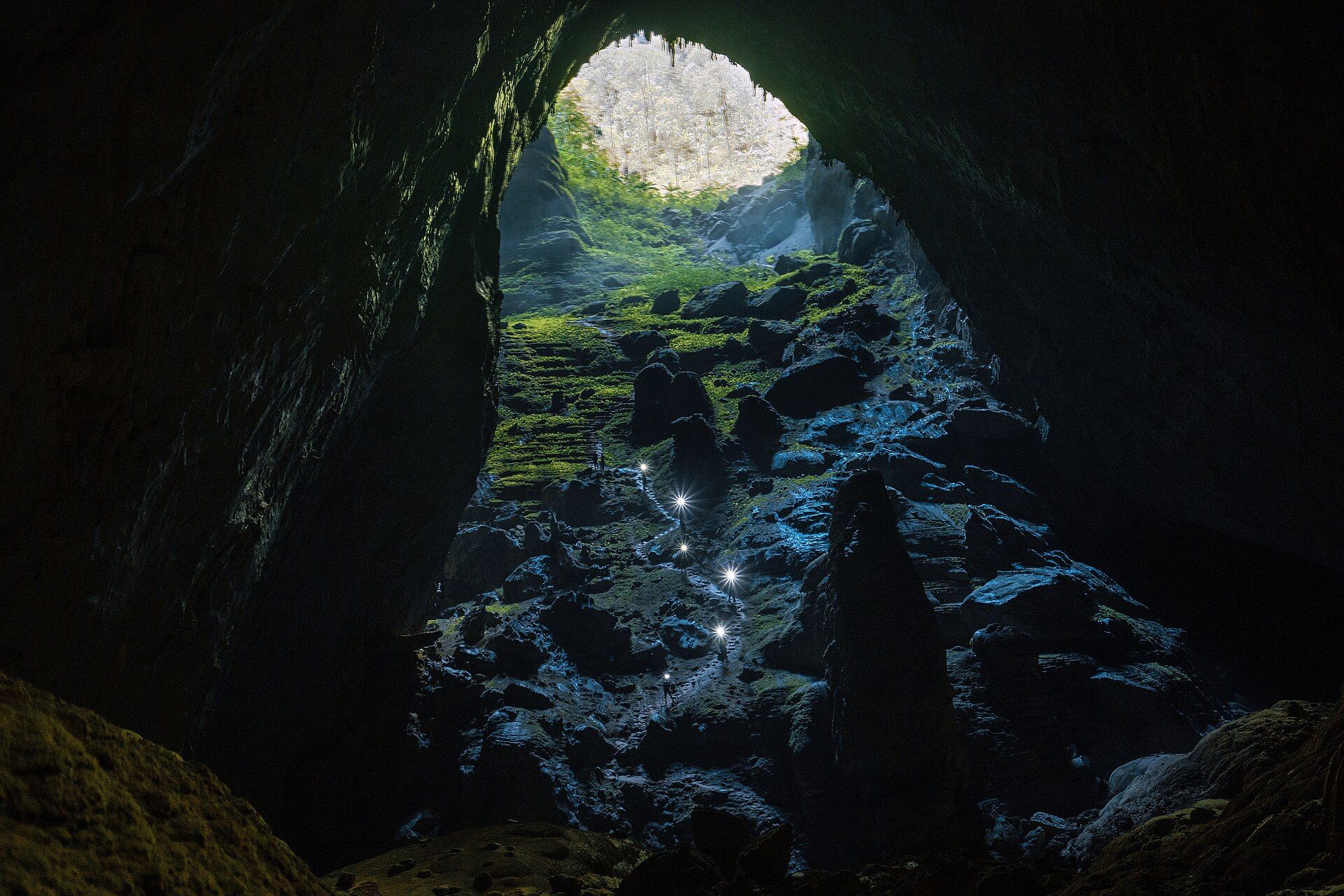
A vast limestone cave of seven great chambers lit by natural skylights — and the site where the ancient human species Homo luzonensis was discovered, deep in the karst of the Cagayan Valley.
What makes it marvelous
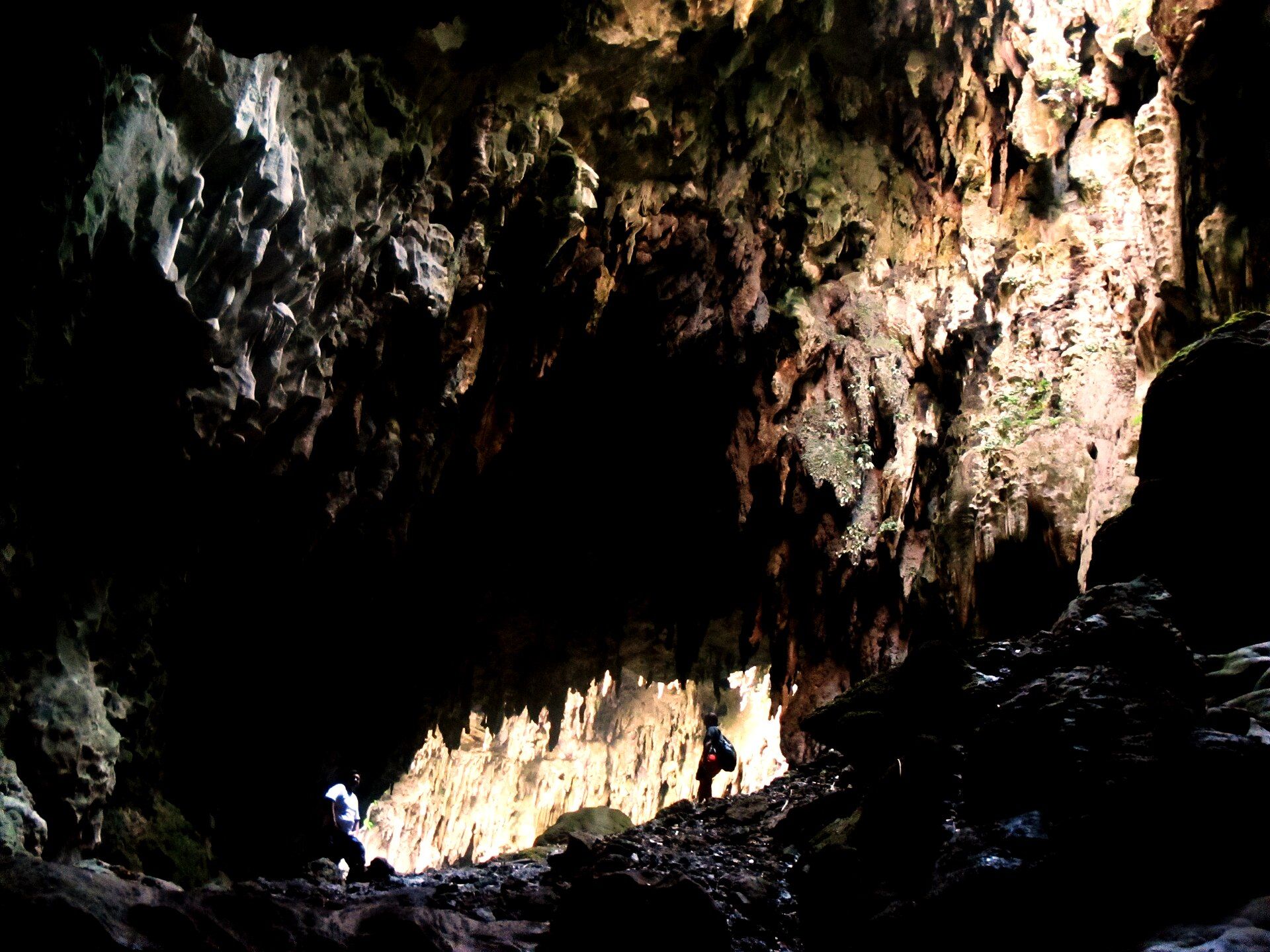
Callao's chambers are carved from limestone karst, several of them so large that sunlight pours through natural openings in the roof, illuminating cathedral-like spaces (one chamber has been used as a chapel). Beyond its scale, the cave is globally important to science: fossils found here in 2019 were identified as a previously unknown human species, Homo luzonensis, which lived in Luzon at least 50,000–67,000 years ago — reshaping the story of early humans in Southeast Asia.
Why visit
You climb into a series of soaring stone halls, shafts of light falling through the roof onto formations and the improvised chapel. It's atmospheric and quietly profound, and it sits amid the wider Peñablanca protected landscape of caves, river, and forest — including a nightly bat exodus on the nearby Pinacanauan River.
What to know before you go
🗓️ Best time
The dry season (roughly November–April) for safe footing and river access; avoid the rainy months when the river can rise.
🧭 Getting there & access
About 30–45 minutes from Tuguegarao City in Cagayan, then a stairway up to the cave mouth. Guides and modest fees; boats on the Pinacanauan River add a bat-watching option.
Good to know
- Time an evening on the Pinacanauan River for the spectacular bat exodus.
- Wear grippy shoes for the stone steps and cave floor.
- Go with a local guide and respect the chapel chamber.
Plan your visit
Easy🧭 Getting there
From Tuguegarao (TUG), Cagayan
- Fly Manila → Tuguegarao — roughly 1h
- Van or jeepney Tuguegarao → Peñablanca — about 30–45 minutes
- Climb the staircase to the cave mouth — 184 steps
- Total travel
- Around two hours from Manila
- Time at site
- Half a day, or a full one if you stay for the bat exodus
- Access
- Entry fee and a local guide arranged at the site, administered through Peñablanca. Only the first chambers are open to general visitors; the deeper system needs caving arrangements. Access can be suspended in heavy rain, when the Pinacanauan river rises, and sections have been closed for conservation since the discovery of Homo luzonensis remains here. Confirm current access with the Peñablanca tourism office rather than assuming.
🎒 What to bring & consider
- Shoes with grip for wet, polished limestone — the chambers stay slick regardless of the weather outside
- A torch of your own, since the lighting covers the chapel chamber and thins out quickly beyond it
- Water for the staircase, which is short but brutally steep in Cagayan heat
- Insect repellent if you wait by the river for the evening bat flight
- A willingness to duck and scramble between chambers, which is more physical than the first chamber suggests
👁️ What to expect
- Crowds
- Modest, mostly domestic day visitors. Busy on weekends and holidays.
- Conditions
- Warm, humid and dark, with uneven footing and low passages between chambers.
- Facilities
- Parking, guides and small stalls at the base. Nothing inside.
- The view
- The shaft of light dropping through the cathedral chamber onto the chapel below, which needs the middle of the day to be there at all. At dusk, the bat exodus over the Pinacanauan river is the better spectacle and the harder photograph.
Times and requirements are approximate and change with season, weather, and local rules — confirm permits, fares, and schedules with operators before you travel.
Natural riches of the area
- Extensive limestone karst caves and formations
- The Pinacanauan River and its forested gorge
- Large bat colonies and cave ecosystems
- One of the most significant paleoanthropology sites in Asia
Local food
- Pancit batil patung
- Tuguegarao's signature noodle dish topped with egg, meat, and a poached-egg broth.
- Carabao milk & pastillas
- Cagayan Valley is dairy country; try fresh carabao's-milk sweets.
- Longganisa & river fish
- Local sausage and freshwater fish from the Pinacanauan and Cagayan rivers.
Callao Cave is one of the great show caves of the Philippines — seven cavernous chambers cut into Cagayan Valley limestone, several pierced by natural skylights that send shafts of daylight down onto the formations. One luminous chamber has long served as a chapel. Even without its scientific fame, it would be worth the climb up the stone stairway to the mouth.
But Callao carries an extraordinary claim: in 2019, fossils unearthed here were identified as an entirely new human species, Homo luzonensis, who lived on Luzon tens of thousands of years ago. That discovery rewrote part of the human story in Southeast Asia. Add the nightly bat exodus over the nearby Pinacanauan River, and Callao becomes a place where deep time, wildlife, and living faith all share the same limestone.
Callao Cave: common questions
How do you get to Callao Cave?
From Tuguegarao (TUG), Cagayan: Fly Manila → Tuguegarao — roughly 1h; Van or jeepney Tuguegarao → Peñablanca — about 30–45 minutes; Climb the staircase to the cave mouth — 184 steps. Total travel time: Around two hours from Manila.
When is the best time to visit Callao Cave?
The dry season (roughly November–April) for safe footing and river access; avoid the rainy months when the river can rise.
How long should you spend at Callao Cave?
Half a day, or a full one if you stay for the bat exodus. Total travel time: Around two hours from Manila.
What should you bring to Callao Cave?
Shoes with grip for wet, polished limestone — the chambers stay slick regardless of the weather outside A torch of your own, since the lighting covers the chapel chamber and thins out quickly beyond it Water for the staircase, which is short but brutally steep in Cagayan heat Insect repellent if you wait by the river for the evening bat flight A willingness to duck and scramble between chambers, which is more physical than the first chamber suggests
Do you need a permit or guide for Callao Cave?
Entry fee and a local guide arranged at the site, administered through Peñablanca. Only the first chambers are open to general visitors; the deeper system needs caving arrangements. Access can be suspended in heavy rain, when the Pinacanauan river rises, and sections have been closed for conservation since the discovery of Homo luzonensis remains here. Confirm current access with the Peñablanca tourism office rather than assuming.
Is Callao Cave crowded, and what are conditions like?
Modest, mostly domestic day visitors. Busy on weekends and holidays. Warm, humid and dark, with uneven footing and low passages between chambers. Facilities: Parking, guides and small stalls at the base. Nothing inside.
Added Updated
More wonders to explore