Kawasan Falls
📍 Badian, Cebu, Central Visayas, Philippines
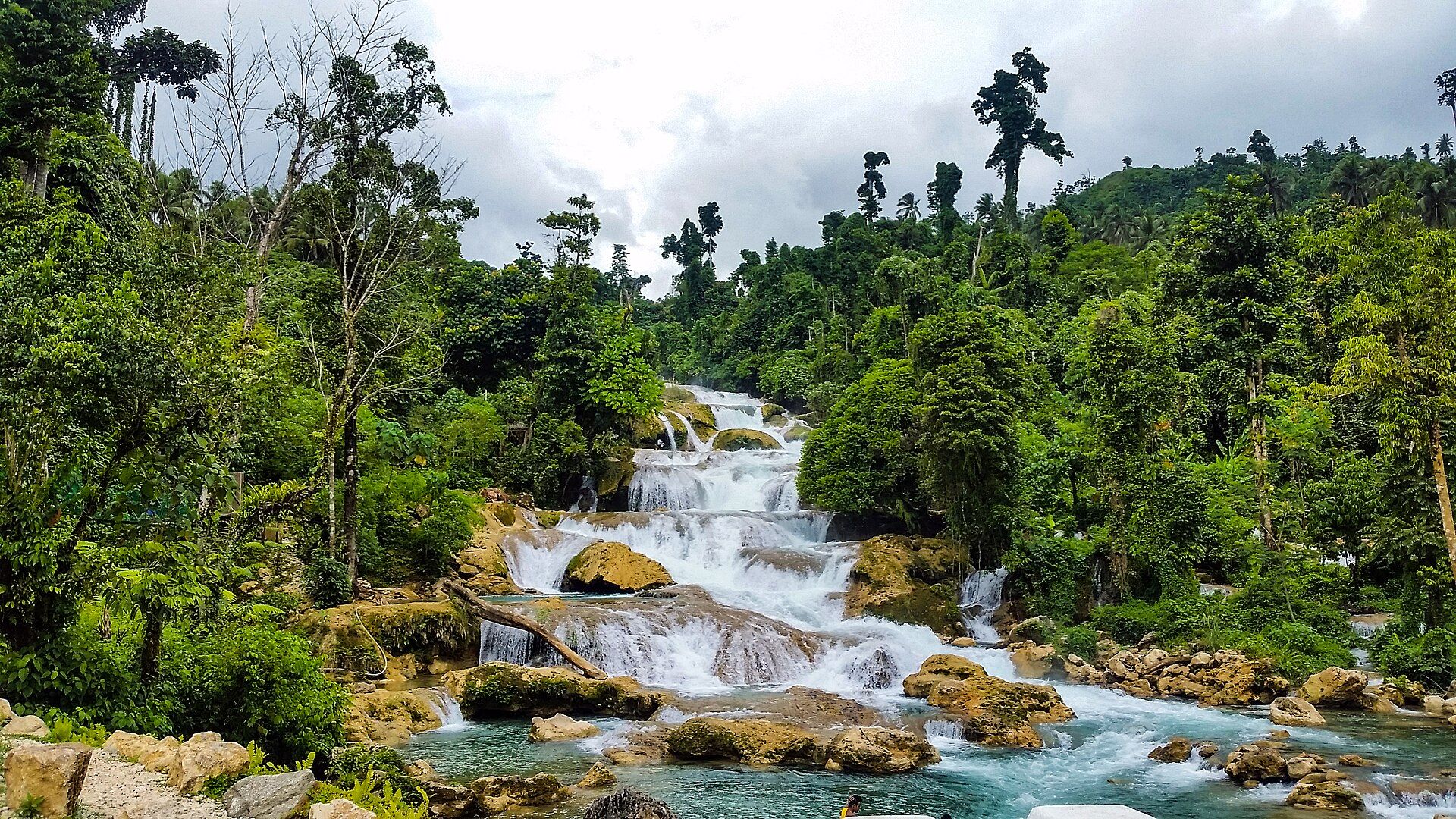
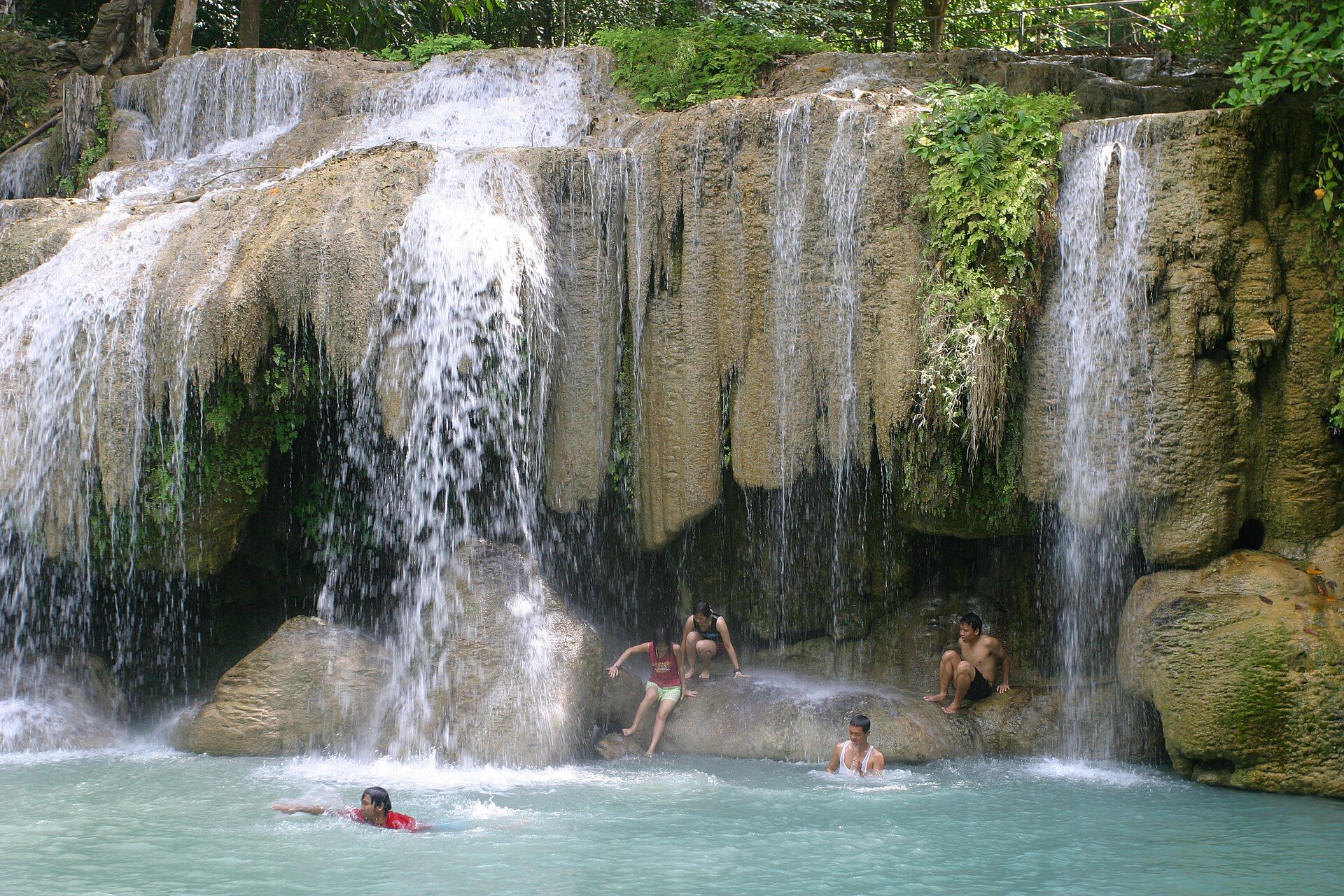
A tiered waterfall in southern Cebu whose pools glow an almost unreal turquoise — the colour a gift of the limestone the spring-fed river runs through on its way to the sea.
What makes it marvelous
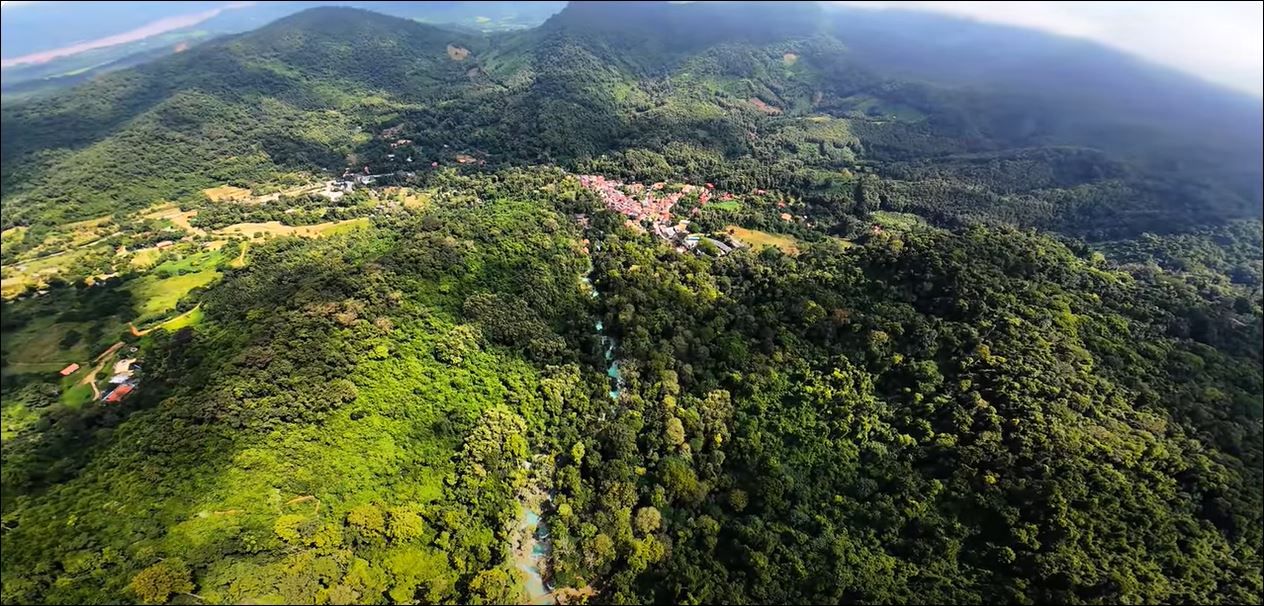
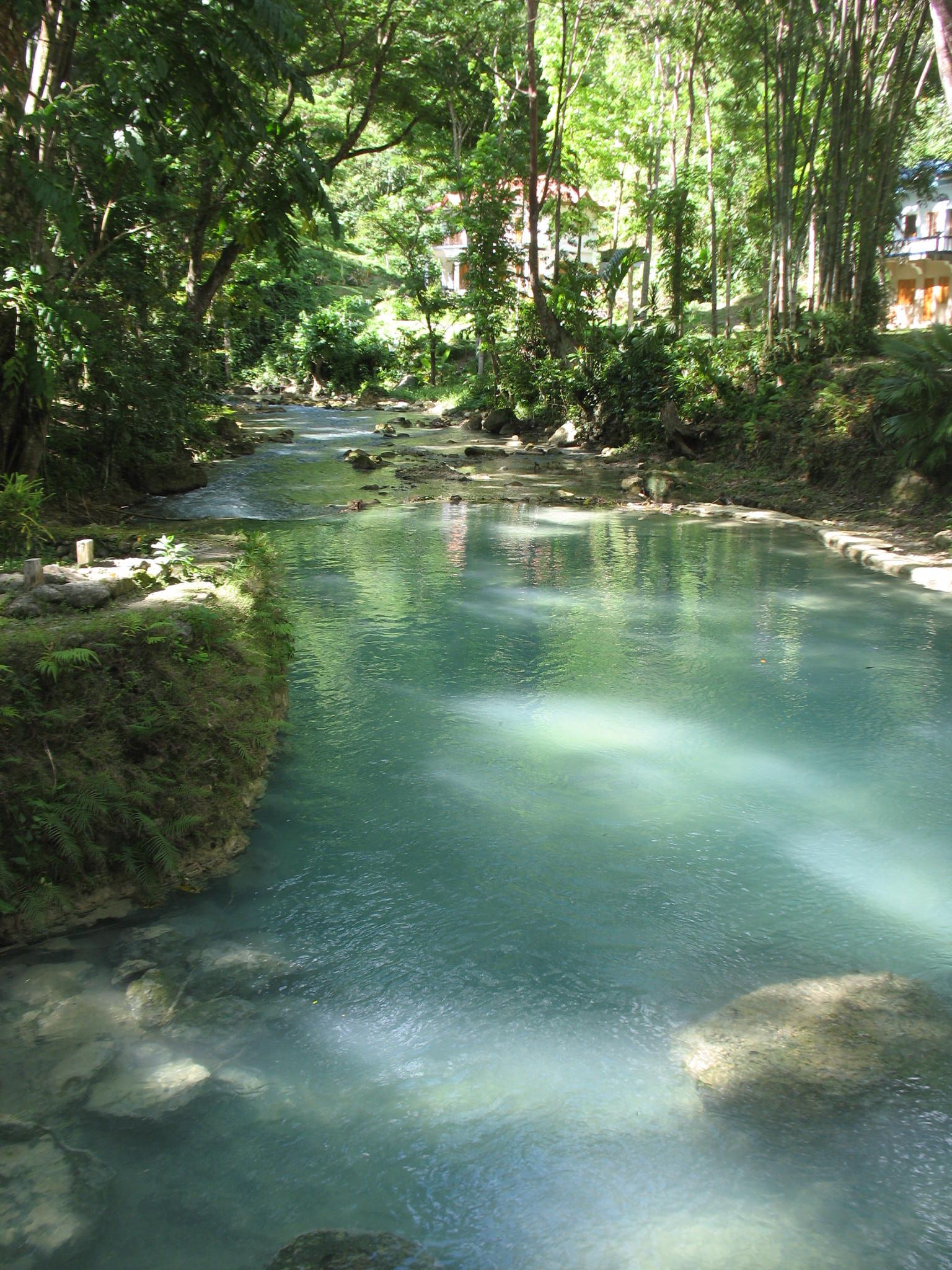
Kawasan is fed by a cool, spring-fed river draining the limestone hills of southern Cebu. As the water passes through the karst it picks up dissolved calcium carbonate; fine suspended mineral particles scatter light, giving the pools their vivid turquoise-blue. The falls drop in stages into a series of catch-basins ringed by jungle.
Why visit
It is the classic tropical waterfall — cold, clear, blue water beneath falling curtains of white, deep enough to swim and jump into. Upstream, the same river is the setting for one of the country's best canyoneering routes, leaping and sliding between limestone walls.
What to know before you go
🗓️ Best time
The drier months (roughly February–May) mean safer, clearer water and lower flood risk. Avoid the falls during and just after heavy rain, when flash floods are a real danger.
🧭 Getting there & access
About 3–4 hours by bus or car from Cebu City to Badian, then a 20–30 minute walk upriver to the first tier. Entrance and, for canyoneering, guide fees apply.
Good to know
- Never enter the river or canyon in heavy rain — flash floods here have been fatal.
- For canyoneering, use a licensed guide with helmets and life vests.
- Go early; the pools get busy and the light on the water is best in the morning.
Plan your visit
Moderate🧭 Getting there
From Cebu City, via Badian
- Bus Cebu South Bus Terminal → Badian — roughly 3h–4h
- Habal-habal or tricycle to the Matutinao trailhead — about 10 minutes
- Walk the river trail → first falls — roughly 20–30 minutes
- Or start the canyoneering route from Alegria and finish at the falls — about 4h in the river
- Total travel
- Around four hours from Cebu City
- Time at site
- A morning, or a full day with canyoneering
- Access
- Entrance fee at the trailhead. Canyoneering through the Kanlaob river gorge is regulated by the local governments after serious accidents, and an accredited guide, helmet and life vest are required — this is not something to arrange with whoever offers you a ride. The gorge floods fast in rain and operators suspend trips; that suspension is not negotiable and is there because people have died. Confirm the day's river status locally rather than with a booking site.
🎒 What to bring & consider
- An accredited guide for the canyoneering route, with helmet and vest, booked through the LGU-registered operators rather than a roadside tout
- The willingness to walk down rather than jump — every leap on the route has a walk-around, and the jumps are where the injuries happen
- Footwear that stays on your feet in moving water; flip-flops are how people lose them and cut their feet
- A waterproof case if you want photographs, since you are in the river for hours
- An early start, because the falls are genuinely mobbed from mid-morning
👁️ What to expect
- Crowds
- Very heavy. This is one of the busiest single attractions in Cebu, with rafts, vendors and hundreds of people at the first falls by late morning.
- Conditions
- Cool, fast, startlingly blue water in a limestone gorge. Slippery rock throughout, and dangerous flow after rain.
- Facilities
- Extensive and commercial — cottages, rafts, food stalls, guides, lockers.
- The view
- The turquoise pool below the first falls, which only looks empty in photographs taken before about seven in the morning. The upper falls are quieter and almost as good.
Times and requirements are approximate and change with season, weather, and local rules — confirm permits, fares, and schedules with operators before you travel.
Natural riches of the area
- Spring-fed river draining Cebu's limestone karst
- Lowland forest along the river corridor
- Freshwater habitat and downstream reefs where the river meets the sea
- Limestone that gives the water both its minerals and its colour
Local food
- Cebu lechon
- Widely called the best roast pig in the Philippines — crisp-skinned and seasoned from within.
- Sutukil
- A Visayan way with fresh seafood: sugba (grill), tula (soup), and kilaw (ceviche), all in one meal.
- Dried mangoes
- Cebu's famous sweet-tart dried mangoes, a snack you'll see everywhere.
Kawasan’s signature is its colour. The falls are fed by a cool spring-fed river that runs through the limestone hills of southern Cebu, dissolving calcium carbonate along the way. Fine mineral particles suspended in the water scatter sunlight, and the pools turn a luminous turquoise that looks almost artificial but is entirely natural.
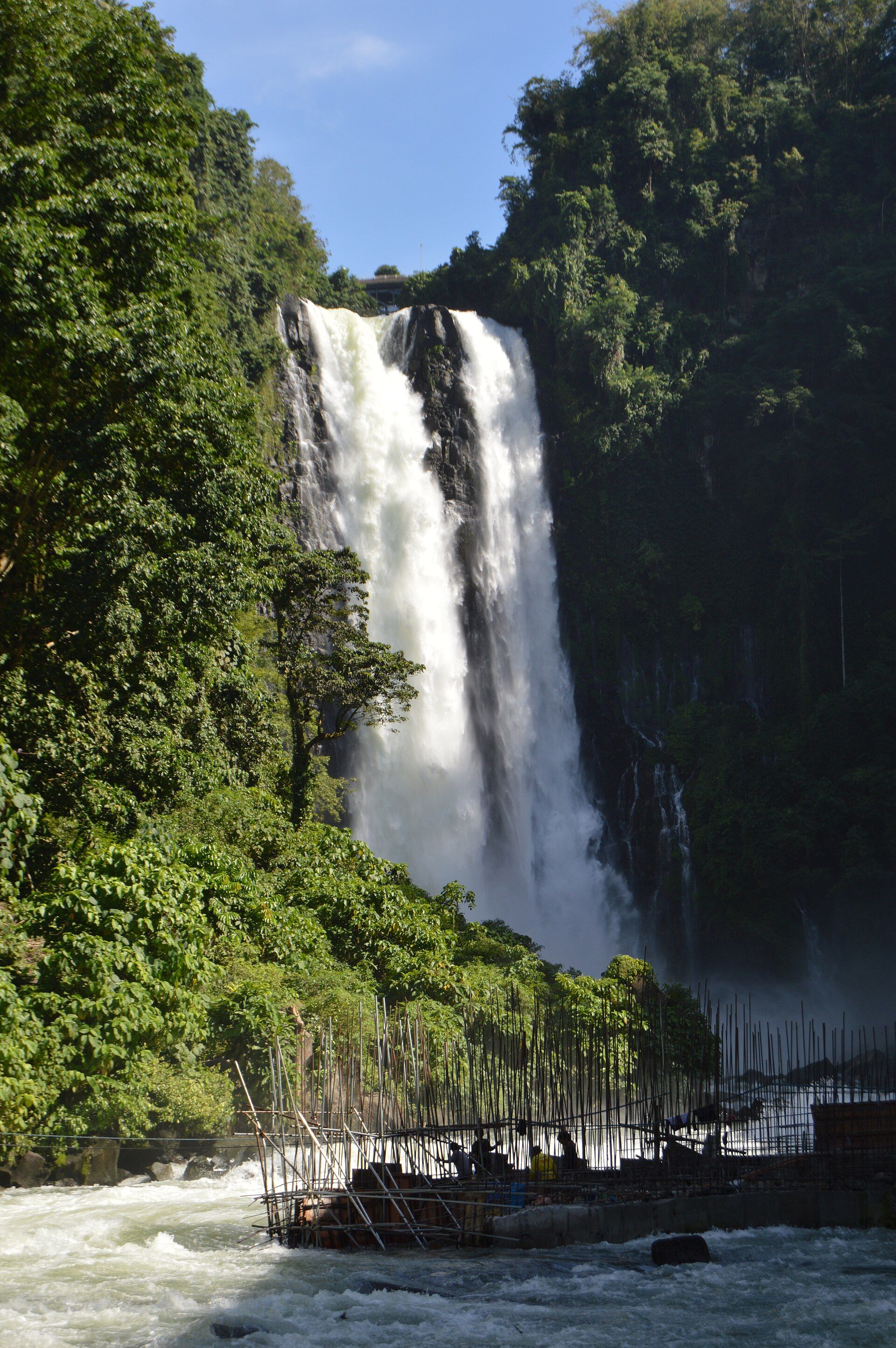
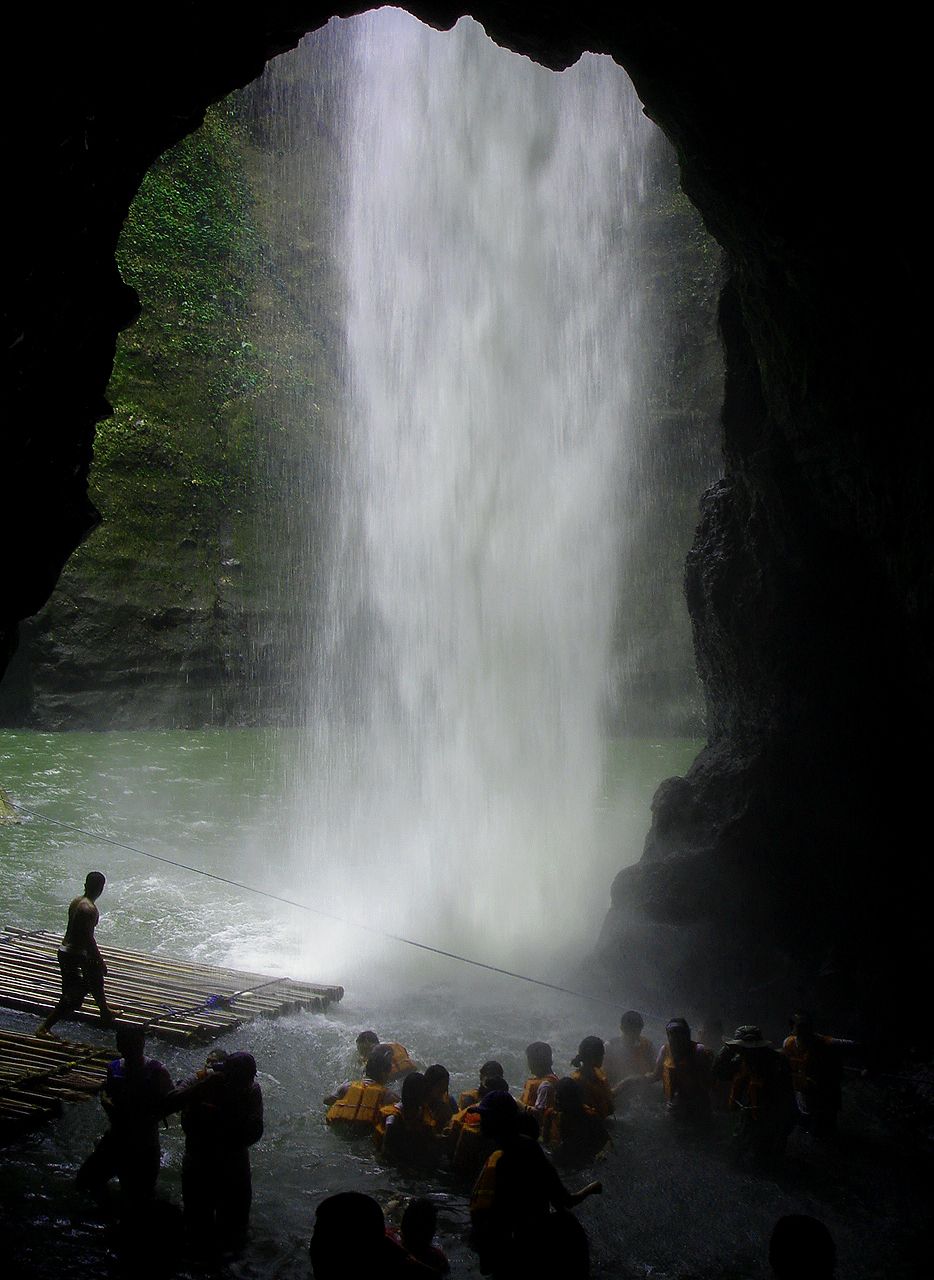
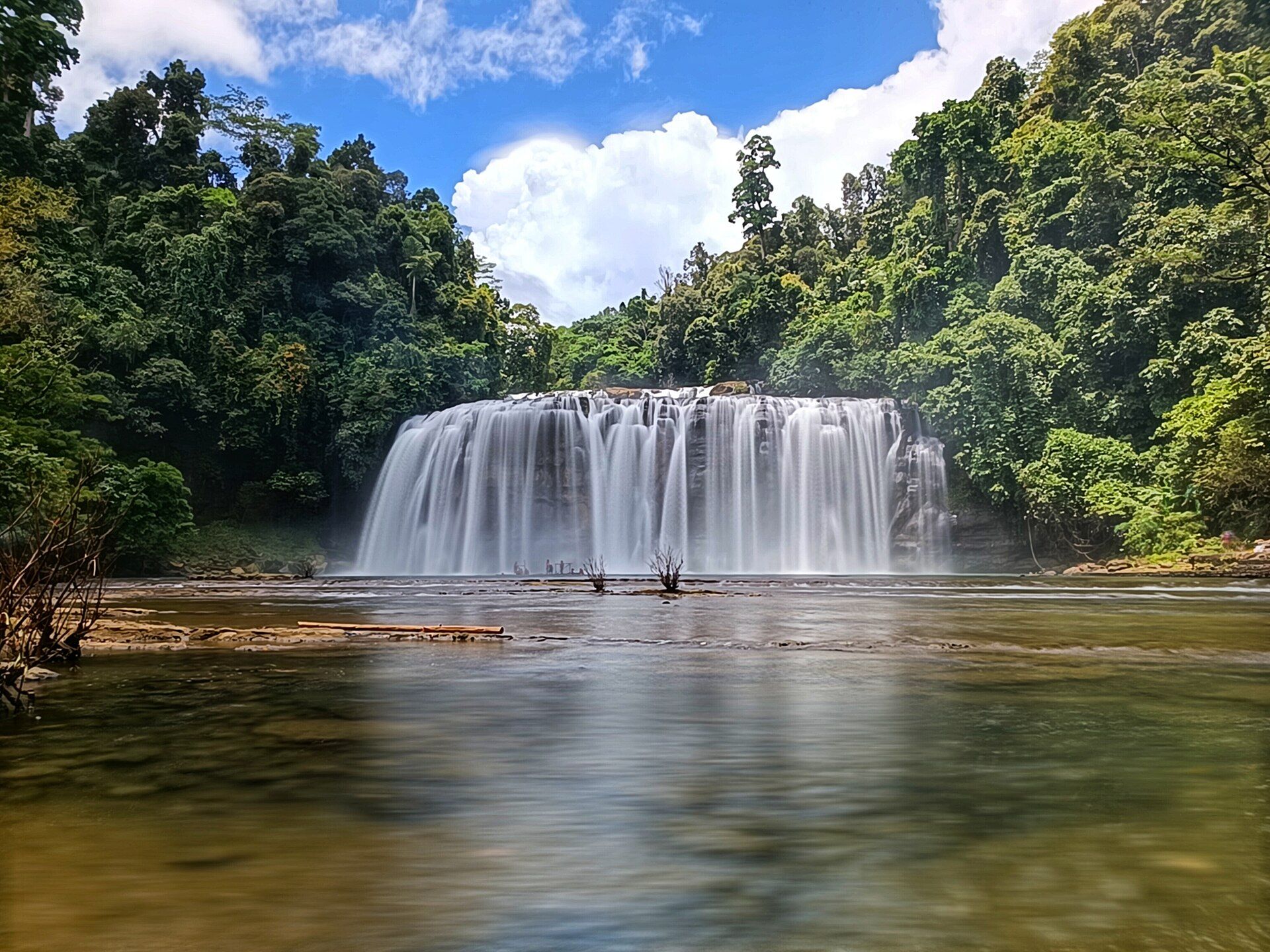
The falls tumble in tiers into deep catch-basins hemmed by jungle — cold, clear, and swimmable. Upstream, the same limestone canyon hosts one of the country’s most popular canyoneering routes, a few hours of jumping, sliding, and swimming down the gorge.
That fun comes with a serious caveat: the narrow canyon can flood fast and hard after rain, and flash floods here have killed. Going in the dry season, with a licensed guide and an eye on the weather, is not optional — it is the whole difference between an adventure and a tragedy.
Kawasan Falls: common questions
How do you get to Kawasan Falls?
From Cebu City, via Badian: Bus Cebu South Bus Terminal → Badian — roughly 3h–4h; Habal-habal or tricycle to the Matutinao trailhead — about 10 minutes; Walk the river trail → first falls — roughly 20–30 minutes; Or start the canyoneering route from Alegria and finish at the falls — about 4h in the river. Total travel time: Around four hours from Cebu City.
When is the best time to visit Kawasan Falls?
The drier months (roughly February–May) mean safer, clearer water and lower flood risk. Avoid the falls during and just after heavy rain, when flash floods are a real danger.
How long should you spend at Kawasan Falls?
A morning, or a full day with canyoneering. Total travel time: Around four hours from Cebu City.
What should you bring to Kawasan Falls?
An accredited guide for the canyoneering route, with helmet and vest, booked through the LGU-registered operators rather than a roadside tout The willingness to walk down rather than jump — every leap on the route has a walk-around, and the jumps are where the injuries happen Footwear that stays on your feet in moving water; flip-flops are how people lose them and cut their feet A waterproof case if you want photographs, since you are in the river for hours An early start, because the falls are genuinely mobbed from mid-morning
Do you need a permit or guide for Kawasan Falls?
Entrance fee at the trailhead. Canyoneering through the Kanlaob river gorge is regulated by the local governments after serious accidents, and an accredited guide, helmet and life vest are required — this is not something to arrange with whoever offers you a ride. The gorge floods fast in rain and operators suspend trips; that suspension is not negotiable and is there because people have died. Confirm the day's river status locally rather than with a booking site.
Is Kawasan Falls crowded, and what are conditions like?
Very heavy. This is one of the busiest single attractions in Cebu, with rafts, vendors and hundreds of people at the first falls by late morning. Cool, fast, startlingly blue water in a limestone gorge. Slippery rock throughout, and dangerous flow after rain. Facilities: Extensive and commercial — cottages, rafts, food stalls, guides, lockers.
Added Updated
More wonders to explore