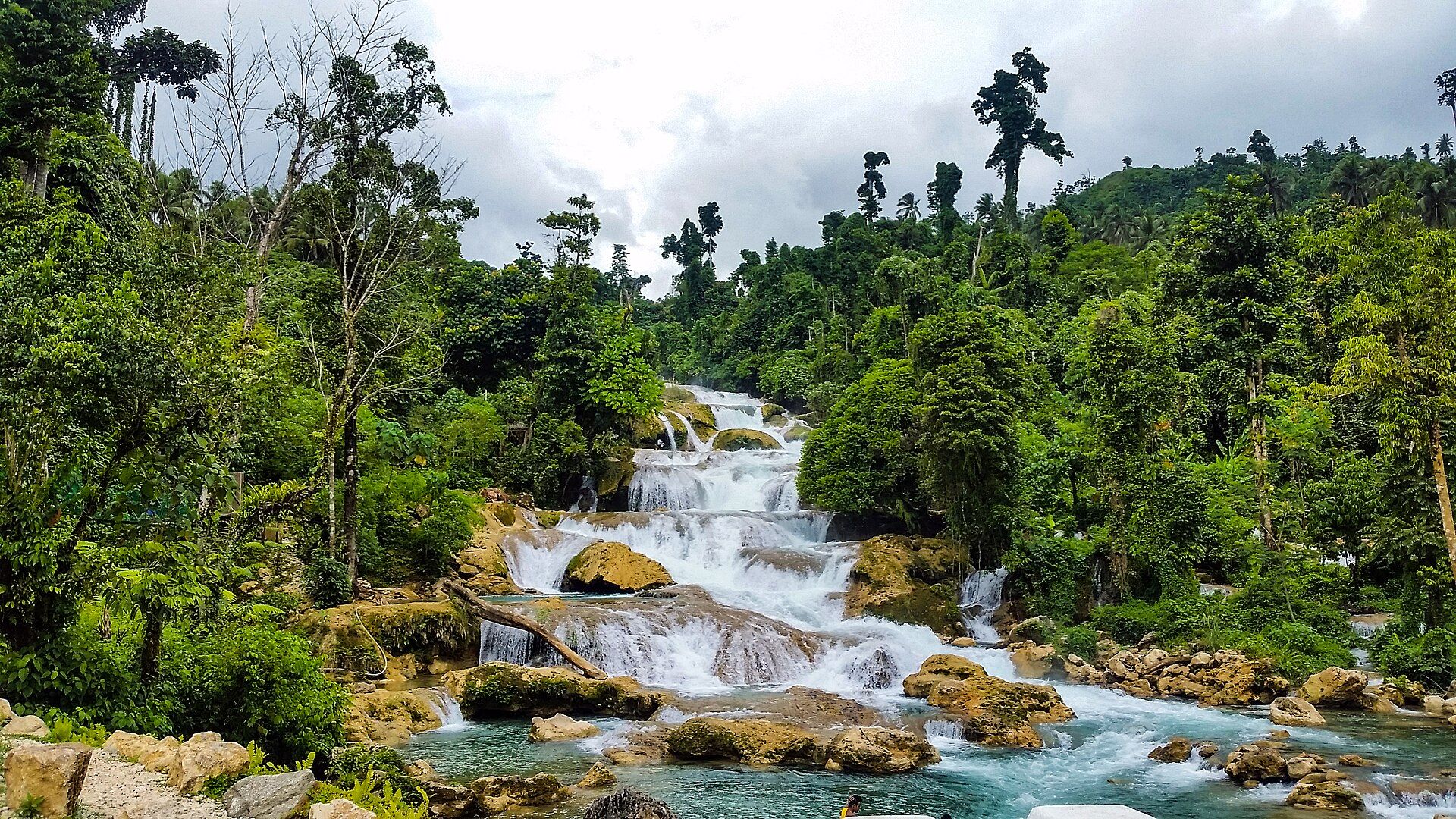
Maria Cristina Falls
📍 Iligan, Lanao del Norte, Mindanao
A powerful twin waterfall on the Agus River — nearly 100 metres of thundering white water that both dazzles visitors and drives a hydroelectric plant powering much of Mindanao.
What makes it marvelous
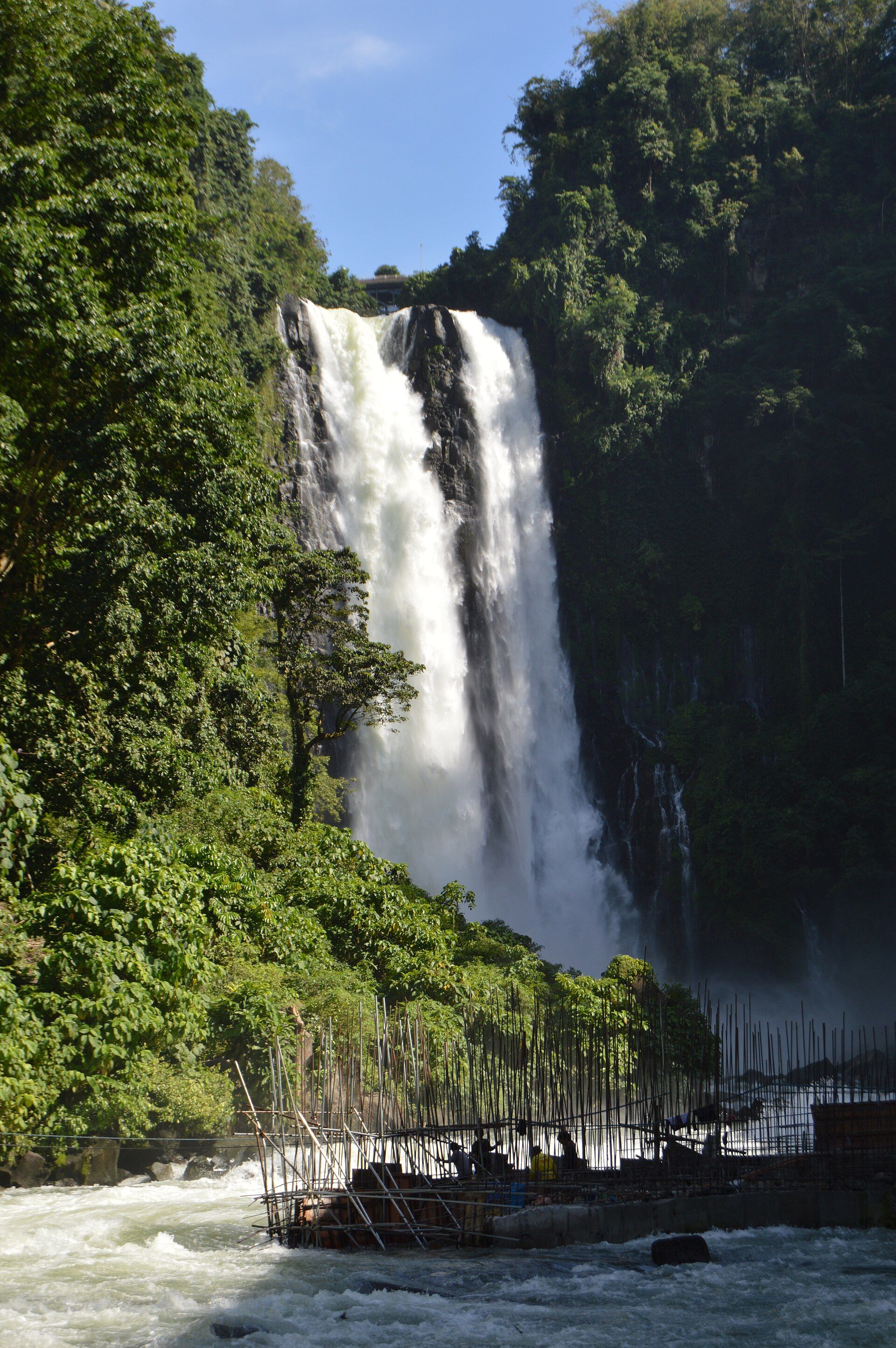
Maria Cristina drops about 97 metres in a broad twin cascade fed by the Agus River, which drains vast Lake Lanao. Its sheer volume and steady flow made it a natural powerhouse: the Agus hydroelectric complex here has long supplied a large share of Mindanao's electricity. It's a rare wonder that is spectacular and, quite literally, keeps the lights on across an island.
Why visit
The falls are the emblem of Iligan, the self-styled 'City of Majestic Waterfalls', and the roar and spray of the twin cascade are genuinely impressive. Nearby, the NPC Nature's Park lets you take in the falls and learn how the river is harnessed.
What to know before you go
🗓️ Best time
Flow is strong year-round; the drier months (roughly December–May) give clearer skies. Because the river is managed for power, viewing volume can vary with dam operations.
🧭 Getting there & access
A short drive from Iligan City in Lanao del Norte (reachable via Cagayan de Oro). Viewing is from the NPC/Agus VI area; entry and eco-park fees apply.
Good to know
- Combine it with Iligan's other falls, including nearby Tinago Falls.
- Ask locally about the best viewing time, since flow is managed for hydropower.
- Bring rain protection for the spray at the viewing decks.
Plan your visit
Easy🧭 Getting there
From Iligan City, Lanao del Norte
- Fly → Laguindingan (CGY), then van Laguindingan → Iligan — roughly 1h30–2h
- Road Iligan city centre → NPC Nature's Park at Agus VI — about 20–30 minutes
- Total travel
- Around two hours from the airport
- Time at site
- Two hours, timed around the release
- Access
- The falls sit inside the Agus VI hydroelectric complex, so entry is through the power corporation's Nature's Park with an entrance fee and identification checked at the gate. That location is also the single most important thing to know about visiting: the river is diverted for generation, and the falls run at full volume only when water is released. Release timing is set by the plant, varies with demand and rainfall, and is not published in a form you can rely on months ahead — ask Iligan City tourism or the park on the day.
🎒 What to bring & consider
- A phone call ahead to confirm the release schedule for your date, because arriving between releases means seeing a trickle down a cliff that is 98 metres of nothing much
- Valid identification for the gate check at a working power facility
- A light waterproof for the viewing deck, which sits in the spray when the water is running
- Ear tolerance — at full release the noise on the deck is genuinely loud
- A dry-season caution, since low water and generation demand can both cut the show
👁️ What to expect
- Crowds
- Concentrated entirely into the release windows, when everyone at the park moves to the deck at once.
- Conditions
- Short walk from the car park to a spray-soaked viewing platform. Hot otherwise.
- Facilities
- Park grounds, a small zipline, cafeteria and toilets.
- The view
- The twin cascade at full release from the hanging viewing deck, with the gorge below. It is a spectacular sight for the minutes it runs and an ordinary cliff the rest of the time — timing is everything here in a way it is at almost no other waterfall.
Times and requirements are approximate and change with season, weather, and local rules — confirm permits, fares, and schedules with operators before you travel.
Natural riches of the area
- The Agus River draining Lake Lanao — a major hydropower source
- Abundant rainfall and river systems of northern Mindanao
- Forested watershed feeding the falls
- Renewable hydroelectric energy for Mindanao
Local food
- Pastil / pater
- Seasoned shredded chicken or beef wrapped with rice in banana leaf — a Muslim-Mindanao staple.
- Beef rendang & piaparan
- Rich Maranao dishes of coconut, chilli, and turmeric from around Lake Lanao.
- Fresh seafood
- From the Iligan Bay coast, grilled or in sour soups.
Maria Cristina is a waterfall that does double duty. Nearly a hundred metres of the Agus River — the great outflow of Lake Lanao — pours over a cliff in a broad twin cascade, thunderous and beautiful. It is the emblem of Iligan, which calls itself the City of Majestic Waterfalls, and one look explains the title.
But the falls are also a workhorse. Their volume and reliability made them the heart of the Agus hydroelectric complex, which for decades has supplied a large share of Mindanao’s electricity. It’s a striking example of a natural wonder woven into everyday life — the same white water that draws visitors keeps the region’s lights on. Because the river is managed for power, the flow can vary, so it’s worth asking locally about the best time to see it at full force.
Maria Cristina Falls: common questions
How do you get to Maria Cristina Falls?
From Iligan City, Lanao del Norte: Fly → Laguindingan (CGY), then van Laguindingan → Iligan — roughly 1h30–2h; Road Iligan city centre → NPC Nature's Park at Agus VI — about 20–30 minutes. Total travel time: Around two hours from the airport.
When is the best time to visit Maria Cristina Falls?
Flow is strong year-round; the drier months (roughly December–May) give clearer skies. Because the river is managed for power, viewing volume can vary with dam operations.
How long should you spend at Maria Cristina Falls?
Two hours, timed around the release. Total travel time: Around two hours from the airport.
What should you bring to Maria Cristina Falls?
A phone call ahead to confirm the release schedule for your date, because arriving between releases means seeing a trickle down a cliff that is 98 metres of nothing much Valid identification for the gate check at a working power facility A light waterproof for the viewing deck, which sits in the spray when the water is running Ear tolerance — at full release the noise on the deck is genuinely loud A dry-season caution, since low water and generation demand can both cut the show
Do you need a permit or guide for Maria Cristina Falls?
The falls sit inside the Agus VI hydroelectric complex, so entry is through the power corporation's Nature's Park with an entrance fee and identification checked at the gate. That location is also the single most important thing to know about visiting: the river is diverted for generation, and the falls run at full volume only when water is released. Release timing is set by the plant, varies with demand and rainfall, and is not published in a form you can rely on months ahead — ask Iligan City tourism or the park on the day.
Is Maria Cristina Falls crowded, and what are conditions like?
Concentrated entirely into the release windows, when everyone at the park moves to the deck at once. Short walk from the car park to a spray-soaked viewing platform. Hot otherwise. Facilities: Park grounds, a small zipline, cafeteria and toilets.
Added Updated
More wonders to explore