Nature route · ~5 days
Central Visayas Reef & Karst
Chocolate Hills, sardine tornadoes, and turtle sanctuaries — a Bohol–Cebu–Negros triangle.
A five-day island triangle through the heart of the Coral Triangle: Bohol's Chocolate Hills and Balicasag reefs, Cebu's Kawasan falls and Moalboal sardine run, and the turtle sanctuary of Apo Island off Negros.
- Length 5–6 days
- Stops 5 wonders
- Budget ₱18,000–50,000 pp
- Region Visayas, Philippines
Trip map
The route
Stops in travel order — tap any one for the full wonder guide.
-
Chocolate Hills 2 nights
Bohol, Central Visayas, Philippines
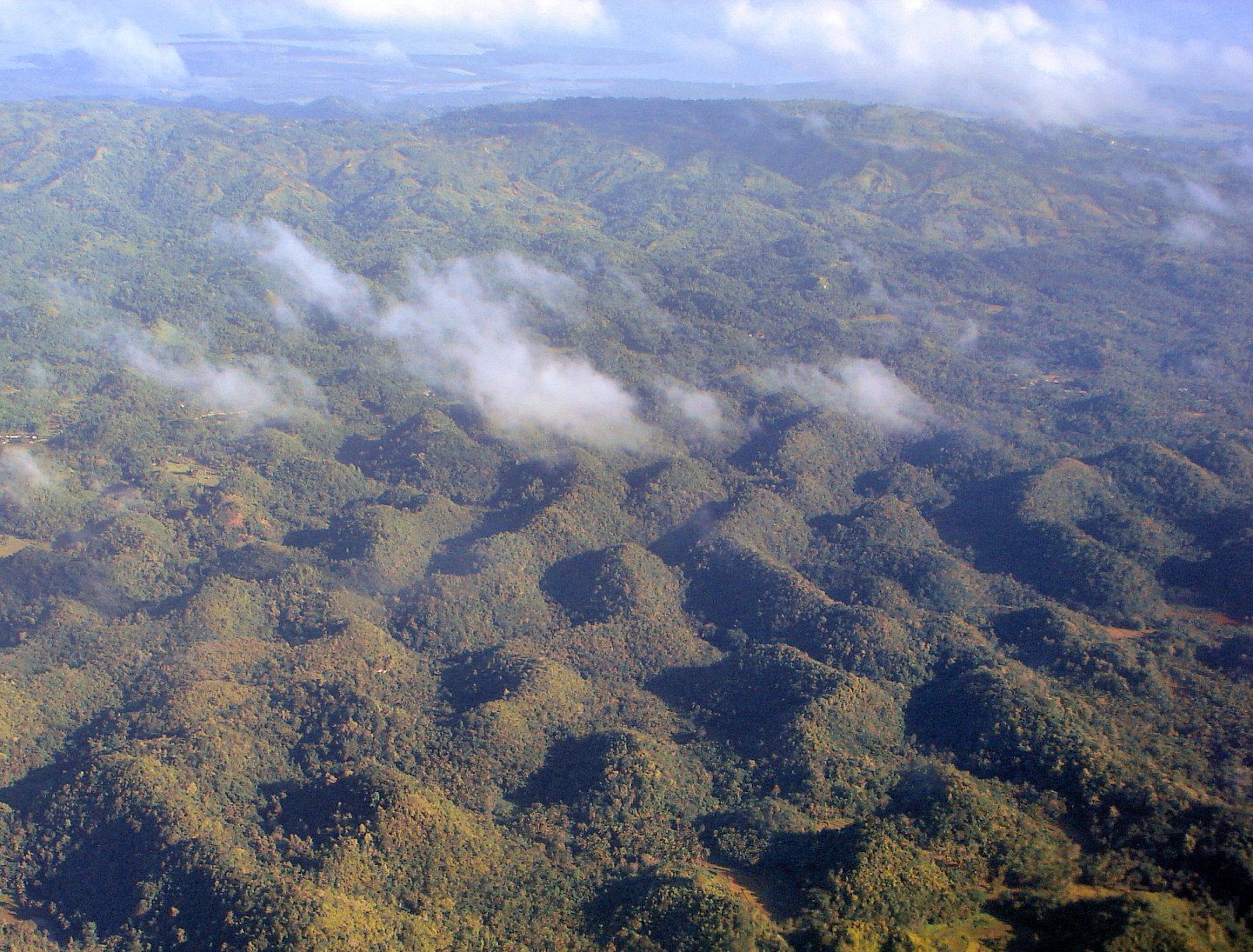
Bohol's emblem — over 1,200 karst mounds that brown each dry season — paired with the Loboc River and tarsiers.
-
Balicasag Island
Panglao, Bohol, Central Visayas
A marine sanctuary off Panglao with a coral wall, turtles, and jack schools — the region's premier snorkel/dive day.
-
Kawasan Falls 1 night
Badian, Cebu, Central Visayas, Philippines
Cebu's turquoise, spring-fed cascades in Badian, a short hop from the sardine coast.
-
Moalboal Sardine Run 1 night
Moalboal, Cebu, Central Visayas, Philippines
The resident sardine run off Panagsama Beach — a silver tornado you swim to from shore.
-
Apo Island Marine Sanctuary 1 night
Dauin, Negros Oriental, Philippines
A pioneering community sanctuary off Negros where green turtles graze in the shallows.
Day by day
-
Into Bohol
Base Panglao, Bohol
- Fly Manila or Cebu to Bohol (Panglao) — about 1–1.5h
Arrive on Panglao and settle in near the beaches. Afternoon at leisure to shake off the travel.
-
Chocolate Hills & the countryside
Base Panglao, Bohol
- Countryside loop to Carmen and the Loboc River — about 2h each way
The classic Bohol day: the Chocolate Hills viewing deck, a Loboc River lunch cruise, and the tarsiers of the Rajah Sikatuna forest.
-
Balicasag, then cross to Cebu
Base Badian, Cebu
- Early Balicasag island-hopping from Panglao/Alona
- Fast ferry Bohol to Cebu, then road south to Badian — about 4–5h total
A dawn snorkel or dive at Balicasag's wall, back for late morning, then reposition to Cebu's south coast for the falls and sardines.
-
Kawasan Falls & Moalboal sardines
Base Moalboal, Cebu
- Badian to Moalboal — about 45min–1h
A morning at Kawasan's turquoise pools (or a canyoneering run), then over to Panagsama Beach to snorkel straight into the sardine school from shore.
-
Across to Apo Island
Base Dauin/Dumaguete, Negros
- Moalboal to a south-Cebu port, ferry to Negros, road to Dauin — about 4–5h
- Boat to Apo Island for snorkelling with turtles
Cross to Negros and out to Apo Island, one of the country's first community marine sanctuaries, to drift over coral gardens with grazing green turtles.
-
Fly out of Dumaguete
Base Onward
- Fly Dumaguete to Manila or Cebu — about 1h
A slow morning by the sea before flying home from Dumaguete, closing the triangle.
What it costs
Per person, two sharing, 5 nights, including two domestic flights (into Panglao, out of Dumaguete). Excludes dive certification/gear.
| Category | Range (per person) |
|---|---|
| TransportTwo domestic flights, fast ferries, and van/car transfers along south Cebu. | ₱5,000–14,000 |
| Lodging5 nights, guesthouse to resort; Panglao and Dauin have the widest range. | ₱5,000–16,000 |
| FoodCarinderias to beach restaurants; Cebu lechon and fresh seafood throughout. | ₱2,500–6,500 |
| Fees & guidesBalicasag and Apo boats + sanctuary fees, Chocolate Hills/Loboc/tarsier, Kawasan, Moalboal snorkel or dives. | ₱5,000–12,000 |
| Estimated total | ₱17,500–48,500 |
What moves the number
- Domestic airfare and booking lead time
- Snorkelling vs diving (dives add materially at Balicasag, Apo, and Moalboal)
- Resort vs guesthouse lodging on Panglao and in Dauin
- Group size for boats and private vans
Indicative mid-2026 ranges; confirm current airfares, ferry times, and sanctuary fees before booking. Roughly US$320–880 per person at mid-2026 exchange rates. These are honest ranges, not quotes — real prices swing with season, group size, and how you travel. Always confirm current fares, room rates, permits, and fees with operators before you commit.
Best season & getting around
🗓️ Best time to go
The dry season, roughly March to June, brings the calmest water and best underwater visibility for Balicasag, Moalboal, and Apo, and is when the Chocolate Hills turn their signature cocoa-brown (about February to May). The wider dry window (November to May) works; avoid the roughest storm months. Note Apo Island and Balicasag can close to visitors on rough-sea days year-round.
🧭 Getting around
Fly into Bohol (Panglao) and out of Dumaguete to trace the triangle without backtracking. Legs run on fast ferries (Bohol–Cebu, Cebu–Negros) and hired vans or cars for the south-Cebu coast. Marine sites — Balicasag, Apo, Moalboal — are reached by local banca with sanctuary fees paid on the day.
Know before you go
- Balicasag caps daily visitor numbers and both it and Apo Island can be called off in rough seas — keep marine days flexible.
- You can see the Moalboal sardines while snorkelling from shore — no boat or certification needed — but mind the drop-off and current.
- Don't touch or crowd the turtles at Apo and Balicasag; keep fins off the coral and use reef-safe sunscreen.
- Ferry and road times are approximate and shift with sea state and traffic; build a little slack into the crossing days.
The central Visayas sit squarely in the Coral Triangle, the richest marine region on Earth, and this triangle of islands makes the most of it. From Bohol’s karst hills and reef-ringed Panglao, across to Cebu’s spring-fed falls and shore-side sardine run, and on to the turtle sanctuary of Apo off Negros, it packs an astonishing amount of the country’s signature scenery — above and below the water — into a compact five days.
It moves on short flights and fast ferries rather than long drives, which keeps the pace easy and the scenery constant. Come in the calm, clear dry season, fly a clean line in to Bohol and out of Dumaguete, and treat the marine sanctuaries gently — they are protected, community-run, and the reason the water here stays so alive.
Central Visayas Reef & Karst: common questions
How many days is the Central Visayas Reef & Karst?
5–6 days — the plan is built around 5 nights. Short flights/ferries plus ~250 km of island roads
When is the best time to do the Central Visayas Reef & Karst?
The dry season, roughly March to June, brings the calmest water and best underwater visibility for Balicasag, Moalboal, and Apo, and is when the Chocolate Hills turn their signature cocoa-brown (about February to May). The wider dry window (November to May) works; avoid the roughest storm months. Note Apo Island and Balicasag can close to visitors on rough-sea days year-round.
How much does the Central Visayas Reef & Karst cost?
A rough guide is ₱18,000–50,000 per person (Per person, two sharing, 5 nights, including two domestic flights (into Panglao, out of Dumaguete). Excludes dive certification/gear.). Indicative mid-2026 ranges; confirm current airfares, ferry times, and sanctuary fees before booking. Main cost variables: Domestic airfare and booking lead time; Snorkelling vs diving (dives add materially at Balicasag, Apo, and Moalboal); Resort vs guesthouse lodging on Panglao and in Dauin.
How do you get around on the Central Visayas Reef & Karst?
Fly into Bohol (Panglao) and out of Dumaguete to trace the triangle without backtracking. Legs run on fast ferries (Bohol–Cebu, Cebu–Negros) and hired vans or cars for the south-Cebu coast. Marine sites — Balicasag, Apo, Moalboal — are reached by local banca with sanctuary fees paid on the day.
Which natural wonders does the Central Visayas Reef & Karst include?
Chocolate Hills, Balicasag Island, Kawasan Falls, Moalboal Sardine Run, Apo Island Marine Sanctuary.
Added