Why is that water so impossibly blue? The science of turquoise pools
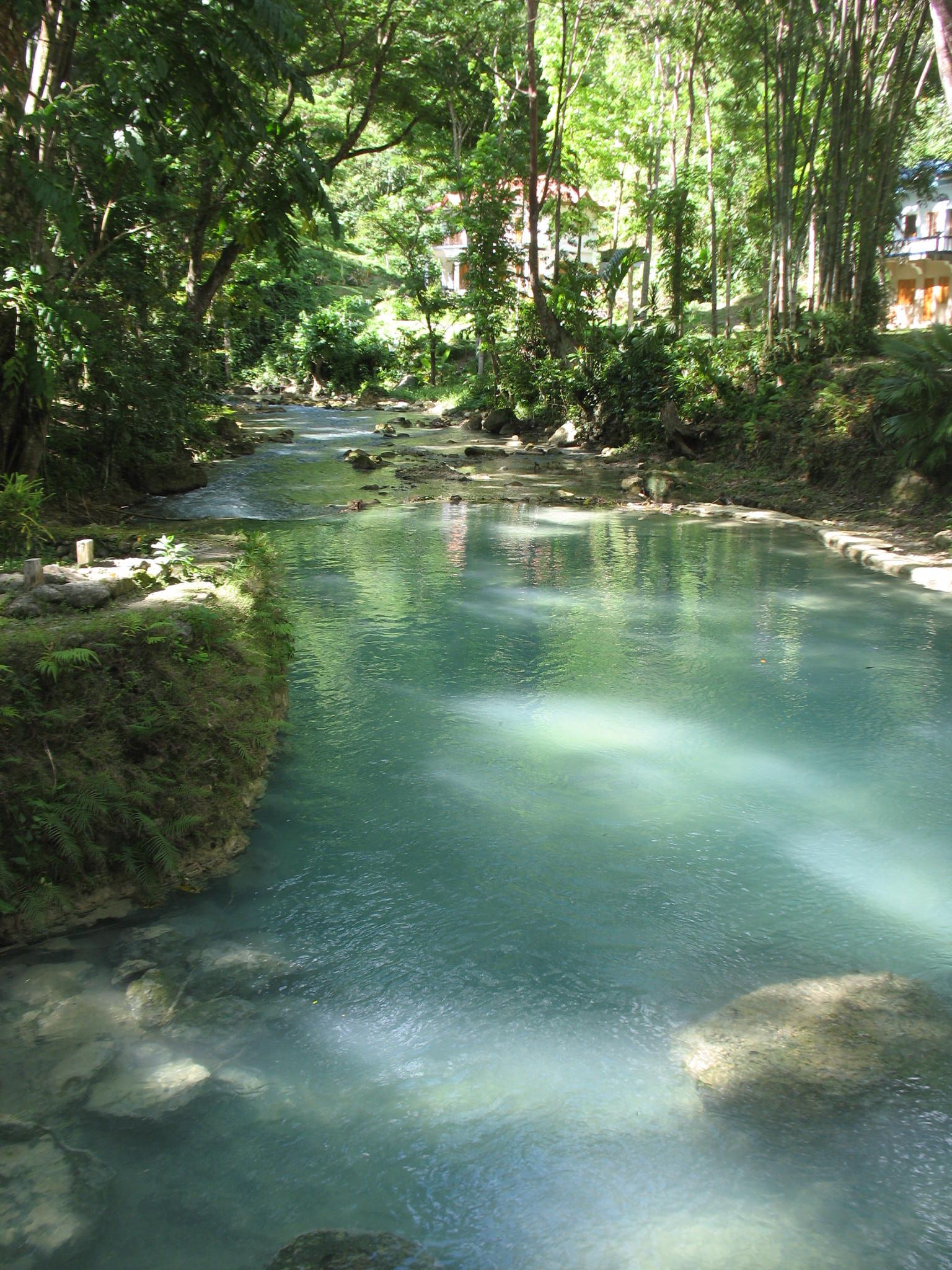
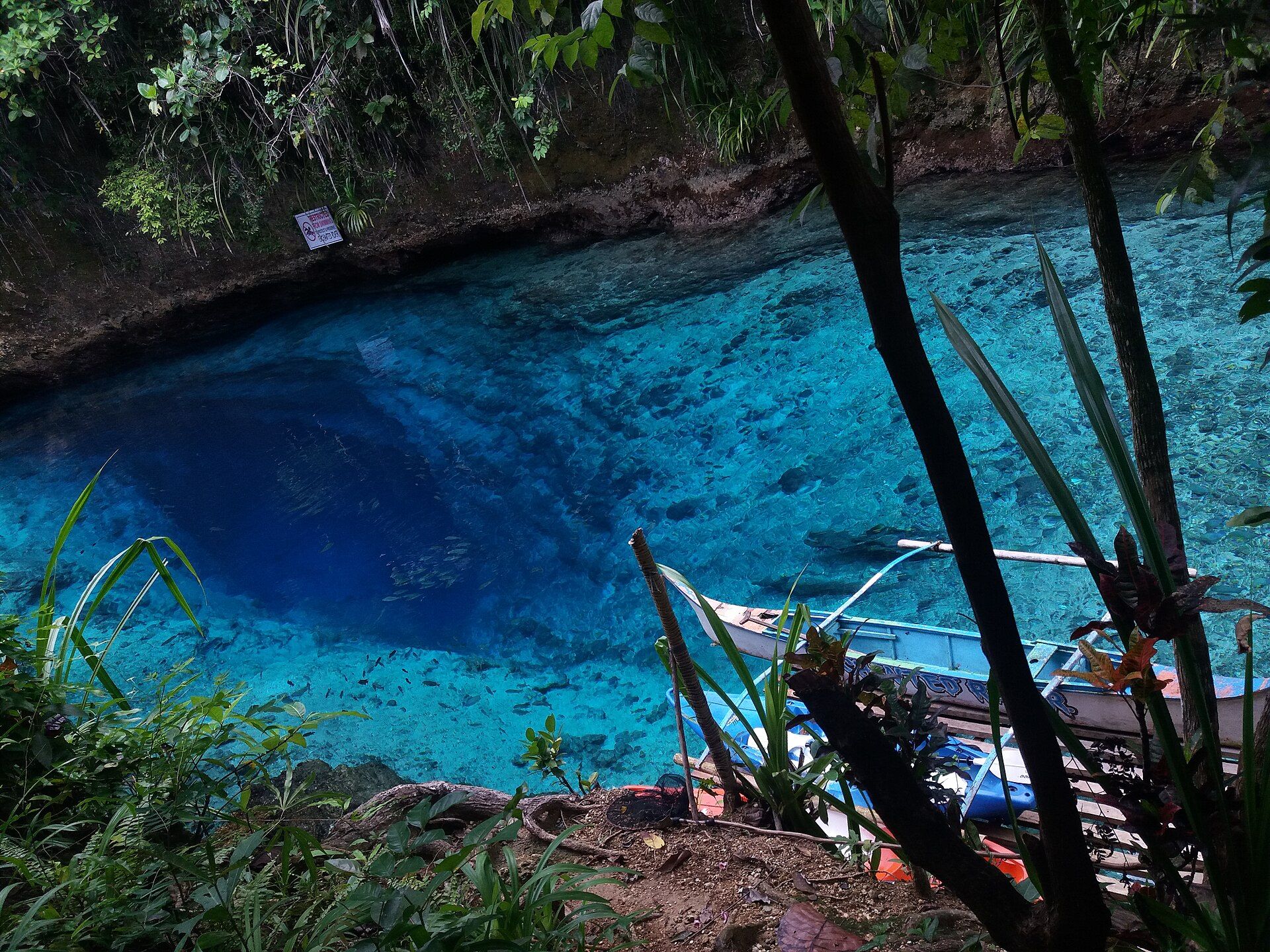
Everyone who sees water like Kawasan Falls or the Hinatuan Enchanted River asks the same question: is it really that colour? It is — and the reason is a neat piece of natural physics.
Start with water itself. Pure, deep water isn’t colourless; it very slightly absorbs red light more than blue, so a large, clear body of water looks faintly blue on its own. That effect only becomes obvious when the water is clean and deep enough — which is exactly what spring-fed, karst-filtered rivers provide.
Then add minerals. Rivers that run through limestone dissolve calcium carbonate along the way. In some waters, extremely fine particles — mineral ‘flour’ or suspended carbonate — stay in suspension and scatter incoming sunlight, boosting the blues and greens. It’s the same family of effect that turns glacier-fed lakes in the Andes and the Rockies that startling milky turquoise: rock ground to powder, hanging in clear cold water, throwing back light. In the Philippines, the limestone landscapes of Cebu, Coron, and Bohol are ideal factories for it.
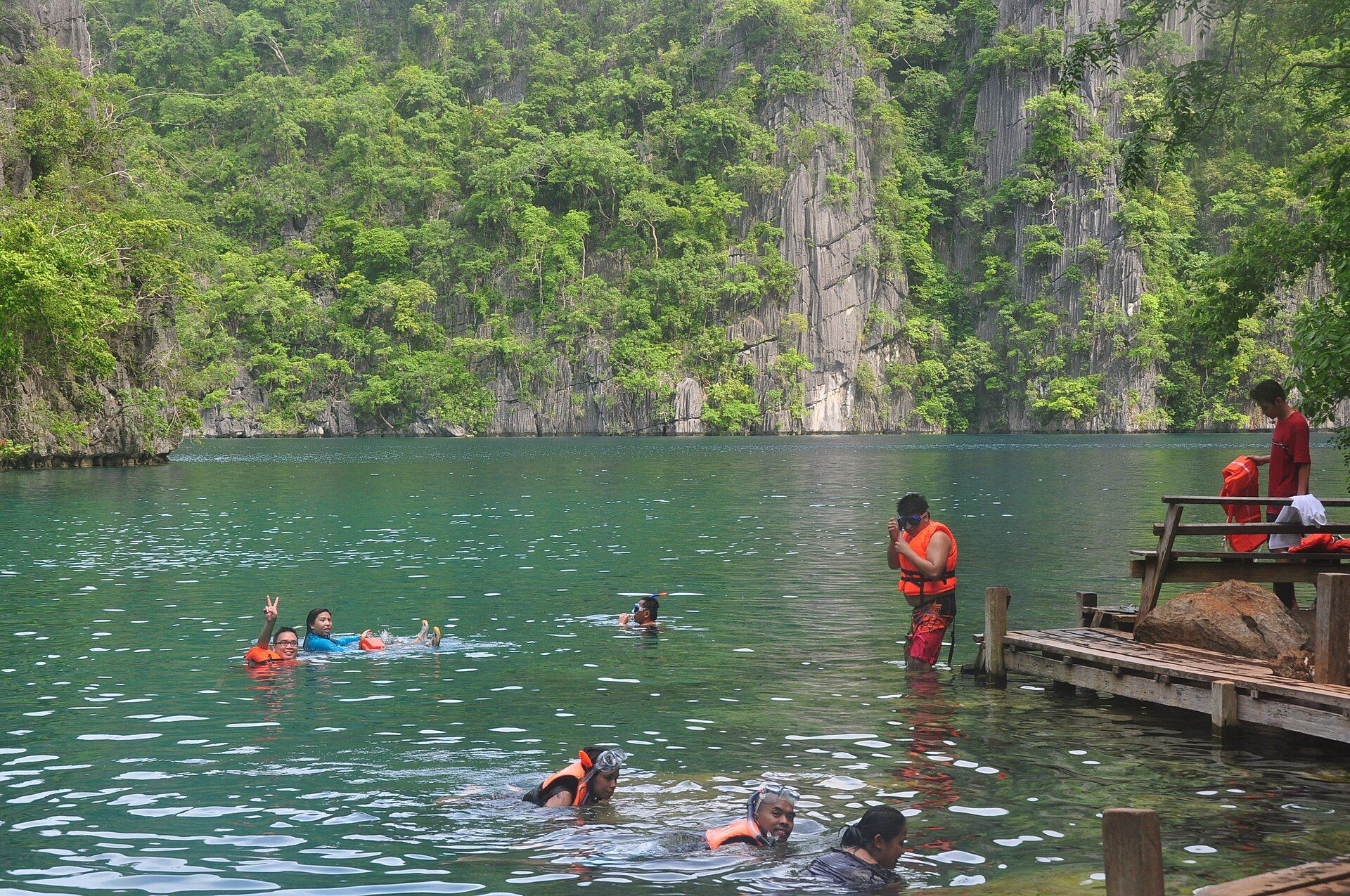
Depth and the bottom finish the picture. Over pale sand or rock, shallow water reads bright aquamarine; where it plunges deep, as at Kayangan Lake or the Hinatuan spring, it deepens to sapphire. So the next time a pool looks too blue to be real, you’re not looking at an illusion — you’re watching sunlight, clean water, dissolved stone, and depth do exactly what the laws of physics say they should.
Wonders in this article