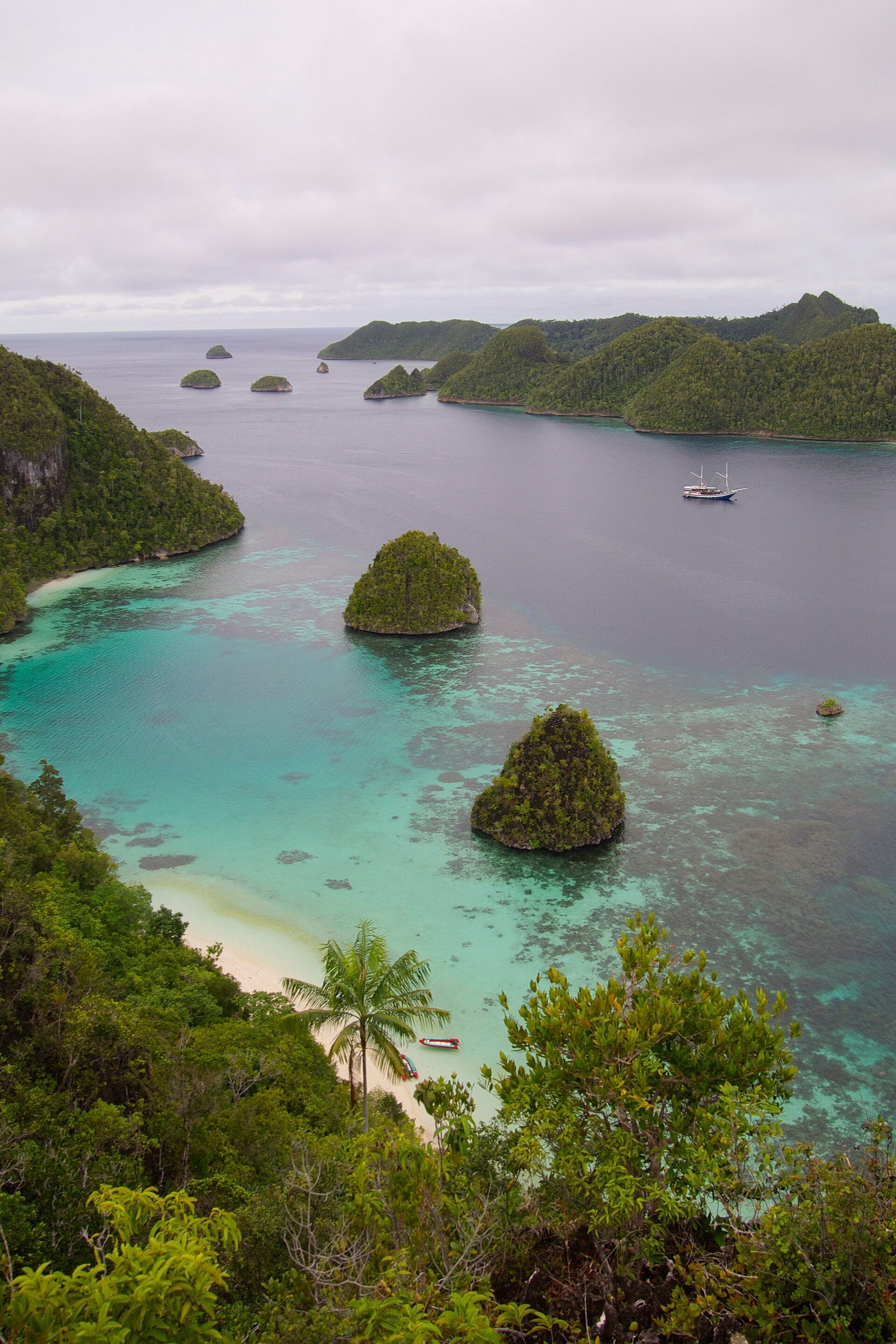
Apo Island Marine Sanctuary
📍 Dauin, Negros Oriental, Philippines
A small volcanic island off Negros ringed by one of the world's most celebrated community-run marine sanctuaries — famous for resident green sea turtles grazing over coral just off the beach.
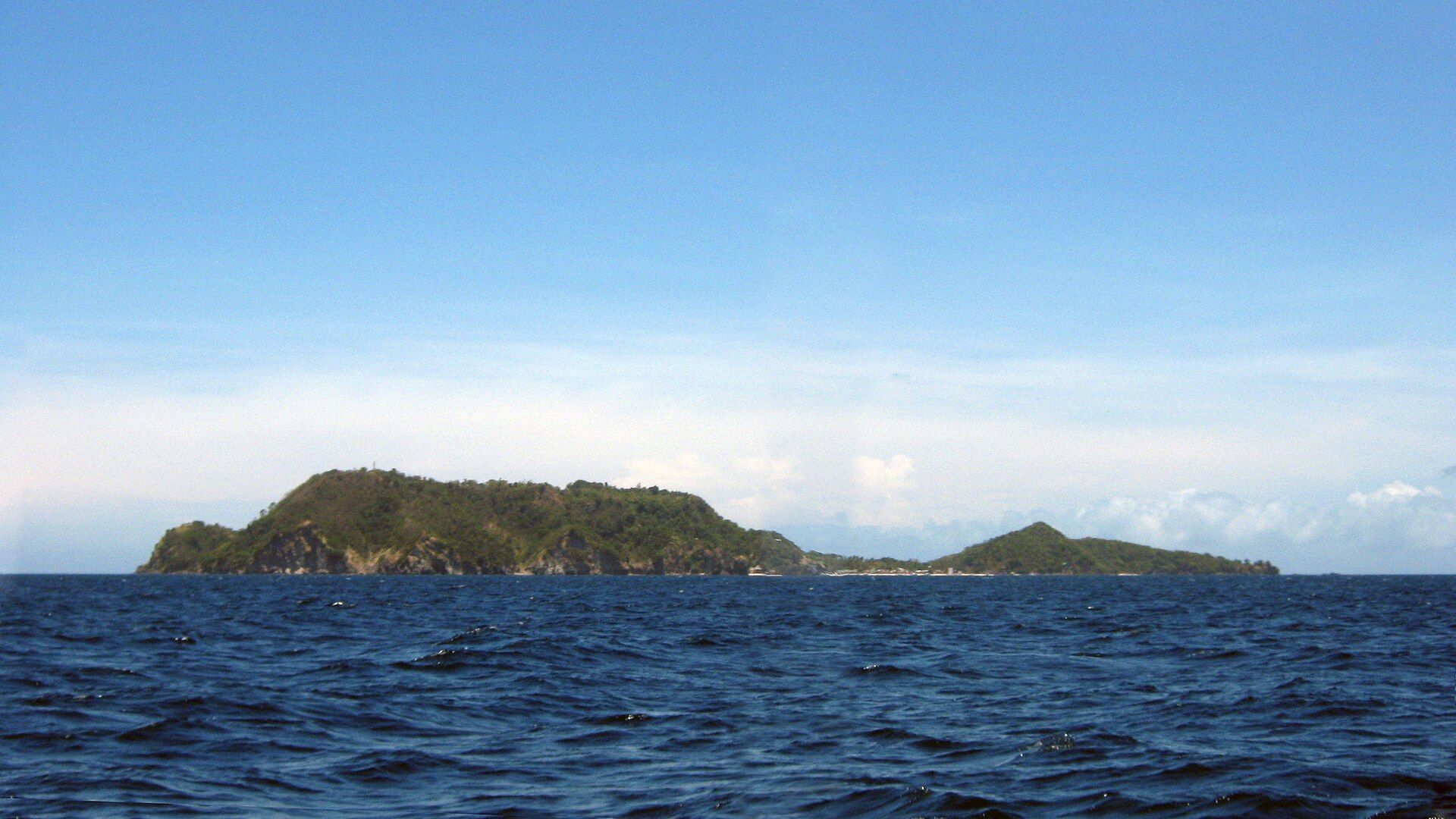
What makes it marvelous
Apo Island is a pioneer of community-led marine protection. In the 1980s local fishers, with scientists from nearby Silliman University, set aside a no-take sanctuary; decades on, the reef has rebounded so strongly that it spills fish into surrounding waters and supports abundant coral, turtles, and reef life. It is cited worldwide as proof that community-managed marine reserves work.
Why visit
You can snorkel straight off the beach and find green sea turtles feeding on seagrass and healthy coral within minutes — one of the most reliable turtle encounters in the country. The reef walls and gardens make it a superb, easygoing dive and snorkel site, and the sanctuary's success story is inspiring in itself.
What to know before you go
🗓️ Best time
The drier months (roughly March–June and the calmer stretches) for the best visibility and gentle conditions.
🧭 Getting there & access
By boat from Malatapay/Dauin on the mainland of Negros Oriental (near Dumaguete), as a day trip or short stay. Sanctuary entrance and snorkelling/diving fees fund the local marine management.
Good to know
- Keep a respectful distance from turtles — don't touch, chase, or ride them.
- Use reef-safe sunscreen and never stand on the coral.
- Pay the sanctuary fees; they fund the community wardens who protect the reef.
Plan your visit
Easy🧭 Getting there
From Dumaguete (DGT), Negros Oriental
- Fly Manila or Cebu → Dumaguete
- Road Dumaguete → Malatapay market — roughly 30–40 minutes
- Boat Malatapay → Apo Island — about 30–45 minutes depending on the sea
- Total travel
- Around 90 minutes from Dumaguete
- Time at site
- A day trip works; an overnight is far better
- Access
- A community-managed marine sanctuary with entry and snorkelling fees collected on the island and a guide required inside the sanctuary zone. The rules exist because this reef was rebuilt from the ruin of dynamite fishing by the villagers themselves: no touching, no standing on coral, no chasing turtles, and a set distance from any animal. Boat crossings are cancelled outright in rough seas, and day trippers do occasionally get stranded — build slack into your plan.
🎒 What to bring & consider
- Reef-safe sunscreen or, better, a long rashguard — the shallows are close enough to touch and chemical run-off here goes straight onto living coral
- Reef booties for the rocky shore entries, which are sharp and surge-prone rather than sandy
- Cash for everything: fees, food and rooms are cash-only and there is no ATM on the island
- A tolerance for the current, which runs hard past the point and is why the guide requirement is not bureaucracy
- A torch and a power bank if you stay over, since island electricity is limited and scheduled
👁️ What to expect
- Crowds
- Day-trip boats arrive mid-morning and cluster on the turtle-grass shallows. Stay overnight and you get the reef to yourself early and late.
- Conditions
- Warm, clear water with strong currents on the exposed sides. Shore entries over rock. The island itself is steep and small.
- Facilities
- A handful of small resorts and homestays, basic dive operations, limited power and no ATM.
- The view
- Green turtles grazing the seagrass in shallow water with the surface right above them. They are habituated and easy to find, which is precisely why the distance rule is worth keeping — the good picture does not require crowding the animal.
Times and requirements are approximate and change with season, weather, and local rules — confirm permits, fares, and schedules with operators before you travel.
Natural riches of the area
- A thriving no-take coral reef with high fish biomass
- Resident green sea turtles and seagrass meadows
- Volcanic island geology and clear surrounding waters
- A spillover fishery that sustains the local community
Local food
- Fresh grilled seafood
- Reef and pelagic fish landed on Negros, cooked simply.
- Silvanas & sans rival
- Dumaguete's famous buttery, cashew-meringue sweets, just across the water.
- Budbud & tsokolate
- Sticky millet or rice cakes with thick native hot chocolate — a Visayan breakfast.
Apo Island is small, but its influence on marine conservation is large. In the early 1980s, the island’s fishers — working with scientists from Silliman University in nearby Dumaguete — set aside part of their reef as a no-take sanctuary. It was a bold experiment, and it worked: decades later the reef is so healthy that it exports fish into the surrounding waters that the community still fishes.
For visitors, the payoff is immediate. Snorkel off the beach and, within minutes, you’re likely to find green sea turtles cropping seagrass over vibrant coral, unbothered by the swimmers around them. The reef walls and gardens make for gentle, rewarding diving too.
Apo Island is now taught around the world as evidence that community-managed marine reserves can restore a reef and a livelihood at once. Visiting respectfully — distance from the turtles, reef-safe sunscreen, fees paid — is a small part of keeping that success story going.
Apo Island Marine Sanctuary: common questions
How do you get to Apo Island Marine Sanctuary?
From Dumaguete (DGT), Negros Oriental: Fly Manila or Cebu → Dumaguete; Road Dumaguete → Malatapay market — roughly 30–40 minutes; Boat Malatapay → Apo Island — about 30–45 minutes depending on the sea. Total travel time: Around 90 minutes from Dumaguete.
When is the best time to visit Apo Island Marine Sanctuary?
The drier months (roughly March–June and the calmer stretches) for the best visibility and gentle conditions.
How long should you spend at Apo Island Marine Sanctuary?
A day trip works; an overnight is far better. Total travel time: Around 90 minutes from Dumaguete.
What should you bring to Apo Island Marine Sanctuary?
Reef-safe sunscreen or, better, a long rashguard — the shallows are close enough to touch and chemical run-off here goes straight onto living coral Reef booties for the rocky shore entries, which are sharp and surge-prone rather than sandy Cash for everything: fees, food and rooms are cash-only and there is no ATM on the island A tolerance for the current, which runs hard past the point and is why the guide requirement is not bureaucracy A torch and a power bank if you stay over, since island electricity is limited and scheduled
Do you need a permit or guide for Apo Island Marine Sanctuary?
A community-managed marine sanctuary with entry and snorkelling fees collected on the island and a guide required inside the sanctuary zone. The rules exist because this reef was rebuilt from the ruin of dynamite fishing by the villagers themselves: no touching, no standing on coral, no chasing turtles, and a set distance from any animal. Boat crossings are cancelled outright in rough seas, and day trippers do occasionally get stranded — build slack into your plan.
Is Apo Island Marine Sanctuary crowded, and what are conditions like?
Day-trip boats arrive mid-morning and cluster on the turtle-grass shallows. Stay overnight and you get the reef to yourself early and late. Warm, clear water with strong currents on the exposed sides. Shore entries over rock. The island itself is steep and small. Facilities: A handful of small resorts and homestays, basic dive operations, limited power and no ATM.
Added Updated
More wonders to explore

Sohoton Cove & Jellyfish Sanctuary
Bucas Grande, Surigao del Norte, Mindanao, Philippines

Komodo National Park
Lesser Sunda Islands, East Nusa Tenggara, Indonesia