Pagsanjan Falls
📍 Pagsanjan / Cavinti, Laguna, Southern Luzon
One of Luzon's most famous waterfalls, reached by a thrilling paddled canoe journey up a gorge of jungle cliffs and rapids — where skilled boatmen 'shoot the rapids' back downstream.
What makes it marvelous
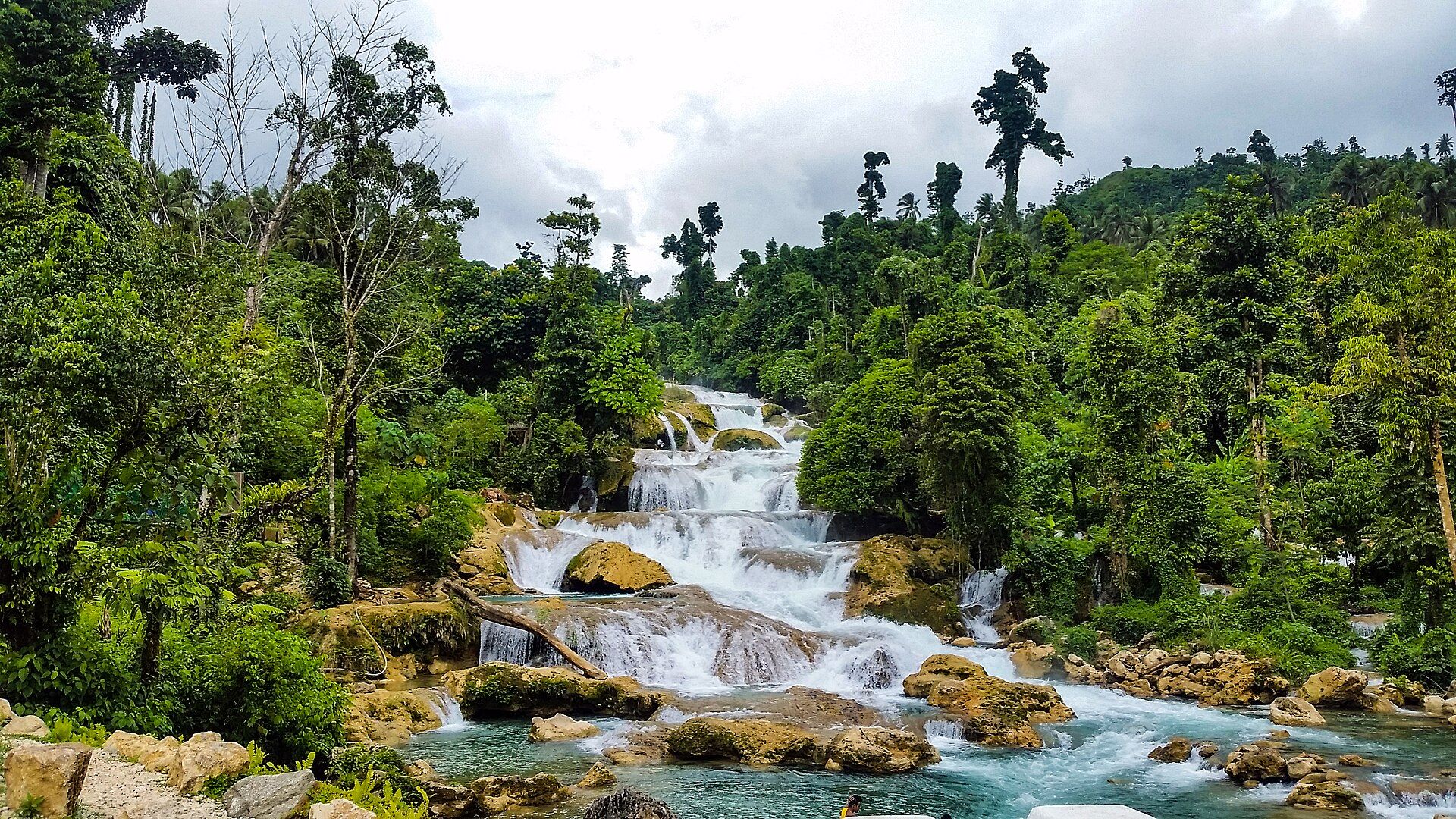
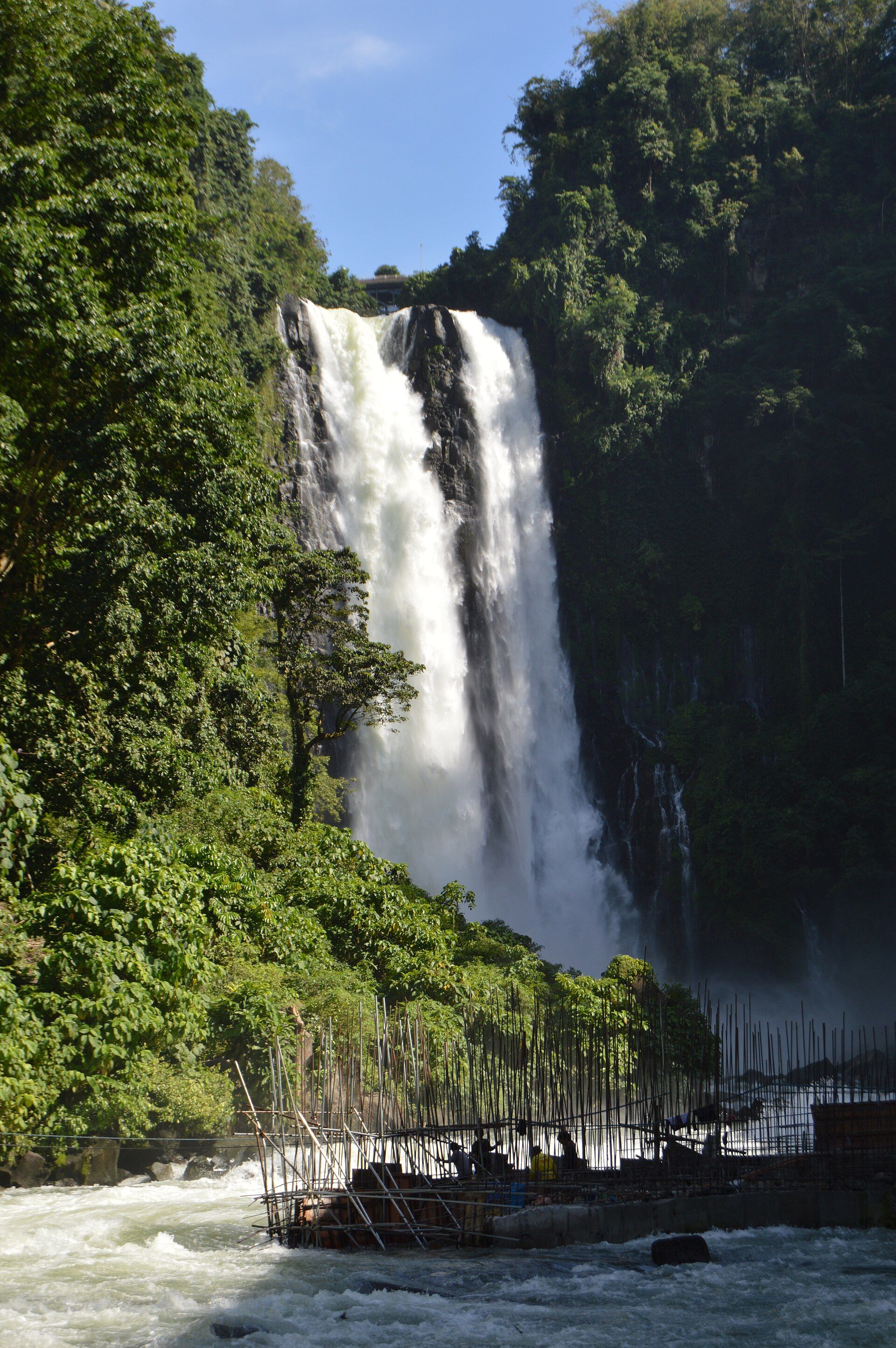
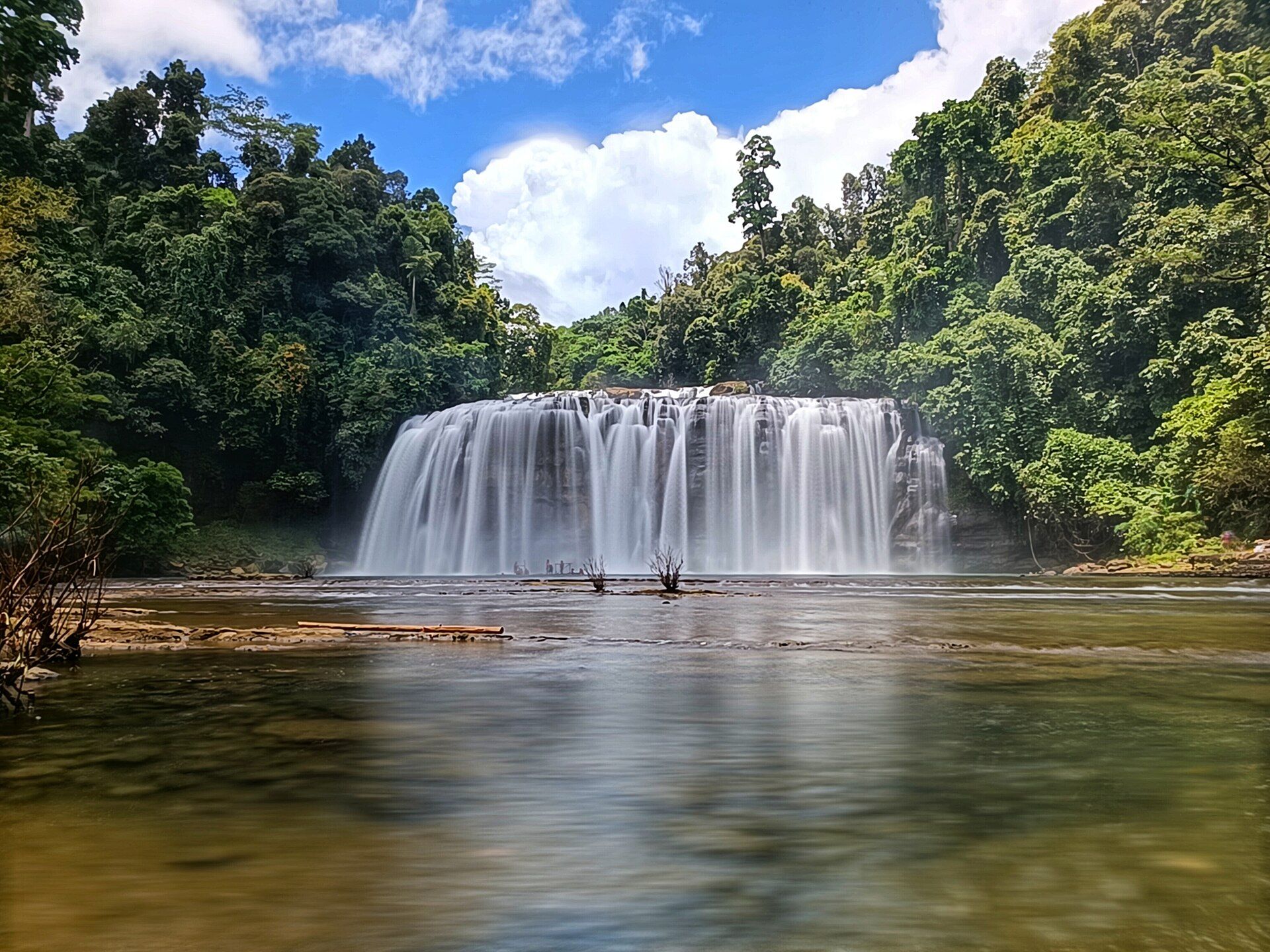
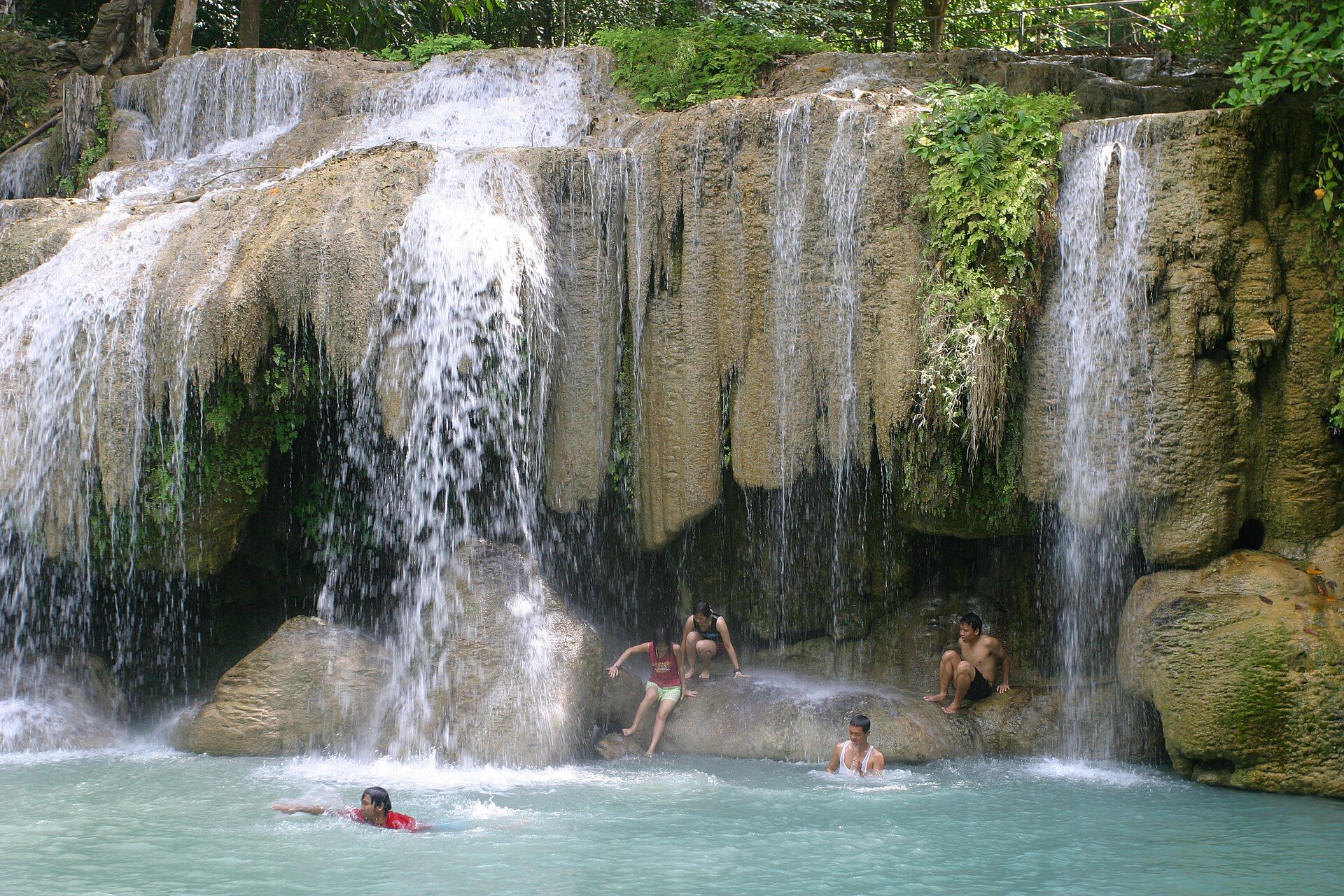
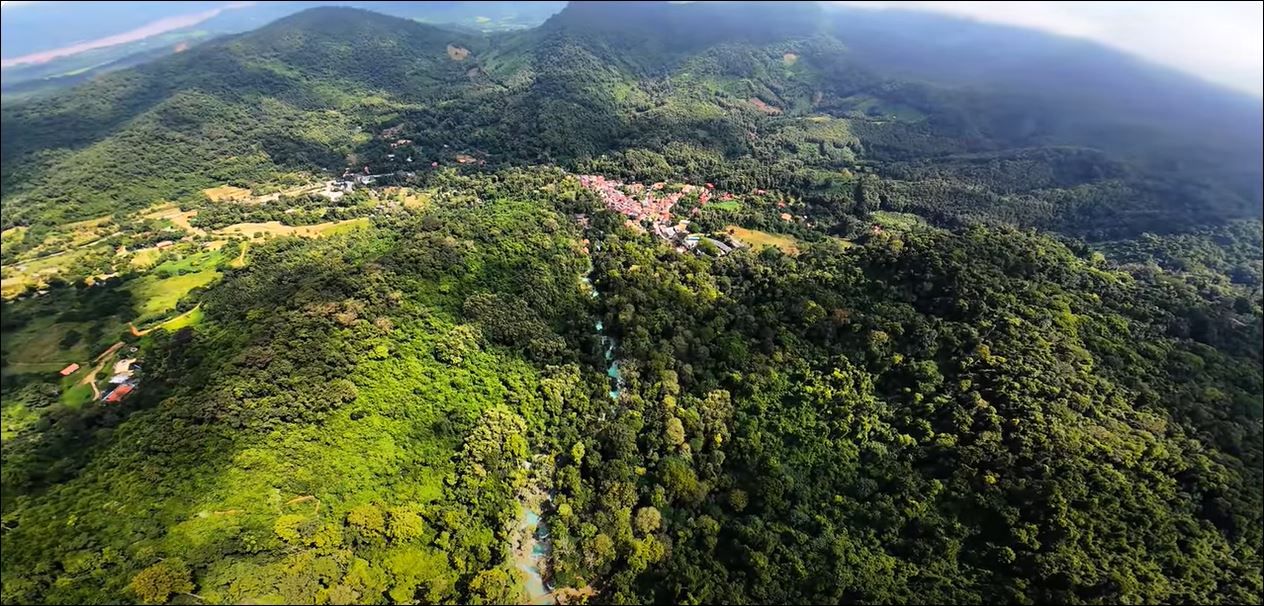
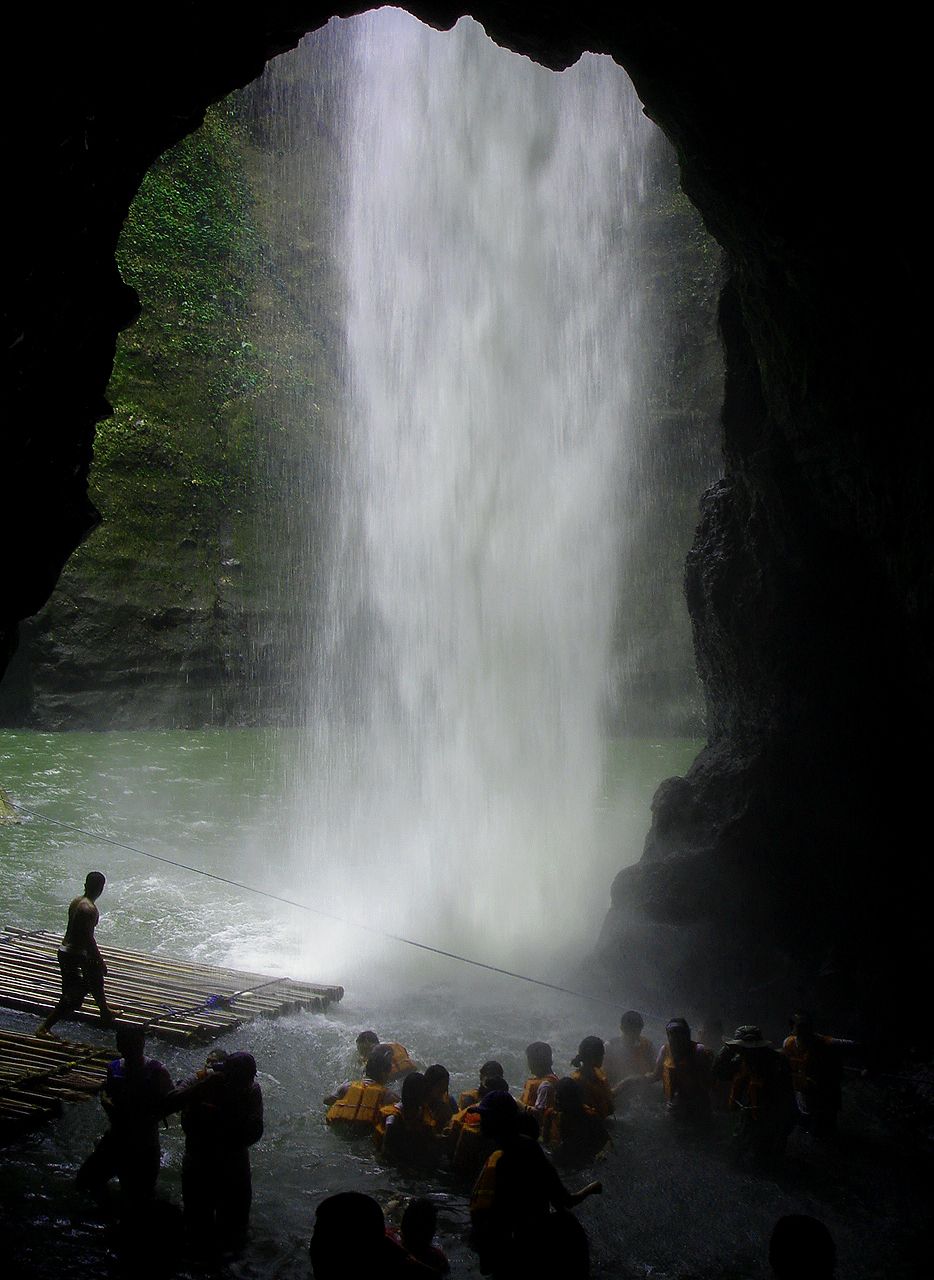
The falls (also called Cavinti Falls) drop through a dramatic gorge carved by the Bumbungan River into steep, fern-draped cliffs. The classic way to reach them is by dugout canoe, hauled and paddled upstream by expert bangkeros (boatmen) through a series of rapids — a technique so distinctive it drew filmmakers here decades ago. At the top, a bamboo raft can carry you behind the main curtain into the 'Devil's Cave'.
Why visit
The journey is the wonder: gliding up a narrow gorge beneath towering jungle walls and waterfalls, then rushing back down the rapids in a wooden canoe steered by boatmen who know every rock. It's an adventure classic within easy reach of Manila.
What to know before you go
🗓️ Best time
The drier months (roughly December–May) for safer water levels; the gorge trip can be suspended after heavy rain when the river runs high and dangerous.
🧭 Getting there & access
About 2–3 hours from Manila to Pagsanjan or Cavinti in Laguna. The canoe trip is arranged through licensed boatmen/operators; fixed rates and a raft fee apply.
Good to know
- Agree the price and tip in advance to avoid the area's notorious touts.
- Bring a dry bag; you will get wet on the rapids.
- Don't attempt the gorge after heavy rain — flash floods are a real danger.
Plan your visit
Easy🧭 Getting there
From Manila, via Pagsanjan or Cavinti, Laguna
- Drive or bus Manila → Pagsanjan — roughly 2h30–4h depending on traffic leaving the metro
- Register at the tourism office, then take a paddled banca upriver — about 45 minutes to an hour each way
- Or descend from the Cavinti side at Pueblo El Salvador — a long staircase of several hundred steps
- Total travel
- Half a day from Manila
- Time at site
- Two to three hours on the river
- Access
- Boat trips are registered through the Pagsanjan or Cavinti tourism office, with set boatman fees and a bamboo raft charge if you want to go under the falls. Note that the falls are physically in Cavinti, and the two municipalities run separate access routes. The river is closed after heavy rain, when the current makes the upstream paddle impossible and the return dangerous. Fees are set locally; confirm at the office.
🎒 What to bring & consider
- Cash set aside for tips on top of the official fee — two boatmen paddle and haul you up a rapids-strewn river by hand, and the expectation of a substantial tip is firm and sometimes pressed hard. Agree the number before you set off and the trip goes much better
- A dry bag, because you will be soaked and the boat takes water through the rapids
- Shoes that fasten, given the wet raft transfer at the falls
- A dry-season visit if you can, since the wet months either close the river or turn it brown
- Nothing valuable and loose in the boat
👁️ What to expect
- Crowds
- Busy on weekends and holidays with domestic day trips from Manila. Quiet midweek.
- Conditions
- A beautiful gorge paddle between vertical green walls, with the boatmen pushing and lifting the banca over rock. Wet throughout.
- Facilities
- Tourism office, resorts and restaurants in Pagsanjan. Nothing on the river itself.
- The view
- The gorge walls closing overhead on the way up, and the curtain of the main falls from the raft. The falls themselves are less photogenic than the journey, which is genuinely the better part of the trip.
Times and requirements are approximate and change with season, weather, and local rules — confirm permits, fares, and schedules with operators before you travel.
Natural riches of the area
- The Bumbungan (Pagsanjan) River gorge and rapids
- Lush tropical gorge forest and fern communities
- Watershed feeding Laguna de Bay
- Freshwater river ecosystems
Local food
- Buko pie
- Laguna's beloved young-coconut custard pie, sold all along the roads.
- Kesong puti
- Soft white carabao-milk cheese from the province.
- Espasol & panutsa
- Rice-and-coconut and peanut-brittle sweets from the Laguna towns.
At Pagsanjan, getting there is half the wonder. To reach the falls you ride a slender dugout canoe up the Bumbungan River gorge, hauled and paddled by expert boatmen through rapid after rapid, jungle cliffs and smaller waterfalls rising on either side. At the top, a bamboo raft can pull you through the spray behind the main curtain into the so-called Devil’s Cave — and then comes the payoff: shooting the rapids back downstream, the boatmen reading every rock at speed.
It’s a Philippine classic, close enough to Manila for a day trip and dramatic enough to have drawn filmmakers decades ago. The gorge is also a working watershed feeding Laguna de Bay. Go in the dry season and with licensed boatmen; after heavy rain the river turns dangerous, and the trip is best left for another day.
Pagsanjan Falls: common questions
How do you get to Pagsanjan Falls?
From Manila, via Pagsanjan or Cavinti, Laguna: Drive or bus Manila → Pagsanjan — roughly 2h30–4h depending on traffic leaving the metro; Register at the tourism office, then take a paddled banca upriver — about 45 minutes to an hour each way; Or descend from the Cavinti side at Pueblo El Salvador — a long staircase of several hundred steps. Total travel time: Half a day from Manila.
When is the best time to visit Pagsanjan Falls?
The drier months (roughly December–May) for safer water levels; the gorge trip can be suspended after heavy rain when the river runs high and dangerous.
How long should you spend at Pagsanjan Falls?
Two to three hours on the river. Total travel time: Half a day from Manila.
What should you bring to Pagsanjan Falls?
Cash set aside for tips on top of the official fee — two boatmen paddle and haul you up a rapids-strewn river by hand, and the expectation of a substantial tip is firm and sometimes pressed hard. Agree the number before you set off and the trip goes much better A dry bag, because you will be soaked and the boat takes water through the rapids Shoes that fasten, given the wet raft transfer at the falls A dry-season visit if you can, since the wet months either close the river or turn it brown Nothing valuable and loose in the boat
Do you need a permit or guide for Pagsanjan Falls?
Boat trips are registered through the Pagsanjan or Cavinti tourism office, with set boatman fees and a bamboo raft charge if you want to go under the falls. Note that the falls are physically in Cavinti, and the two municipalities run separate access routes. The river is closed after heavy rain, when the current makes the upstream paddle impossible and the return dangerous. Fees are set locally; confirm at the office.
Is Pagsanjan Falls crowded, and what are conditions like?
Busy on weekends and holidays with domestic day trips from Manila. Quiet midweek. A beautiful gorge paddle between vertical green walls, with the boatmen pushing and lifting the banca over rock. Wet throughout. Facilities: Tourism office, resorts and restaurants in Pagsanjan. Nothing on the river itself.
Added Updated
More wonders to explore