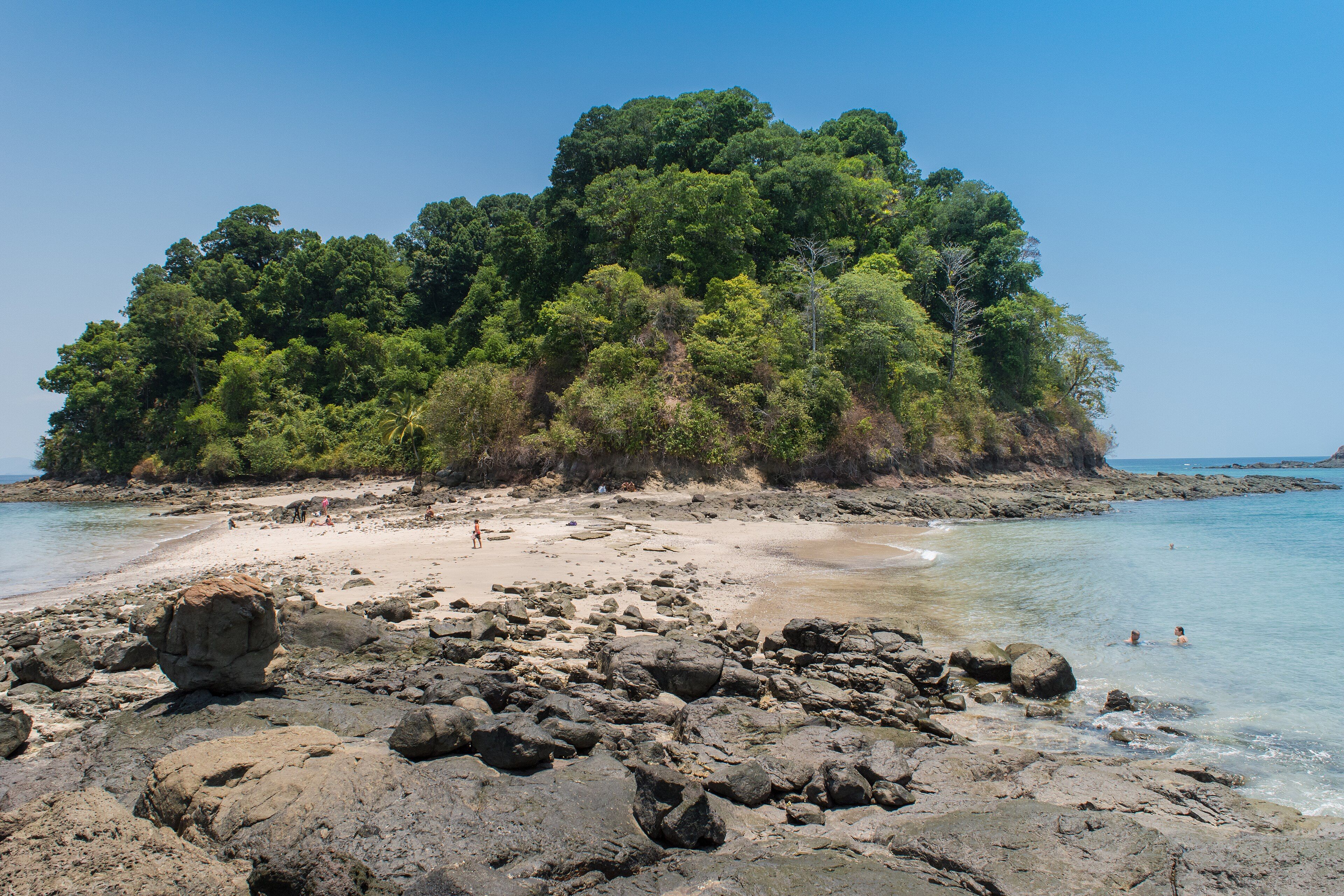
Aldabra Atoll
📍 Outer Islands, Seychelles
One of the world's largest raised coral atolls and among the least disturbed places on Earth — home to some 100,000 giant tortoises, far more than the Galápagos.
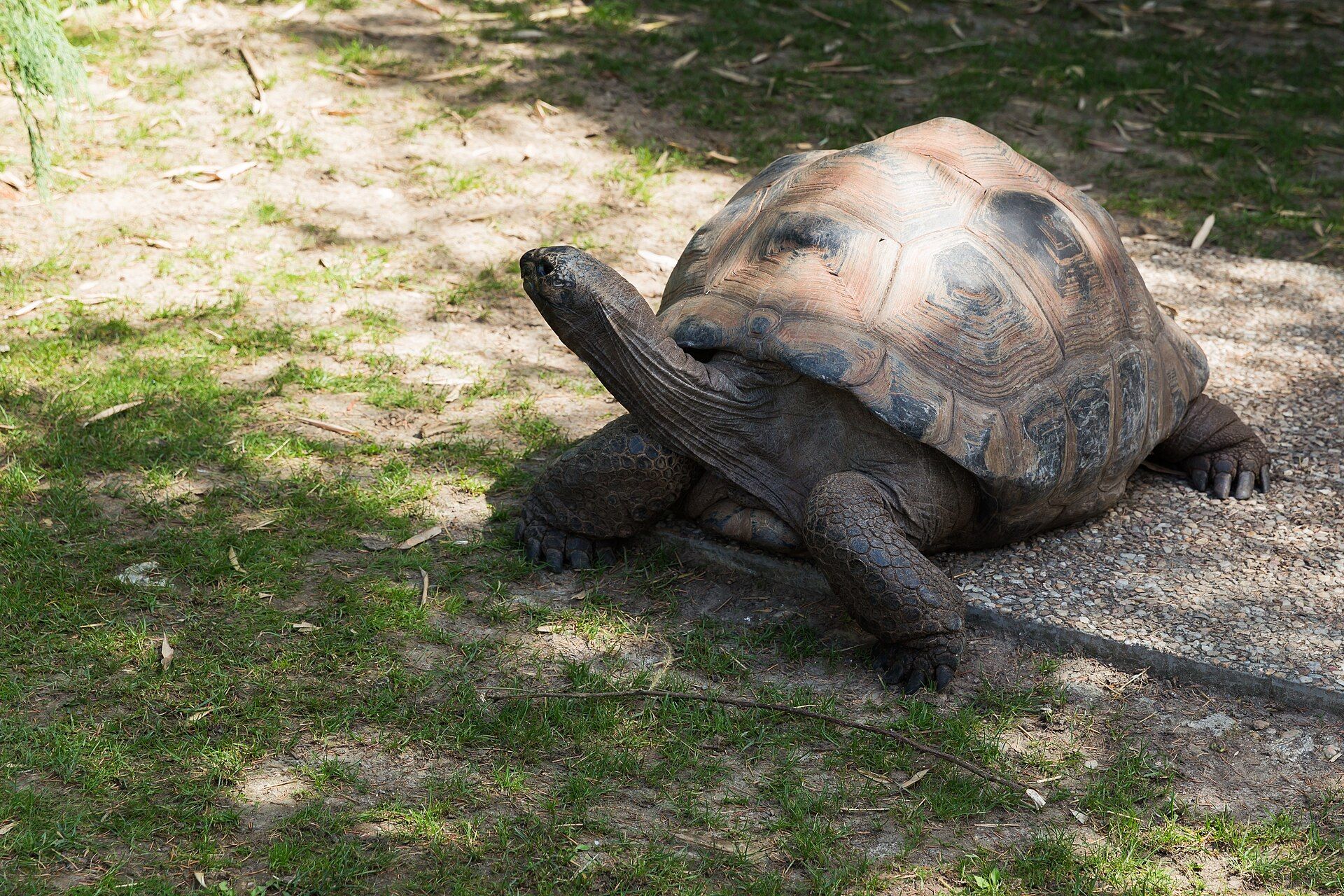
What makes it marvelous
Aldabra is a vast raised coral atoll in the remote Indian Ocean, four main islands enclosing an enormous tidal lagoon that empties and refills twice daily through narrow channels. Its extreme isolation — over a thousand kilometres from the main Seychelles islands — and its harsh, waterless limestone terrain kept people away, and as a result it is one of the least disturbed island ecosystems on the planet. It shelters roughly 100,000 Aldabra giant tortoises, by far the largest population of giant tortoises anywhere, several times more than the Galápagos, alongside the last flightless bird of the Indian Ocean, the Aldabra rail, plus nesting green turtles, frigatebirds, and boobies. Access is tightly restricted to research and a handful of visitors. Charles Darwin was among those who campaigned for its protection, and it became one of the earliest UNESCO World Heritage Sites.
Why visit
Aldabra is barely visitable by design — but as one of the last near-pristine island ecosystems on Earth, with giant tortoises roaming in their tens of thousands, it stands as a benchmark for what untouched nature actually looks like.
Still deciding?
Aldabra Atoll comes up most often against one other place — each one weighs cost, effort, season and crowds side by side.
What to know before you go
🗓️ Best time
The calmer months (roughly March–May and October–November) between monsoon seasons; visits are extremely limited and arranged only through sanctioned expeditions.
🧭 Getting there & access
In the remote outer Seychelles, reachable only by long ocean voyage; access is strictly controlled by the Seychelles Islands Foundation, limited to research staff and a very small number of permitted expedition visitors.
Good to know
- Visits are strictly permit-controlled — arrange only via sanctioned expeditions.
- Strict biosecurity applies; introduced species are the atoll's greatest threat.
- Support the Seychelles Islands Foundation, which funds its protection.
Plan your visit
Expedition🧭 Getting there
From Mahé, Seychelles — then a live-aboard vessel
- Fly international → Mahé (SEZ)
- Join an expedition vessel or chartered yacht — Aldabra lies roughly 1,100km southwest of Mahé
- Sail Mahé → Aldabra — typically 3–4 days at sea each way, weather dependent
- Total travel
- The better part of a week at sea before you arrive, and the same to leave
- Time at site
- Whatever your vessel is permitted — usually a few days
- Access
- Aldabra is a UNESCO World Heritage site managed by the Seychelles Islands Foundation, and you cannot simply turn up. Landings require SIF permission arranged well in advance, are limited in number, and are conditional on biosecurity screening of everything you bring ashore. There is no airstrip, no hotel and no scheduled transport of any kind — the only realistic routes are a handful of expedition cruises and private charters. Confirm the current position directly with the Seychelles Islands Foundation.
🎒 What to bring & consider
- Biosecurity discipline — bags, boots and velcro checked and cleaned for seeds, soil and insects, because the atoll is one of the few large tropical islands with its ecology still largely intact
- Tide awareness for the channels: water pours in and out of the lagoon through narrow passes at genuinely dangerous speed, and small-boat movements are scheduled around slack water
- Total self-sufficiency in medicine — the nearest hospital is days away by sea and there is no evacuation flight
- Reef booties and gloves for coral limestone that is sharp enough to open a shin
- Sun and heat protection for open-boat days with no shade at all
👁️ What to expect
- Crowds
- Effectively none. A research station on Picard and a handful of visitors a year.
- Conditions
- Hot, humid and exposed, on razor-edged raised coral called champignon that punishes footwear and skin. Movement is by small boat around tides.
- Facilities
- None beyond the research station, which is not a visitor centre. Everything comes off the boat.
- The view
- Giant tortoises in open scrub, and the lagoon draining through the passes with frigatebirds overhead. The atoll is far too large to photograph as a whole from the water — the sense of scale is something you get by being on it for days rather than in a single frame.
Times and requirements are approximate and change with season, weather, and local rules — confirm permits, fares, and schedules with operators before you travel.
Natural riches of the area
- One of the world's largest raised coral atolls
- ~100,000 Aldabra giant tortoises — the largest population on Earth
- The Aldabra rail, the Indian Ocean's last flightless bird
- Nesting green turtles and vast seabird colonies
Local food
- Seychellois creole fish
- Grilled fish with creole spices, the mainstay of Seychelles cooking.
- Coconut curries
- Fish and octopus curries rich with coconut milk.
- Breadfruit & tropical fruit
- Staples of the inhabited Seychelles islands (Aldabra itself is uninhabited).
Aldabra is one of the least disturbed places left on Earth. A vast raised coral atoll far out in the Indian Ocean, its four main islands enclose an enormous lagoon that empties and refills twice a day through narrow channels. Its salvation was its hostility: more than a thousand kilometres from the main Seychelles islands, waterless and built of jagged limestone, it simply defeated settlement.
The result is an ecosystem that still works as it always did. Roughly 100,000 Aldabra giant tortoises roam the atoll — by far the largest population of giant tortoises anywhere, several times that of the Galápagos — alongside the Aldabra rail, the last flightless bird left in the Indian Ocean, nesting green turtles, and clouds of frigatebirds and boobies. Charles Darwin was among those who argued for its protection, and today access is tightly restricted. One of the earliest UNESCO World Heritage Sites, Aldabra is a living benchmark for what untouched nature looks like.
Aldabra Atoll: common questions
How do you get to Aldabra Atoll?
From Mahé, Seychelles — then a live-aboard vessel: Fly international → Mahé (SEZ); Join an expedition vessel or chartered yacht — Aldabra lies roughly 1,100km southwest of Mahé; Sail Mahé → Aldabra — typically 3–4 days at sea each way, weather dependent. Total travel time: The better part of a week at sea before you arrive, and the same to leave.
When is the best time to visit Aldabra Atoll?
The calmer months (roughly March–May and October–November) between monsoon seasons; visits are extremely limited and arranged only through sanctioned expeditions.
How long should you spend at Aldabra Atoll?
Whatever your vessel is permitted — usually a few days. Total travel time: The better part of a week at sea before you arrive, and the same to leave.
What should you bring to Aldabra Atoll?
Biosecurity discipline — bags, boots and velcro checked and cleaned for seeds, soil and insects, because the atoll is one of the few large tropical islands with its ecology still largely intact Tide awareness for the channels: water pours in and out of the lagoon through narrow passes at genuinely dangerous speed, and small-boat movements are scheduled around slack water Total self-sufficiency in medicine — the nearest hospital is days away by sea and there is no evacuation flight Reef booties and gloves for coral limestone that is sharp enough to open a shin Sun and heat protection for open-boat days with no shade at all
Do you need a permit or guide for Aldabra Atoll?
Aldabra is a UNESCO World Heritage site managed by the Seychelles Islands Foundation, and you cannot simply turn up. Landings require SIF permission arranged well in advance, are limited in number, and are conditional on biosecurity screening of everything you bring ashore. There is no airstrip, no hotel and no scheduled transport of any kind — the only realistic routes are a handful of expedition cruises and private charters. Confirm the current position directly with the Seychelles Islands Foundation.
Is Aldabra Atoll crowded, and what are conditions like?
Effectively none. A research station on Picard and a handful of visitors a year. Hot, humid and exposed, on razor-edged raised coral called champignon that punishes footwear and skin. Movement is by small boat around tides. Facilities: None beyond the research station, which is not a visitor centre. Everything comes off the boat.
Added
More wonders to explore