🇦🇷 Natural wonders of Argentina
A long country reaching from subtropics to the edge of Antarctica — its far south, Patagonia, holds vast ice fields and one of the world's most active and accessible glaciers.
🗓️ Best time for nature: The Patagonian summer (roughly November–March) for milder weather and long days in the south; the region is windy and changeable year-round.
The lay of the land
Argentina stretches nearly the length of a continent, but its natural showpiece is Patagonia in the deep south, where the Southern Patagonian Ice Field — one of the largest bodies of ice outside the poles — feeds dozens of glaciers. The most famous, Perito Moreno, calves thunderously into a glacial lake within the UNESCO-listed Los Glaciares National Park. Beyond the ice lie steppe, Andean peaks, lake districts, and, in the north, subtropical forest shared with the Iguazú falls.
Where to begin
-
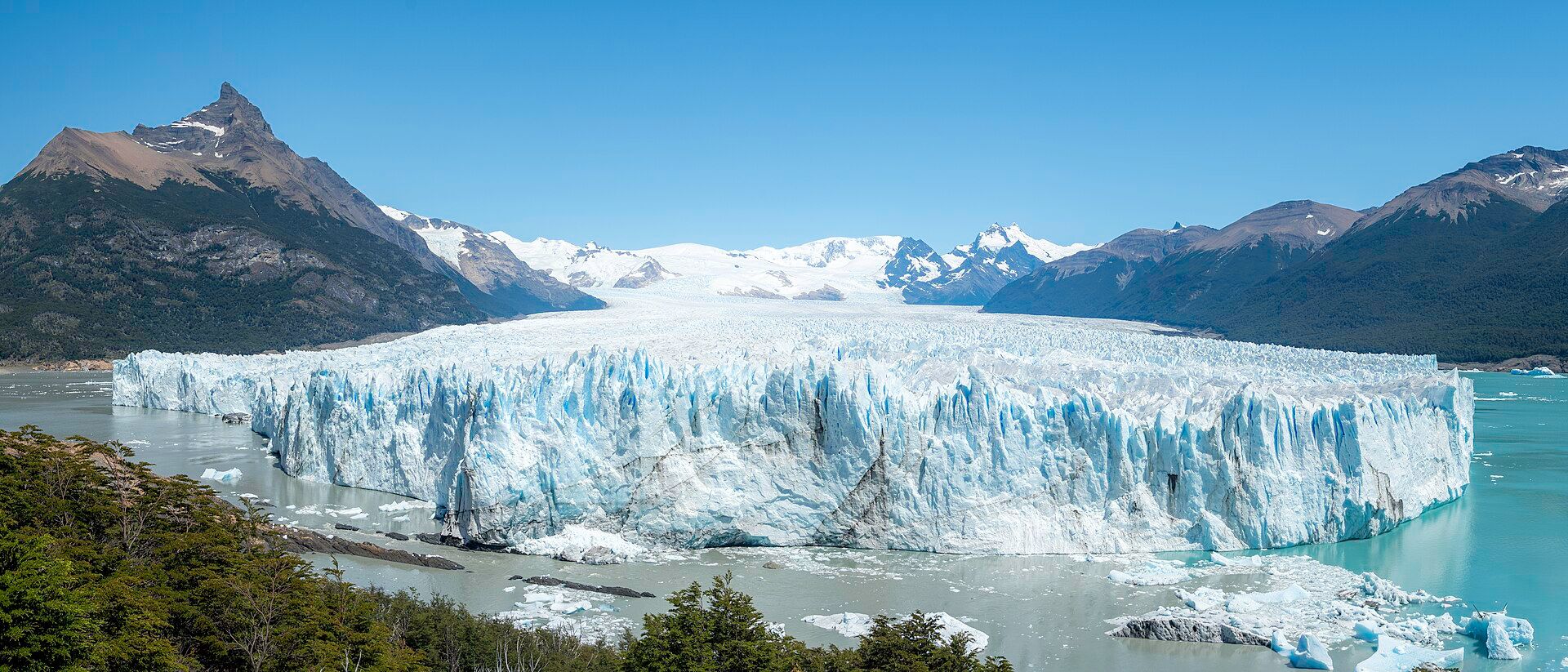
Perito Moreno Glacier
A vast, active glacier calving into a lake — rare among big glaciers for staying in balance.
-
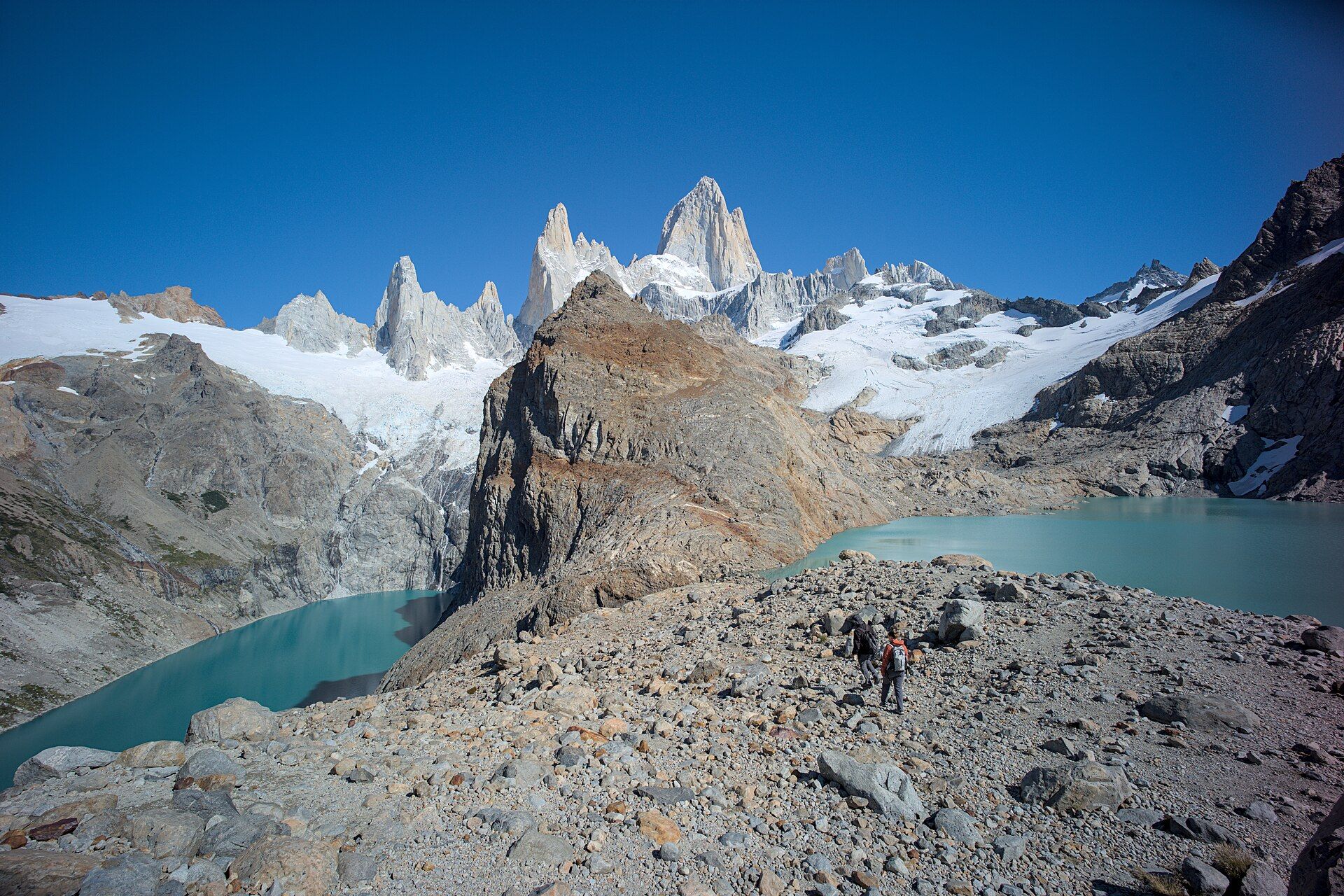
Mount Fitz Roy
A granite spire above El Chaltén — one of the hardest and most beautiful peaks on Earth.
-
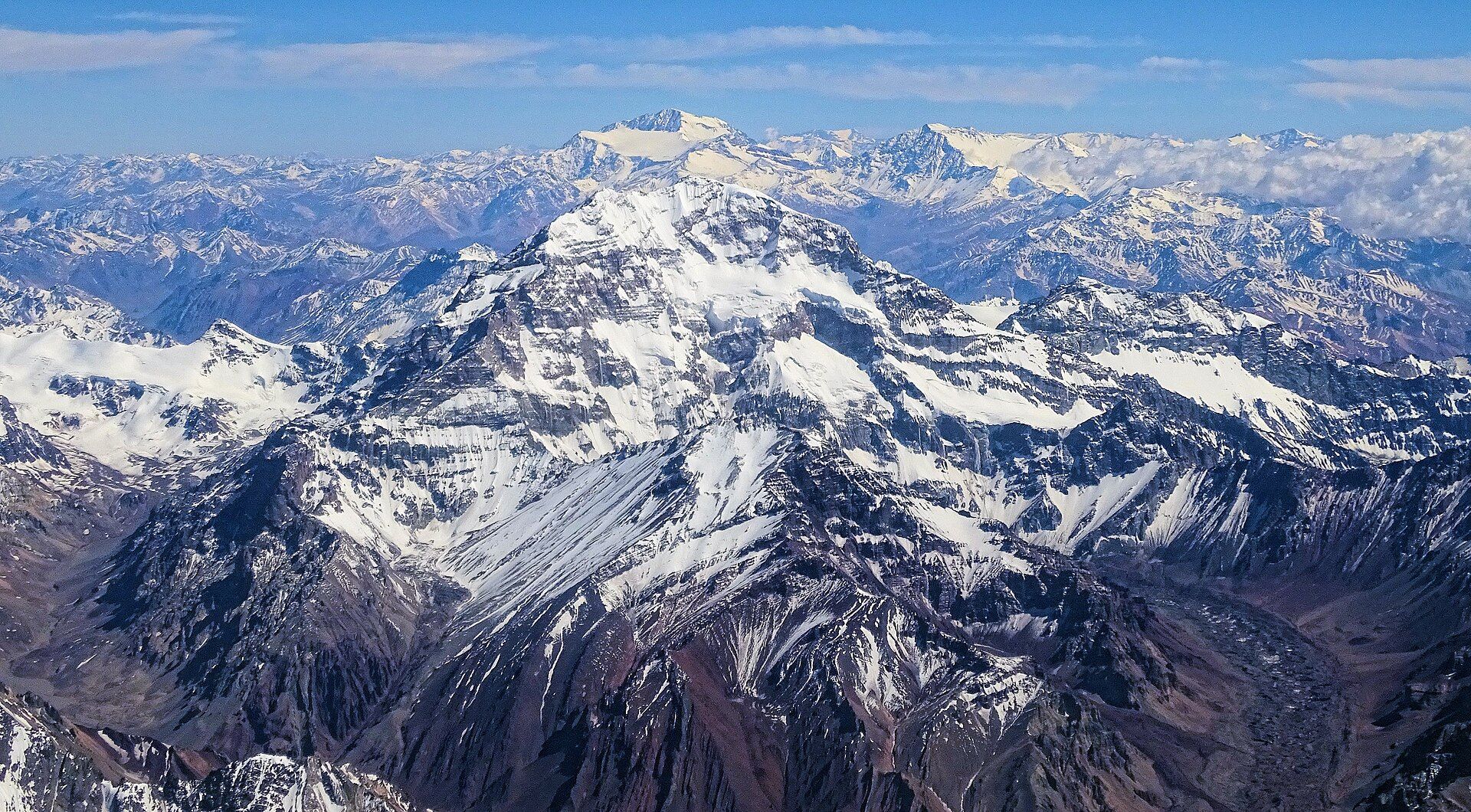
Aconcagua
The highest mountain in the Americas, and the most accessible of the Seven Summits.
-
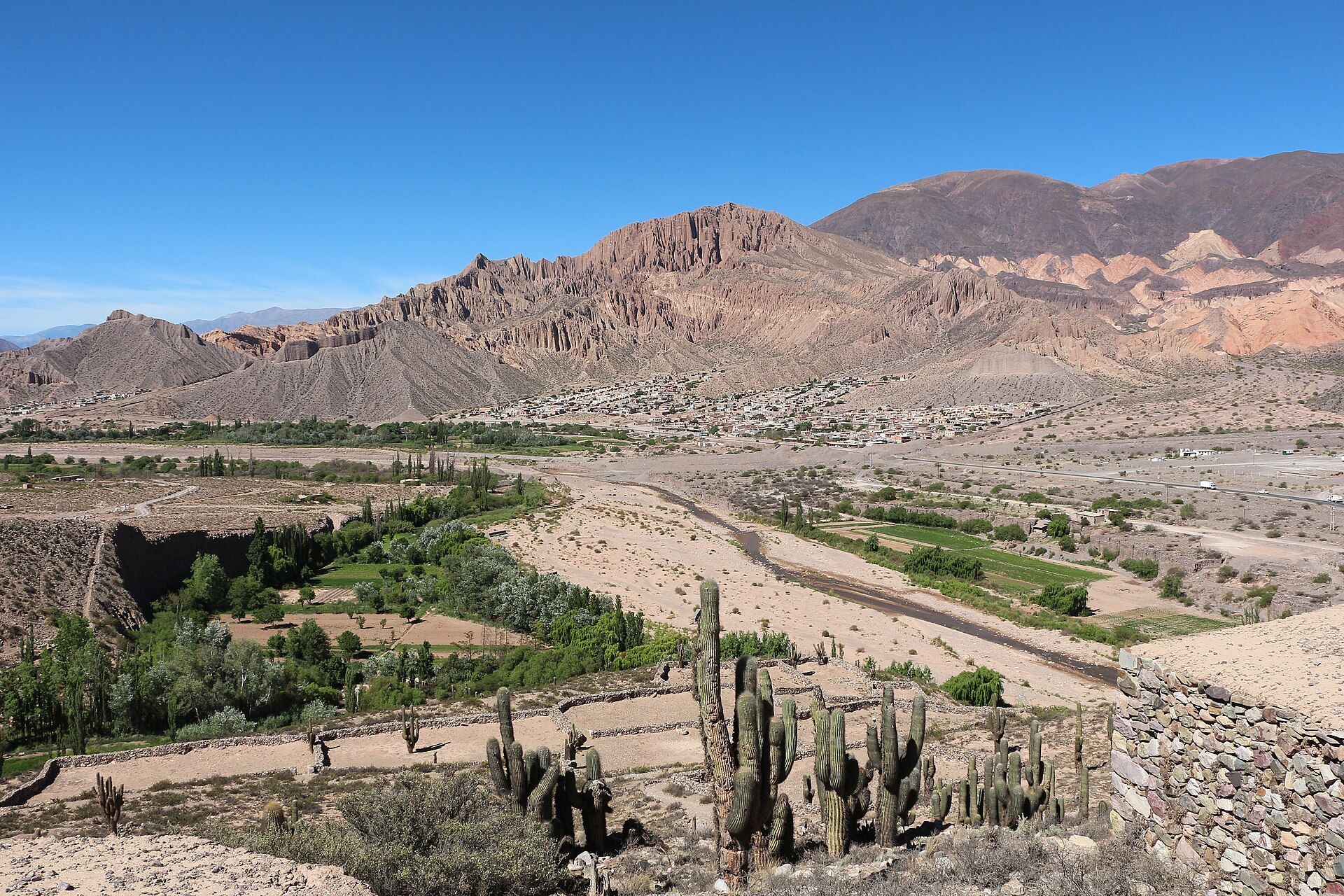
Quebrada de Humahuaca
A UNESCO valley of mineral-striped, many-coloured mountains in the Andean northwest.
-
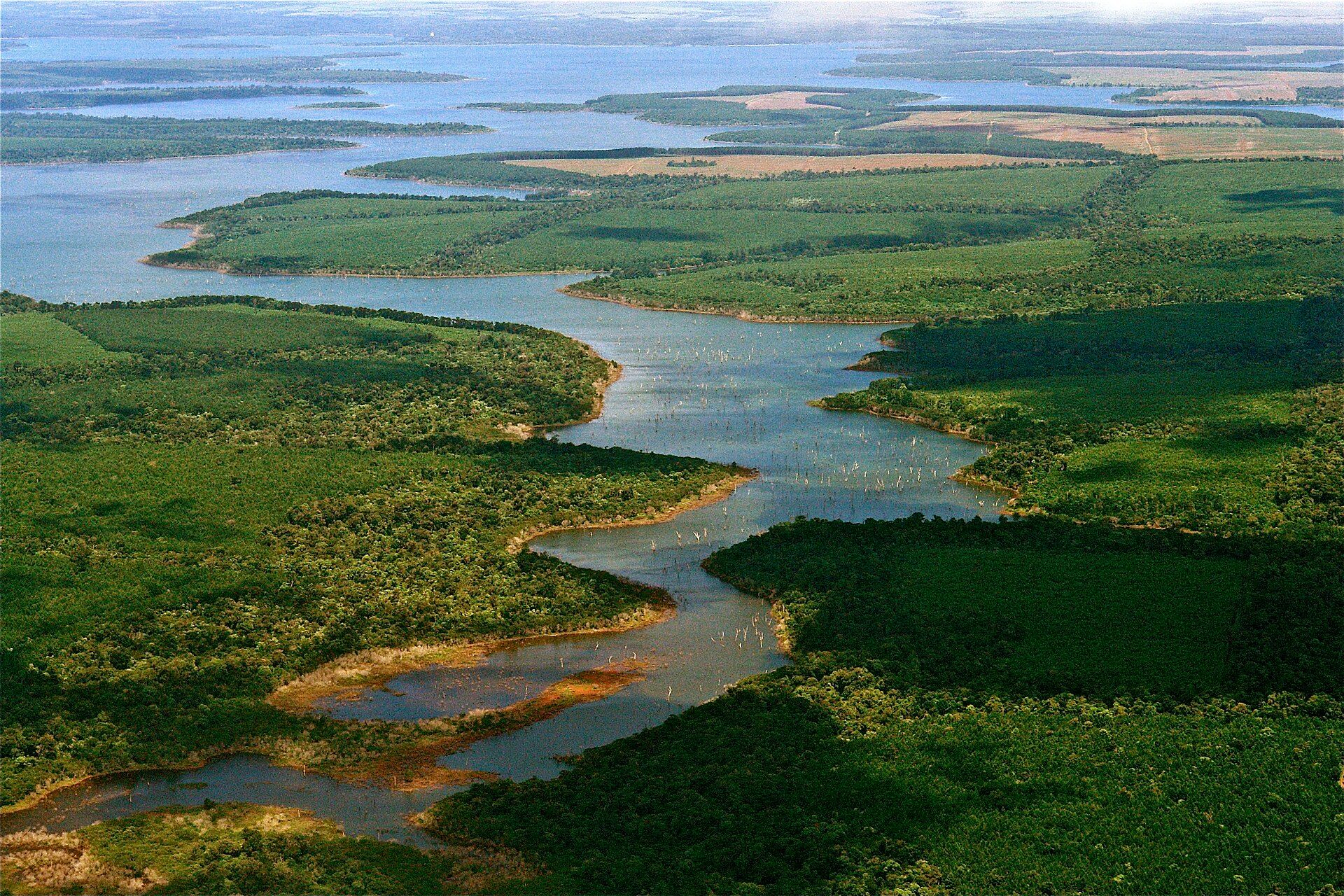
Esteros del Iberá
Vast wetlands teeming with wildlife, and the stage for the jaguar's return.
A taste of the place
Argentine food centres on the asado — the grilled-meat feast at the heart of the culture — and in Patagonia on lamb slow-roasted over open fire (cordero al palo) and king crab from the southern seas. Yerba mate, the shared bitter infusion, is a daily ritual nationwide, alongside Patagonian calafate berries and celebrated wines from further north.
Traveling responsibly
- Base in El Calafate for Perito Moreno; spend time on the boardwalks to catch the calving.
- Dress for strong Patagonian wind and fast weather swings, even in summer.
- Book glacier boat trips and ice treks with licensed operators in advance.
- Distances are long; internal flights save days in a country this size.
Argentina runs almost the length of South America, but for natural wonder its deep south — Patagonia — steals the show. Here the immense Southern Patagonian Ice Field, one of the largest ice masses outside the polar regions, spills dozens of glaciers toward the plains. The most celebrated is Perito Moreno, whose five-kilometre-wide face calves great blocks of ice into a lake with a sound like thunder, within the UNESCO-listed Los Glaciares National Park.
Remarkably, while most of the world’s great glaciers are retreating, Perito Moreno has stayed roughly in balance — making it not only spectacular but scientifically striking. This atlas begins Argentina’s chapter at the ice, with more of the country’s Patagonian steppe, Andean peaks, and northern forests to come.
Added Updated
All wonders in Argentina
6 places