Donsol Whale Shark Sanctuary
📍 Donsol, Sorsogon, Bicol Region
A quiet Bicol town whose plankton-rich bay draws seasonal gatherings of whale sharks — the world's largest fish — met on a strictly regulated, community-run, swim-alongside basis that pioneered ethical encounters in the Philippines.
What makes it marvelous
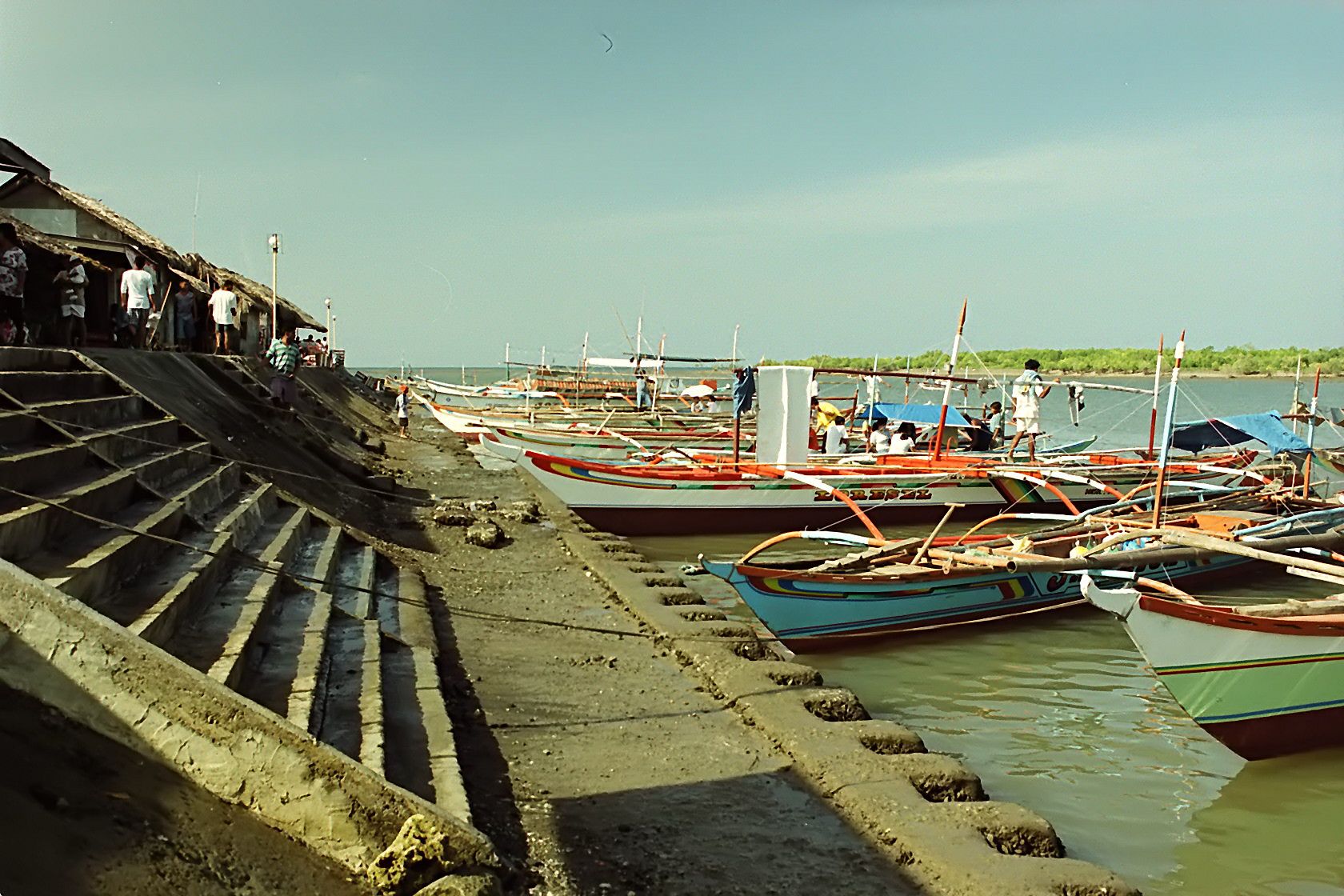
Each year, nutrient-rich waters where the Donsol River meets the sea bloom with plankton, and gentle whale sharks — locally 'butanding', reaching over 10 metres — arrive to feed. Donsol became a model for responsible interaction: no touching, no feeding, no riding, limited boats and swimmers per shark, and guided by trained Butanding Interaction Officers. It helped shift the Philippines away from exploitative shark tourism toward conservation.
Why visit
Snorkelling quietly alongside a bus-sized, spotted, utterly harmless fish is a humbling, unforgettable encounter — done here the right way. Evenings add a second wonder: firefly-lit mangroves along the river.
What to know before you go
🗓️ Best time
Roughly December to May, peaking February–April, when whale sharks reliably gather (sightings are wild and never guaranteed).
🧭 Getting there & access
About an hour from Legazpi/Sorsogon in Bicol. Interactions are booked only through the town's official Butanding Interaction Center, which enforces the rules and rotates boats.
Good to know
- Book only through the official interaction center; follow the no-touch rules strictly.
- Sightings are wild — allow a couple of days to improve your odds.
- Add the evening firefly river tour through the mangroves.
Plan your visit
Easy🧭 Getting there
From Legazpi (LGP), Albay
- Fly Manila → Legazpi — roughly 1h
- Road Legazpi → Donsol — about 1h–1h30
- Register at the Donsol Visitor Center, then boat out — interactions usually run through the morning
- Total travel
- Half a day from Manila
- Time at site
- Two days, so a blank morning does not end the trip
- Access
- Whale shark interactions are managed by the municipality through trained Butanding Interaction Officers, with boats, spotters and a registration fee arranged at the visitor centre. The rules are enforced and matter: snorkel only, no scuba, no touching, no flash, keep a set distance from the body and a larger one from the tail, and a limited number of swimmers in the water per shark at a time. The season runs roughly November to June with the best odds around February to May, and the fee structure is set locally — confirm at the visitor centre.
🎒 What to bring & consider
- Competent snorkelling and the ability to enter the water fast on the spotter's call — the shark does not wait, and hesitation is what makes people miss it
- A rashguard rather than sunscreen, since chemical sunscreen is discouraged around the animals and you will be in open water for hours
- Seasickness medication if you are unsure, because boats spend the morning circling and stopping in swell
- No flash on any camera, and no attempt to touch or ride — this ends interactions and gets boats sanctioned
- A second day in reserve: sightings are genuinely not guaranteed and blank mornings happen even in peak season
👁️ What to expect
- Crowds
- Boats are regulated in number, but in peak season several may work the same animal in sequence. Quieter at the season's edges, when sightings are also rarer.
- Conditions
- Warm, often murky plankton-rich water — the same plankton that brings the sharks is what limits visibility. Open-water snorkelling from a small boat.
- Facilities
- Visitor centre, briefing, gear rental and guesthouses in town. Legazpi has full services.
- The view
- A whale shark filling the frame in green water with a swimmer above for scale. Visibility here is nothing like the blue-water shots taken elsewhere, and that is the honest trade for an encounter that is wild and unfed rather than baited.
Times and requirements are approximate and change with season, weather, and local rules — confirm permits, fares, and schedules with operators before you travel.
Natural riches of the area
- Plankton-rich estuary where river meets sea
- Seasonal whale shark aggregation (the world's largest fish)
- Mangrove forests and firefly colonies
- Rich Bicol coastal fisheries
Local food
- Bicol Express & laing
- Chilli-and-coconut pork, and taro leaves in coconut milk — Bicol's fiery classics.
- Pili nuts
- Buttery native nuts from the Bicol region, roasted or candied.
- Fresh seafood
- Crab, prawns, and fish from Sorsogon's productive waters.
Donsol turned a lucky accident of oceanography into a conservation success story. Where the Donsol River pours nutrients into the sea, plankton blooms, and every year gentle whale sharks — the largest fish on Earth, and completely harmless — arrive to feed. Once, that might have meant exploitation. Instead, the town built a model of responsible tourism: strict rules, trained interaction officers, limited boats and swimmers, and absolutely no touching, feeding, or riding.
The result is one of the most humbling wildlife encounters anywhere — snorkelling quietly beside a spotted giant as it filters the sea, on the animal’s terms. Sightings are wild and never guaranteed, which is exactly as it should be. Come in the season, book through the official center, follow the rules, and cap the day with a firefly-lit boat ride through the mangroves.
Donsol Whale Shark Sanctuary: common questions
How do you get to Donsol Whale Shark Sanctuary?
From Legazpi (LGP), Albay: Fly Manila → Legazpi — roughly 1h; Road Legazpi → Donsol — about 1h–1h30; Register at the Donsol Visitor Center, then boat out — interactions usually run through the morning. Total travel time: Half a day from Manila.
When is the best time to visit Donsol Whale Shark Sanctuary?
Roughly December to May, peaking February–April, when whale sharks reliably gather (sightings are wild and never guaranteed).
How long should you spend at Donsol Whale Shark Sanctuary?
Two days, so a blank morning does not end the trip. Total travel time: Half a day from Manila.
What should you bring to Donsol Whale Shark Sanctuary?
Competent snorkelling and the ability to enter the water fast on the spotter's call — the shark does not wait, and hesitation is what makes people miss it A rashguard rather than sunscreen, since chemical sunscreen is discouraged around the animals and you will be in open water for hours Seasickness medication if you are unsure, because boats spend the morning circling and stopping in swell No flash on any camera, and no attempt to touch or ride — this ends interactions and gets boats sanctioned A second day in reserve: sightings are genuinely not guaranteed and blank mornings happen even in peak season
Do you need a permit or guide for Donsol Whale Shark Sanctuary?
Whale shark interactions are managed by the municipality through trained Butanding Interaction Officers, with boats, spotters and a registration fee arranged at the visitor centre. The rules are enforced and matter: snorkel only, no scuba, no touching, no flash, keep a set distance from the body and a larger one from the tail, and a limited number of swimmers in the water per shark at a time. The season runs roughly November to June with the best odds around February to May, and the fee structure is set locally — confirm at the visitor centre.
Is Donsol Whale Shark Sanctuary crowded, and what are conditions like?
Boats are regulated in number, but in peak season several may work the same animal in sequence. Quieter at the season's edges, when sightings are also rarer. Warm, often murky plankton-rich water — the same plankton that brings the sharks is what limits visibility. Open-water snorkelling from a small boat. Facilities: Visitor centre, briefing, gear rental and guesthouses in town. Legazpi has full services.
Added Updated
More wonders to explore
Sohoton Cove & Jellyfish Sanctuary
Bucas Grande, Surigao del Norte, Mindanao, Philippines
Komodo National Park
Lesser Sunda Islands, East Nusa Tenggara, Indonesia