Head to head · Cape Town's two great headlands of the same national park
Table Mountain vs Cape of Good Hope: Which Should You Do from Cape Town?
Table Mountain and the Cape of Good Hope are both in Table Mountain National Park and both in the Cape Floral Region World Heritage Site — the mountain at one end of the Cape Peninsula, above central Cape Town, and the headland at the other. Most visitors want both; with limited days, the questions are which comes first and how the weather decides it.
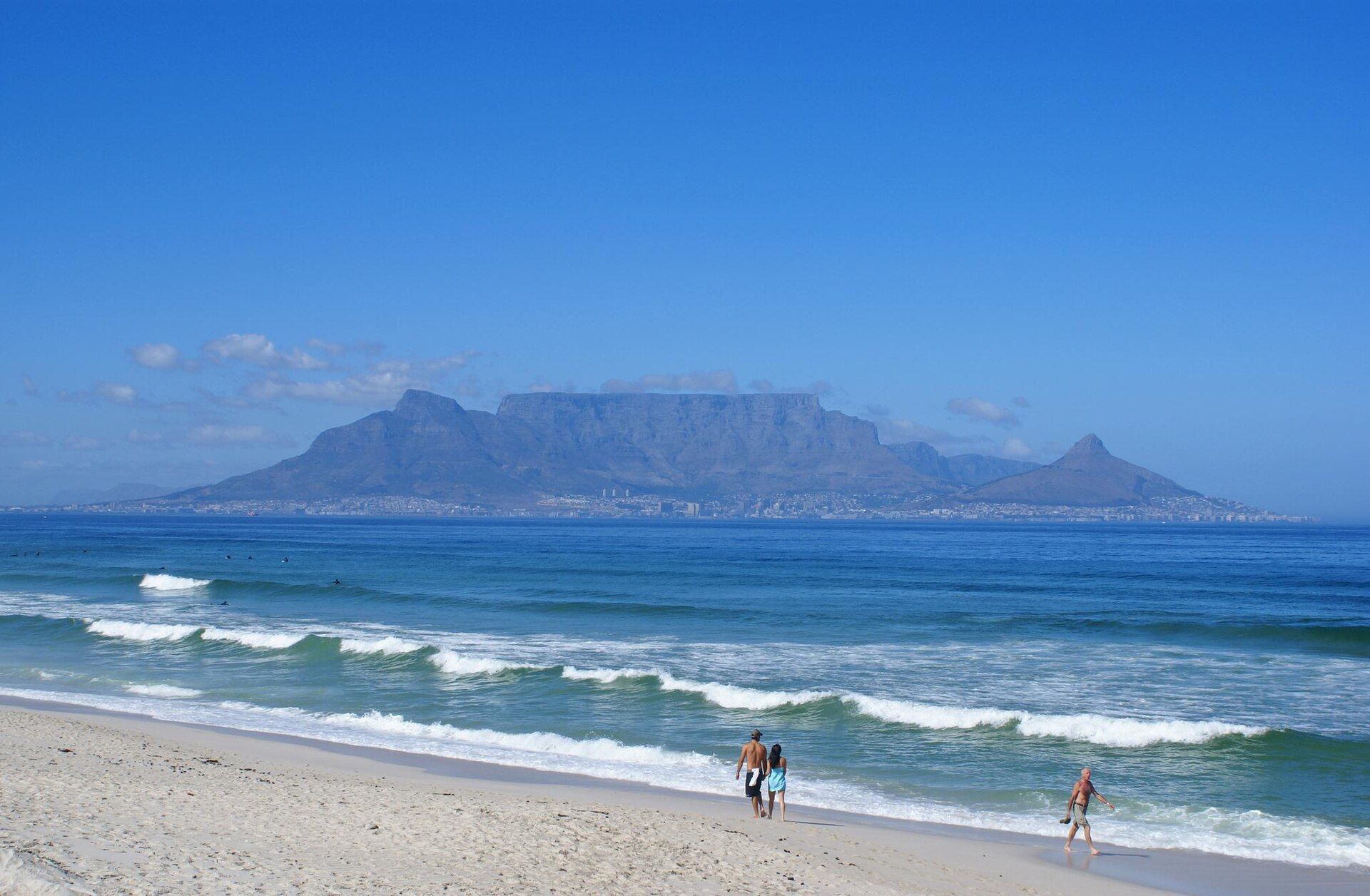
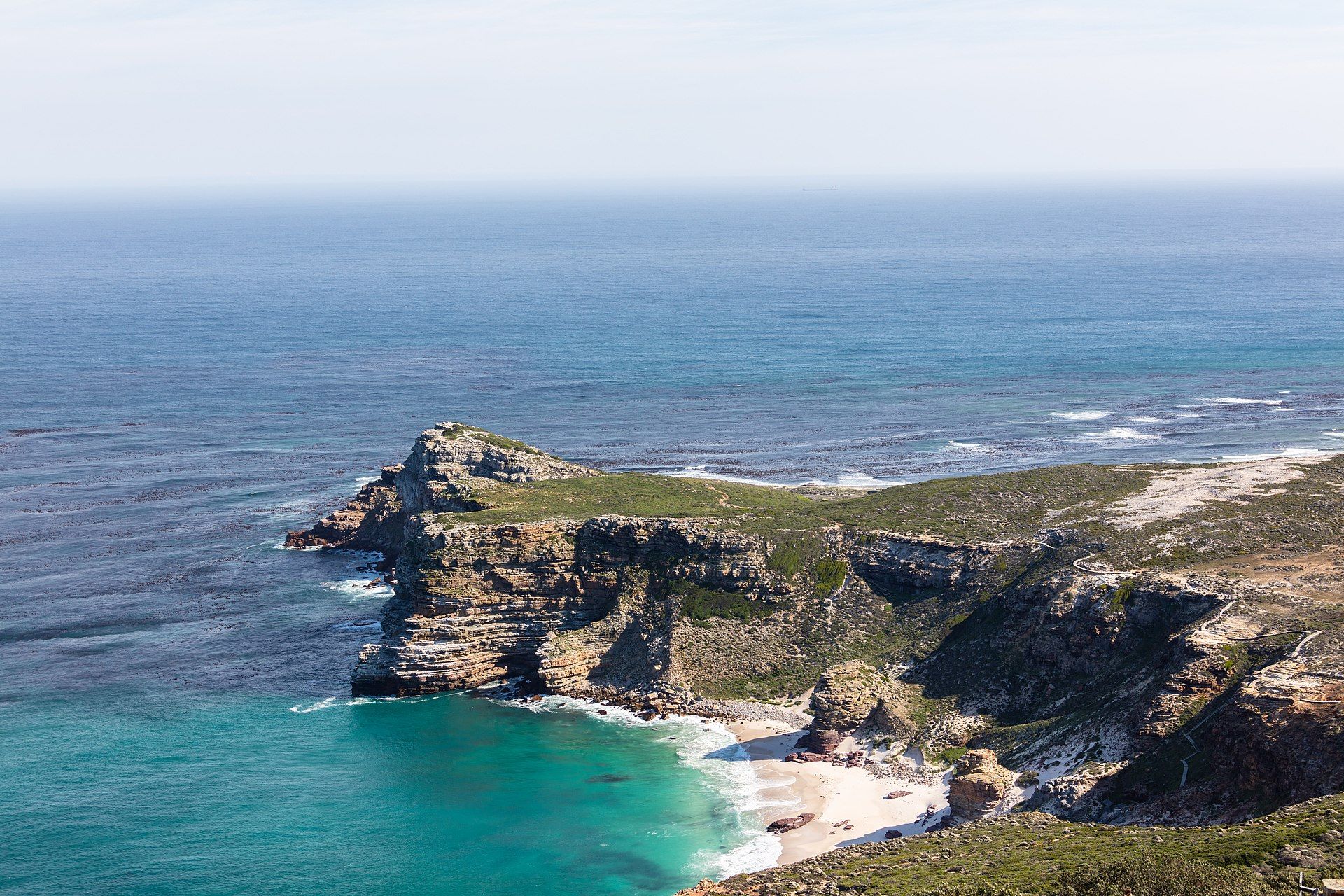
Table Mountain is a ~1,086-metre flat-topped sandstone massif reached by a rotating cableway 15–25 minutes from the city centre, or on foot up Platteklip Gorge. The Cape of Good Hope is a wild, windswept reserve about 60–75 minutes' drive away, with ~250-metre sea cliffs at Cape Point, fynbos and surf — the most south-western point of Africa, though not its southernmost.
Table Mountain
The flat-topped massif above the city
The sheer-sided landmark over Cape Town, often draped in its 'tablecloth' of cloud. The Table Mountain Aerial Cableway is the easy way up — but it stops in high wind and for maintenance, with little notice. Platteklip Gorge is the direct hiking route: a relentless stone staircase of about 2–3 hours with no shade or water. A café, shop and toilets at the summit station.
- Well under an hour from central Cape Town
- Views over the city, the Atlantic and the peninsula
- Two to four hours on top is enough
Cape of Good Hope
Wild cliffs at the end of the peninsula
The headland at the tip of the Cape Peninsula: soaring sea cliffs, wind-blasted fynbos and crashing surf. Drive in via Chapman's Peak or the M3; the gate charges a conservation fee, and at Cape Point you walk or take the separate-ticket funicular to the old lighthouse. Watch for baboons, and fill up first — there is little fuel near the reserve.
- Cape Point cliffs and the old lighthouse
- Fynbos, beaches and whales offshore roughly June–November
- Pairs with a full day of peninsula stops
Head to head
| What matters | Table Mountain | Cape of Good Hope |
|---|---|---|
| Getting there Edge: Table Mountain | 15–25 minutes from the city centre to the Lower Cableway Station. | About 60–75 minutes each way by car, tour or bicycle; no rail to the point. |
| Time needed Edge: Table Mountain | Two to four hours on top, plus the cableway or a 2–3 hour climb. | Half a day, or a full day with peninsula stops. |
| Effort Edge: Cape of Good Hope | Easy by cableway; the Platteklip Gorge hike is steep, shadeless and dry. | Easy: short walks or the funicular from the Cape Point car park. |
| Weather risk Edge: Cape of Good Hope | High: wind closes the cableway, and when the tablecloth cloud drops, the view is gone and the descent on foot is hazardous. | Very windy on the exposed point, but the cliffs and coast are still worth it on a breezy day. |
| Best months Edge: Toss-up | Roughly February–May and September–November for clear, calmer summits. | September–November for wildflowers and calmer winds; summer is warm but often very windy. |
| Wildlife Edge: Cape of Good Hope | Mostly about the plants — the summit is the heart of a unique floral kingdom. | Baboons on the roads and car parks; whales offshore roughly June–November. |
| Crowds Edge: Toss-up | Busy at the cable station and summit railings midday, especially in summer; trails thin out fast. | Cape Point busy midday with tour buses; early and late are quieter. |
Which should you choose?
Choose Table Mountain if…
…you have a few hours in Cape Town, the summit is clear and the cableway is running — or you want a hard morning hike straight from the city.
Choose Cape of Good Hope if…
…you have a full day and a car, want wild coast, cliffs and fynbos, or the mountain is under its tablecloth that day.
The honest verdict
Do Table Mountain on the first clear, calm day — it is under an hour away but its view and its cableway depend entirely on the weather, so don't save it for your last day.
Give the Cape of Good Hope a full day with a car: Chapman's Peak on the way down the peninsula, the reserve and Cape Point, and stops on the way back. It works in weather that would shut the mountain.
Check the cableway's live status before setting out (and before relying on it to come down), carry a windproof layer for both, and secure food from the peninsula's baboons.
Wonders mentioned here
Added