Head to head · Sicily's two active volcanoes
Stromboli vs Etna: Which Sicilian Volcano Should You Visit?
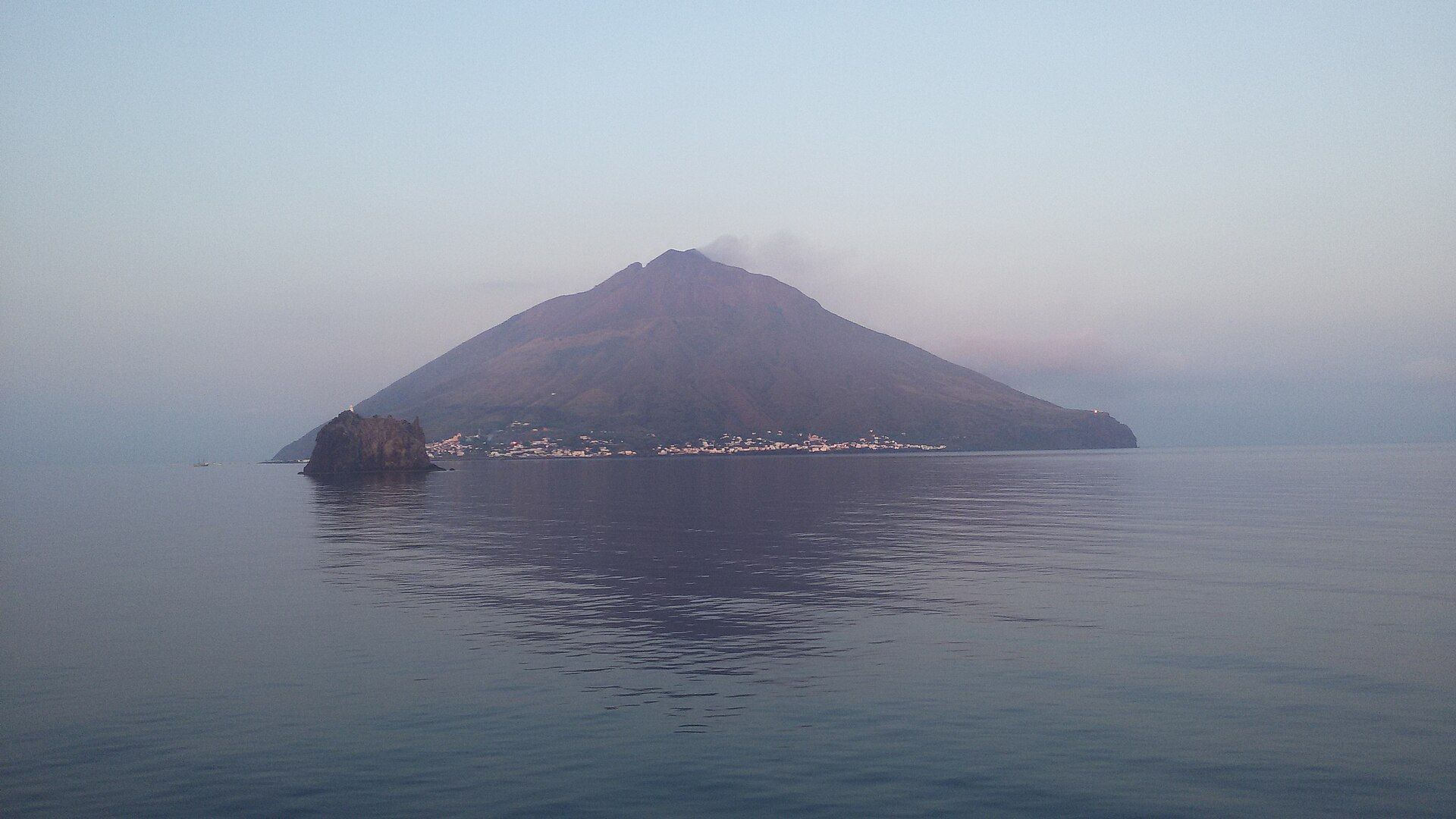
Stromboli and Etna are the two famous active volcanoes of Sicily and its islands, one off Sicily's north coast and one on the island itself, and both are World Heritage Sites. They offer very different experiences. Stromboli is a small island cone in the Aeolian archipelago, reached only by sea, that has been erupting in small bursts for at least 2,000 years. Etna is a huge mountain rising above Catania, with a road, a cable car and 4x4 tracks high up its south side.
On both, how close you can get depends on what the volcano is doing. Access to Stromboli's slopes is set by ordinances of the Comune di Lipari, and Etna's summit craters can be reached only with authorised guides, inside a boundary that moves with activity. So the choice is less about which is safer and more about which experience you want, and how much time you have.
Stromboli
A small island cone that erupts several times an hour
Stromboli rises to 924 metres at I Vancori from a base about 1,500 metres below the sea, and its island covers 12.5 km². Explosions from the summit craters average three to seven an hour, throwing gas and glowing lava 100 to 200 metres up. This is the textbook 'Strombolian' eruption, and the reason the Aeolian Islands became a World Heritage Site in 2000. Lava flows run down the Sciara del Fuoco, a collapse scar on the north-west flank, into the sea.
- Near-continuous explosions, visible after dark from the permitted slopes or a boat
- A small island with no airport, reached only by hydrofoil or ferry
- Boat trips past the Sciara del Fuoco at night
Etna
Europe's great active volcano, with a road and cable car up its flank
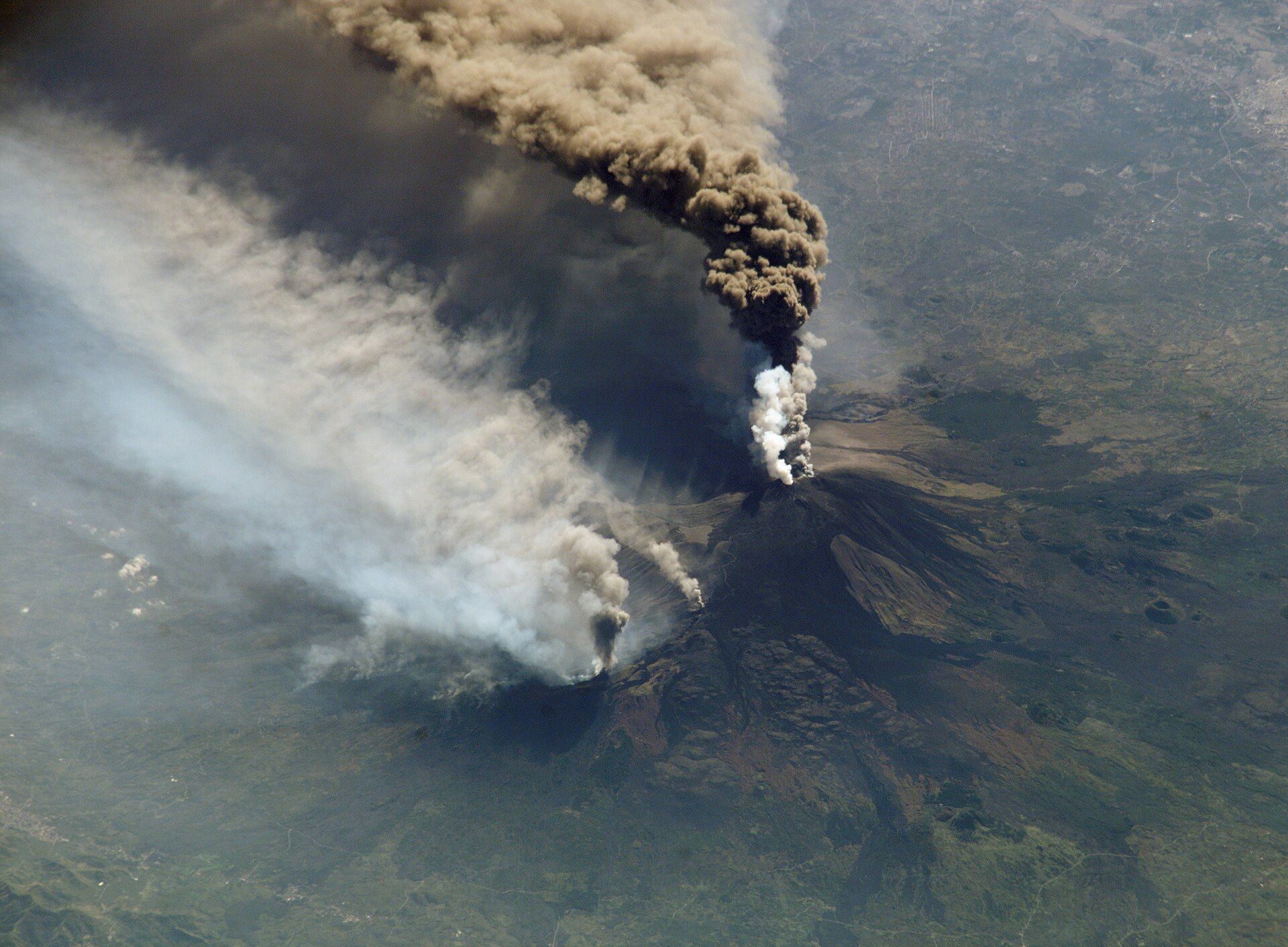
Etna is the highest mountain on any Mediterranean island, and UNESCO calls it the most active stratovolcano in the world. Its eruptive history goes back about 500,000 years, with at least 2,700 years of it recorded by people, and 19,237 hectares of its upper slopes were inscribed as a World Heritage Site in 2013. A road runs from Catania to Rifugio Sapienza, and from there a cable car and 4x4 track climb to about 2,900 metres.
- Lava fields, old craters and summit views reachable in half a day from Catania
- Guided ascents to the summit craters when activity allows
- Etna DOC wineries and Bronte pistachios on the fertile lower slopes
Head to head
| What matters | Stromboli | Etna |
|---|---|---|
| The eruptions Edge: Stromboli | Small explosions several times an hour, nearly every day. Larger blasts happen without obvious warning, as in 2019, when INGV recorded paroxysms on 3 July and 28 August. | Continuously active, but its eruptions come in episodes. When it is active you may see night glow from Taormina or the Valle del Bove. Between episodes you may see only steaming craters. |
| How close you can get Edge: Etna | Under the Comune di Lipari ordinance of May 2025, walkers could climb freely to 290 metres on the village side, and to 400 metres with authorised guides. The crater area was closed. Limits change with the alert level. | The Sapienza area and lower slopes are freely accessible. Above roughly 2,900 metres you must be with an authorised alpine or volcanological guide, and that boundary moves with the volcano's behaviour. |
| Getting there Edge: Etna | Fly to Catania or Palermo, travel to Milazzo, then take a hydrofoil or ferry, which usually calls at other Aeolian Islands. Allow a full travel day. Crossings can be cancelled in rough seas. | Fly to Catania, then drive or take a bus to Rifugio Sapienza, roughly 1h–1h30. You can be at the cable car in under two hours from the city. |
| Time needed Edge: Etna | Two or three nights, to allow for a guided evening hike, a boat trip past the Sciara del Fuoco and delays caused by the weather or sea. | Half a day for the Sapienza craters and cable car, or a full day with a guided ascent. |
| Conditions on the mountain Edge: Toss-up | Steep paths on loose volcanic sand and scoria with little shade. Cooler in spring and autumn than in midsummer. | Cold, windy and blown with ash above the treeline, and snow-covered in winter, when the upper slopes are used for skiing. Bring layers even when Catania is hot. |
| Beyond the volcano Edge: Toss-up | Swimming, the other Aeolian Islands by boat, and Malvasia wine and capers from the archipelago. | Wineries, orchards and villages on the lower slopes, Taormina, and the rest of eastern Sicily within easy reach. |
Which should you choose?
Choose Stromboli if…
…you want to watch a volcano actually erupting at night, can give it two or three nights, and like the idea of a small island reached only by sea.
Choose Etna if…
…you have a day or less, are based in eastern Sicily, want to walk on lava fields and craters at altitude, or want to combine a volcano with a wine tour.
The honest verdict
If seeing eruptions is the point, choose Stromboli. Its explosions happen several times an hour, nearly every day, which is about as reliable as volcanoes get, though larger blasts can happen without warning. In return you give it several days, and your plans depend on the sea crossing and the current ordinance.
Choose Etna if you have limited time or want a high-mountain landscape. You can reach its craters in half a day from Catania, and the wineries and villages make it an easy day trip. Whether you see glowing lava depends on what the volcano is doing that week.
With a week in Sicily, you can do both: Etna as a day trip from Catania or Taormina, then Milazzo and the boat to Stromboli. Before you go, check the INGV bulletins for each volcano and the latest Comune di Lipari ordinance, and keep your plans flexible on both.
Wonders mentioned here
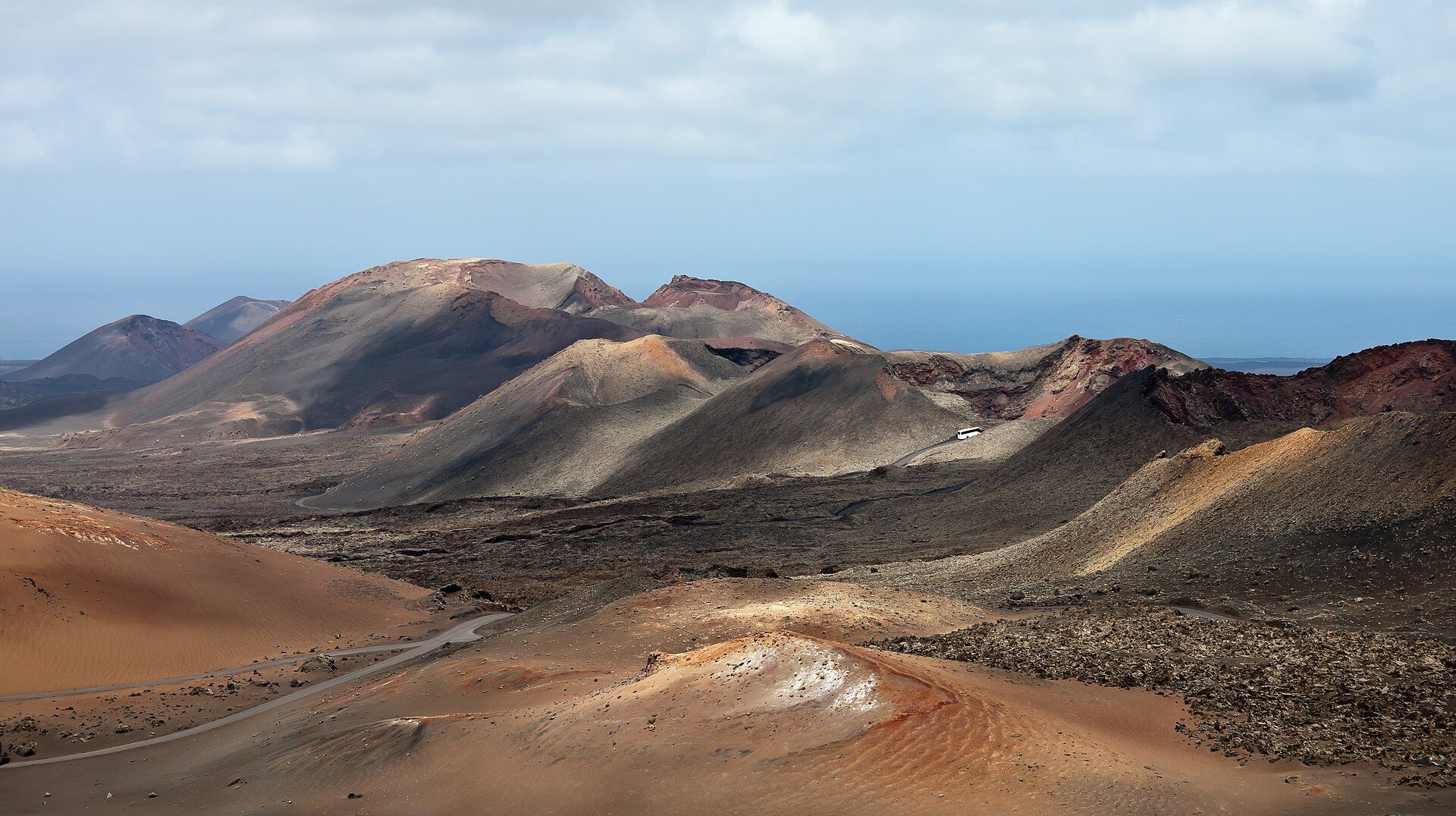
Timanfaya National Park
South-west Lanzarote, Canary Islands, Spain, in the municipalities of Yaiza and Tinajo
Added