Head to head · The great wetland vs the great forest
Pantanal vs Amazon: Which Is Better for Wildlife in Brazil?
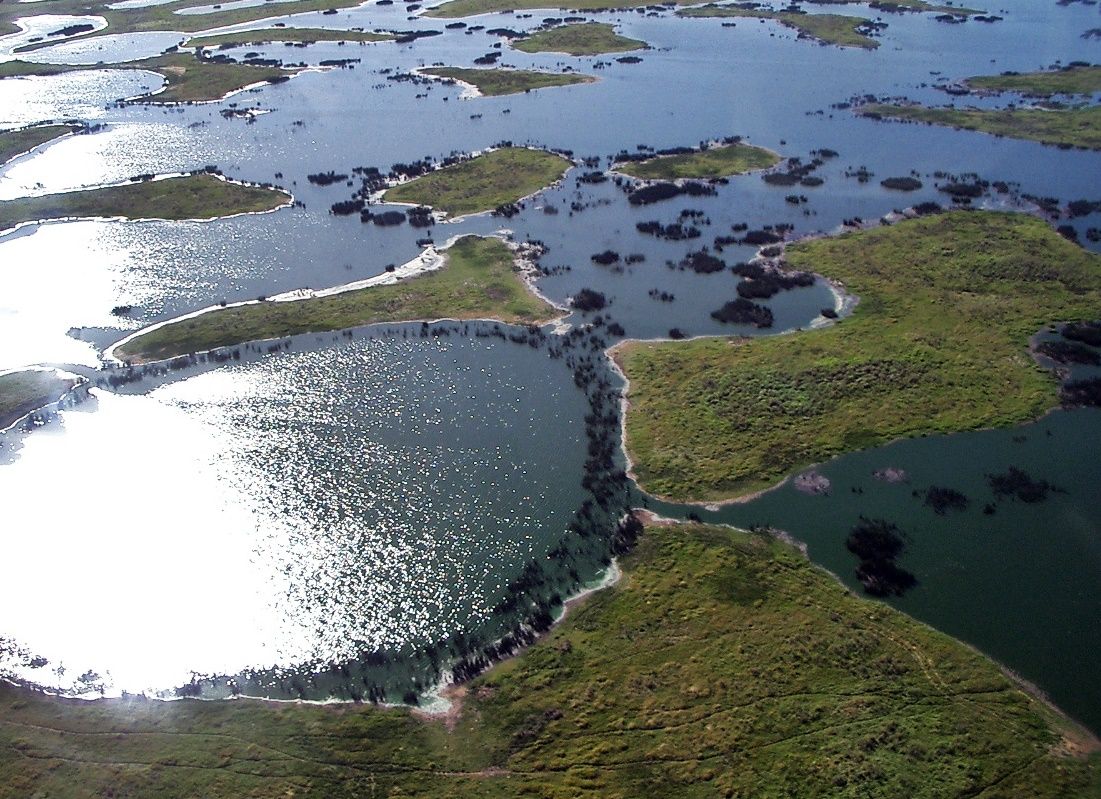
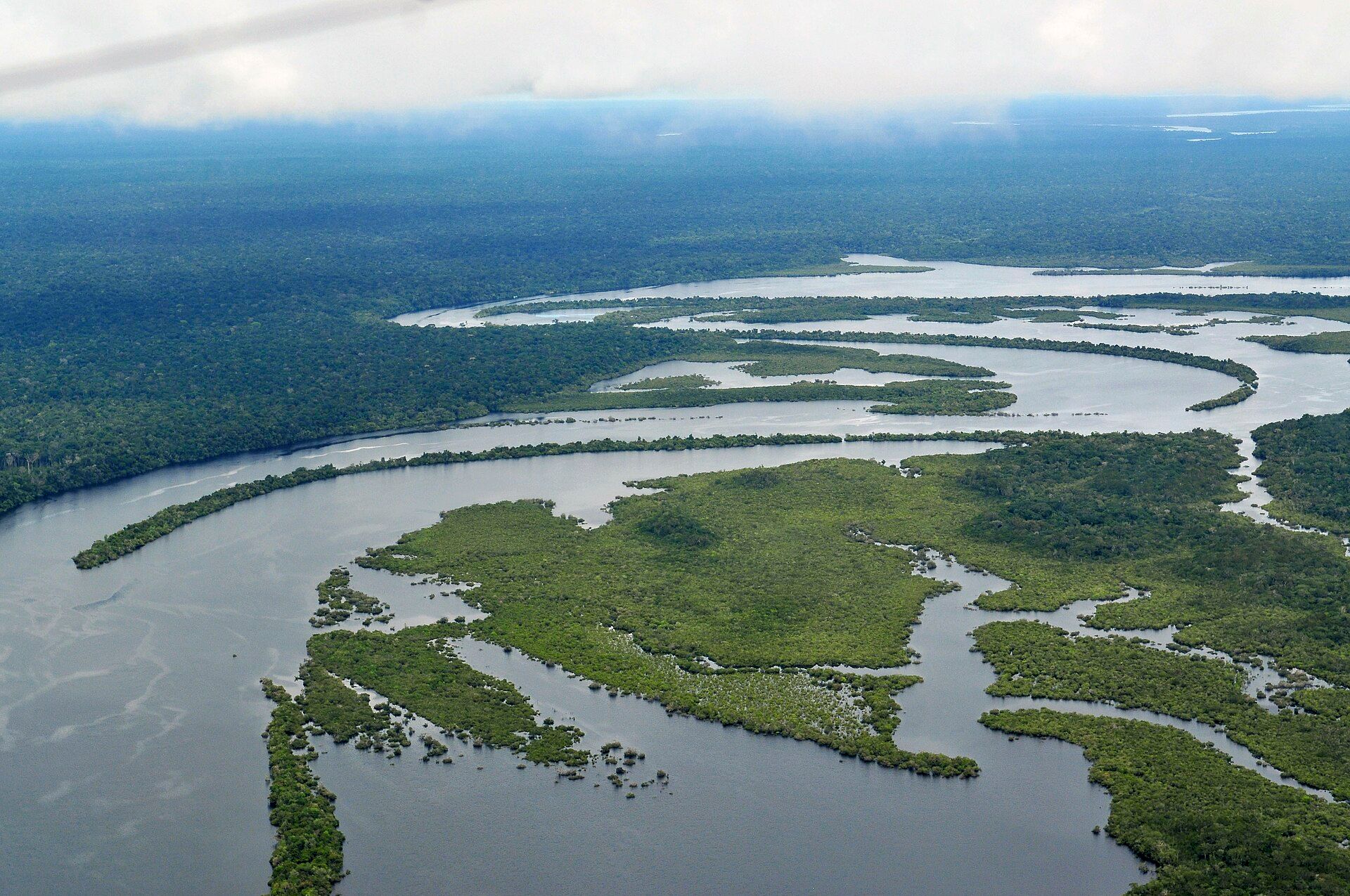
The Pantanal and the Amazon are Brazil's two big wildlife destinations, and people often assume the Amazon is the better one for animals. For seeing animals, it usually isn't. The Pantanal, the world's largest tropical wetland at some 150,000–200,000 square kilometres, has open vegetation, so wildlife is easy to see — and it holds the highest density of jaguars anywhere. The Amazon, the largest rainforest on Earth at roughly 5.5 million square kilometres, holds perhaps one in ten of all known species, but most of them are hidden in dense forest.
They suit different trips. The Pantanal is a wildlife safari: boats and vehicles from lodges, with jaguar viewing on the rivers around Porto Jofre in the dry season, roughly June to October. The Amazon is a forest and river experience: riverboats and lodges from Manaus, walks with guides, and in the high-water season, boats gliding among flooded trees.
Pantanal
Open wetland and the best jaguar viewing on Earth
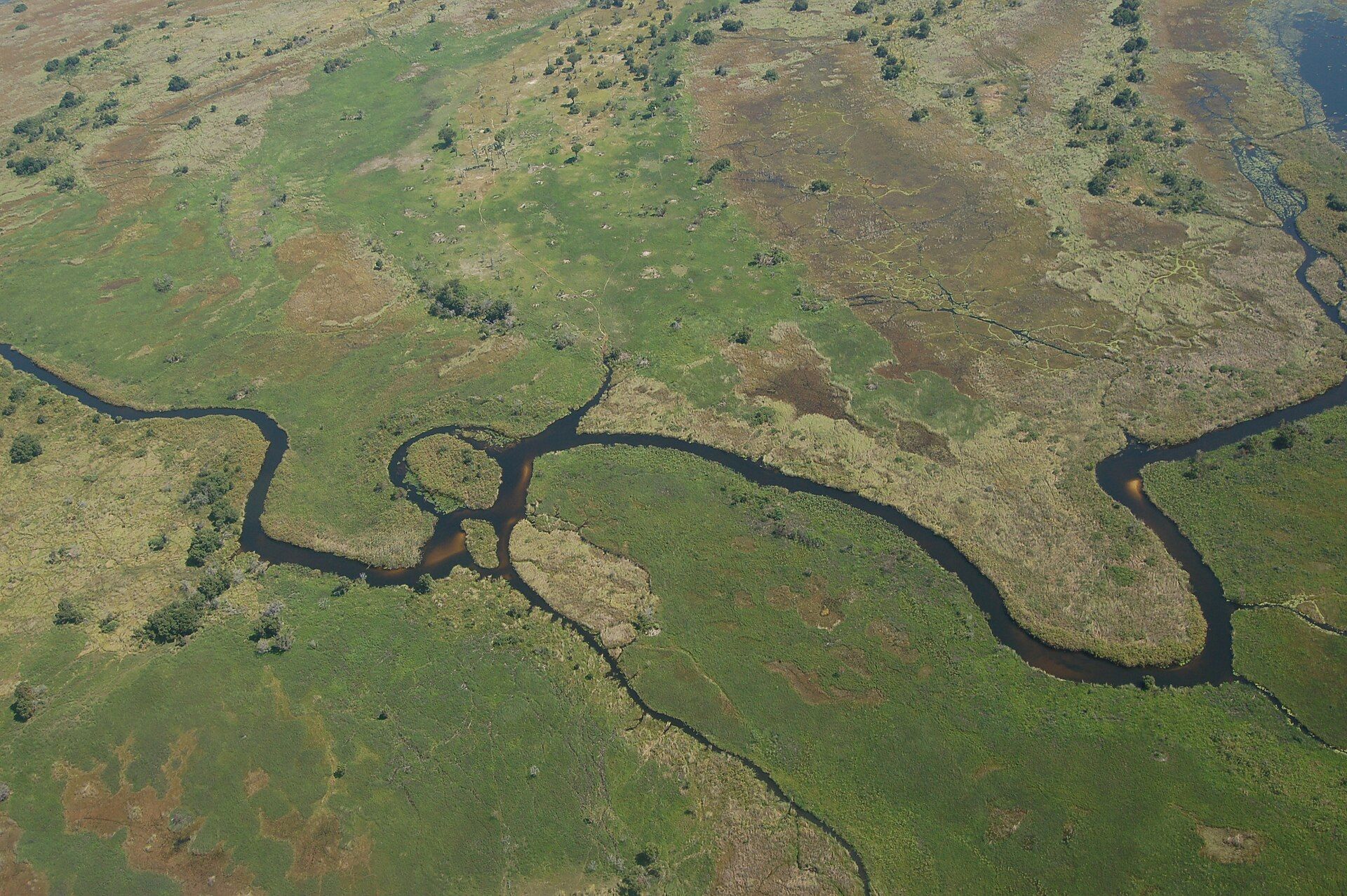
A seasonal floodplain mostly in Brazil, where each dry season concentrates animals along the rivers and pools: jaguars, giant otters, tapirs, anteaters, hyacinth macaws, jabiru storks, caimans and capybaras. It is a UNESCO World Heritage Site (Pantanal Conservation Area), though most of it is private ranch land with lodges.
- Jaguars from boats around Porto Jofre, June–October
- Easy, open-country wildlife viewing
- Caimans, capybaras, giant otters and huge numbers of birds
Amazon
The largest rainforest on Earth
A continent-spanning forest threaded by the Amazon River, which carries more water than the next several largest rivers combined. Each year the floodplain forest floods, creating igapó forest where fish swim among the trees. From Manaus, the Meeting of the Waters — where the Rio Negro joins the Amazon — is the classic first sight.
- The scale and atmosphere of the rainforest itself
- Riverboat travel and flooded-forest canoeing
- Remote lodges a few hours upriver from Manaus
Head to head
| What matters | Pantanal | Amazon |
|---|---|---|
| Seeing wildlife Edge: Pantanal | The best in South America: open vegetation, and in the dry season animals gather along the water. | Enormous diversity, but dense forest makes most animals hard to see; guided walks and boats help. |
| Jaguars Edge: Pantanal | The highest density of jaguars anywhere; boat-based sightings near Porto Jofre peak in the dry season. | The forest is far denser than the open Pantanal, so big cats are much harder to see. |
| Best time Edge: Amazon | The dry season, roughly June–October. In the wet months much of the region floods and the road becomes impassable. | Two different trips: high water (roughly December–May) for boating among the trees; low water (roughly June–November) for beaches, forest hikes and wildlife spotting. |
| Getting there Edge: Toss-up | Fly to Cuiabá (CGB) for the northern Pantanal and the Transpantaneira road, or Campo Grande (CGR) for the south — most of a day from São Paulo. | Fly to Manaus (MAO); Iquitos and Puerto Maldonado are the other common gateways. |
| Time needed Edge: Toss-up | Four to six days; jaguar trips base themselves at Porto Jofre. | Four nights at least, to get beyond the day-trip area around Manaus. |
| Conditions Edge: Toss-up | Hours in open boats and vehicles, with extreme sun, heat and insects; the road is rough. | Hot, humid and buggy, with sudden downpours; small boats and walks on soft, often flooded ground. |
| Crowds Edge: Toss-up | Low overall, though boats converge on a jaguar sighting. | Day trips near Manaus are busy; a few hours upriver you may see nobody. |
Which should you choose?
Choose Pantanal if…
…your priority is seeing animals — above all jaguars — and you can travel between June and October.
Choose Amazon if…
…you want the rainforest itself: river journeys, flooded forest, remote lodges and the sense of scale, at any time of year.
The honest verdict
For wildlife, and especially for jaguars, choose the Pantanal in the dry season (roughly June–October). It is the easier place to see animals in South America.
For the experience of the rainforest — the river, the flooded forest and the scale of it — choose the Amazon. It is a year-round destination, though high and low water make it two different trips.
Both are lodge-based: access is arranged through your lodge or a licensed operator. With a week or more in the dry season, the two can be combined in one Brazil trip.
Wonders mentioned here
Added