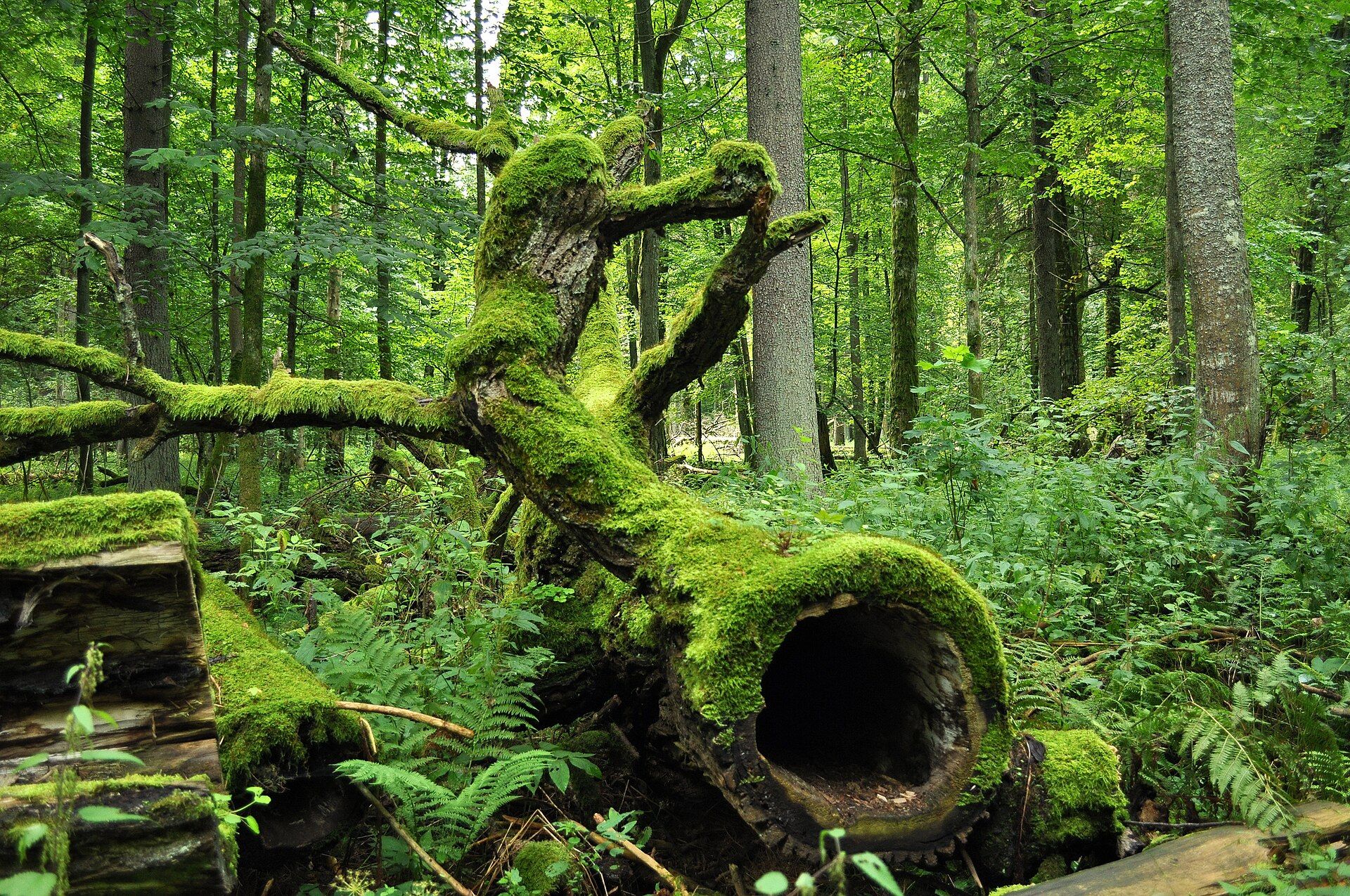
The Amazon Rainforest
📍 Amazon Basin, Brazil (and neighbouring countries)
The largest tropical rainforest on Earth — a continent-spanning sea of green threaded by the mighty Amazon River, holding a staggering share of the planet's species and helping regulate the world's climate.
What makes it marvelous
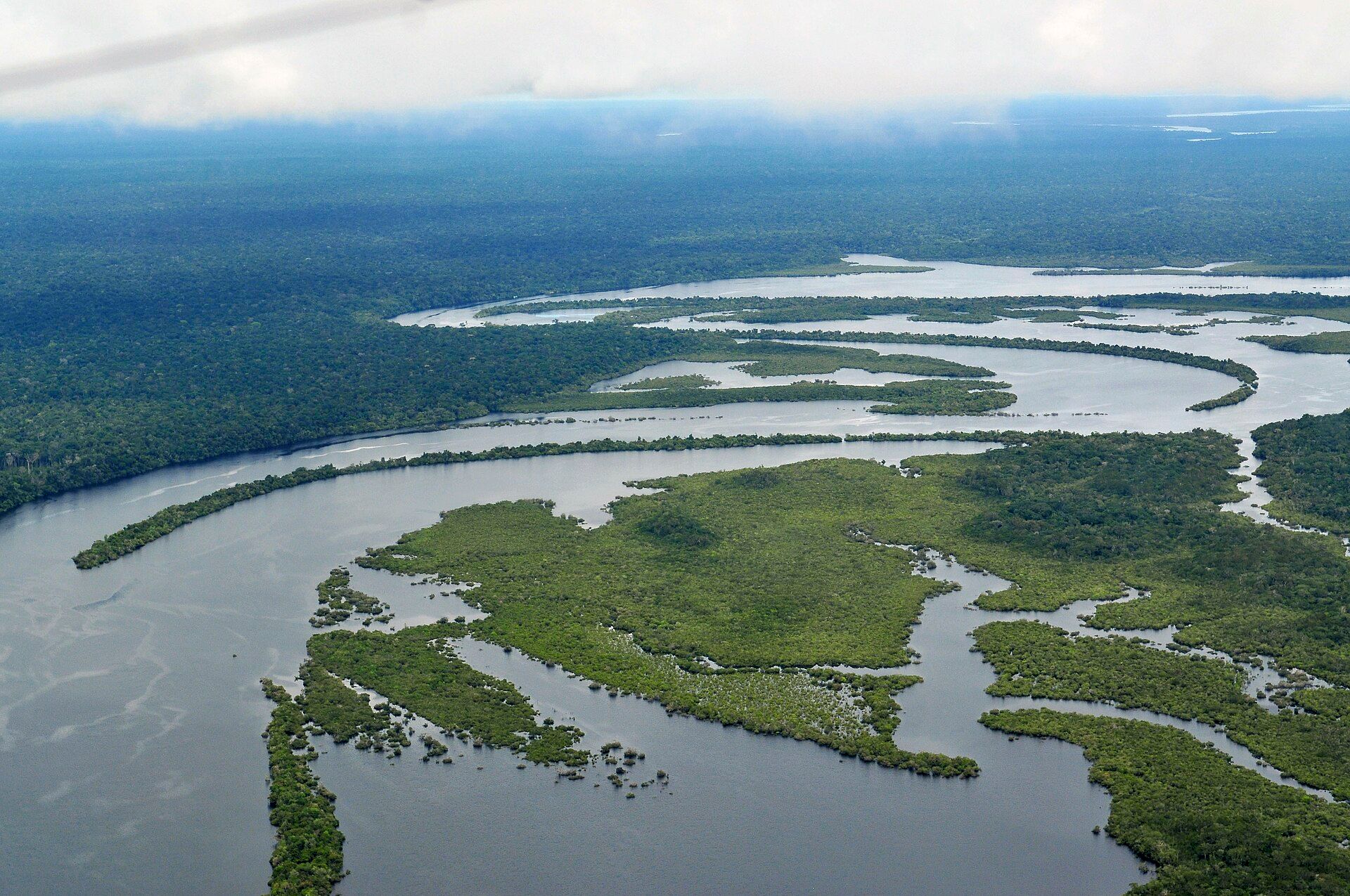
The Amazon covers roughly 5.5 million square kilometres, most of it in Brazil, and is home to perhaps one in ten of all known species on Earth — countless still undescribed. The Amazon River carries more water than the next several largest rivers combined, and each year a vast area of floodplain forest is inundated, creating unique flooded 'igapó' ecosystems where fish swim among the treetops. The forest cycles enormous amounts of water and carbon, earning its role in the planet's climate.
Why visit
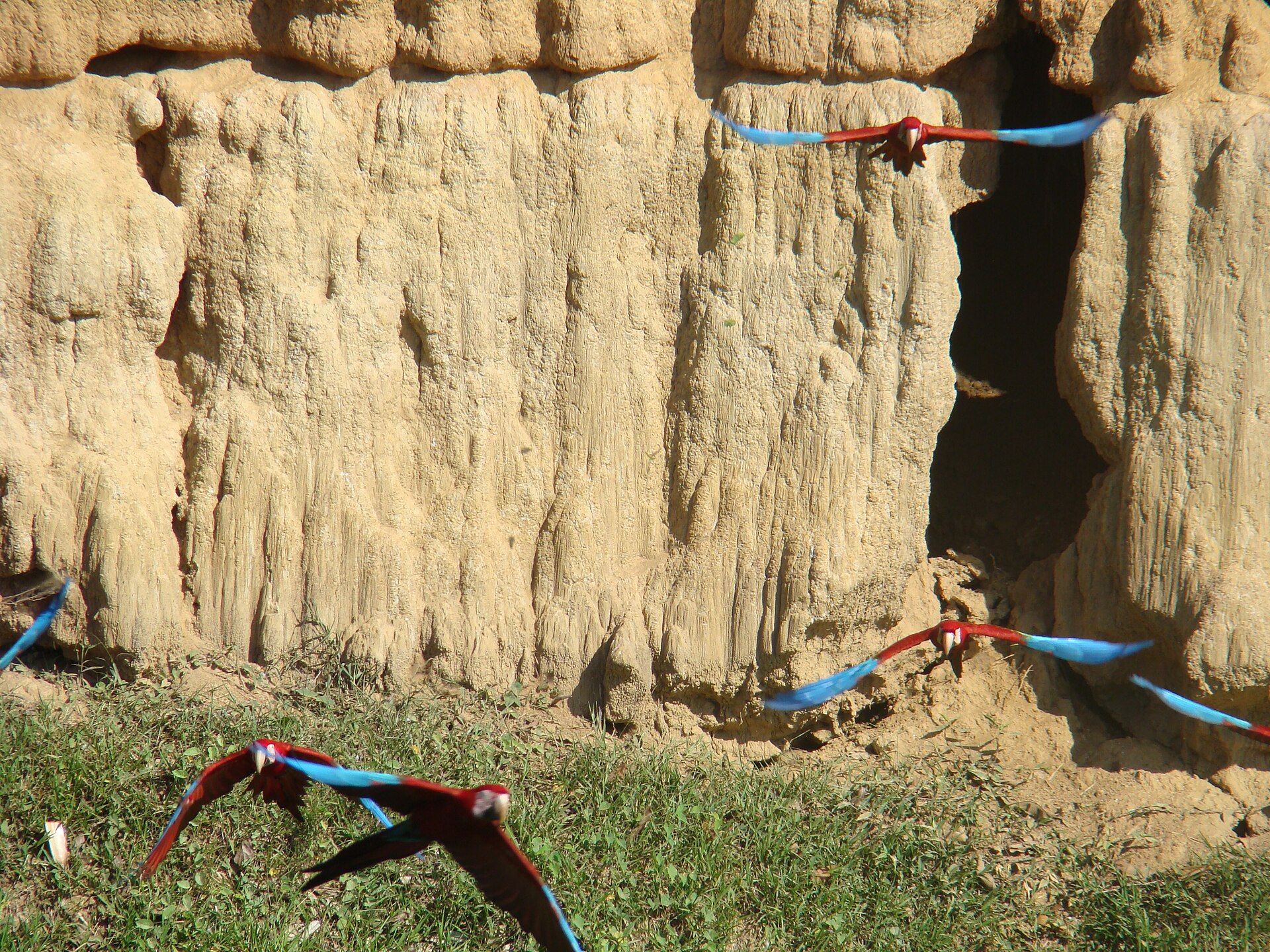
To travel the Amazon is to grasp scale and abundance — pink river dolphins, macaws and toucans, monkeys and caimans, and a canopy humming with life. River journeys and lodges offer immersive encounters with both the ecosystem and the Indigenous and riverine communities who have lived with it for millennia.
What to know before you go
🗓️ Best time
Two broad seasons: the high-water/flooded season (roughly December–May) is best for boat travel among the trees; the low-water/dry season (roughly June–November) exposes beaches and eases forest hiking and wildlife spotting.
🧭 Getting there & access
Gateways include Manaus (Brazil), where the Rio Negro meets the Amazon at the 'Meeting of the Waters'. Most visits are by riverboat and lodge with licensed guides.
Good to know
- Go with responsible operators that support conservation and local communities.
- Bring insect protection and prepare for heat and humidity.
- Choose the season for your goal — flooded forest by boat, or dry-season hiking and beaches.
Plan your visit
Moderate🧭 Getting there
From Manaus (MAO) for the Brazilian Amazon; Iquitos and Puerto Maldonado are the other common doors
- Fly Sao Paulo or Brasilia → Manaus — roughly 3h–4h
- Transfer to a jungle lodge by road and river boat — typically 2–5h combined
- Remoter lodges are a full day further upriver
- Total travel
- Most of a day from southern Brazil; longer for the remote lodges
- Time at site
- Four nights minimum to get past the tourist fringe
- Access
- No permit for a lodge stay, and guides are effectively mandatory and included. Some indigenous territories and reserves need authorisation you cannot arrange yourself — a licensed operator handles it. River levels swing many metres between the high-water and low-water seasons, which changes completely what you can reach and whether you travel by boat or on foot.
🎒 What to bring & consider
- Yellow fever vaccination, often required for the region anyway, plus malaria advice from a travel clinic
- Strong repellent, long sleeves, and permethrin-treated clothing if you can get it — the insects here are the defining daily reality
- A headtorch, for night walks and for lodges that run generators only part of the day
- Quick-dry clothing and dry bags; nothing you own will be properly dry again until you leave
- Cash — there is little to spend it on upriver, and nothing that takes cards
👁️ What to expect
- Crowds
- The day trips near Manaus, including the meeting of the waters, are busy. A few hours further upriver you may see nobody outside your own group.
- Conditions
- Hot, humid and buggy, with sudden heavy downpours. Travel is by small boat and on foot over soft, often flooded ground.
- Facilities
- The lodge provides everything; between lodges there is nothing. Power and internet are limited or absent, usually by design.
- The view
- The forest is heard far more than it is seen — animals are dispersed and high in the canopy. Set expectations away from savannah-style sightings; a patient guide matters more than a long lens.
Times and requirements are approximate and change with season, weather, and local rules — confirm permits, fares, and schedules with operators before you travel.
Natural riches of the area
- Earth's largest tropical rainforest and its carbon/water cycles
- The Amazon River — the largest river by discharge
- Perhaps ~10% of all known species on the planet
- Vast biodiversity of fish, birds, mammals, plants, and insects
Local food
- Tacacá & tucupi
- An Amazonian soup with jambu (a tingling herb) and tucupi, fermented cassava broth.
- Açaí
- The now-famous Amazon palm berry, eaten as a thick bowl, often savoury locally.
- Pirarucu & tambaqui
- Giant Amazon river fish, grilled or stewed.
The Amazon is almost too big to picture: a rainforest of some 5.5 million square kilometres, most of it in Brazil, holding perhaps one in every ten species known to science — and untold numbers still unknown. Through it runs the Amazon River, which discharges more water than the next several great rivers combined, and each year floods a vast area of forest so completely that fish feed among the submerged treetops.
That abundance is matched by importance: the forest cycles staggering quantities of water and carbon, making it a keystone of the planet’s climate. For a visitor, though, it’s the life you meet — pink river dolphins, macaws, monkeys, caimans, and a canopy that never falls silent — along with the Indigenous and riverine communities whose knowledge is inseparable from the forest. Travel it by boat, in the right season, with guides who protect what they show you, and the Amazon rearranges your sense of how much life one place can hold.
When you go changes the trip more than where you go. From roughly December to May the rivers rise — several metres in places — and the igapó floods, so you travel by canoe between the trunks at mid-canopy height, which is where most of the animals are. From about June to November the water drops, exposing river beaches and forest trails and concentrating wildlife around whatever water is left. Neither is the “good” season; they are different holidays. It is also worth being clear that the Amazon is not one uniform green mass: nutrient-rich whitewater floodplains (várzea) and nutrient-poor blackwater forests (igapó) carry visibly different trees and fish. That is what makes the Meeting of the Waters below Manaus — where the dark Rio Negro and the pale Solimões run side by side for kilometres before mixing — a boundary between ecosystems rather than merely a photo stop.
The Amazon Rainforest: common questions
How do you get to The Amazon Rainforest?
From Manaus (MAO) for the Brazilian Amazon; Iquitos and Puerto Maldonado are the other common doors: Fly Sao Paulo or Brasilia → Manaus — roughly 3h–4h; Transfer to a jungle lodge by road and river boat — typically 2–5h combined; Remoter lodges are a full day further upriver. Total travel time: Most of a day from southern Brazil; longer for the remote lodges.
When is the best time to visit The Amazon Rainforest?
Two broad seasons: the high-water/flooded season (roughly December–May) is best for boat travel among the trees; the low-water/dry season (roughly June–November) exposes beaches and eases forest hiking and wildlife spotting.
How long should you spend at The Amazon Rainforest?
Four nights minimum to get past the tourist fringe. Total travel time: Most of a day from southern Brazil; longer for the remote lodges.
What should you bring to The Amazon Rainforest?
Yellow fever vaccination, often required for the region anyway, plus malaria advice from a travel clinic Strong repellent, long sleeves, and permethrin-treated clothing if you can get it — the insects here are the defining daily reality A headtorch, for night walks and for lodges that run generators only part of the day Quick-dry clothing and dry bags; nothing you own will be properly dry again until you leave Cash — there is little to spend it on upriver, and nothing that takes cards
Do you need a permit or guide for The Amazon Rainforest?
No permit for a lodge stay, and guides are effectively mandatory and included. Some indigenous territories and reserves need authorisation you cannot arrange yourself — a licensed operator handles it. River levels swing many metres between the high-water and low-water seasons, which changes completely what you can reach and whether you travel by boat or on foot.
Is The Amazon Rainforest crowded, and what are conditions like?
The day trips near Manaus, including the meeting of the waters, are busy. A few hours further upriver you may see nobody outside your own group. Hot, humid and buggy, with sudden heavy downpours. Travel is by small boat and on foot over soft, often flooded ground. Facilities: The lodge provides everything; between lodges there is nothing. Power and internet are limited or absent, usually by design.
Added Updated
More wonders to explore
Cockscomb Basin Wildlife Sanctuary
Stann Creek District, south-central Belize, eastern Maya Mountains