Head to head · Two walk-up Seven Summits
Kilimanjaro vs Aconcagua: Which Is Harder, and Which Should You Climb First?
Kilimanjaro and Aconcagua are the two Seven Summits most people can climb without technical mountaineering skills: neither normal route needs ropes or crampon technique. That is where the resemblance ends. Kilimanjaro is a 5,895 m dormant volcano rising alone from the Tanzanian plains, climbed in six to nine days on routes like Machame, Lemosho and Marangu, always with a licensed operator, guides and porters. Aconcagua, at about 6,961 m the highest mountain outside Asia, is a vast stack of uplifted marine and volcanic rock in Argentina's Mendoza Province, and a full acclimatised summit attempt takes 12 to 20 days.
The roughly 1,000 extra metres change everything. Aconcagua's summit holds barely half the oxygen of sea level, storms can pin climbers in camp for days, and the season is a single southern-summer window from mid-November to March. Kilimanjaro has two dry windows, January–March and June–October, and its main risk is going up too fast — summit success tracks the number of days on the mountain far more than fitness.
Kilimanjaro
Africa's free-standing volcano
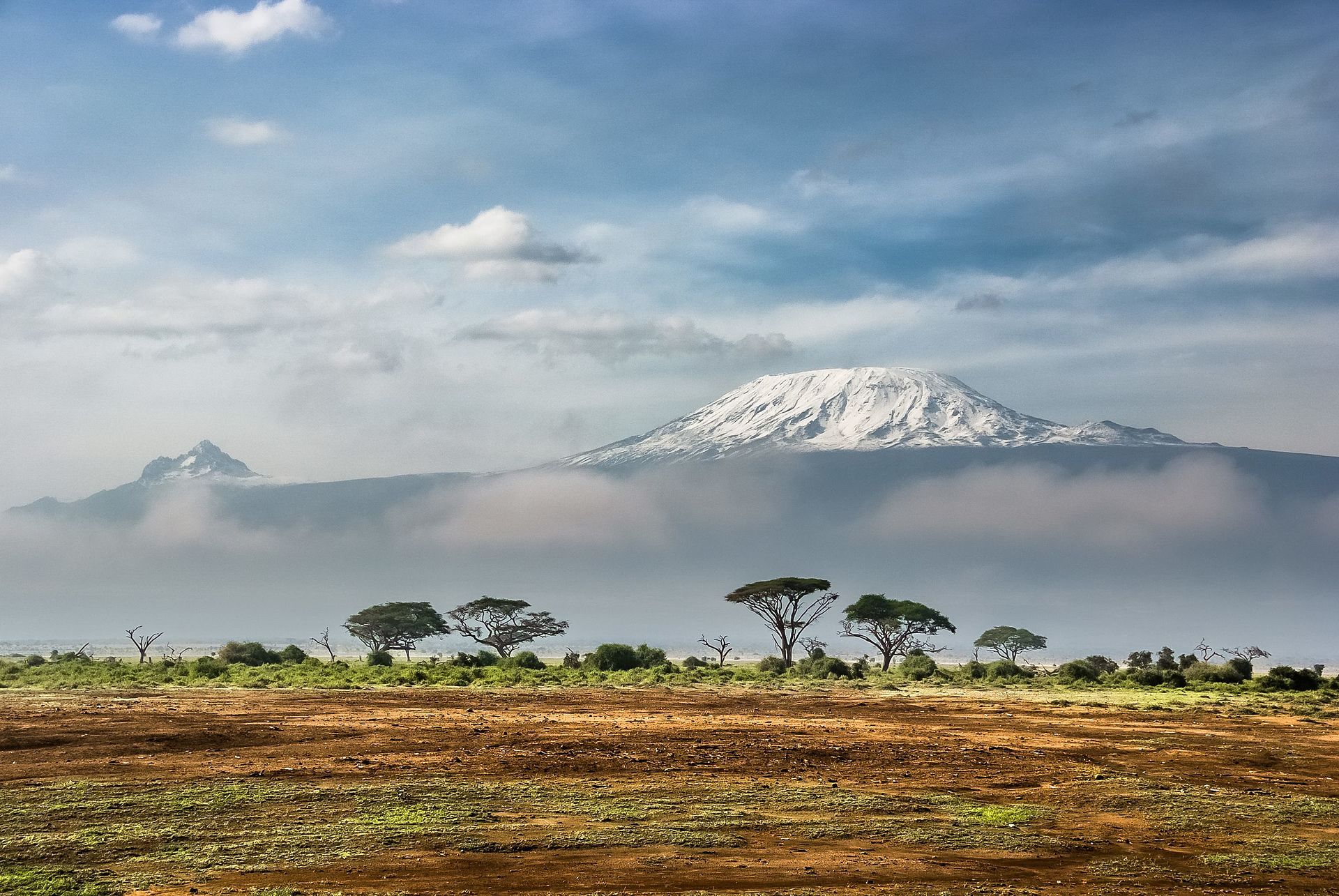
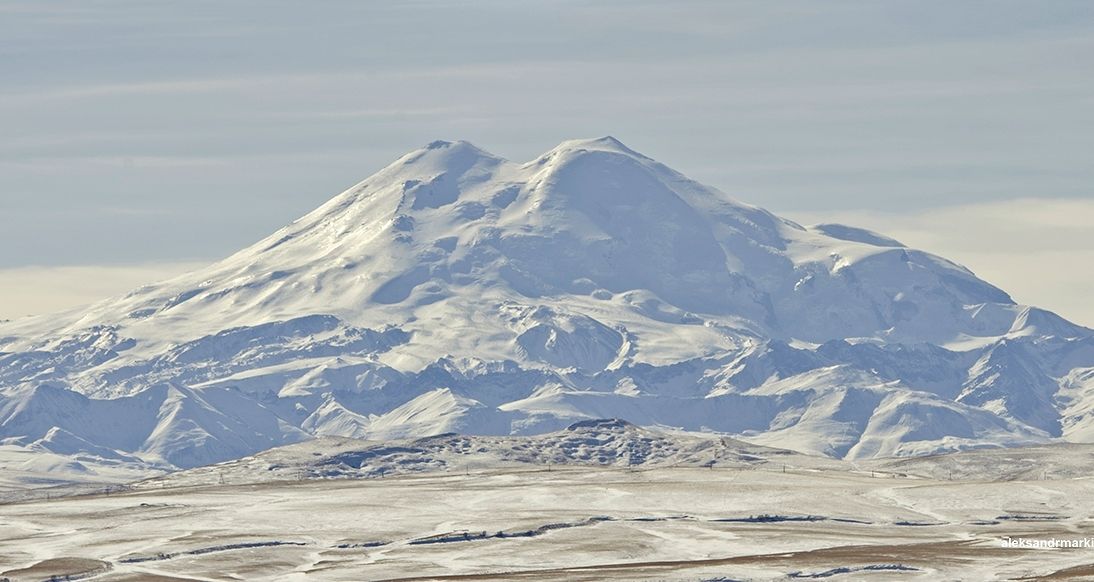
A 5,895 m dormant volcano of three centres — Kibo, Mawenzi and Shira — climbed through five climate zones, from farmland and rainforest to an arctic summit where shrinking glaciers still cling on.
- No technical climbing on any standard route
- Every climb fully supported by guides, porters and cooks
- Two dry windows a year
- Shorter trip: 6–9 days on the mountain
Aconcagua
The roof of the Americas
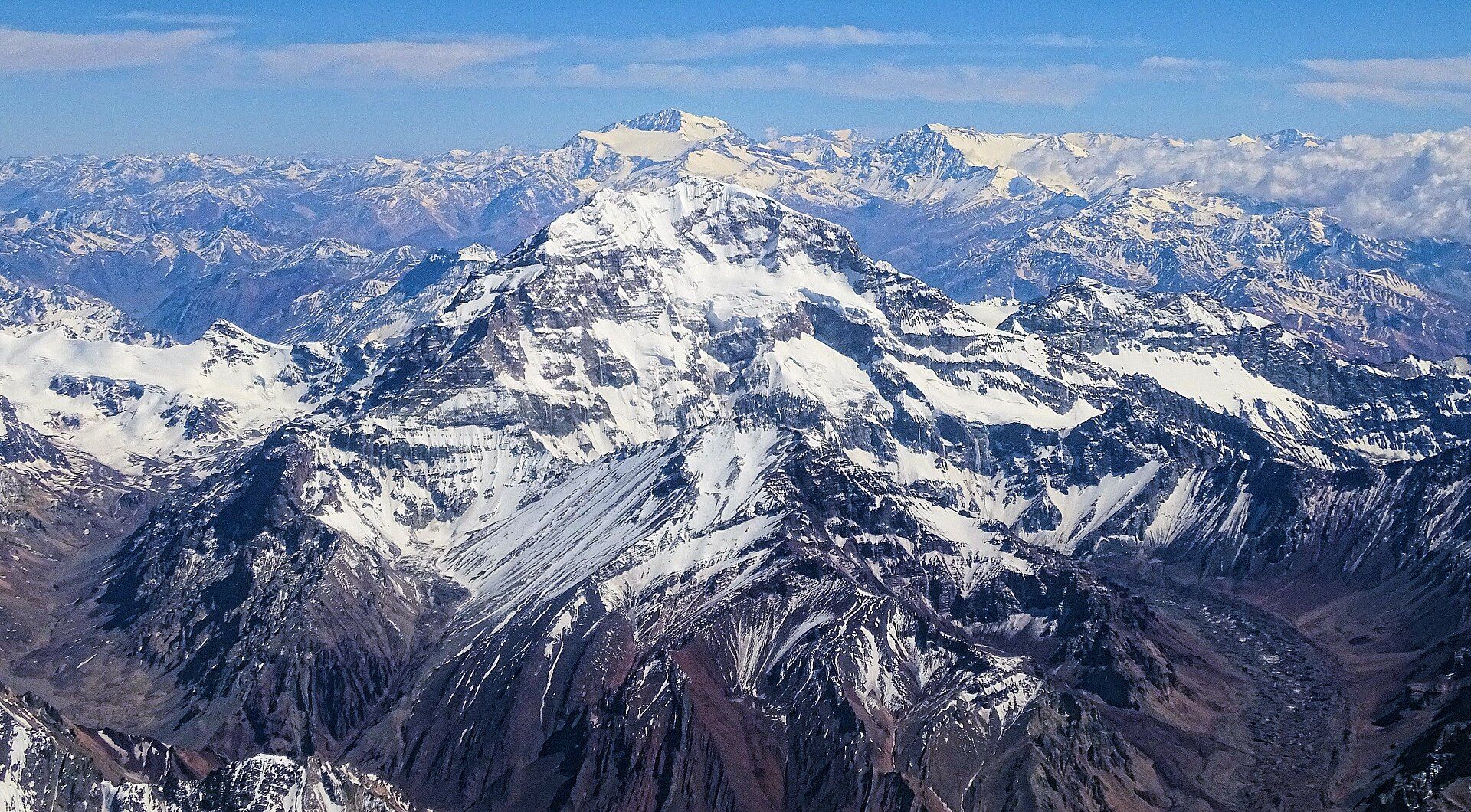
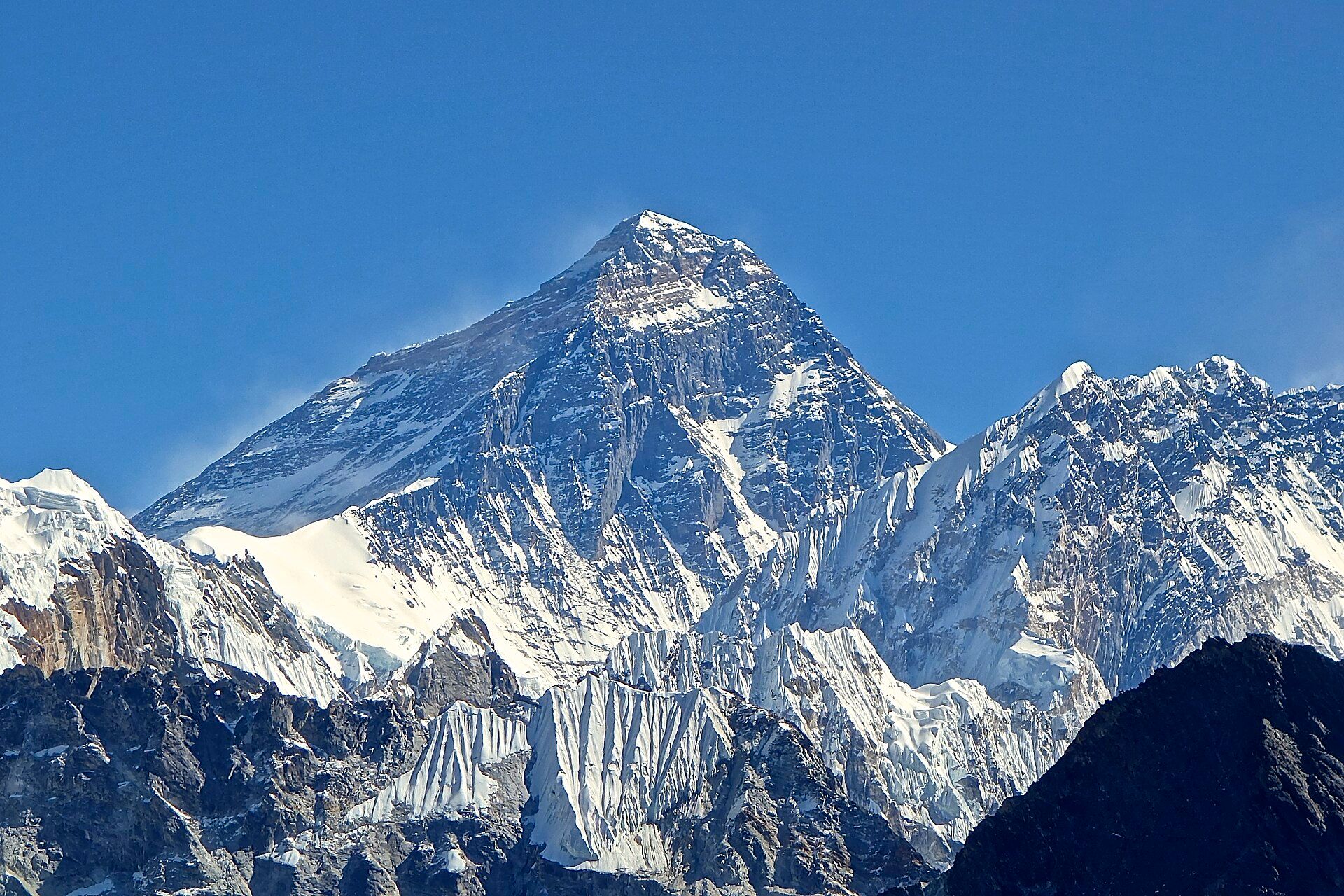
About 6,961 m — the highest point in both the Western and Southern Hemispheres — with a non-technical but brutally high normal route on the northwest side, glaciers and penitentes on the upper slopes and the vineyards of Mendoza below.
- Nearly 7,000 m without technical climbing
- The classic step up to a first big-altitude expedition
- Day and trek permits for the lower valleys under the south face
- Mendoza's wine country as the gateway
Head to head
| What matters | Kilimanjaro | Aconcagua |
|---|---|---|
| Height Edge: Aconcagua | 5,895 m — the highest point in Africa. | About 6,961 m — the highest outside Asia, roughly 1,000 m higher. |
| Difficulty Edge: Kilimanjaro | Non-technical; altitude, not terrain, is what turns people back. | Non-technical on the normal route, but the altitude is far more serious: barely half the oxygen of sea level at the top, fierce wind and storms. |
| Days needed Edge: Kilimanjaro | 6–9 days on the mountain; the 8–9 day Lemosho and Northern Circuit itineraries succeed far more often than 5-day Marangu. | 12–20 days for a full acclimatised summit attempt; a day for the lower trails. |
| Season Edge: Kilimanjaro | January–March and June–October. | Mid-November to March only (best December–February); the high camps close outside it. |
| How you climb Edge: Toss-up | Independent climbing is not permitted — every ascent goes through a licensed operator, with park fees collected by them. | A park permit bought in person in Mendoza is compulsory; a licensed operator or guide is advised unless you are highly experienced. |
| On the mountain Edge: Kilimanjaro | Huts on Marangu, tents and camp crew on the other routes; you carry a daypack. | Ranger stations and seasonal high camps on the normal route; nothing off it. |
| Getting there Edge: Toss-up | Fly to Kilimanjaro International (JRO), about an hour to Moshi, then up to 4 hours to your route gate. | Fly to Mendoza (MDZ), then about 3 hours west on Route 7 to the Horcones entrance. |
| Without summiting Edge: Aconcagua | The snow-capped summit seen from the surrounding savanna. | Lower valley trails to the Confluencia or Plaza Francia approach face the immense south face. |
Which should you choose?
Choose Kilimanjaro if…
…you want your first big summit: a fully supported, non-technical climb you can fit into a two-week trip, with a choice of dry seasons and the single best lever on success — extra acclimatisation days — easy to buy.
Choose Aconcagua if…
…you have already been comfortable above 5,000 m, can give the mountain two to three weeks between mid-November and March, and want the step up to a true high-altitude expedition.
The honest verdict
Climb Kilimanjaro first. It is lower, shorter, fully supported and runs in two seasons a year, and it shows you how your body handles altitude before you commit to anything higher. Pay for an 8–9 day itinerary — the extra nights matter more than fitness.
Aconcagua is the natural next step, not a substitute. Its normal route is a walk, but at nearly 7,000 m, with half the oxygen of sea level and weather that can pin you down for days, it is a full expedition that needs 12–20 days and real cold-weather kit.
Either way, take park fees and permit tiers from your operator or the park authority for the season you go — both are revised regularly.
Wonders mentioned here
Added