Head to head · Green basalt cliffs vs Arctic granite peaks
Faroe Islands vs Lofoten: Which North Atlantic Islands to Visit?
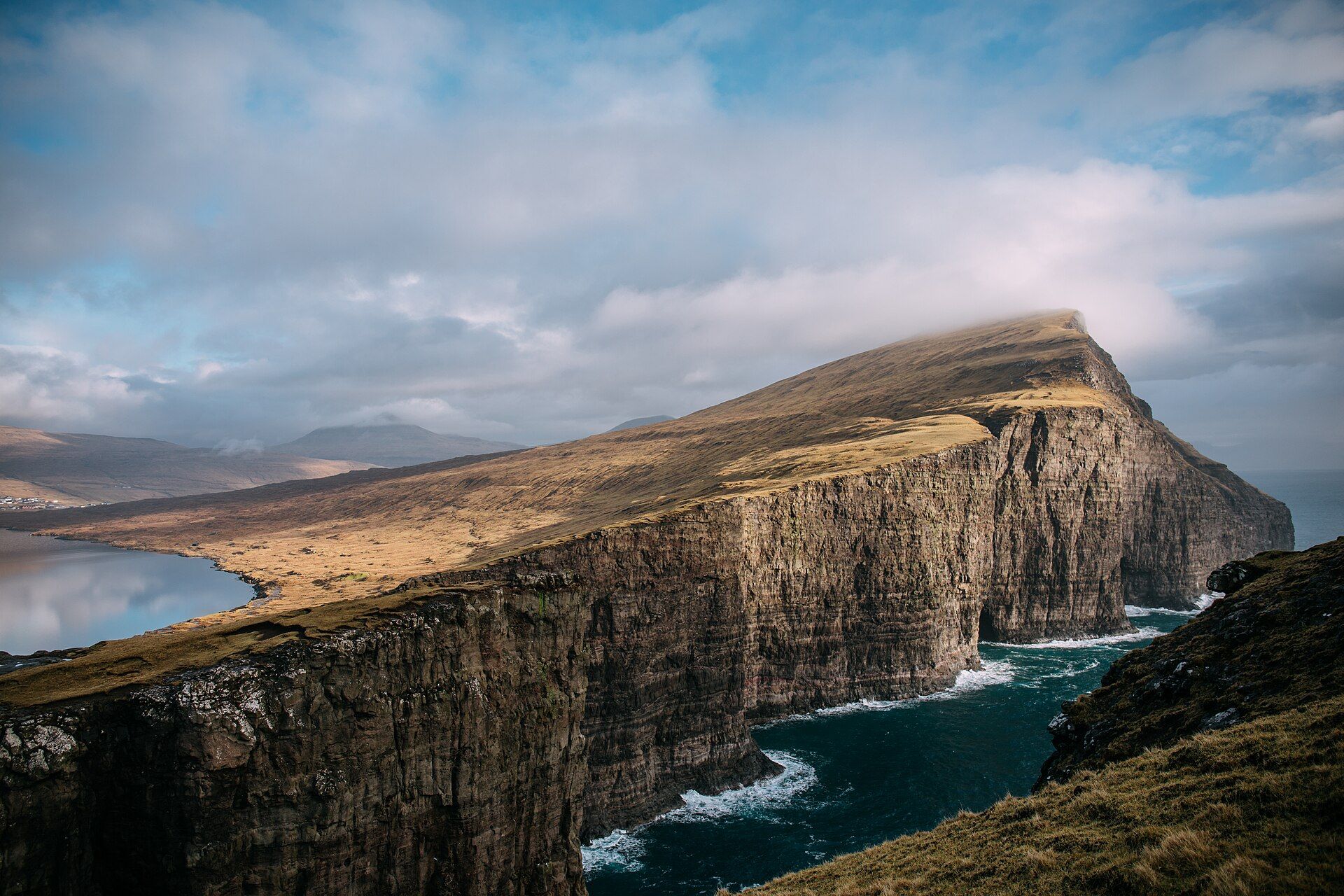
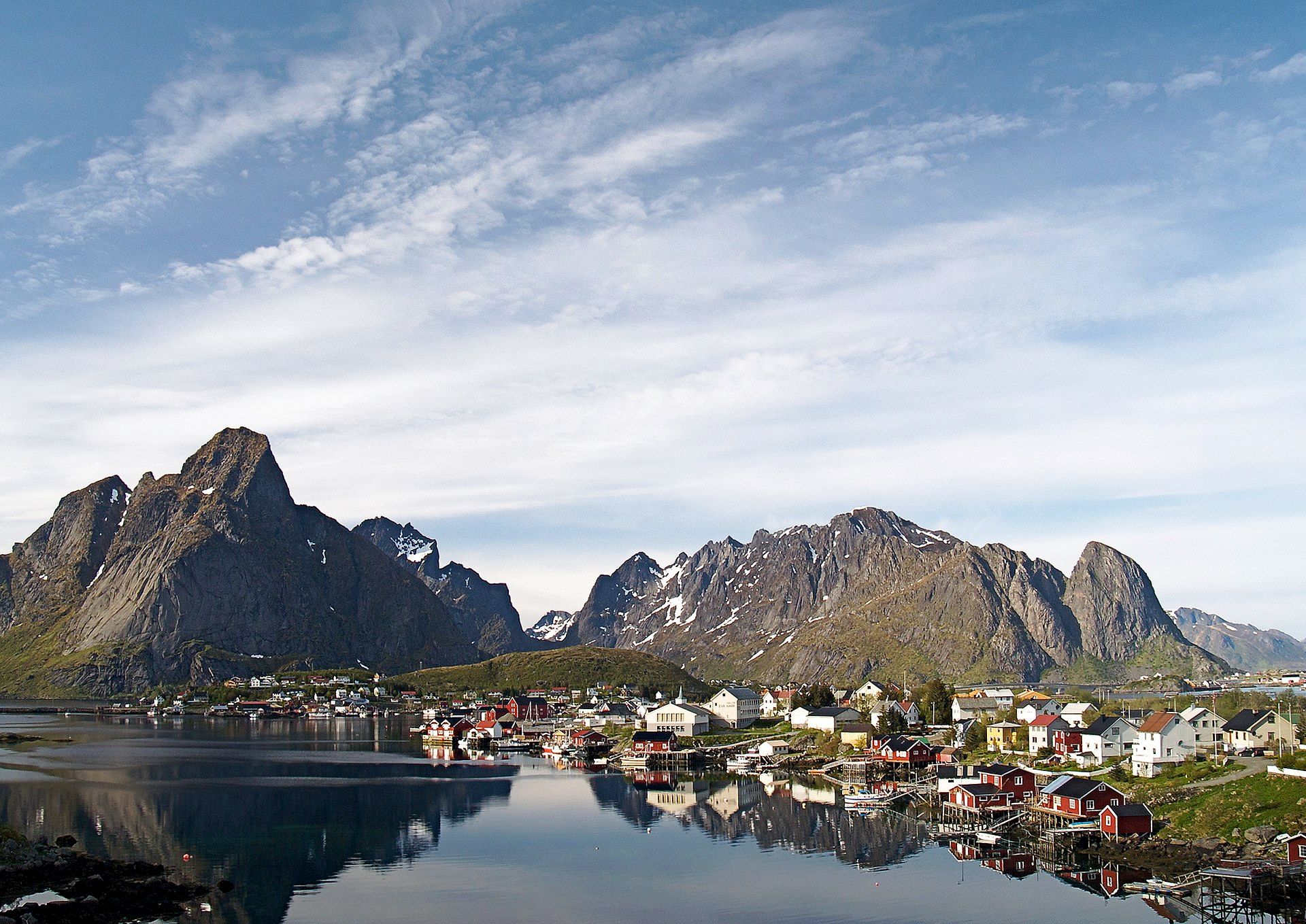
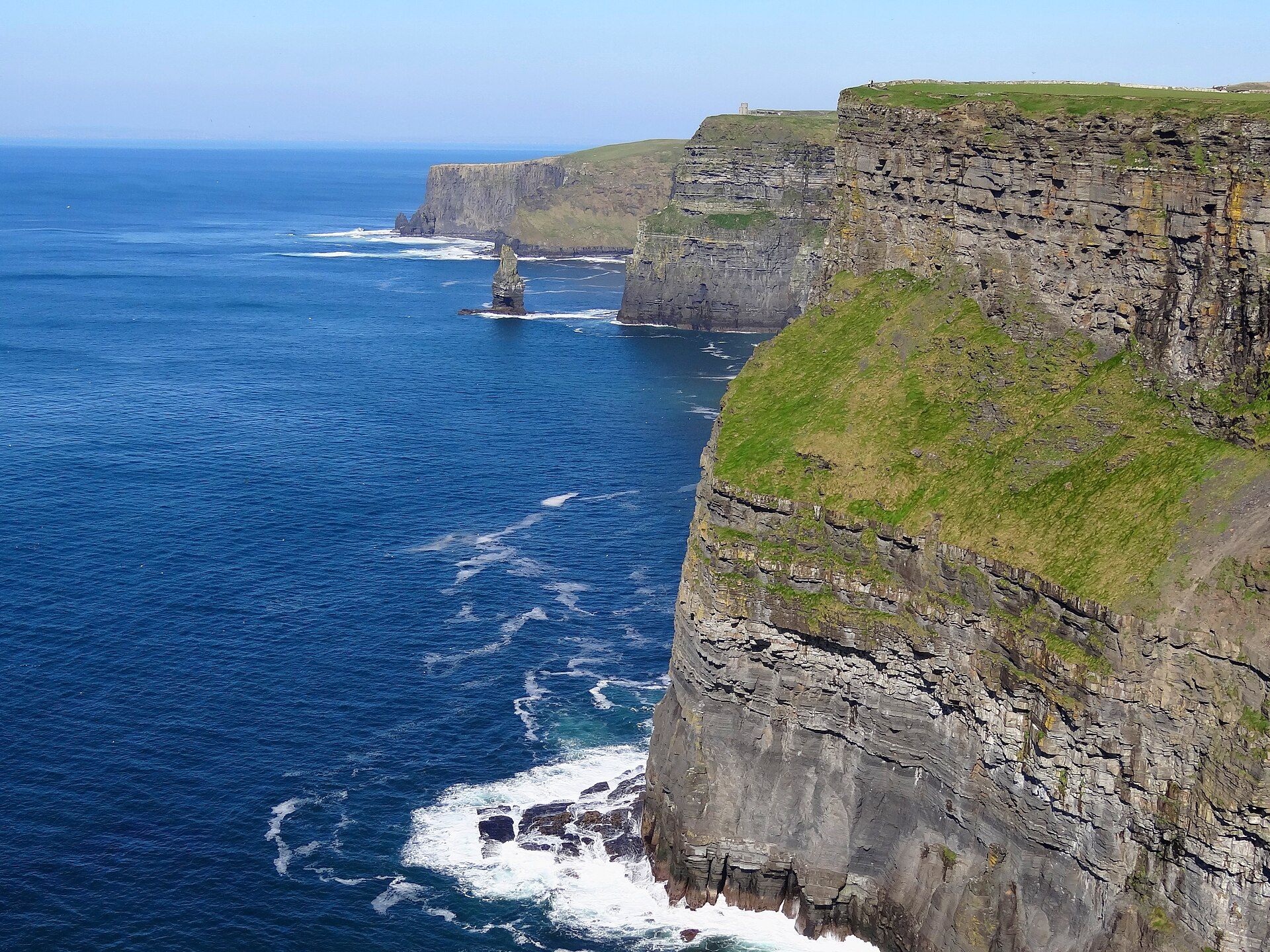
The Faroe Islands and Lofoten are the two island groups people weigh for a wild, cinematic North Atlantic trip, and they look nothing alike up close. The Faroes are eighteen steep, treeless islands of layered basalt, impossibly green, where cliffs plunge hundreds of metres into the sea and waterfalls pour off the tops straight into the ocean. Lofoten, well inside the Arctic Circle in northern Norway, is a wall of sharp granite and gneiss peaks rising about 1,000 metres from the sea, with white-sand beaches, turquoise coves and red rorbuer cabins on stilts beneath them.
The practical difference is access. In Norway the right to roam lets you walk and wild-camp on uncultivated land (with local restrictions at the busiest spots), and the E10 road runs the length of the chain. In the Faroes almost all land is privately owned, and several of the famous walks — Kallur lighthouse, Sørvágsvatn, Drangarnir — charge a landowner fee or need a guide. Both are wet, windy and fast-changing; give either five days to a week so the weather has room to clear.
Faroe Islands
Green cliffs, sea stacks and the lake above the sea
An autonomous territory of Denmark between Iceland and Norway; sub-sea tunnels, roads and small ferries link the islands, and summer cliffs throng with puffins, gannets and guillemots.
- Sea cliffs and waterfalls into the ocean
- Puffin colonies in summer
- Very few people anywhere
Lofoten
Arctic granite above white beaches
An Arctic archipelago in Nordland, Norway, kept mild by the Gulf Stream; a thousand-year stockfish culture, the midnight sun in summer and the aurora over the peaks in the dark months.
- Right to roam and wild camping
- Midnight sun and northern lights
- Beaches like Haukland and Kvalvika
Head to head
| What matters | Faroe Islands | Lofoten |
|---|---|---|
| The landscape Edge: Toss-up | Treeless basalt islands, sheer sea cliffs, sea stacks (Drangarnir) and Sørvágsvatn, the lake that seems to hang above the sea. | Serrated granite ridges dropping to turquoise water, white-sand beaches and red fishing villages such as Reine and Hamnøy. |
| Hiking access Edge: Lofoten | Mostly private land; several famous hikes charge a fee or need a guide, and arrangements change year to year. | No permits; Norway's right to roam applies, though some municipalities restrict camping and parking at popular spots. |
| Getting there Edge: Toss-up | Fly Copenhagen or Edinburgh to Vágar (about 2h–2h15), or ferry from Denmark or Iceland; Tórshavn is 45 minutes from the airport. | Fly Oslo → Bodø (about 1h30) then on to Svolvær or Leknes, or take the Bodø → Moskenes car ferry (about 3–4h). |
| Getting around Edge: Lofoten | Hire car, sub-sea tunnels and inter-island ferries and helicopters on a limited schedule; fog routinely closes the airport and cancels ferries. | Drive the E10 — Svolvær to Å is about 2h30–3h without stops; winter tyres between roughly November and April. |
| Wildlife Edge: Toss-up | Huge summer seabird colonies — puffins, gannets, guillemots. | Sea eagles, seabird colonies and orca- and whale-rich seas. |
| Best season Edge: Lofoten | May–August for the mildest weather, long days and nesting puffins. | June–August for the midnight sun and hiking; aurora roughly September–April. |
| Crowds Edge: Faroe Islands | Very few people; a famous viewpoint gets busy for an hour when a tour arrives. | Concentrated at a handful of photogenic villages in summer; rorbuer cabins in Reine and Hamnøy sell out months ahead. |
| Facilities Edge: Lofoten | Good in Tórshavn; elsewhere fuel, food and shop hours are limited, especially on Sundays. | Cabins, restaurants, fuel and shops along the E10. |
Which should you choose?
Choose Faroe Islands if…
…you want solitude, sea cliffs and waterfalls, puffins in summer, and don't mind paying landowner fees, booking guided hikes and building slack into your plans for fog.
Choose Lofoten if…
…you want mountain-and-beach scenery you can drive and hike freely, the midnight sun in summer or the aurora in winter, and easier logistics along one road.
The honest verdict
For dramatic peaks over beaches and the freedom to walk and camp, Lofoten is the easier trip — one road, good facilities, the right to roam, and two headline seasons (midnight sun from late May to mid-July, aurora from roughly September to April).
The Faroes are the wilder, emptier choice: greener, steeper and stranger, with seabird cliffs Lofoten can't match — but much of the walking is on private land, so check each hike's current fee or guide rule before you set out.
Both reward staying long enough for one clear hour. Pack full waterproofs for either, book Lofoten's cabins months ahead for summer, and leave a spare day in the Faroes for flights and ferries cancelled by fog.
Wonders mentioned here
Added