Nature's palette: why some landscapes burn with colour
Some landscapes seem to have been coloured in by hand. They haven’t — every vivid hue in nature has a physical cause, and tracking it down only deepens the wonder.
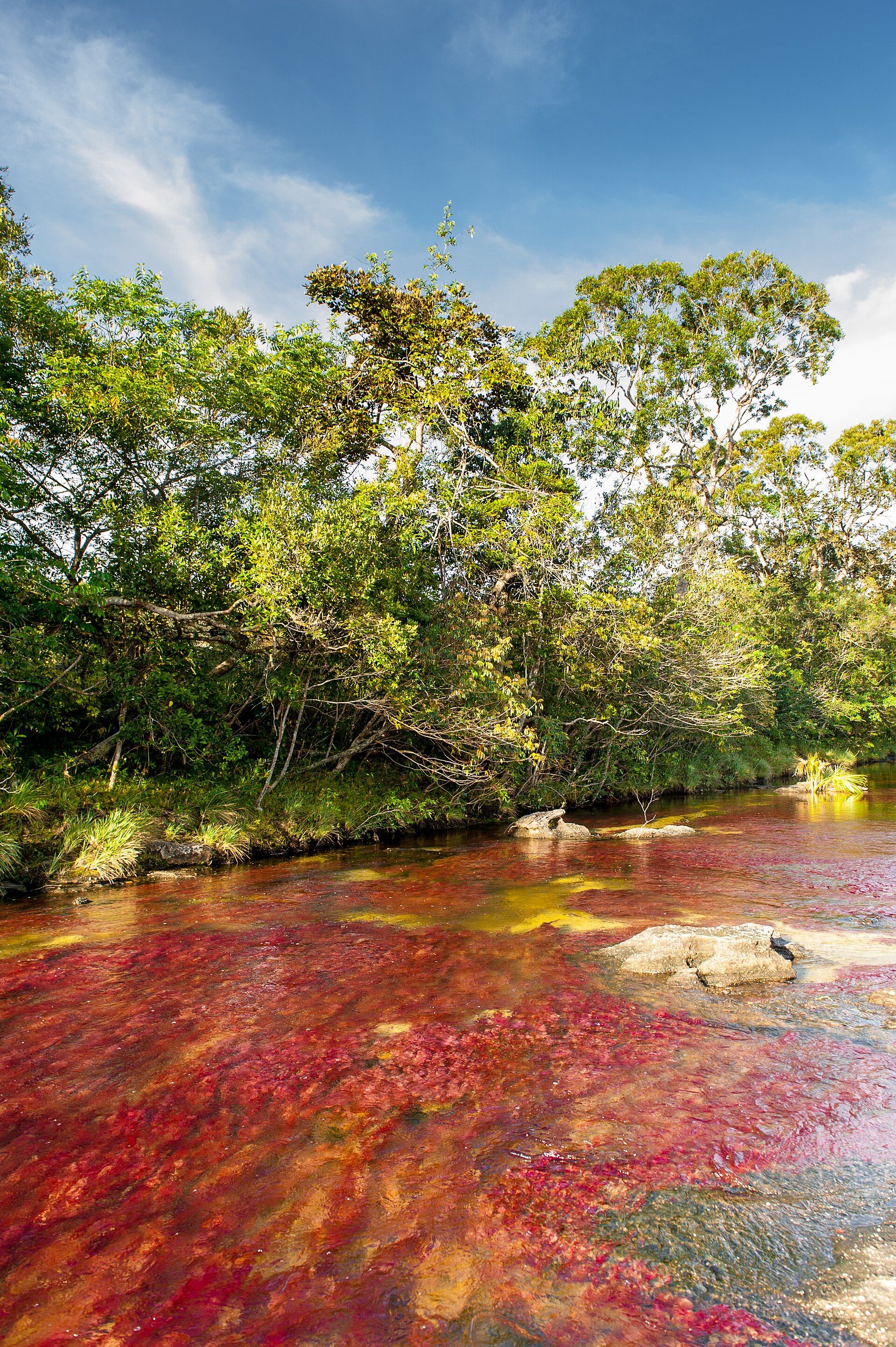
Sometimes the colour is alive. Colombia’s Caño Cristales spends most of the year looking like an ordinary clear stream, but when the water sits at just the right level, an endemic aquatic plant flushes deep red across the riverbed, and with green mosses, golden sand, and blue water it becomes a ‘liquid rainbow’. The colour is biology, timed to the seasons.
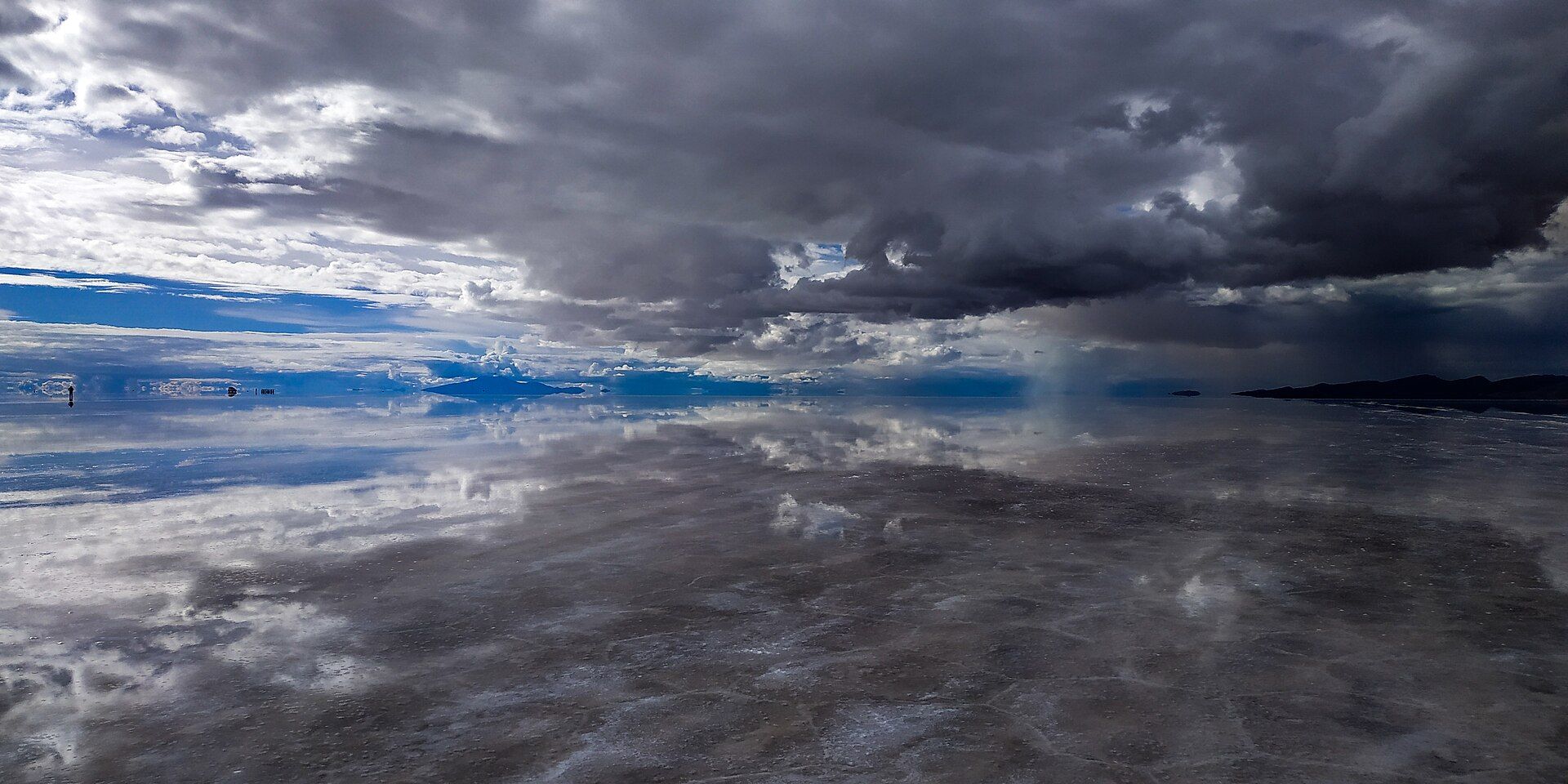
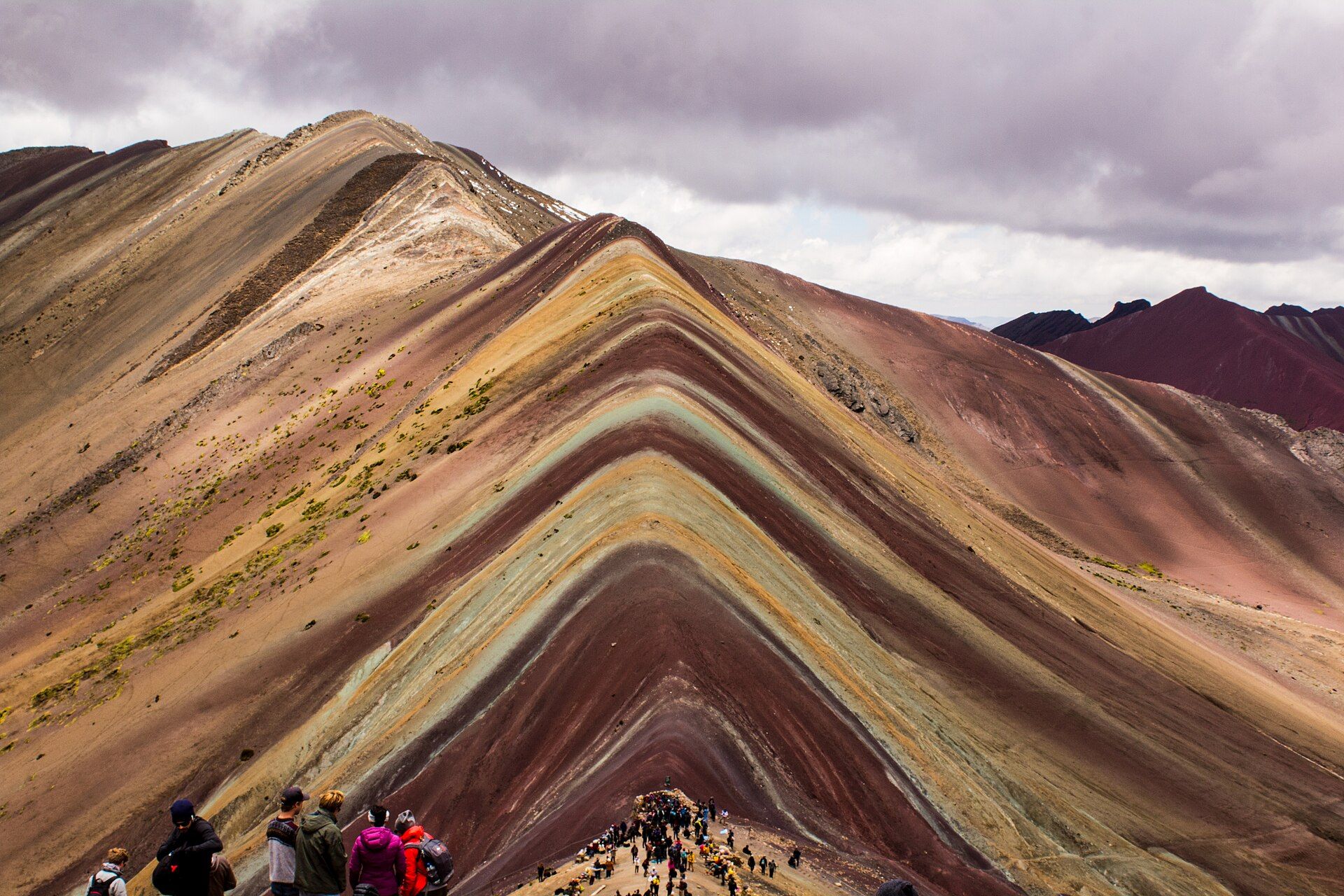
Sometimes it’s minerals. Peru’s Rainbow Mountain is striped red, gold, green, and turquoise because layers of sediment rich in different minerals — iron oxides, chlorite, copper compounds — were laid down, tilted by the rising Andes, and recently laid bare as the ice retreated. And sometimes the colour is really the sky borrowed: after rain, Bolivia’s Salar de Uyuni, the largest salt flat on Earth, floods with a thin sheet of water and becomes the world’s biggest natural mirror, doubling the clouds until the horizon disappears altogether. Living pigment, ancient minerals, reflected light — three different tricks, one shared result: places so colourful they look unreal, and are entirely, wonderfully real.
Wonders in this article