Life at the extremes: where nature thrives in impossible places
We tend to assume life prefers gentle conditions — mild temperatures, fresh water, steady seasons. Travel widely enough, though, and you find the opposite again and again: some of the harshest places on Earth are not barren at all, and in several cases their very hostility is what makes them essential.
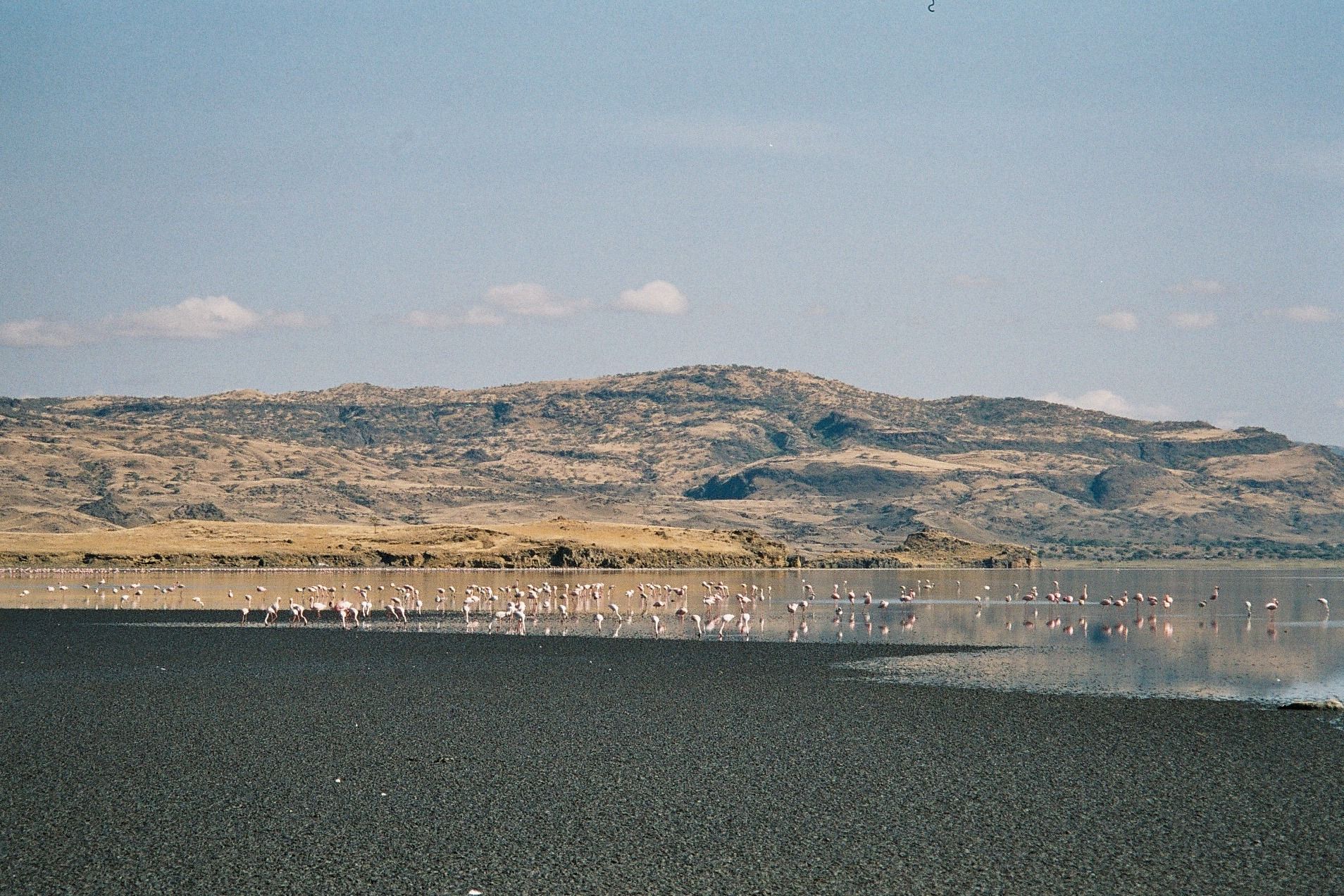
Take Lake Natron in Tanzania, a soda lake so alkaline it approaches the pH of ammonia and can run scalding in the shallows. Almost nothing survives in it. And that is precisely why around three-quarters of the world’s lesser flamingos are born there: the caustic crust keeps predators away, turning a lethal lake into the safest nursery in Africa.
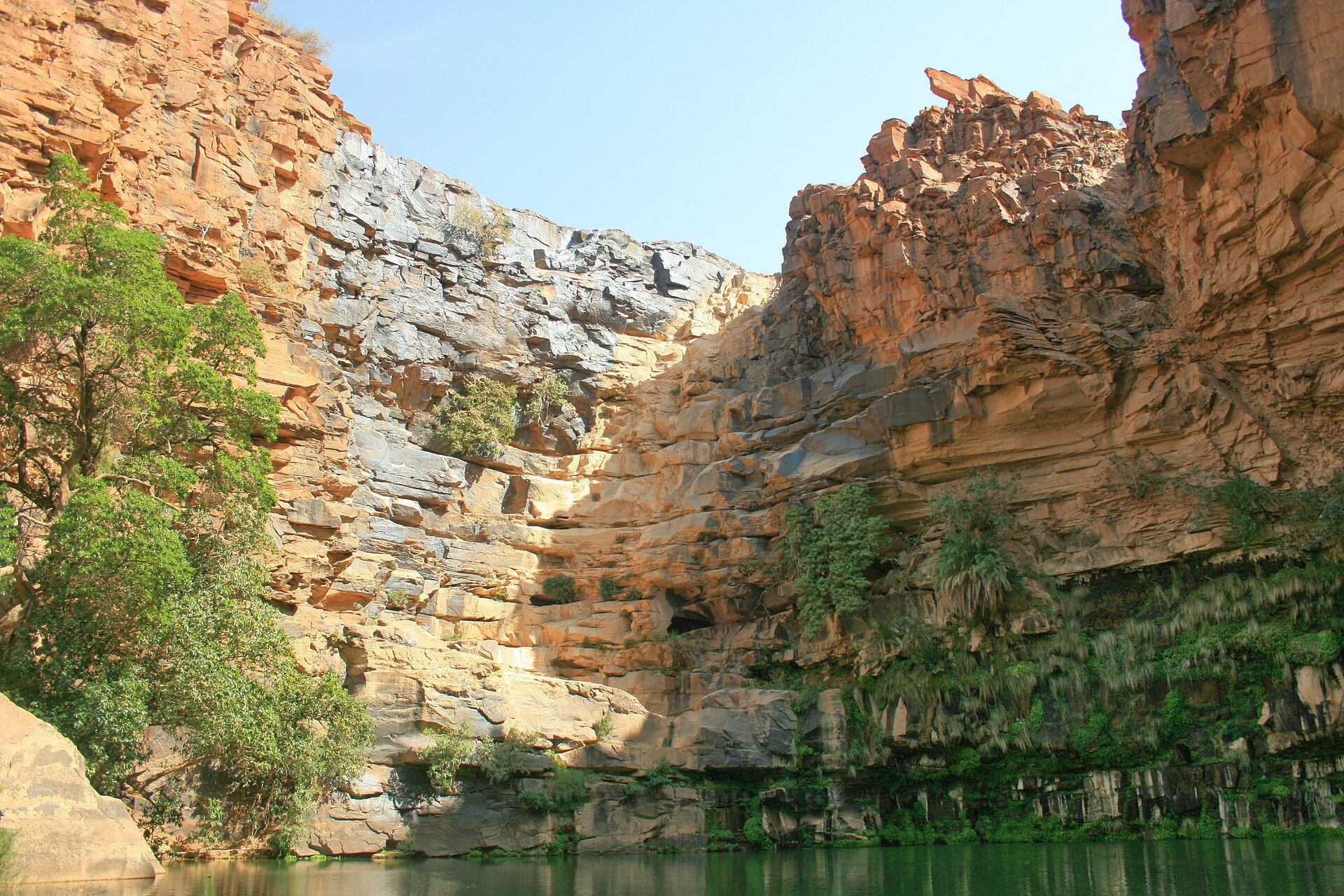
Or consider the Ennedi Massif in the Chadian Sahara, where a small population of West African crocodiles still lives in hidden desert pools, thousands of kilometres from the nearest river. They are relicts, stranded when the Sahara dried out some thousands of years ago, hanging on in the few gorges that hold water year-round — a living memory of a green Sahara.
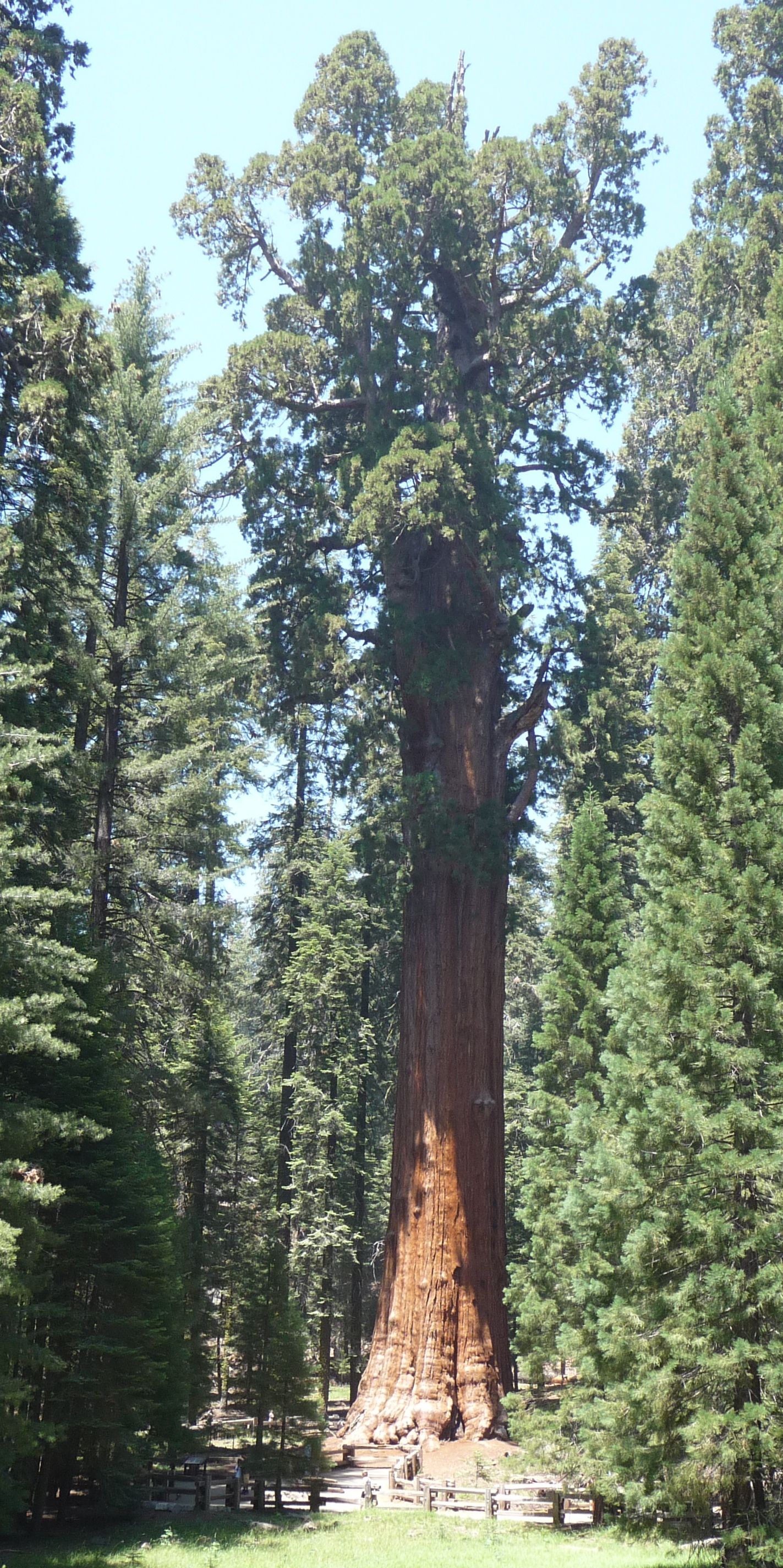
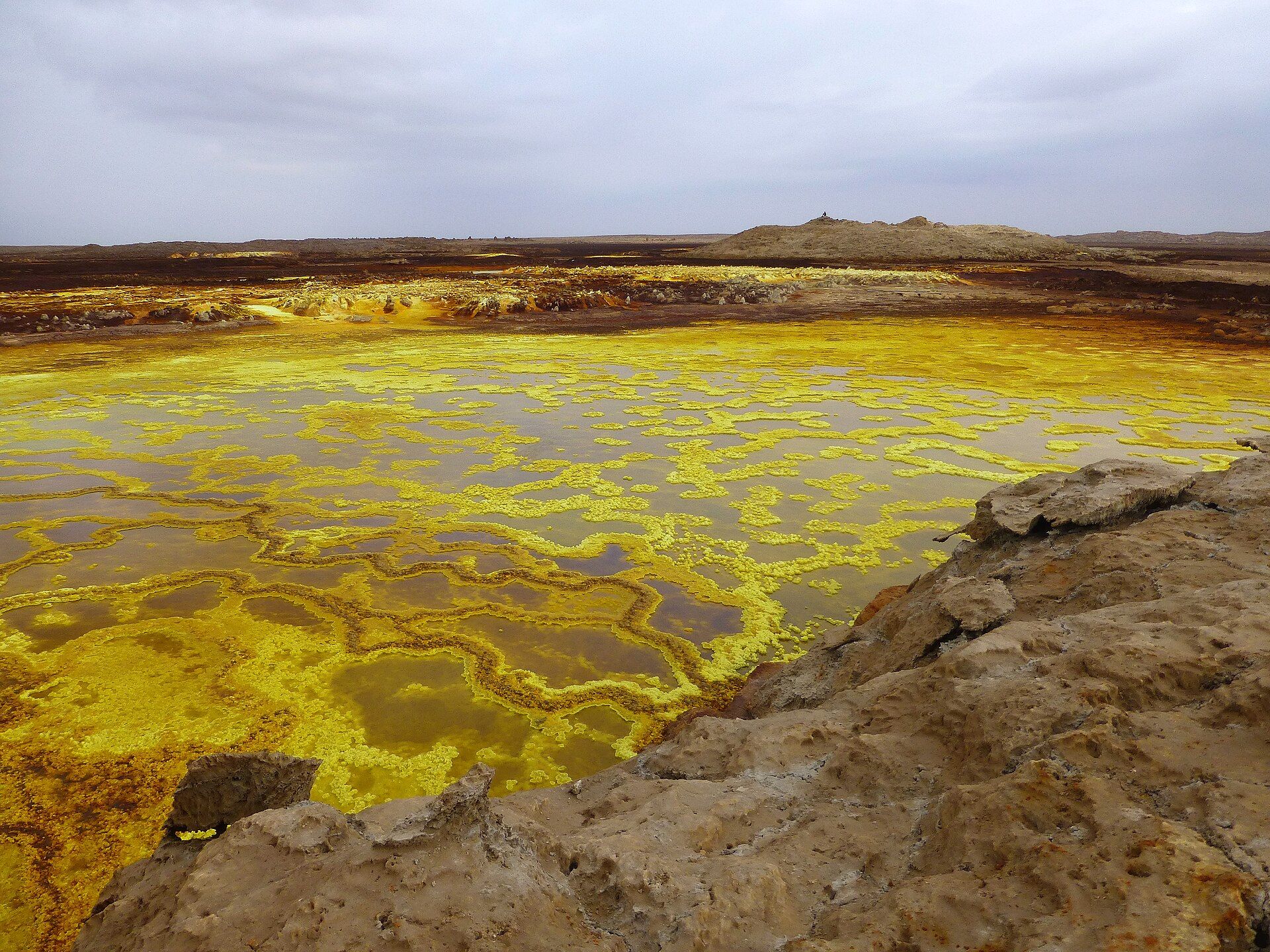
Sometimes the hostile force is not chemistry but fire. The giant sequoias of California don’t merely tolerate wildfire; they depend on it. Heat opens their cones to release seed and clears the competing undergrowth their seedlings cannot outgrow. Suppress fire entirely and the largest trees on Earth stop reproducing. And in Ethiopia’s Danakil Depression, one of the hottest places on the planet, microbes flourish in acid springs that would kill almost anything else.
The lesson runs deeper than novelty. Life does not simply endure extremes — it specialises into them, and organisms adapted to a narrow, brutal niche are often the most vulnerable when that niche shifts. Protecting the world’s harshest places is not sentimentality. It is where some of its most irreplaceable life actually lives.
Wonders in this article